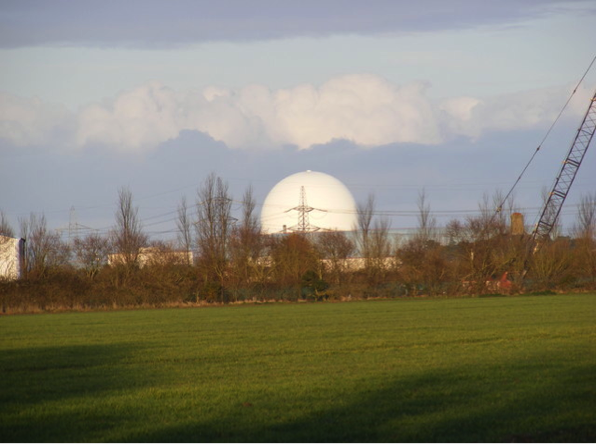
The French government have banned hydraulic fracturing as a methodology for gaining shale gas from beneath Metropolitan France, the concerns of environmentalists and the farming lobby both being against the idea as is the nuclear industry which like the farmers are a major political consideration in the country. The role of the environmental groups being of secondary importance but elevated in stature by its two bed fellows. The French Government’s concerns are that the volumes of shale gas would flood the home energy market making the nuclear industry nationally redundant and if at the same time neighbouring countries such as Italy, Spain, England, Belgium Germany and Holland went for shale gas the export of electricity that has developed would cease. The state has over half a century developed its nuclear power industry to the exclusion of most other forms of generation, and most emphatically the use of any fossil fuel.
The farmers’ concern is that there is no benefit to them directly from shale gas exploration though modest rental of space on land being used would be available: when farmers are negative of any scheme in France the government takes note, especially if the national economy is not threatened which ensures that the nation’s sons of the soil are told of their importance to the political class and ensuring ongoing support of the Common Agricultural Policy.
This has though not stopped the French crossing the la Manche to take part in the developing frenzy of investors in the expansion in exploration and the imminent trialling of wells to capture shale and tight gas from the strata beneath the UK. Total, Suez and other French companies have started to bring Gallic financial muscle alongside that of the US petro/gas companies.
This remarkable phenomena has appeared faster than most might have expected; two years ago the All Party Energy and Climate Change Committee of the House of Commons were talking of a small likelihood that UK reserves were expected to be small and at best only mildly of interest to the oil and gas companies, in 201/13 British Geological Survey wrote a report on the possible extent of gas that may be available within the Bowland Shales of the North of England which was a remarkably circumspect piece of reportage on the reservoir that in later months has been talked up by consultancies, UK Government and the drilling/exploration companies themselves: this has been further aided by the ‘anti fracking’ protesters and the local and national media.
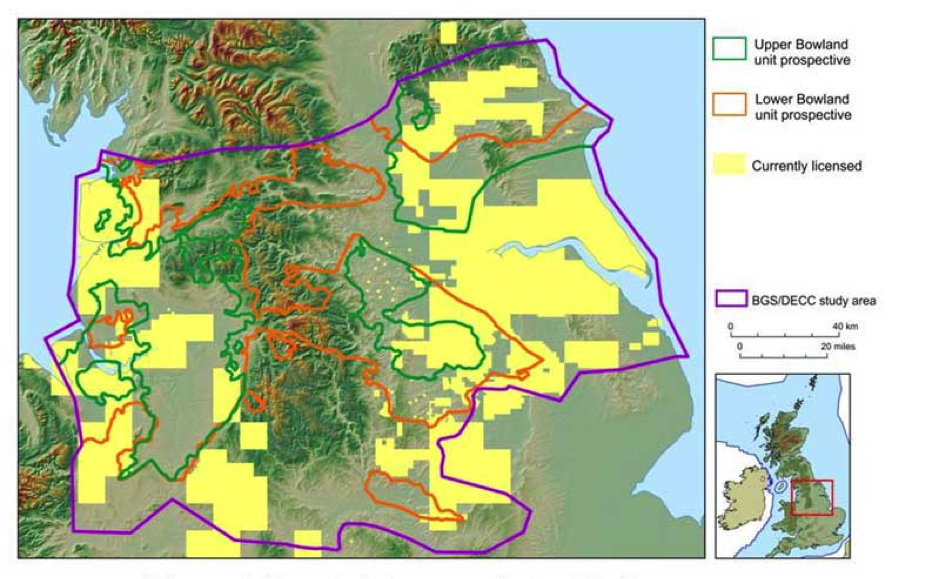
The Bowland group of shale strata was certainly seen as having a potential which is now mirrored by the south and east of the UK mainland. Such a remarkable about-turn in accepted potential gas yield is almost alarming, the government encouraging outside investment and paving or greasing a path (depending on one’s view) to ease planning rules and regulation.
The Observer newspaper though it being against the general principal has published (19th January 2014) a fairly clear set of truths that properly regulated development of wells to exploit the gas will not damage the environment: not harming aquifers, will not cause earthquakes and if the gas takes over the role of coal in the generation of electricity the greenhouse gas issue is negated as it is less damaging as a greenhouse gas generator.

The development of a growing number of exploration wells being sunk across the country have been hidden to a great degree by the almost lemming like publicity orchestrated by the exploration company Cuadrilla who were ‘used’ to draw most of the anti-fracking protesters to their sites and by such allowing the majority of exploration companies to get on with their research uninterrupted.
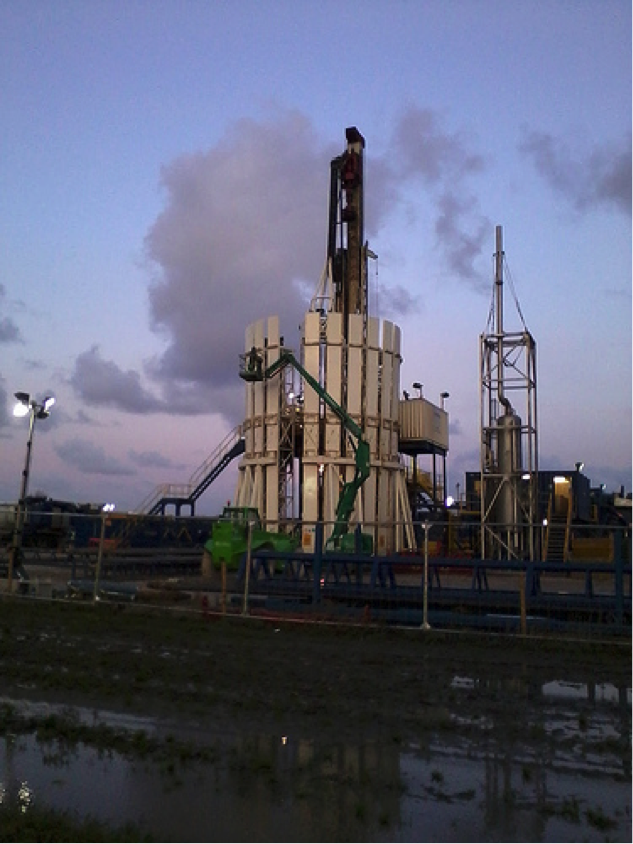
At the same time the multi-national energy companies of Europe and the US are actively developing a taste for British shale and the tax advantages that George Osborne, the Chancellor is offering to the industry.