There is a basic problem with sustainable urban drainage schemes in that no organisation; developer or local authority wants them; at least not without an income stream by which their management can be funded. The idea of sustainable drainage in urban and semi urban built up areas is government policy but without the fiscal stimulus of management costs being met are not often being implemented in any but the most rudimentary fashion. Their utilisation of potential development/money earning space is not popular at the best of times but with local authorities and the Environment Agency having to cope with increasing flood events throughout the course of this present warm but soggy winter the call for greater control of excess surface water is coming from all quarters including the public who object to their homes being inundated with flood water.
It is remarkable that this subject has not developed faster in the public’s consciousness; it has been continually under discussion between government ministers, their departments, the regulators, the water companies and county and other councils for more than twenty years. The reasons for flooding are better understood than one would fully believe and have been known for many years as have many of the answers to stopping or relieving the situation in regard to it.
Oddly with climate chaos and global warming on many of the population’s lips, urban drainage does not factor greatly, and only as a bit player; the real reasons are our large population, and the ever increasing need for homes, roads and other hard infrastructure, shopping and industrial areas. The human population in England over subscribes to drainage use, the sewers are in the most part in urban areas of a vintage that they coped adequately for a population far less than today;
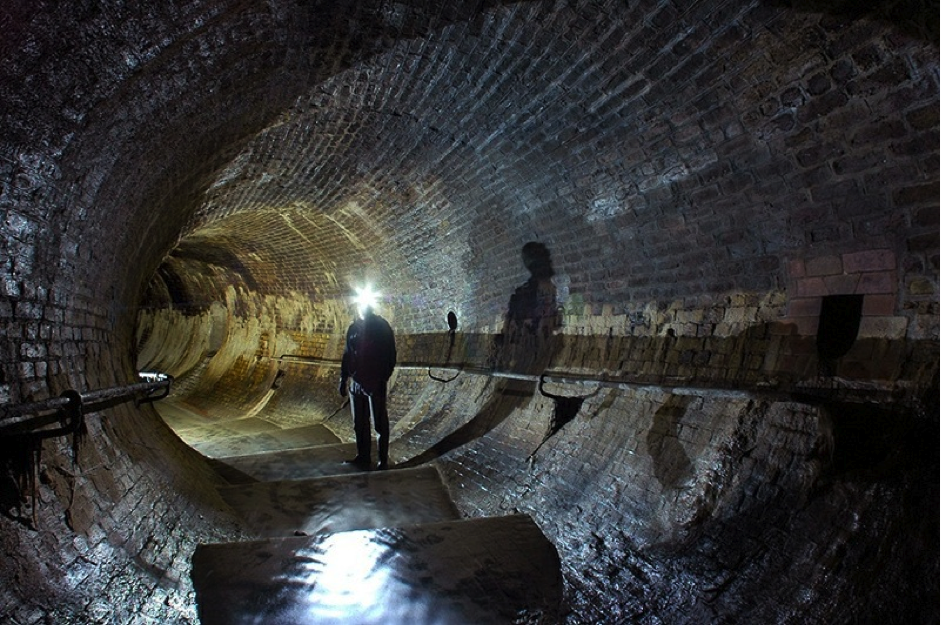
Bazalgette designed the main truck sewers of London when the population was around 2 million, but with remarkable foresight allowed for expansion to between 5 and 6 million. Today these same feats of engineering are coping with over 8 million.
At the same time the population are adding more than three times the volume per head than would have been conceived as normal at the time of their inception.
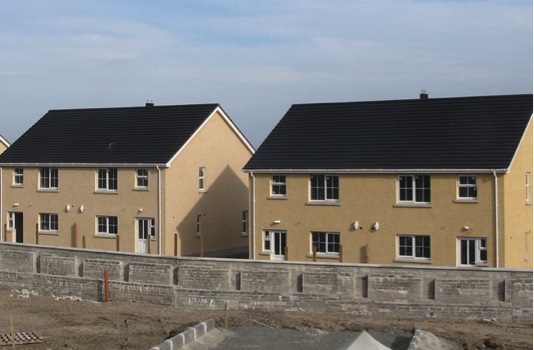
Apart from flooding that derives from the sewer the aspect of this vast population based in England and to some areas of Wales, Scotland and Northern Ireland is continually growing and at the same time pressing for increasing living accommodation. This is not so much large families but many more nuclear habitations. More single people, couples on their own, the extended family all under one roof in to a great degree a thing of the past. This has made it desirable to increase house building and the construction of large volumes of new homes. This development has led to large areas of land being waterproofed with all the drainage being directed elsewhere. In non-rural areas this drainage is carried to the main sewer drains as diluting medium to the sewage loads of areas and or direct to river by storm overflows or other route.
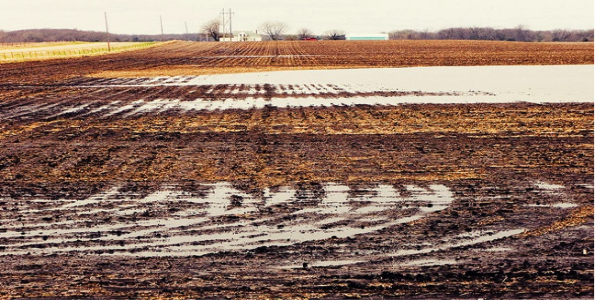
As rain falls on fields it soaks into the land until the soils are sated and then it floats on the surface flowing to ditches, streams and rivers; the more it rains these conduits fill and eventually the waters break free of their restraints. These waters are swollen with the drainage of the land, of the town and city. Natural water, human and animal waste, detritus, vegetation shifting across the landscape with the flows leading pushing and turning endlessly.
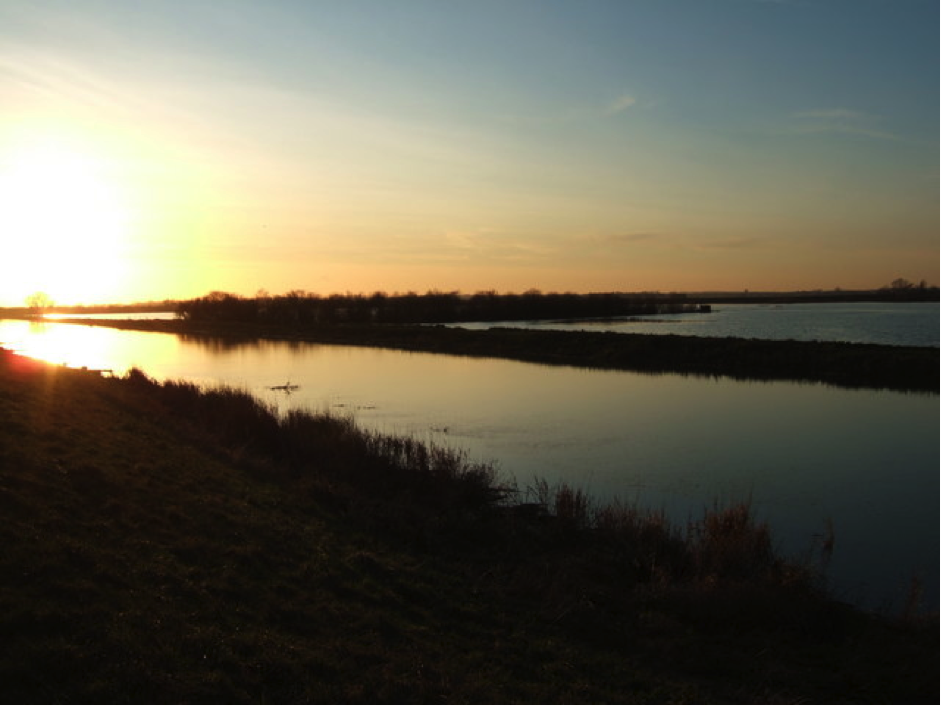
Weather continuously influencing the movement; wind whipping up waves or calm cloudless skies delivering tranquil sunsets with reflected glory only seen in these alien conditions.
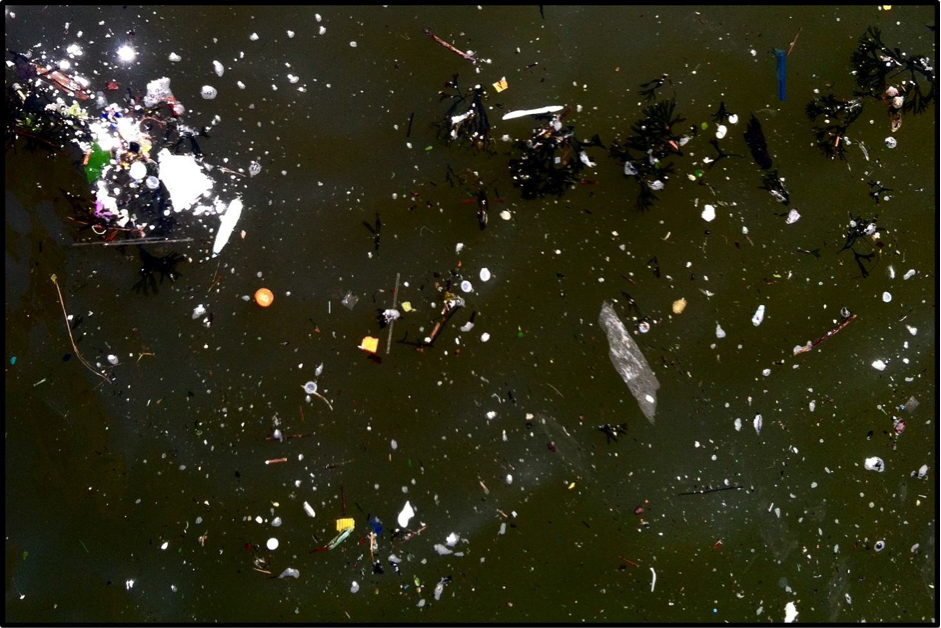
The water enters homes through doors gently or cascading: a cataract sweeping property and people ahead of it. It rises through the floor the sandbags having no effect at the doors. Water will be cruel, it plays with you and makes sure that you feel it is a living thing that is invading your space; which it is, it is the staff of life and as such would have its own set of rules.
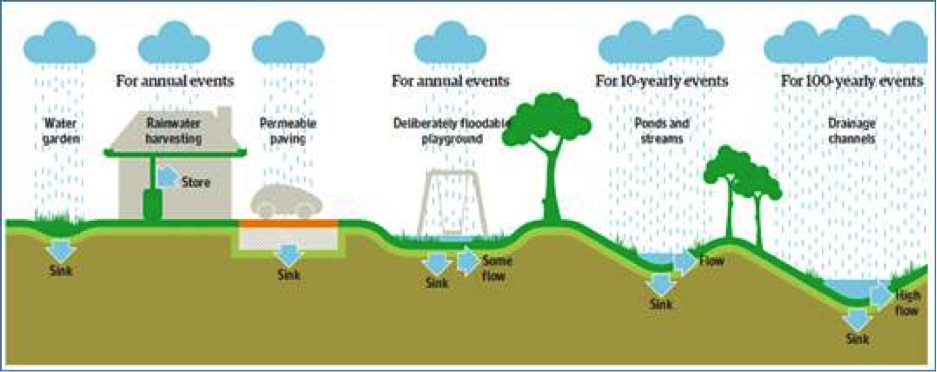
Urban drainage is the key to reducing its power or at least its effect but lip service without the facility to implement its proper use has led it being near worthless. In new housing schemes developers surround developments with earth bunds and flood barriers which shift even more of the problem onto other communities and areas. The housing developments stay dry but the water has to move on elsewhere. The wholly integrated urban drainage scheme is a thing of simplicity of concept. It allows for unban drainage to be managed where rain falls and is integrated into the urban environment allowing green space and environmental benefits for nature and the residents of the area.With the growing number of flood events mounting year on year mirroring the growth of urbanisation of green space the need for proper implementation of these schemes has arrived.