The Trust has had an active few months with some notable success and redeveloped close working arrangements with the Coal Authority.
Northumberland; the Trust has arranged that land owners, the Coal Authority and the technical engineering company will develop the first UK use of minewater from an abandoned mine water pumping operation. The location is at present to be kept confidential at present whilst the development of the plans and other formalities are finalised. This scheme is the culmination of twenty years of promulgating the value of minewater as a resource. The sight of minewater lagoons at Annesley Colliery steaming in the snow urged the Trust to encourage the concept.

The issues of pharmaceuticals in sewage effluent has been brought into focus again with the RSPB raising their concerns for avian species that feed on worms found at sewage works outfalls. It appears that Prozac which accumulates in the worms also accumulates in the birds. This poisoning makes the birds uninterested in breeding and makes them lethargic. This lethargy, though not studied by the RSPB, is likely to transfer by ease of predation to predator species. The oestrogenic material that has been the focus of the Trust’s interest has been raised to the Parliamentary Environment Committee at a recent meeting and a new enquiry is going to be timetabled before, with luck, the next General Election.

The Trust is working on an energy project under Down to Zero that will encompass the energy use of North Warwickshire and evaluate the potentials of other low or non-carbon sources of energy that might be considered for certain locations across the area. This follows on from a short report produced, also for Down to Zero looking at possible water/geological energy sources available to the village of Screveton in Nottinghamshire.
The Trust has carried out a short piece of research for Sasie, the Nottingham based energy applications company on the Nottingham University Sutton Bonington campus. An interesting piece of work that included some complex geological mineral extraction interactions with the hydrogeological movements of groundwater.
Working again with Sasie to get to the point of being an accepted tenderer for an energy research project for Stoke on Trent but the conditions regarding copyright and other conditions made it impractical to carry on to enter into contracts as they stand. It will be interesting if any organisation or group will take the project on. It was unfortunate as there was some good work to be put in place; anything that can help the environment of that city is of value.

As requested by the Trustees; the Trust has produced a short outline of the history of the organisation. The Draught is with Paul at present for checking. The 1st 25 is a romp through the 25 years of the organisations existence and hopes to give direction for the next 25. As it was never thought to be of such longevity it has been an interesting project to put it together.
As might be seen on the web-site there have been 3 tailings dams that have failed recently, one, Mount Polly, being one of the biggest of all time with over 1 billion litres of water and slimes flowing through a complex ecosystem on the West Coast of Canada and into the Pacific. The ecological outcome is yet to be understood. The Trust has responded to enquiries from the Government of British Columbia and the federal Canadian Environment Agency. The other 2, in Brazil and Mexico were not insubstantial and in the former at least 3 workers were killed but nothing has appeared in the European Media.
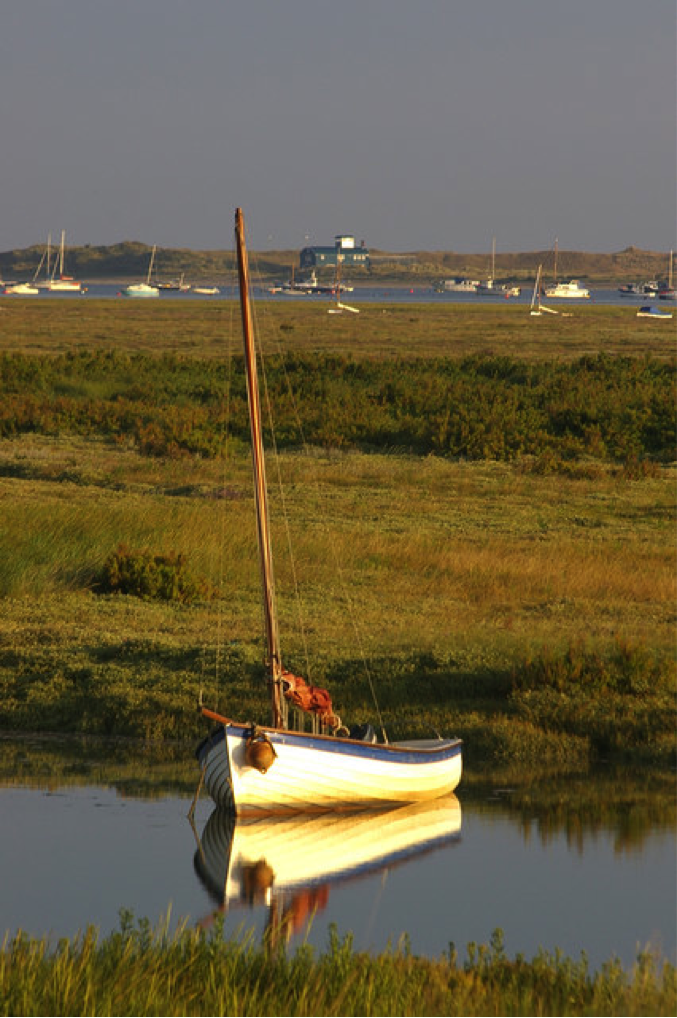
Research in wetland/reedbed mechanics has seemed to be rather superfluous of late to many apart from academics; as they are known to work on various effluent streams. Now though the recreation of wetlands as carbon sinks: they have been known as such for more than 50 years but of no consequence, now though the traders in carbon futures and carbon sequestration are taking up the torch of their restoration on coastal fringes. This is designed to work in the US particularly and areas of the land abutting the Gulf of Mexico are seen as a major asset to aid the US meet carbon emission cutbacks to be agreed at the Climate Summit in Paris next year (2015). The UN and the investment banks have given it a shiny new name; Blue Carbon. It might raise a smile to know that an acre of Norfolk salt marsh is more valuable than an acre of Gulf of Mexico mangrove by a factor of 30 times.
The Trust has taken part at the Castle Debate on flooding held at Allen and Overy in the City, also the Chalk Streams Headwaters meeting at Sparsholt College. Meetings regarding Somaliland, Rwanda and Ghana were attended as was the Deep Geothermal epic meeting at the Geological Society, Burlington House.