The Clean Rivers Trust having moved from its original home area about the River Trent near and in Newark and now happily relocated in Birmingham, thought it might be apposite to look at the historic water issues in and around the main river system that drains the conurbation that is known as Birmingham. The Trust has had a lot of influence over this water catchment and the River Tame, being a major tributary of the River Trent has always been under observation and has seen active intervention on issues over the 25 years since the Trust was founded in 1990.

The above map demonstrates the importance the River Tame now has in the nature conservation of the area.
The Tame
The main river being the Tame and its tributaries; the Anker, Cole, Blythe, and Rea, is for most of its course not a natural river system; much of the length of the Tame itself has been canalised or culverted out of sight of public inspection. It runs between the railway lines sandwiched between motorways and supplies and maintains parts of the more than 100 miles of canals in and around Birmingham. It flows through disused gravel workings and a country park, through rubbish collection lagoons (further disused gravel workings0 and carries the load of treated sewage that is produced by over 3 million people let alone the still not insignificant waste water arising of this centre of industry.
Historically the river was a productive fishery and a haunt of fishermen and anglers up until the beginning of the 19th century when industry began to pollute the river. Initially such pollutions were from tanneries, and dye houses: also metals and waste and armament production waste. As Birmingham developed as part of the Black Country group of towns alongside Wolverhampton and Oldbury: the two locations of the sources of the River Tame.

Izaac Walton author of the Complete Angler fished the River Tame in the 1600s.
The river passes through the centres of industry and as these grew so did the population. The sewage of the population of much of the region was brought together to the treatment works at Minworth.

Minworth Sewage Treatment Works; amongst the largest sewage treatment works in Europe and treating the sewage produced by industry and much of the population of Britain’s second largest city.
The River was by the end of the 19th Century an open sewer that was accepted as nothing more than a drainage channel that was beyond hope of restoration and nearly forgotten until the third quarter of the 20th Century when the restructuring of the river boards was implemented and the Severn Trent Water Authority was created. Initial issues that were tackled were mainly aesthetic in that the River Trent received many hundreds of tons of floating rubbish pollution via the Tame annually. This rubbish needed to be removed after each winter’s floods from the river’s flood plain and banks after the flooding that occurred annually each winter.
The River Tame’s own flood plain was the source of much sand and gravel that was needed for the building of the conurbation so abandoned sand and gravel pits were plentiful. Some of these abandoned voids were taken over as purification lakes after linking the rivers flow through them at Lea Marston.

The Tame flows beneath the M5 as a barely recognisable river.
These ponds have now removed thousands of tons of water borne waste. The effect has been seen not just at lea Marston but along much of the River Trent itself as the volumes of bank litter abated over the years. The river was recognised as one of the most polluted rivers in Europe let alone the UK.
The river began to improve in water chemistry during the 1970s and 80s due to many industries closing down due to the economic recessions of the period and by the 1990s the biggest polluter was the sewage treatment works at Minworth. This changed with the advent of green/environmental awareness and the foundation of the independent regulation of rivers nationally and the privatisation of the water industry.
The river today is on course to take its place as a major environmental attribute to the UK generally and the development of nature reserves along its length, and the developing scheme of the Tame Wetland Corridor Project will see the creation of a ‘sink’ for much of the CO2 produced in the West Midlands being held within the wetland substrates. (This project is only just being formulated by the Trust, who will work with the local authorities, the Wildlife Trusts and RSPB.)
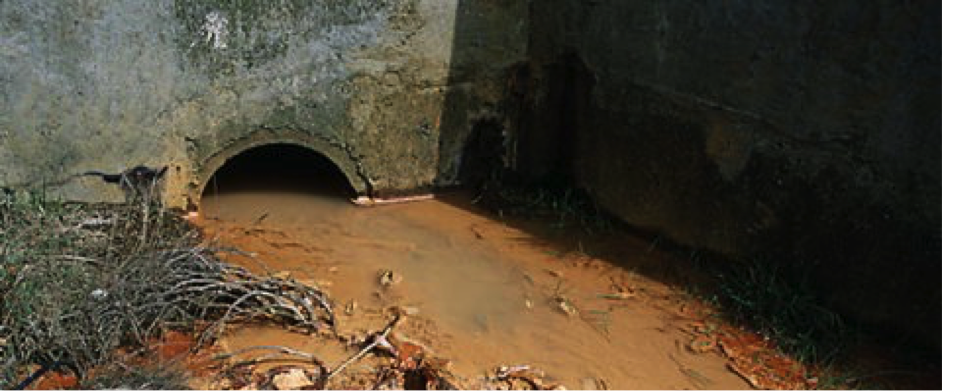
The Tame near Walsall still suffers from pollution but is amongst the most improved of rivers in terms of both water chemistry and aquatic life in Europe.
The Tributaries.
Rea.
The River Rea is a small tributary rising in Worcestershire hills at the edge of the southern edge of the conurbation. Much of its length is now an important local nature reserves, the Shire Country Park which stretches some 7 kilometres in length between Yardley Wood and Small Heath and the Kingfisher Country Park.

Blythe.
The River Blythe is a small near totally rural river: it rises in the south flowing northward after skirting the eastern edge of Solihull and passes the NEC and Birmingham Airport.

Cole.
The Cole is a short river and a tributary of the River Blyth. It drains the eastern edge of central Birmingham and flows via Coleshill to its confluence close to that of the Blyth’s with the Tame near Hams Hall.

Moseley Ford across the River Cole
Anker
The River Anker is a Warwickshire stream and at points marks the borders between Leicestershire and Warwickshire. It also fringes the northern and eastern edges of the Warwickshire Coalfield. It passes through some major settlements including Nuneaton, Atherstone and Polesworth. The post World War II open cast coal extractions in the area North East of Polesworth have created several lakes and a developing artificial landscape that is being developed into a nature reserve.
The Anker joins the Tame at Tamworth. Its flow has always been of a quality that had at least some remedial effects on the once heavily polluted River Tame and now it still allows a greater water quality to be achieved before its confluence with the River Trent.