The Trust has been busy over the last quarter with presenting a paper in Turkey, a development of minewater treatment testing, setting up a kiln and bucket chemistry laboratory, attending meetings with Councillors at Birmingham City Council and separately Officers. Further meetings with the Royal Society, Kew Consulting and Nottingham Trent University.
There has been research carried out regarding zinc and phosphate retention by red mud on minewater and phosphate recovery schemes. This has involved Red Media Technologies, Plymouth University and Coal authority.
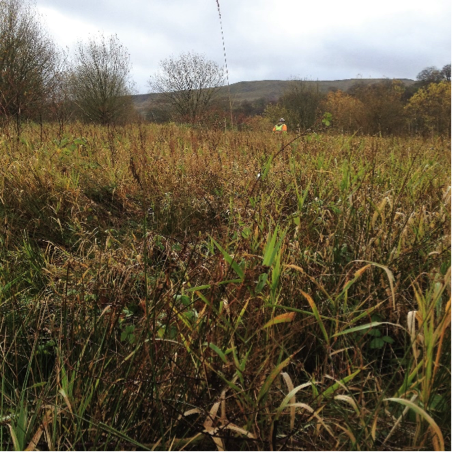
The Trust is carrying out an independent overview of a minewater treatment trial in the North Pennines to validate figures circulated by those involved and comparing the treatment results to those of a small scheme in Snowdonia.
Two sites near Cartagena in Spain are being considered in the near future for heavy metal removal, the Trust have been asked to validate methodology and results if project goes ahead.
The Trust has also been asked to comment and overview a coal minewater treatment project near Philadelphia in the New Year; the Trust has already looked at the planning of the site.

Contacts in Uganda (shadoofs and their success during the recent migration of cattle), Yemen (alternative crops; farming continues in this war torn land) and Ethiopia the government is looking for funding for sewer location route viability works, which CRT has already helped with) have reported back.

The cellar extension to the library and archive is taking form and will be working properly by the turn of the year. The flora section of the library has grown further with the new volumes of several ongoing publication projects at Kew and Edinburgh. Other new volumes include the Indian Desert and Haryana Province, Iran and French volumes.
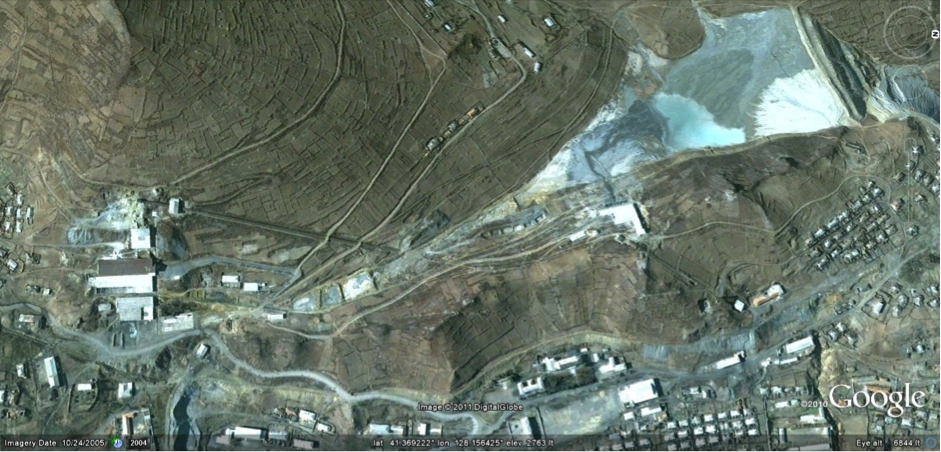
One to look out for!
The Trust has been contacted by the Brazillian Environment Agency regarding the tailings dam collapse early last month. Issues of how the dam breached and the events that led to ‘seismic activity’.
The Trust is planning a joint project in India with Professor Amin Al-Habaibeh Nottingham Trent University as a continuation of their Water from Air initiative.