Acid Tar Microbial/bacteriological/fungal Breakdown/decay/consumption in Relation to Phyto/bioremediation of the Acid Tars, Trialed at Cinderhill, Belper, Derbyshire 2018/2019.
Prof. Harvey Wood Dip AD, MA, PhD, FRSA, FRGS, FGS, FLS.
1 Introduction.
1.1 Clean Rivers Trust is carrying out a trial/demonstration project at Cinderhill, Derbyshire.
1.2 This project is using both compost and willows (a few poplars are also being grown as an experiment) across the site, to cut the acidity, stop access and begin and speed up the remediation of the acidic oil tar residue from recycling of engine oils that were deposited in old clay pits in the 1970s.
1.3 The tars came from the recycling of old engine oils to produce high grade lubricants from waste brought into the refinery in Belper, Derbyshire from across the UK.
1.4 The placing of these acidic wastes in the redundant clay pits was considered best practise at the time.
1.5 This practice of putting the residual tars from recycled oils into clay pits ceased in 1978, but up till that time the activity was licensed by both Derby County Council and Belper Rural District Council.
1.6 The tar oils deposited in the clay pits void were expected to harden over time and the site revegetate naturally. On the demonstration area this did not occur, though elsewhere on the other tar pits this has to some extent taken place. The addition of fullers’ earth, foundry sand and other wastes such a builder’s rubble have allowed trees and shrubs a foothold.
1.7 The natural remedial actions that were to be harnessed included:
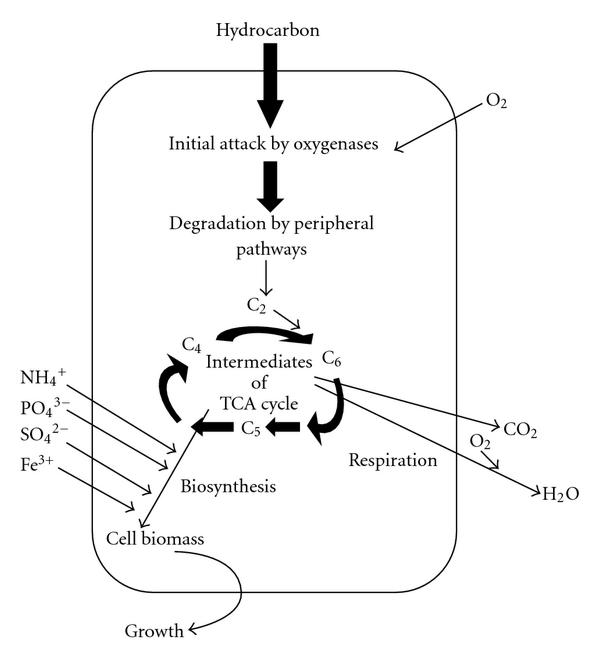
- Bacterial breakdown of many of the hydrocarbon molecules, particularly the PAH fractions. Where the oxidisation beyond the aerobic interface between the compost and tar was fed by rhizomic or root action as they developed into the tar surface.
- Fungal deformation and disintegration are aided by willow root action taking oxygen to the mycelium developing within the spent mushroom compost, which apart from and including cultivated species of fungi also attracts/harbours other fungal spores to colonise the compost. The mycelium add a further oxygenation route into the tar as it breaks down the bonded structure of the tar.
- Rhizomic growth above the tar, within the compost gives initial nutrients to the willows whilst the leader roots explore their entry into the tar layer itself. The roots allow enzymes within the willow to assimilate the carbons within the acidic tar to add structure and after initial setbacks due to the acid acclimatisation shock begin to draw on the body of hydrocarbon reserve. The plant also assimilates metals that may be present. At the same time the the enzymes begin to break down the gas fraction of the hydrocarbon expelling gases via its various nodes such as at branch and leaf stem.
- Microbial and algal growth can be a major contributor to hydrocarbon breakdown so long as their environmental conditions are correct,: in the case of the tar pit that needs to be at the least moist, preferably wet and warm, a humid atmosphere being ideal. The drought of summer 2018 was not ideal with the dieback of both the planted willows and the microbial/algal constituents needed on site. The warm winter and wet late spring and early summer has shown a variety of microbial growths including natural surfactants breaking down hydrocarbons to oils and emulsions.
2. Forms of Activity.
2.1 Bacteria.
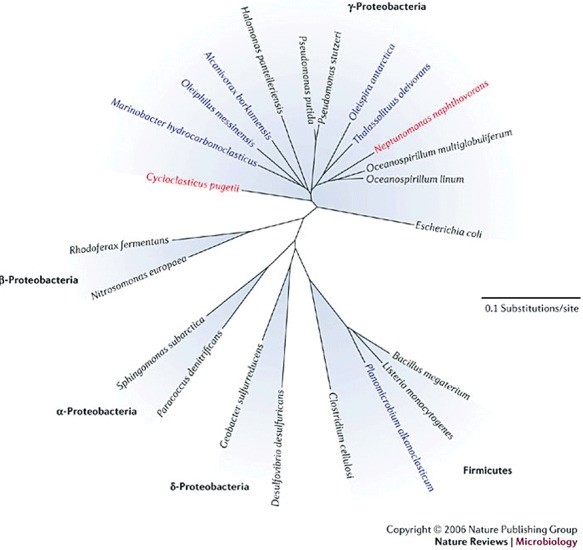
A phylogenetic tree illustrating the diversity of aerobic hydrocarbon‐degrading bacteria. Organisms shown in blue can degrade saturated hydrocarbons, whereas those in red can degrade polycyclic aromatic hydrocarbons. The organisms shown in black do not degrade hydrocarbons.
Genome sequencing projects of PAH‐degrading bacteria (adapted from the GOLD database: http://www.genomesonline.org).
| PAH degraders | Genome size (kb) | GC% | Habitat | goldstampa/Reference |
| Completed | ||||
| Arthrobacter chlorophenolicus A6 | 4395 | 65.9 | Soil | Gc00930 |
| Mycobacterium flavenscens PYR‐GCK | 5619 | 67 | Soil | Gc00534 |
| Mycobacterium sp. JLS | 6048 | 68 | Soil | Gc00516 |
| Mycobacterium sp. MCS | 5705 | 68 | Soil | Gc00392 |
| Mycobacterium vanbaalenii PYR‐1 | 6491 | 67.8 | Sediment | Gc00479 |
| Polaromonas naphthalenivorans CJ2 | 4410 | 62.5 | Fresh water | Gc00486/c |
| Rhodococcus erythropolis PR4 | 6516 | 62 | Marine | Gc00980 |
| Rhodococcus opacus B4 | 7913 | 67 | Gc00982 | |
| Sphingomonas wittichii RW1 | 5382 | 67 | Fresh water | Gc00571 |
| Pseudomonas sp.b | ||||
| Ongoing | ||||
| Arthrobacter phenanthrenovoransSphe3 | Soil | Gi01675 | ||
| Burkholderia sp. Ch1‐1 | 3789 | 58 | Soil | Gi03275 |
| Burkholderia sp. Cs1‐4 | Rhizosphere | Gi03276 | ||
| Cycloclasticus sp. TU126 | 2300 | Fresh water | Gi02200 | |
| Cycloclasticus pugetii PS‐1 | Marine, sediment | Gi03249 | ||
| Mycobacterium sp. Spyr1 | 66 | Soil | Gi02013 |
a.Links to sequence information and genome database can be retrieved with the goldstamp ID.
b.There are genome sequencing projects of over 50 Pseudomonas species/strains, of which 17 are complete, many of which are capable of PAH degradation.
| Species | Genome size (kb) | GC% | Habitat | goldstampa/Reference |
| Completed | ||||
| Alcanivorax borkumensis SK2 | 3120 | 54.7 | Marine | Gc00411/b |
| Marinobacter hydrocarbonoclasticus VT8 | 4326 | 57.3 | Marine | Gc00504/c |
| Arthrobacter sp. FB24 | 4698 | 65.5 | Soil | Gc00445 |
| Geobacillus thermodenitrificans NG80‐2 | 3607 | 49 | Fresh water, oil fields | Gc00532/d |
| Ongoing | ||||
| Alcanivorax sp. DG881 | 3789 | 58 | Marine | Gi01400 |
| Cycloclasticus pugetii PS‐1 | Marine, sediment | Gi03249/e | ||
| Cycloclasticus sp.TUi26 | 2300 | Fresh water | Gi02200 |
| Species | Genome size (kb) | GC% | Habitat | goldstampa/Reference |
| Marinobacter hydrocarbonoclasticusATCC 49840 | Fresh water | Gi01519 | ||
| Marinobacter algicola DG893 | 4413 | 57 | Marine | Gi01420 |
| Methylomicrobium album BG8 | Soil | Gi02102 | ||
| Oceanicaulis alexandrii HTCC2633 | 3166 | 64 | Marine | Gi00864 |
| Oleispira antarctica RB‐8 | 4400 | 43 | Marine | Gi02491/f |
| Rhodococcus opacus B4 PD630 | Soil | Gi03264 |
2.2 Fungal.

2.3 Microbial.
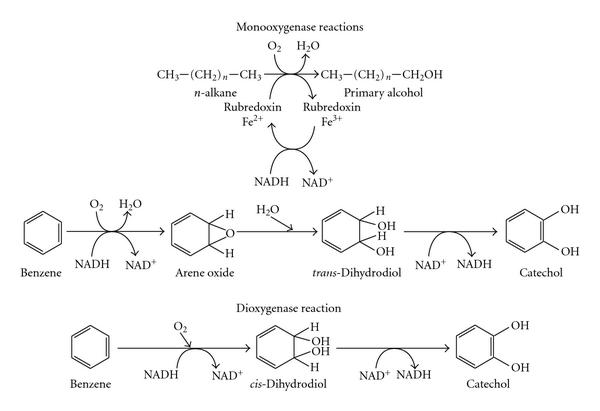
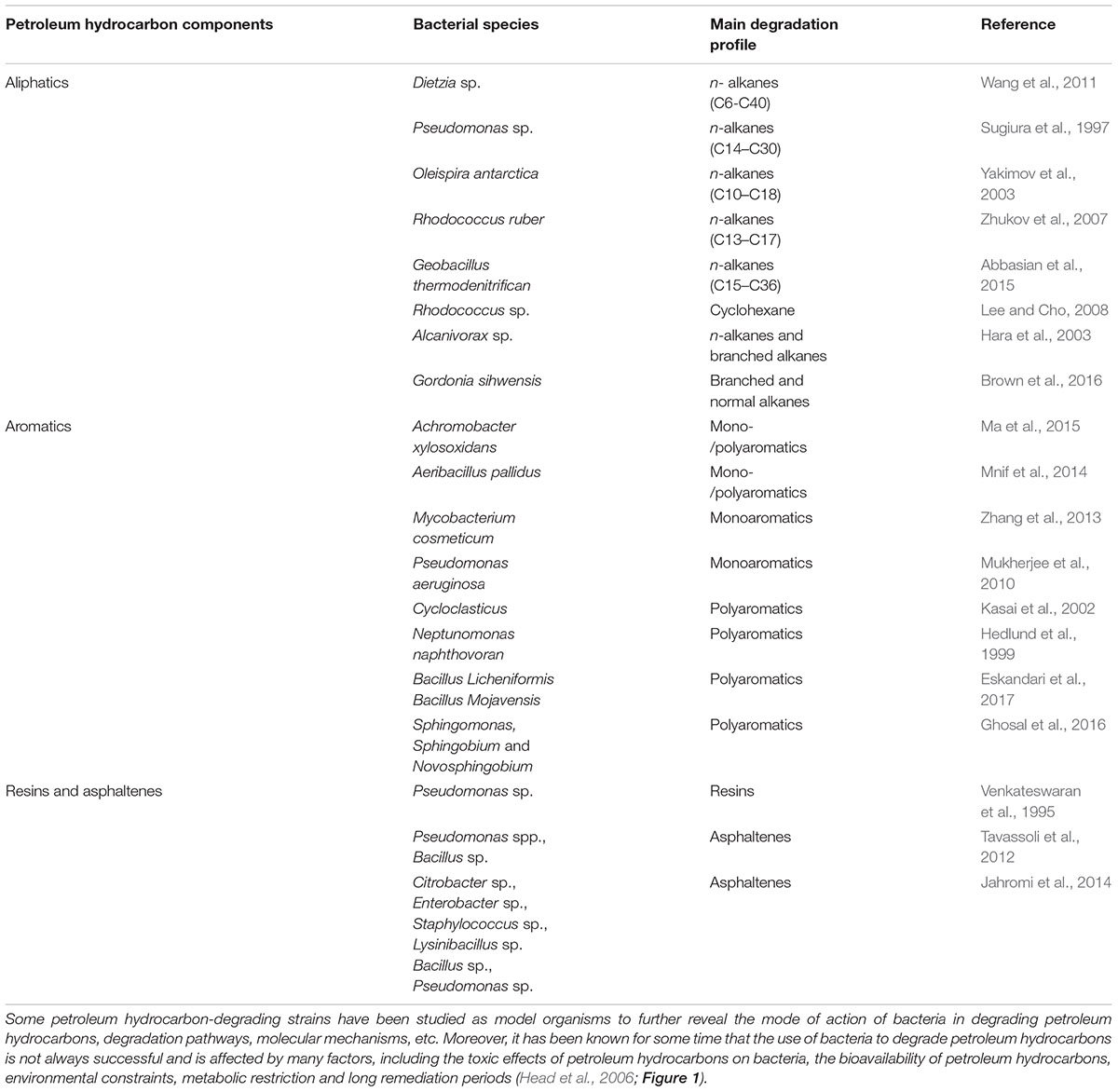
|
3 Delivery Methods.
3.1 The bacteria and other remedial life forms required for remediation need ideally to be naturally occurring, some that are present on site and others that will encourage or complement those already present. This needed to be both a natural material that was nutrient rich and able to hold considerable volumes of water to enable the delivery mechanism to survive over periods of low rainfall. The material would further need to be able to smother the fumes given off by the tar pit. Work carried out in the 1990s by Paul Younger in South Wales on acidic minewater treatment using spent mushroom compost and its natural affinity to develop willow carr systems suggested a synergy of viability in the current trial.
3.2 The use of bacteria, algae and fungus to begin breaking down hydrocarbons, especially highly acidic waste such as on this site needed a suitable vehicle to help penetrate the stiff but mobile tar. Work carried out by Clean Rivers Trust with Camborne School of Mines and Severn Trent Water in the 1990s demonstrated the ability of willows to thrive in minewater discharge from metal mines around Cornwall. Other research carried out in Belgium in the 1980s and further research carried out by Clean Rivers Trust and Severn Trent Water demonstrated that some willows were tolerant at the least of lubrication oils as part (up to 80%) of their growing medium.
3.3 Trials carried out over the late winter and early spring of 2018 showed that spent mushroom Compost laid over a sample of tar from the site met the criteria. A selection of native and energy biotypes of willows were planted into the compost. The willows rooted, some biotypes better than others, but all grew. These trials allowed for a set of willows for the trial to be selected. It was also noted that apart from the development of leaf and root growth the tar odour was annulled.
3.4 The summer of 2018 being a year of drought demonstrated the initial planting scheme which was that of laying the willows flat upon the surface of the compost as somewhat unsatisfactory; the willows though watered regularly cooked in excessive temperatures. A replanting was affected in the spring of 2019 that allowed a covering of several centimetres over the horizontal cuttings, and further upright cutting trials, all proved highly satisfactory |
4 Roots.
4.1 The roots of willows (and to some extent poplars) rapidly put down into the tar as well as developing quickly within the compost.
4.2 The roots into the acidic tar suffer some initial check but after a week where large numbers of Giant willow aphids appeared at the plants’ bases (possible other reason for check) roots down to 30cms was noted in July 2019. Green top growth mirrored this with many plants reaching up to 2 metres in height, now in September there if nearly 3 metres of top growth.
4.3 The willows on penetrating the tar remove/extract aromatic vapours and volatile gases via their root systems and vent them to the atmosphere via nodes in the tree developing above ground. The gases are voided via the branch, twig and leaf nodes, also through (to a lesser extent) the leaf membranes.
4.4 The willow roots on entering the acidic tar start to neutralise the acidity. Before root contact with the roots the tar has demonstrated as pH1, once the roots have entered the tar the acidity of that tar around the young roots shows as pH6 to 7.
5 Observations over 16 Months.
5.1 The tar pit is situated in a void left from clay extraction. This acid tar filled void has kept its integrity due to the residual clay that lines the ‘cell’ in which is interred. The Environment Agency are sure of this integrity because of their analysis of samples of nearby streams. Clean Rivers Trust have also carried out an environmental investigation of the area around the site and concur with their finding.
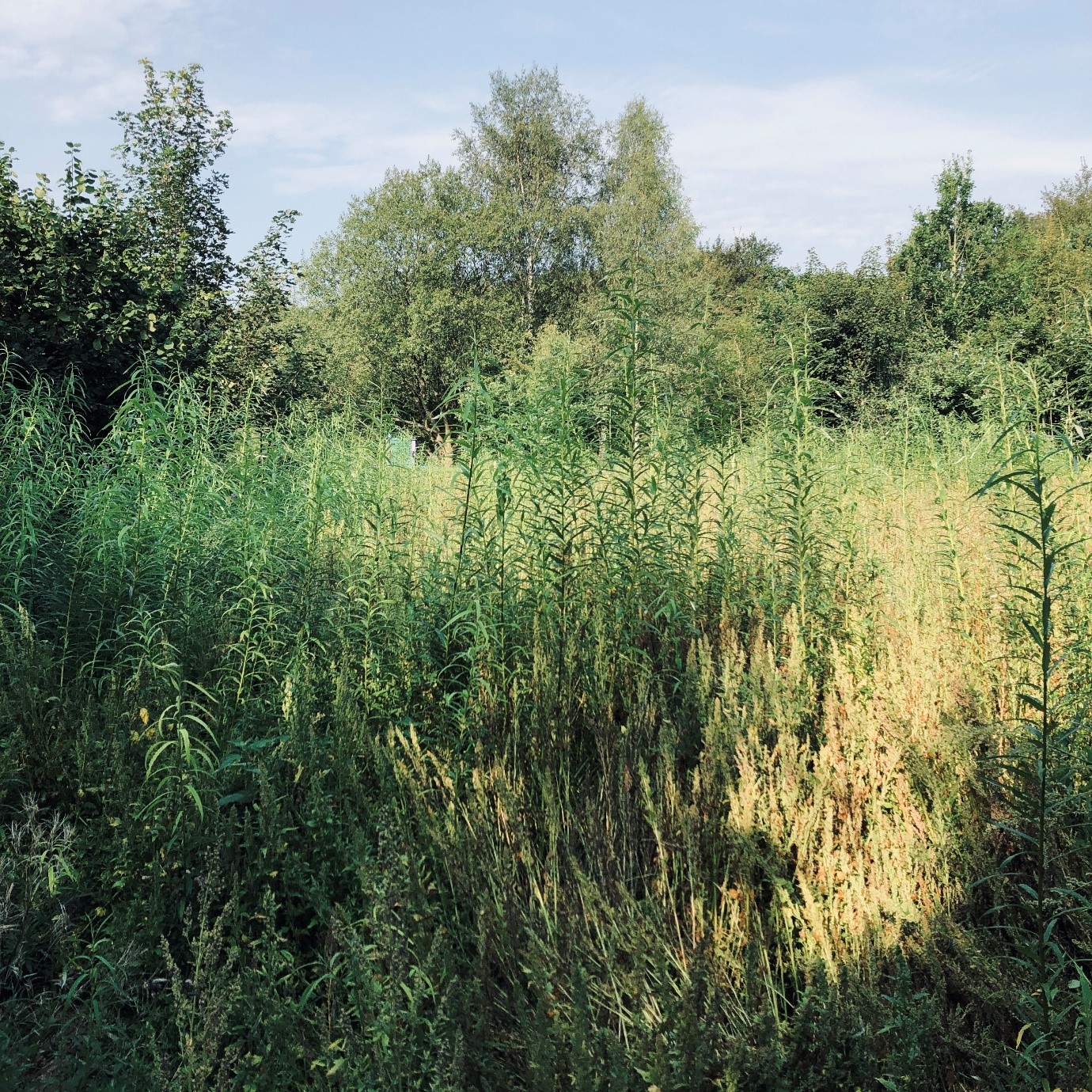
5.1 The site prior to the start of the trial was a barren flat and inhospitable environment. Standing still for two minutes would see a booted foot sink into the surface and begin to be closed over with tar and a clear acid pooling round the whole boot. The surface of the tar had around its edges a fringe of disintegrating snail shells where the molluscs had in damp weather entered onto the surface of the tar and been destroyed by the acidic rain runoff.
5.3 The site was noted for having a strong hydrocarbon smell that was both unpleasant and unhealthy. A time limit was set for direct exposure whilst working on the site surface at the start of the project. This was necessary during survey and preliminary works for the remediation trial in the warm weather of April May 2018.
5.4 Since the compost was laid and willows planted the hydrocarbon rich atmosphere has decreased and now no smell is detectable. Gas monitoring on site is regularly carried out with no results reported.
5.5 The site is now home to several amphibians including Great Crested newts and frogs. Snails are found across the surface of the site and birds and mammals are found traveling across the site.
5.6 Rabbits have been identified as a problem as they are eating leaves of the willows though not the small branches which are just cut through.
5.7 The willows are now so firmly rooted that they can not be pulled up and need to be dug up for inspection and analysis with a mattock and spade.
5.8 Some willows have been noted to have shed their leaves during the growing season but have then recovered and regrown their foliage. This defoliation may be due to gases being vented by the developing plants being too much for the young leaves to cope with.
5.9 Leaf drop due to gas was noted in proximity to a borehole put down into the tar in early October 2018.
5.9 Several willows were killed off in the spring of 2019 after replanting by another borehole voided gas. The later borehole vented gas for some weeks after sinking. The borehole took several months to closeup. Previous boreholes had only taken an hour or less to close themselves up.
Bibliography.
Roper CS and Park A, 1999. The Living Fores: Non-Market Benefits of Forestry. Forestry Commission, Stionary Office, London.
Barr D et al, 2002. Biological methods for assessment and remediation of contaminated land. CIRIA, London.
Wilson S et al, 2004. Sustainable drainage systems. CIRIA, London.
C Paul Nathanail and R Paul Bardos, 2004. Reclamation of Contaminated Land. Wiley, Chichester, West Sussex.
Paul Stamats, 2005. Mycelium Running. Ten Speed Press, Berkeley, USA.
Tony Juniper, 2007. Saving Planet Earth. BBC/Collins, London.
Lafortezza R et al, 2008. Patterns and Processes in Forest Landscapes, Multiple Use and Sustainable Management. Springer,New York, USA.
Bhupinder Dhir, 2013. Phytoremediation: Role of Aquatic Plants in Environmental Clean-up. Springer, Delhi, India.
Isebrands JG and Richardson J, 2014. Poplars and Willows, Trees for Society and the Environment. FAO, Cabi, Rome.
Hakeem KR et al, 2015. Soil Remediation and Plants. Elsevier, New York, USA.
James G Speight and Karuna Arjoon, 2015. Bioremediation of Petroleum and Petroleum Products. Wiley, New York, USA and Toronto, Canada.
Alexandros I Stefanakis, 2018. Constructed Wetlands for Industrial Wastewater Treatment. Wiley, Blackwell, London.
Pandey VC and Bauddh K, 2019. Phytomanagement of Polluted Sites. Elsevier, Oxford.
Ibrahim M Banat and Rengathavasi Thavasi, 2019. Microbial Biosurfactants and their Environmental and Industrial Applications. CRC Press, Florida, USA.
Web Sites.