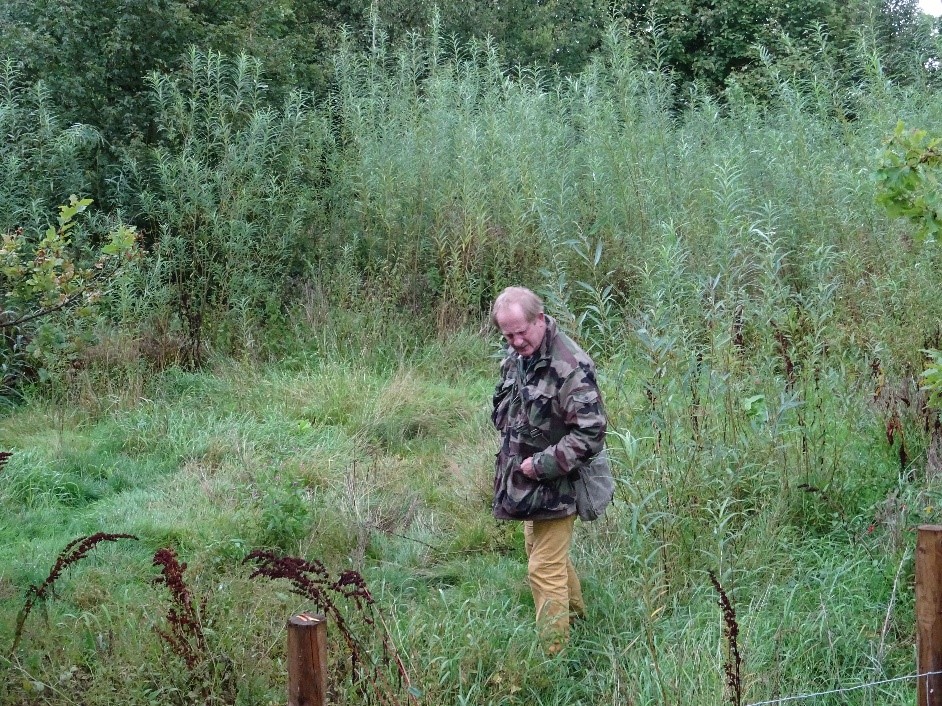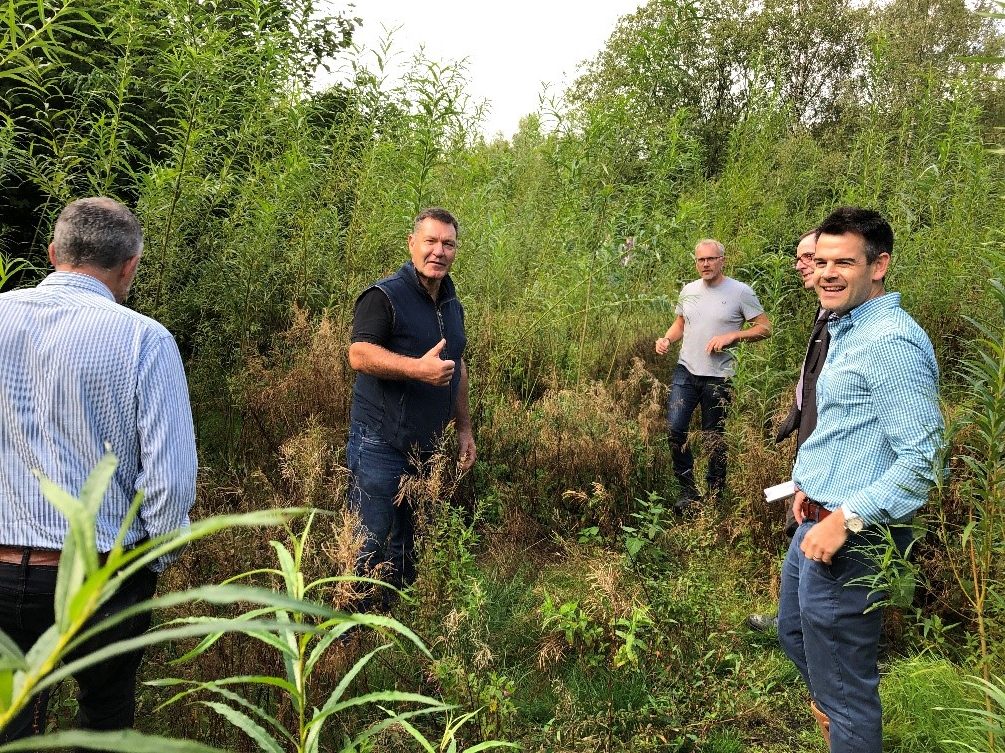
The tar pit is regularly visited by the Trust for monitoring and sampling. Often, we are joined by visitors, we are always delighted to welcome interested parties to view our work. This year we have had many guests even though for nearly six months we could not allow people to visit due to lockdown. The visits have included councillors, environmental groups, the Environment Agency from local and national offices, industry, and funders. No one has left the trial site without expressing amazement with what is being achieved.
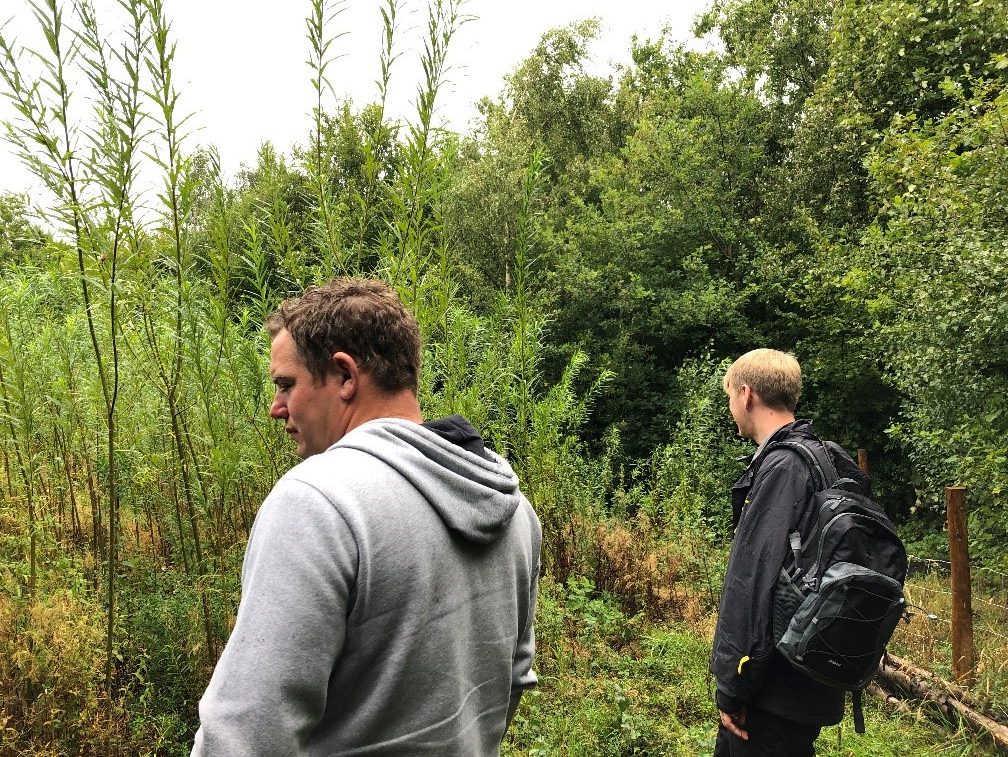
The monitoring has continued throughout the lockdown and we now are looking forward to the future with several other tar pits around the larger site to be taken on. There are several sites, some far larger in the Belper area as well which we hope to tackle in the future.
The monitoring has been vital as there have been visits by vandals and others who have tried to pull up willows which have seen several plants ripped from the tar.
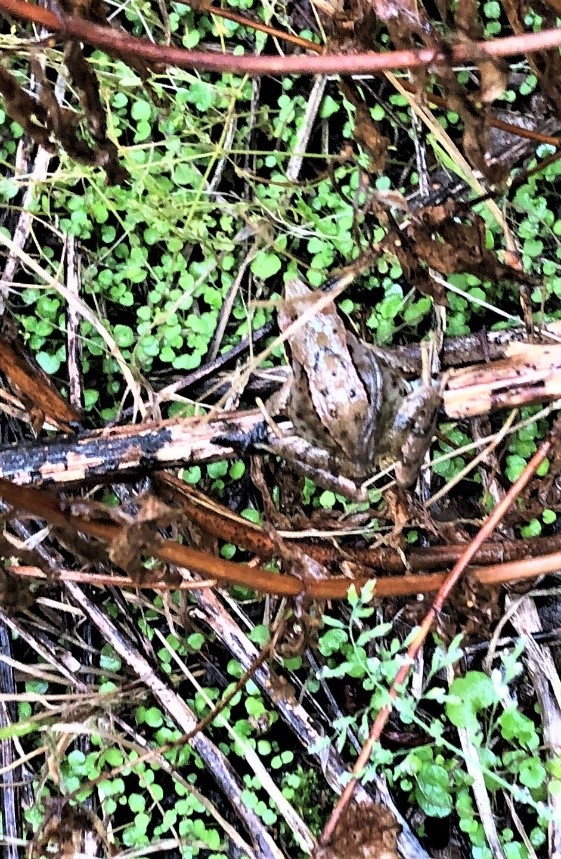
Not all the visitors have been human, and the site is becoming alive with an amazing diversity of wildlife.
As the autumn approaches the site will change its appearance drastically with leaf drop and little activity apparent above the ground surface. Below the surface though things will be different. The willow roots will not cease developing, spreading, and taking bacteria down into the interactive zone where the roots are developing into the tar. The willows acting as a wick or chimney allowing gases generated by the breakdown of the hydrocarbons to be vented.