Introduction.
The River Deben means much to me, it had a pivotable place in my childhood. I lived and went to school close to it. I spent many, many hours walking its bankside on Sunday afternoons to escape the school, smoke freely behind the Tide Mill in all its rusting charm, now twee in clapboard, protected and preserved. Then it was as mysterious as any skeletal being and beautiful in decay.
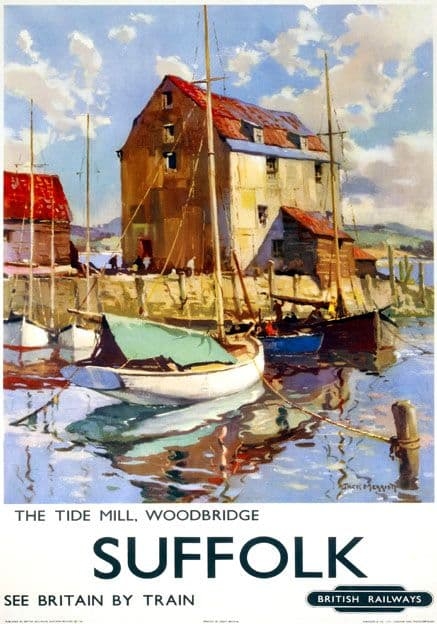
We smoked whenever we could and that meant by the river if not within the school grounds, especially in the overgrown laurels behind the beehives Mr Wheeler, the biology teacher kept.
I particularly remember the biting easterly winds coming off the see straight from the Urals, sleet stinging my short trousered knees and cap clad face. We always had to wear a cap till the fifth form. Purgatory the, a warm nostalgic memory now.
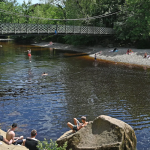
The Deben even before school focused on its place was where at the age of six, I spent a summer swimming at Bromeswell Common, learnt to descale a Grey mullet strait from Mr Green’s net again at Bromeswell. The cricket bat factory where willows grown in ranks were pollarded or coppiced and as my father took me flighting duck on January nights when the moon was up, clouds scudding and the wind whistling through aspens and alder on the riverbank.
One day nearly drowning, running over the mud between stands of reeds, the helplessness of sinking into that black, greasy ooze. Canoeing upside channels with a friend, exploring. The little villages and the churches, set along or just away from the bank, bridges and water birds. Walking the bank seeing otterhounds baying in hope of quarry.
Overview, from sea to source.
Bawdsey/Felixstowe Ferry.
This is the point where the river meets the sea, there is a shingle bar that acts as a barrier for larger vessels going upriver which changes almost annually due to winter storms.
Waldringfield.
This is the sailing hub of the river and the number of sailing boats has grown, and the effect on the river is not yet understood. The section of this resume of knowledge of the river draws attention to issues regarding human waste directly deposited by boat owners.
Ramsholt.
Ramsholt on the northern shore almost opposite Waldringfield is another centre of sailing and though a small village has a large pub used by yachtsmen and walkers. It was also famous in the 1960s as the haunt of Giles, the Daily Express Cartoonist.
There is a small cliff at the river’s edge here, it is one of the best-known places to find fossils lying on the foreshore.
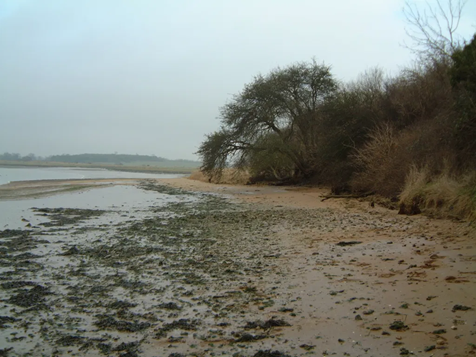
Woodbridge.
The centre of population and the human focus of the River Deben,
Melton.

Wilford Bridge, Melton.
Melton is a long village which runs parallel with the river, though some distance from the water, there are boat yards situated amongst the mud flats and the railway line in part acts the village’s flood defence.
Bromeswell
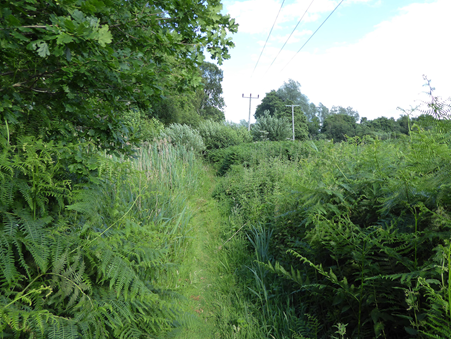
A village hidden down a set of narrow lanes set on rising ground or terrace above the river. The land between the houses and the Deben is made up of marsh land reed beds and mudflats/salt marsh. It is a remarkably isolated area in winter and used to be busy with villagers, swimmers, and odd canoers in summer. It used to be where sea trout and grey mullet were fished by nets across the stream at night. Now it is owned by the Suffolk Wildlife Trust, and much more serious. It is a place of sunsets with a huge sky, bracken, willow, and reed.
Ufford.
Ufford is hardly touched by tide, the river becomes another entity here, an idlers dream.
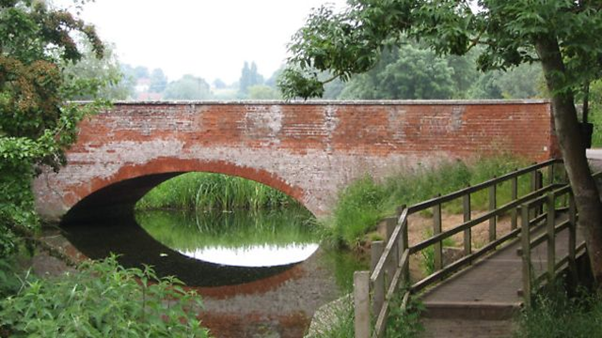
Ufford Bridge upstream if Bromeswell
The river is bordered by flag iris and club rush, dragonflies hover and swoop chasing the midges.
Wickham Market
The town is skirted round by the river, neither appear to pay any attention to each other. A watermill was built here in the 1850s and still trades today, Rackham’s Mill.
Debenham.
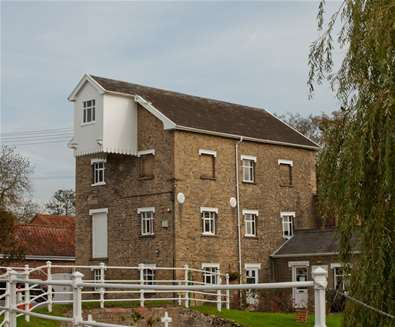
The Deben rises in the parish. Mills were common along the stretch from Wickham Market through Eaton and as far as Debenham. The area is rural agricultural land. The light soils are good for growing wheat and other cereals.
Fishery.
The Estuary is a modest mollusc and shellfish fishery which the industry hopes will develop. The need for clean and wholesome water has allowed a good amount of research and an understanding of the water quality within River Deben’s catchment, especially within the estuary.
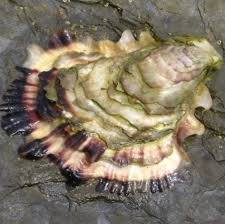
The Grey mullet was regularly caught in thousands in the late 1950s and early 1960s, but they are now not so numerous though still present along the Bromeswell stretch.
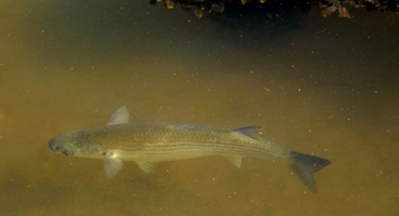
There are bass, coddling, flounder, and other species caught by angles along the tidal estuary.
Sewage and other Inputs.
The Deben is a good quality river though none of the several sewage works that discharge into its catchment have tertiary treatment.
Agriculture has a major impact with leaching of applied phosphates and nitrates.

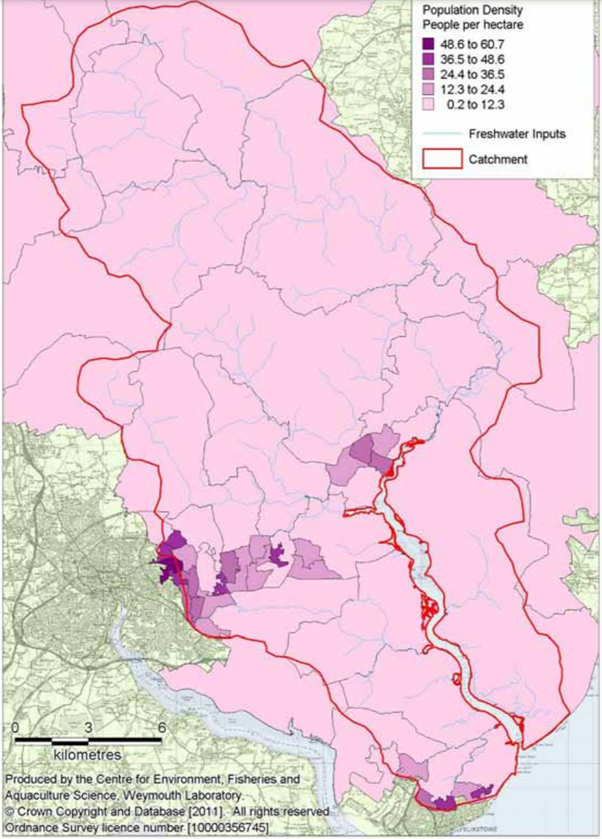


The pollution loadings throughout the year within the tidal estuary of the River Deben.

Birdlife on the Tidal Estuary.
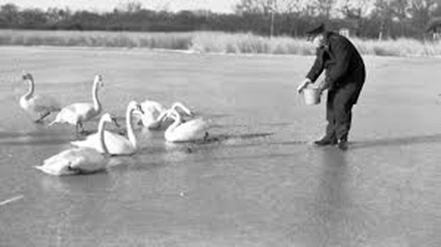
The estuary has always been an important wintering ground for wading and water birds. In the winter of 1963, the estuary froze over for several weeks trapping many swans that needed to be freed from the ice as it developed, mounting up with the ebb and flow of the tides.

Overwintering bird populations on the mudflats of the Deben Estuary 2008-2009.
Flood Defences.
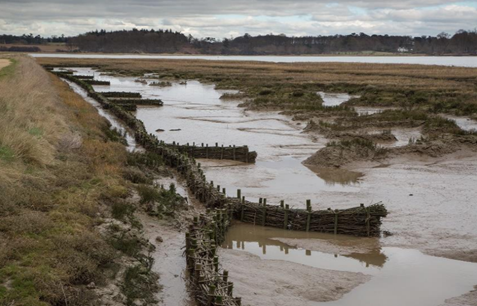
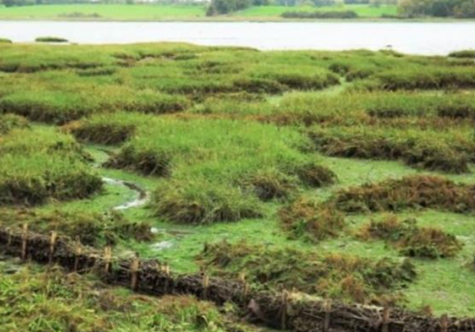
The River Deben has had flood defences along many stretches at least since the 1953 Flood, At Woodbridge a clay and concrete barrier protected much of the town and marshland between Wilford Bridge, Melton via the town’s Railway Station to Kyson Point. The villages below that were also protected in part by clay banks. At Waldringfield the villages in part refused the erection of improved protection in the fear of losing direct access to and views over the estuary with a more engineered solution. It was though in agreement to trial a scheme of developing and restoring the eroding salt marsh that surrounded the fluvial fringes of the village.

The trial used willow fagot fences to catch and hold back the silt rich waters of each high tide, thus allowing as the level dropped silts to drop out of suspension. The results allowing natural flora to take hold on the raised mud deposits and increase the barrier between the village and the flood tides. The trial has worked to the satisfaction of the Environment Agency and residents of the village.
In Conclusion.
I have a bond with the Deben, many years of my childhood were made better by its presence. It is now a cleaner river and still has that appeal it always had. It is not a quantifiable something but an abstract notion of fondness and familiarity.
Bibliography.
Annon, 1990. The River Deben, A Guide. The River Deben Association, Woodbridge, UK.
Kershaw S and Cook A, 2011. Classification of Bivalve Mollusc Production Areas in England and Wales Sanitary Survey Report Deben Estuary. Cefas, Weymouth, UK.
Harvey R, 2018. Waldringfield Flood Defence Scheme, Suffolk. Case Study 58. Environment Agency/DEFRA, Bristol.
Web Sites.
https://www.eastsuffolk.gov.uk/assets/Planning/Design-and-Conservation/Conservation-Area-Appraisals/Bromeswell-Conservation-Area-Appraisal-September-2016.pdf
https://www.eastern-ifca.gov.uk/wp-content/uploads/2016/10/2014-Finfish-research-report.pdf