At a time of political intrigue and argument within the Scottish Nationalist Party, it might be worth a brief thought about an earlier time when Scots were trying to rule a united Britain and wishing to achieve this by the invasion of England.
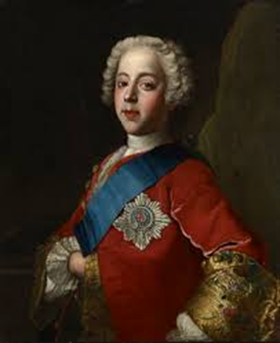
The year 1745 saw Prince Charles Edward Stuart return from exile in France and build an army round him and his cause. The desire of the Stuart supporters was to return the Scottish line to the throne of Britain.
As later historians have pointed out this was possible but for a change of heart or frailty of spirit on the bank of the River Trent. The road to London was not defended as the Scots had moved swiftly though the northern part of England and successfully feinted their intentions and direction of travel. Wade was too far away in the north; the Duke of Cumberland was to the west.
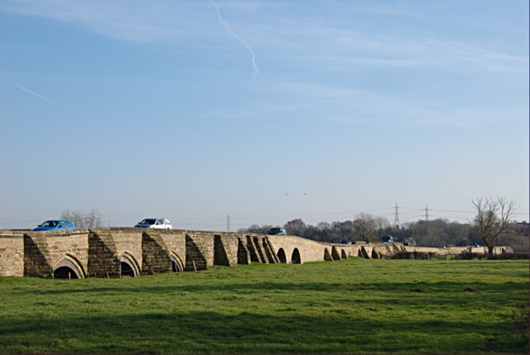
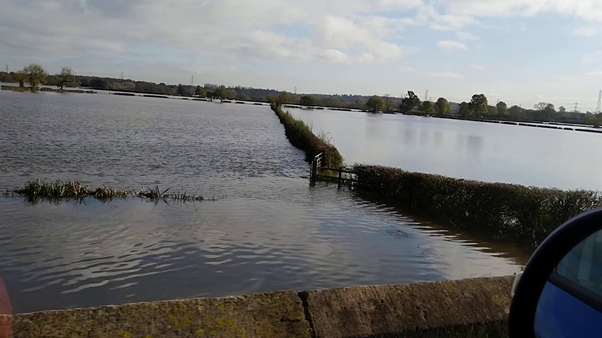
But all was not well with the cause, the English Jacobite supports did not rally to the Prince in numbers, the French did not come to his aid. All was going awry, but the road was open. It is said that George II was packing and readying to leave. What failed them, likely intelligence of what was really happening ahead of their army. The River Trent was also a factor. The expanse of water was the boundary between the north and south of England. It was and still is the ecclesiastical divide between the Arch Bishoprics of York and Canterbury. The bridge at Swarkestone where the army was to cross over the river and enter the south is more a causeway and is not the usual river crossing. An ancient bridge across marshes bordering both banks of the Trent. It is curved and doglegged and from one end the other is invisible.
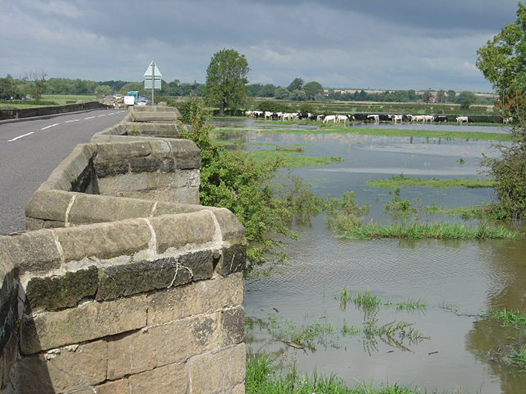
Furthermore, the land beyond the river was flat and nearly all the way to London it would be the same. Not the ideal fighting country for Highlanders who liked the hills and heather from which to spring or charge. The army was about to enter an alien world.
The confidence of the king who had led this army of about 6,000 through one small battle prior to crossing over the border into England at Preston Pans, was to some extent resented by the Highlander Chieftains several of whom had previously been professional soldiers of note on the Continent. The coffers of the Prince were empty, and his army had not been paid. The Highlanders required the Prince to return to the north and to Scotland.
The barrier of the River Trent, the unfamiliar nature of the country and the lack of support led to the eventual end of the Jacobite cause on the heather moor of Culloden the next year.