The use of plants to remove contaminants in soils and waters is now a well-accepted methodology. Phytoremediation is now accepted as one element in a plethora of methodologies that run from relocation of contaminants, soil washing, encasing. All have their place, but none are more satisfying than the breakdown of contaminants by natural methods. Such ideas though mainstream within the industry are still treated with some suspicion and doubt by clients, councils, and regulators. The use of plants is not a quick fix and in many cases is not as cheap an option as one might hope. The planting of suitable flora or silva is only the first stage. Management of the plants is key, which requires some form of farming or horticultural experience.
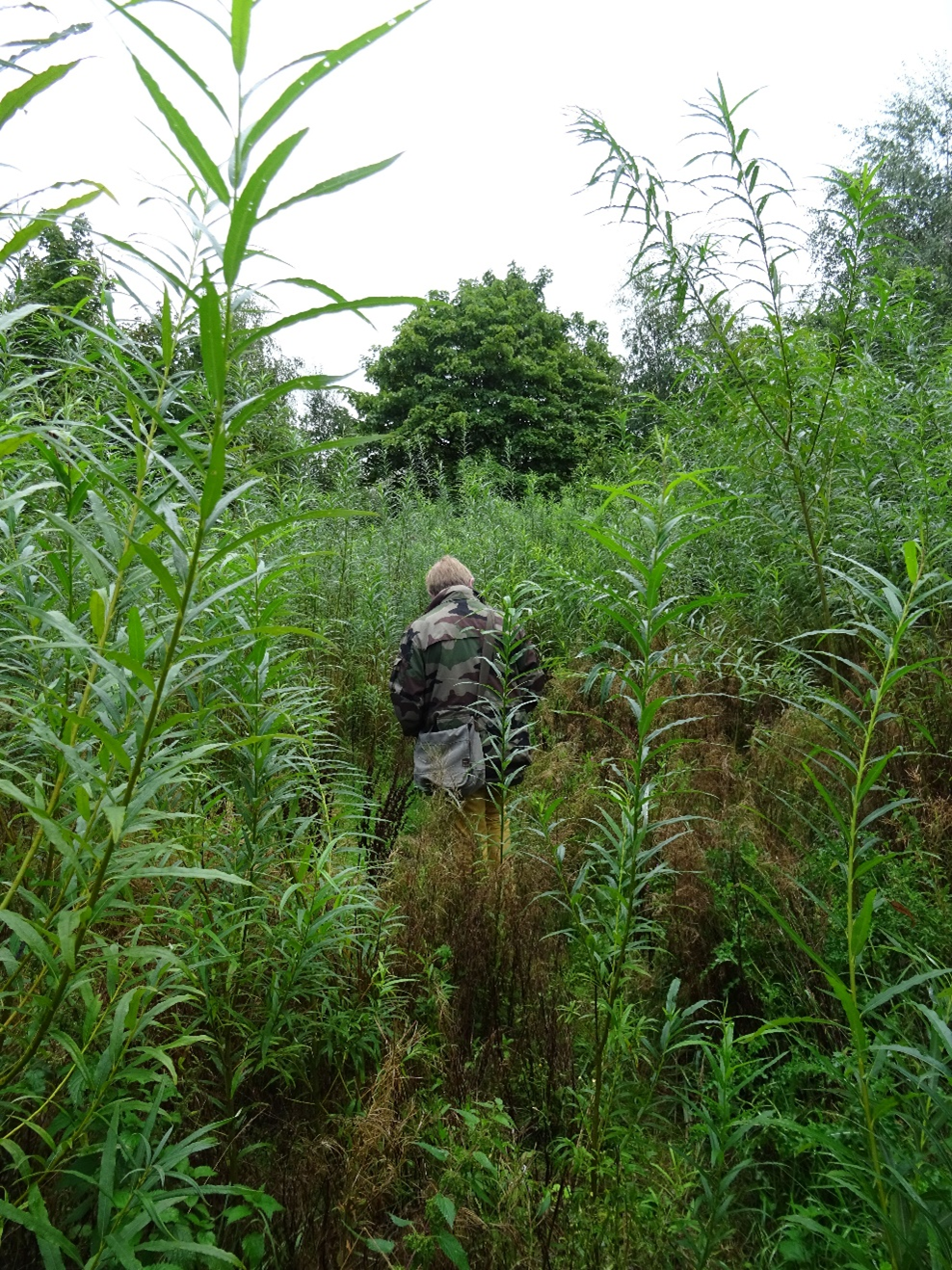
We have been looking at methods of phytoremediation for more than 27 years now, uses of wetlands to hold and treat minewater contaminated with metals, willows to tackle hydrocarbons such as oil spills, even acid tar wastes (Derbyshire), mosses for treatment of acid hydrocarbons and minewater, particularly where there has been historic explosive waste such as derived from phosphorus. This latter research demonstrated that certain trees alongside mosses produced remarkable results and reduced the risk to human health substantially. Similarly, the breakdown of many carcinogenic materials to non-hazardous levels might be achieved over short time frames using Salix clones.
Across Europe there are several areas of spreading phosphorus contamination that will be out of control beyond the safe confines of many industrial sites. Contamination has already breached some, Italy and France have problems that we are aware of, but the industrial giants responsible are sceptical of trialling such methods.
The containment of such sites may be achieved swiftly by ringing an area of concern with a broad planting of the right tree and plant species. This will stop any further migration of the hazardous material, whilst allowing the main pollutants to be gradually broken down over a longer time frame. Some of these sites have had engineered solutions put in place but the contamination has broken through or passed beneath containment barriers such as grout or concrete walls. These contained sites can be decontaminated by using wide spreading root system trees or shrubs without risking the physical breaking up of the historic barriers and caps to such sites.
The methodologies employed require no physical contact between the contaminants and the personnel used to plant or install the remedial works. This is achieved by installing a suitable waste compost layer across the site prior to planting that gives enough nutrients to the planting to allow healthy initial stage root formation prior to them entering the contamination zone beyond.
The use of tree emplacements to decontaminate sites over protracted periods of time can have further benefits to both the wider environment and to the company’s carbon footprint. In most instances of highly contaminated ground the lack of wildlife can be very apparent. At certain sites we have worked on snails and even frogs, toads and grass snakes have died at the edges, many being found destroyed, eaten away by the surface materials. Once work had started on these sites’ amphibians including Great Crested newts were present within a few weeks.
Even when you find phosphorus laid beneath a layer of water, such as can be found in the UK the solution is not permanent. The use of phytoremediation methods can stop the risks to nature and humans almost instantly. Again, the remediation process below the surface will take time but risk has been addressed as have the moral issues.