Cinderhill Acid Tar Pits in Denby, Derbyshire has changed a great deal since the site was agricultural land in the 1700s. Coal mining, clay pits, rock quarry and repository of the wastes from recycling engine oils in the 1960s and 70s.
Clean Rivers Trust has used the most difficult of the tar pits, No. 4 to trial a non-invasive phytoremedial method of remediating the tar that had changed little in 40 years. We proved our hypothesis and the site, as it enters its third year is acting as a demonstration of the methodology.
The project has been independently monitored since the project started in 2018 and will continue. It is also being used as an ongoing research facility by doctoral students and university staff developing a full understanding of the natural activities going on that are allowing the remarkable transformation of the site.
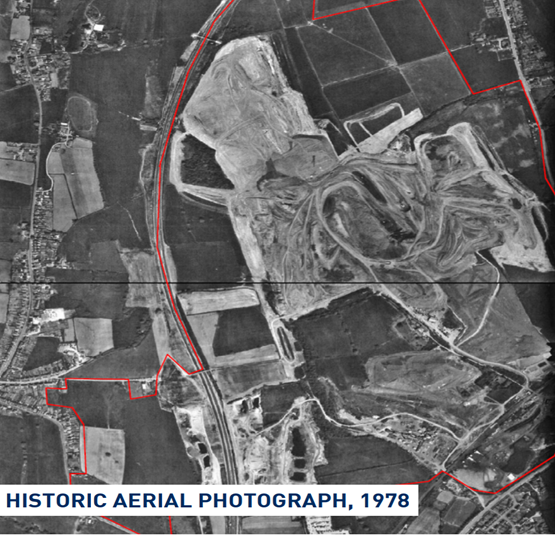
Fig 1 This shows the site partially covered by the banner. See fig 2, the rest of the site shows the huge surface workings of the Denby Colliery opencast mine.
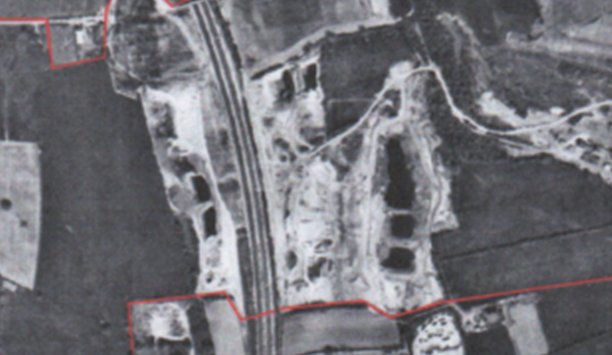
Fig 2 shows the whole site filling up with liquid toxic waste which was mixed with solid industrial waste in the hope it would stabilise the mix within the pits.
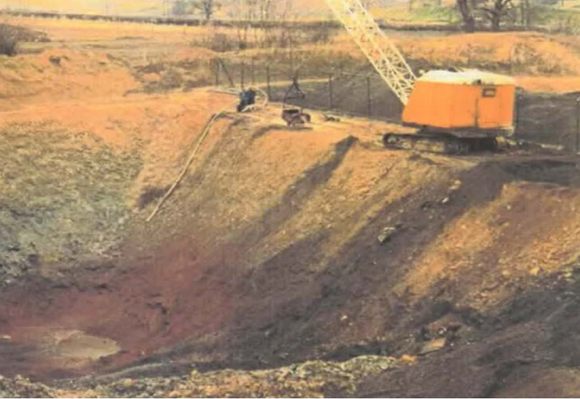
Fig 3.1 showing Tar Pit 4 readied to receive the tar waste.
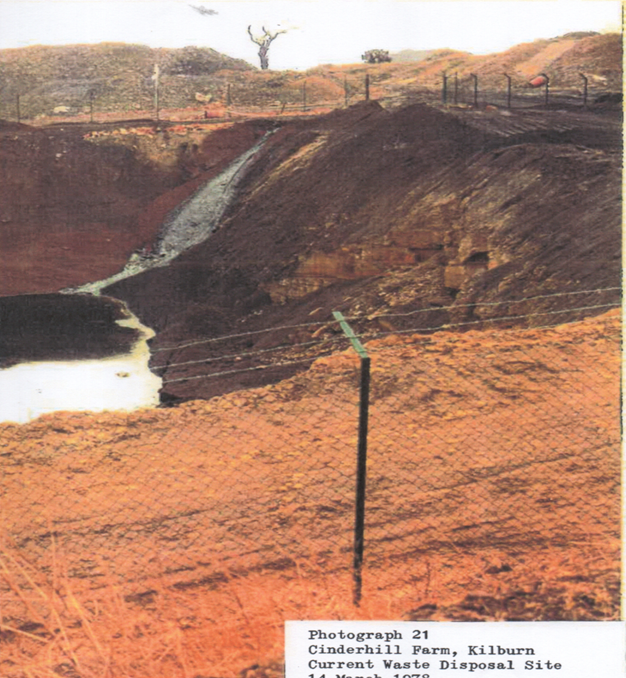
Fig 3.2 The oil waste arrives, the material always covered the material added to the site, so it always kept a layer of fluid tar at the surface.
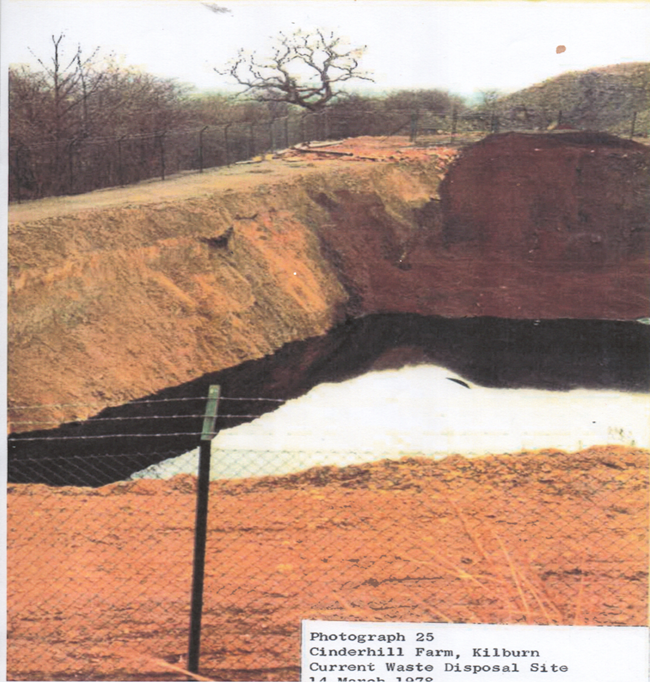
Fig 4 The other end of Tar Pit 4. Not sure how anyone thought this was acceptable, let alone best practise.
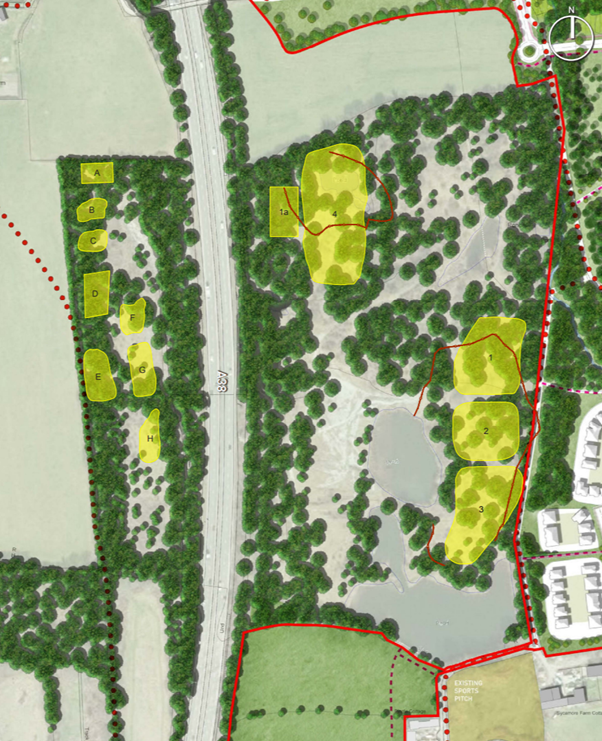
Fig 5 All the tar pits mapped out across the site. (RSK 2018)
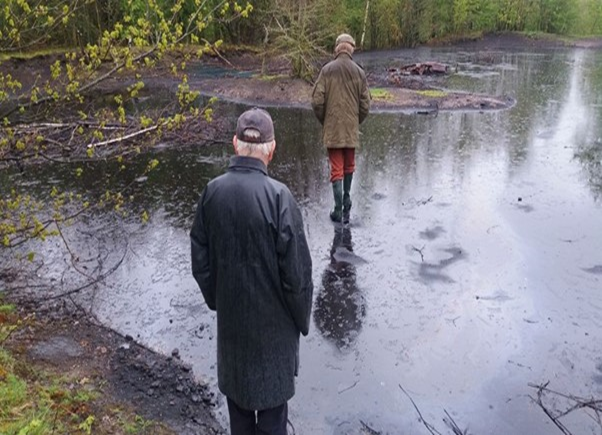
Fig 6 Tar Pit 4 in spring 2018 the tar surface still pulling you down if you staid still for a short time, you had to keep moving.
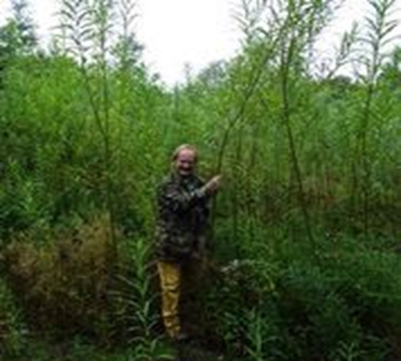
Fig 7 Late summer 2020 on Tar Pit 4, the willows are rooted into the tar. The surface of the site is no longer acidic nor carcinogenic. The ground is solid now and no longer quakes when on stands on the surface.