It has been an interesting summer, that has allowed us to carry out research and presented new challenges. It has not been conducive to travel outside the UK due to Covid restrictions.
Cinderhill Tar Pit Research.
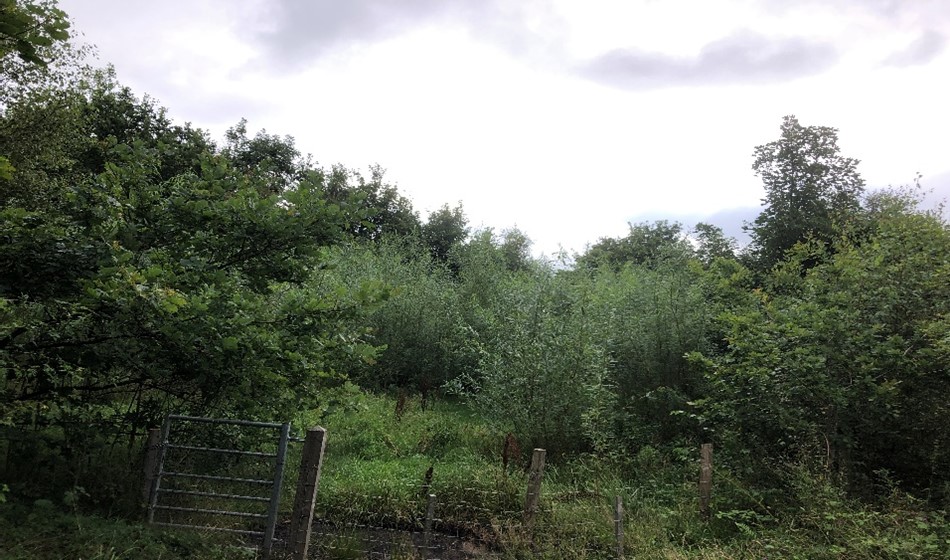
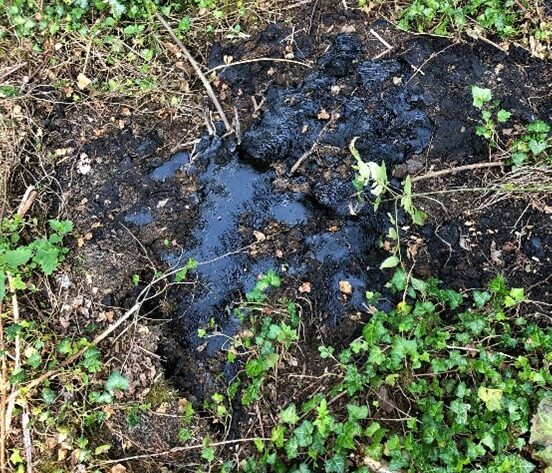
The work continues into its 4th year with new findings and much progress. The willows are growing well across the site. There have though been some checks to growth due to venting of gaseous emissions from the tar making several willows shed their leaves. Most of these trees have managed to come back from their defoliation with an increase in growth. The venting was caused by the tars cracking both on a north south and east west axis. This fissure in the tar from which the gas came was very noticeable and killed weeds and grasses, plus affected a few of the established trees that surround the tar pit as well.
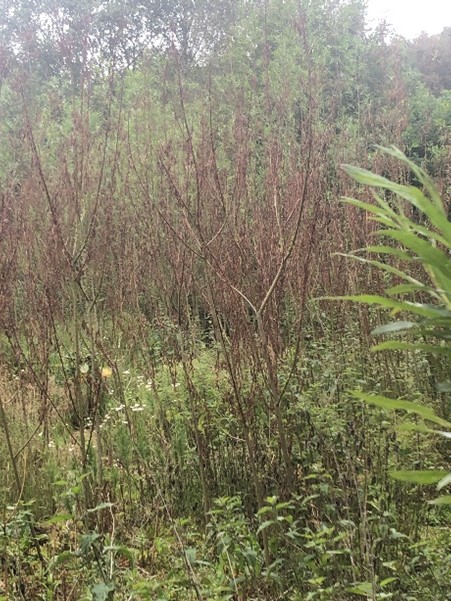
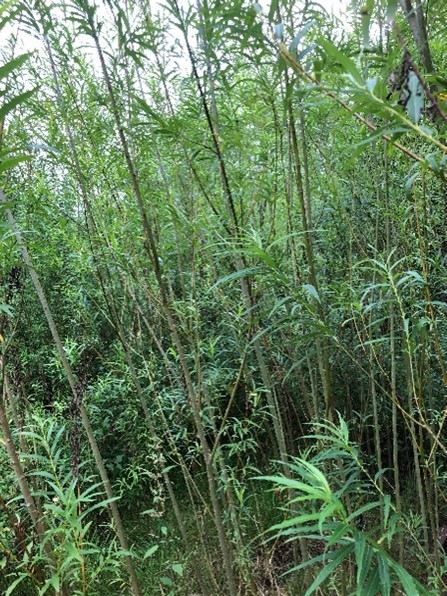
The lack of rain and elevated temperatures which are expected at this time of the year would normally make the tar hold together and vent via the willows. The tar surface though has changed noticeably and is no longer a sealed surface.
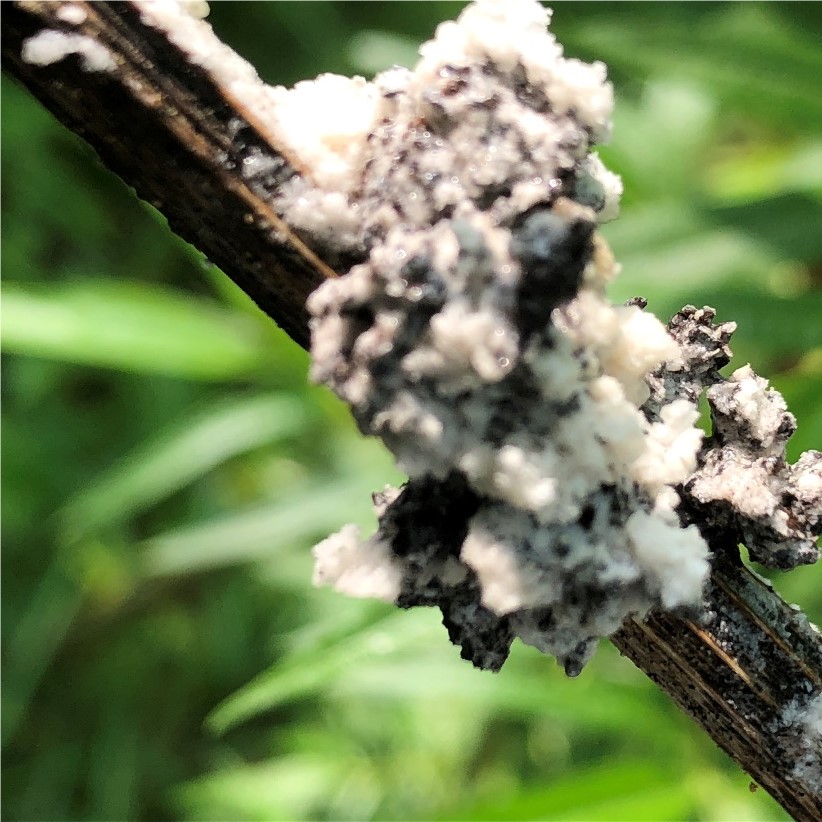
The whole area of the tar pit is home to new organisms such as slimes and moulds such as Tapioca mould (Brefeldia maxima), one of the largest single celled organisms. The vegetation across the site is now home to a wide selection of slugs and snails as well as habitat for a growing population of amphibians.
We planted several poplars on the site as an experiment, these for the first three years did not prosper well, but now have developed a vigour that would appear to be equalling the willows on parts of the site.
We have had to irrigate the site on two occasions during the summer when 202M was transported up from the acidic lagoon on each occasion.
The Acidic Lake.
We have been monitoring acidity levels in the water of the lake, at the same time studying the diversity of the insect life in and around its margins. A gate has been placed in the fencing and preparatory work undertaken for the proposed second phase of its remediation.
Tar Spill and Mine Shaft Drainage, Cinderhill.
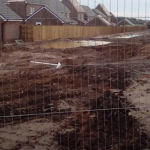
Work was carried out by Western Power to protect power cables running across ground close to the Tar Pit site. This work exposed a major area of spillage from the Tar Pit in the 1970s which has been unobservable up to this point. The issue has been raised with the Environment Agency who have contacted the local Authority. A meeting on site is proposed for September.
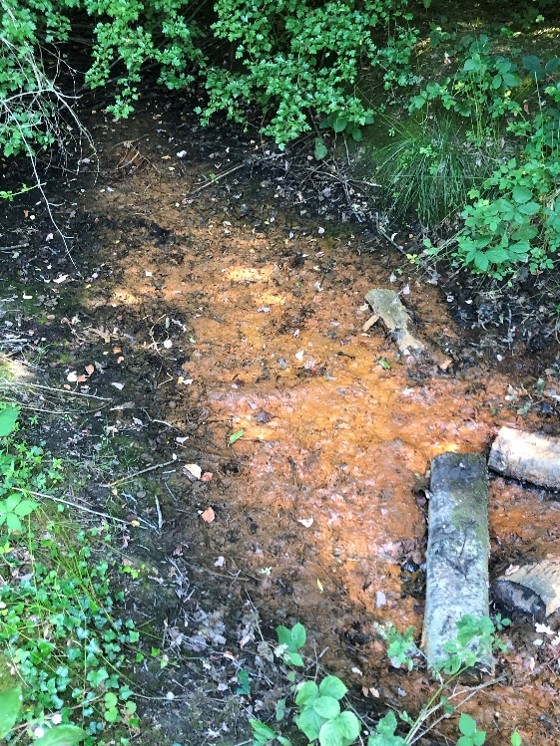
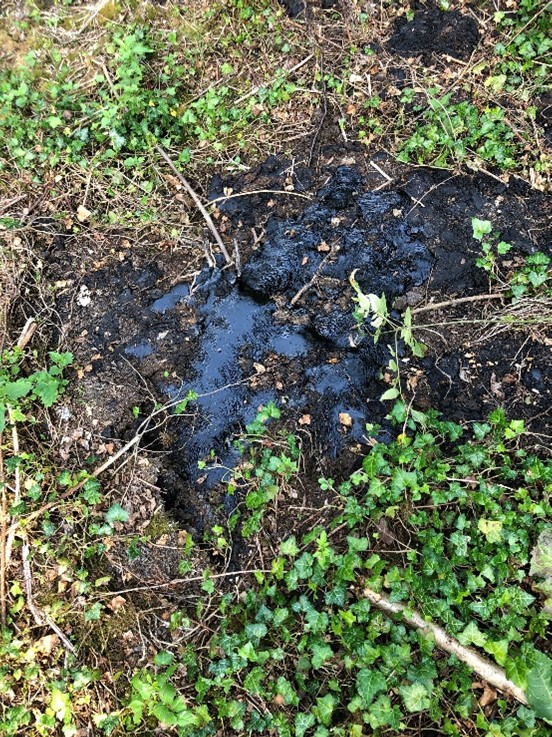
This ground clearance also exposed a possible coal mine shaft top which has been discharging ochrous water into ditches around its position. This will naturally be monitored and has been notified to the Coal Authority and the Environment Agency.
Cinderhill Visitors.
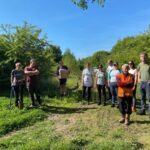
The site still attracts several new visitors from the Environment Agency as well as elsewhere. We have shown visitors around several times this summer and all have been delighted with what they saw. We have had visitors from the Wildlife Trust, Natural England, and Trent Rivers Trust.
Other Acid Tars.
1. Belper.
We are monitoring acid tar sites in the area around Belper, several of which are now registered as nature reserves. The sites are owned by Fuchs Lubricants. Others are on public land or bordering a public bridleway. The Environment Agency and local authority are uncertain of what they can do.
2. Chester.
The village of Hoole, on the outskirts of Chester has a large and complex acid tar lagoon that the local authority wishes to see remediated. This site is known as Hoole Bank and is controlled by the Environment Agency, though the contamination is registered under a Section II (a) order by the local authority.
Our involvement with Hoole Bank came via Sky News who have stated an interest in seeing the site use our methodology demonstrated at Cinderhill. Due to holidays and a presumption that the 1960s polluter might still rectify the site, also the belief that our method will sink into the tar (same vision as was said of the project at Cinderhill before work was carried out) the project is slow in developing. We are hoping that we may be asked to carry out a trial on this site soon.
Minewater Heat.
The Coal Authority have been publicising their successes with developing minewater as a resource. The publicity has spanned both the tabloids and the broadsheets. I hope we might have a chance to discuss the Trust’s involvement in some form in the future, but it seems a forlorn hope at present.
Lectures.
Our education remit has been well subscribed as ever with lectures and talks to universities and institutes in the US, India, Bangladesh, Australia, and the Philippines. We have helped several MSc students find doctoral placements in European universities.
River Glaven.
We will be starting a project on the River Glaven in the Autumn. We have carried out research into the river and the many issues that a chalk stream such as this have. There are many contradictory aspects, all depending on which angle you come from: Fishery, conservation, crayfish, Sea trout, salmon, anti-weir, or other flow disruption. We come from none of these!
Mining Regulations.
Middle Eastern State mining laws and regulation are being considered by a state. I have been asked to help by a major international consultancy to join their team if they are fortunate to gain the contract.
It would bring some valuable funding to the Trust.
Minewater from Isolated Coalfields.
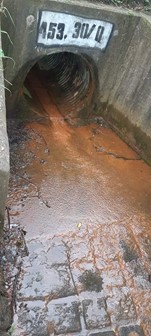
Just recently we have found some unrecorded minewater discharges from isolated coalfields beyond the edge of the eastern Derbyshire coalfield outcrop belt. These are fragments of that coalfield but stand away from it. They make up an interesting set of historic pollutions with some believed to have been running red with iron ochre for over 100 years. is an area that has not been studied in any depth and the pollution that is emerging from these sites eventually effect the water quality of the River Derwent.
Similar pollutions may be seen in the Yorkshire Pennines where isolated coalfields in Nidderdale, and Wensleydale near Masham and towards Richmond discharge iron rich waters.
Library.
The library cataloguing continues. It is an exceedingly long job.
Funding.
Funding is at present still suffering from Covid. We are though still able to keep up the present work plans.
I have set up a web site ( https://harveywoodart.co.uk/ ) based round my paintings and artwork. Sales from this web site will go towards the work of the Trust.
The Web Site.
The website continues to attract a large number of visitors. The first year of monitoring at the end of May showed 200,000 visits, this last quarter has seen over 100,000 visits and has shown a distinct turn down in visits during the month of August (holidays?). We keep writing useful pieces to aid better understanding of all water linked issues as well as our activities relating to our work. Thanks again to Noreen Shears for her work in maintaining the site and goading me to write more content.