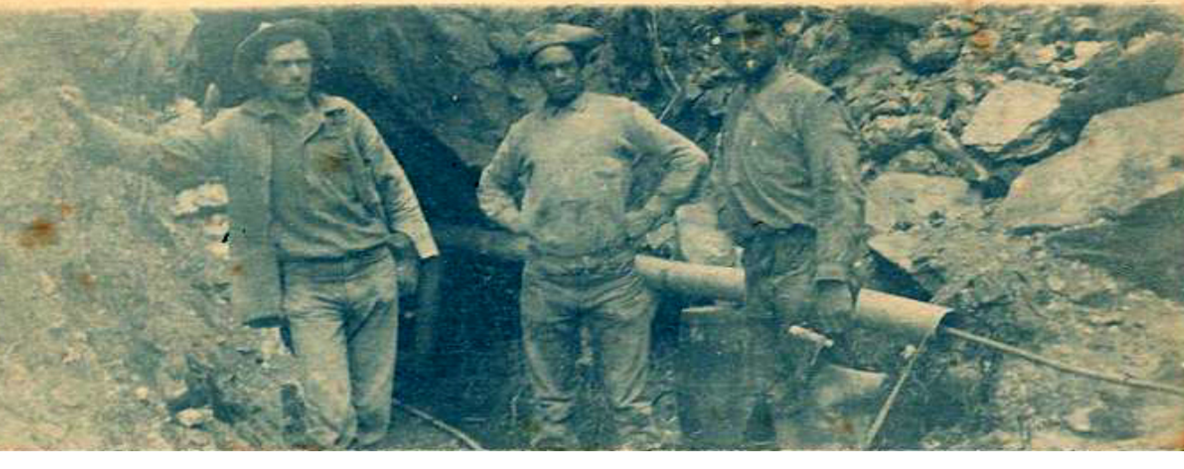
One of the oldest Californian gold mines has an interesting history, one of the few remaining mines from the Californian Goldrush of the 19th Century. The Sixteen-to-One Mine is the most prolific and famous mine in the Alleghany District. Known for its remarkable specimen-quality pockets of native gold, the mine has been in nearly continuous operation since its discovery in 1896. It has an even more interesting pollution record. Recently the US Environment Protection Agency have now given it a window of opportunity to clean up its unfriendly environmental discharges to the local water course, Kanaka Creek, a tributary of the Yuba, Feather, and Sacramento Rivers.
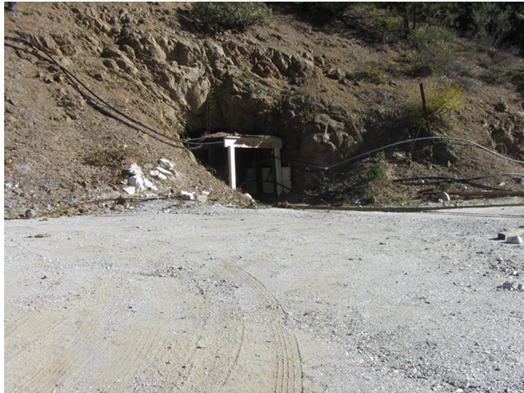
The Sixteen to One Mine has agreed to an Administrative Order on Consent requiring the mine to install a new treatment system that will remove pollutants from mine drainage before entering local waters. The mine was found to be in violation of its permit under the U.S. Clean Water Act after consistently discharging mine-influenced water that exceeded limits on pollutants.
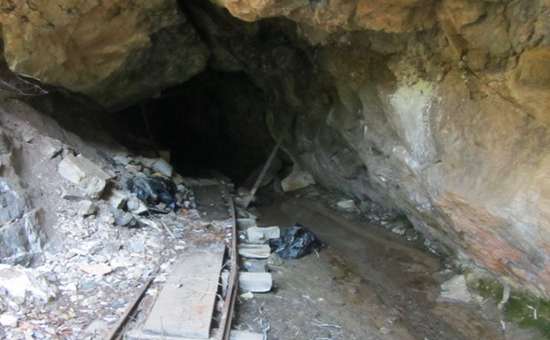
The agreement announced recently addresses elevated pollutant levels by requiring the mine to install a system to treat total suspended solids, antimony, arsenic, cadmium, copper, lead, nickel, and pH to levels at or below permit limits. The Sixteen to One Mine has agreed to submit sampling and treatment plans, install an approved water treatment technology, repair stormwater management features in disrepair, update its stormwater management plan, and apply for coverage under the California State-wide Industrial General Permit.
The Sixteen to One Mine has 220 days to complete this work. The facility will report sampling results to EPA for three years to demonstrate the treatment system’s effectiveness, ensure compliance with the permit, and protect the water quality of Kanaka Creek.