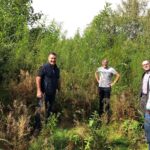
The last three months have been busy as usual, work has continued at Cinderhill, with other projects now developing from it. Much of this is exciting and allowing us to understand the complex natural processes we have put in motion at the site.
Cinderhill.

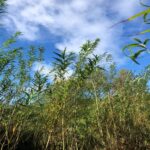
The research site, in its fourth year is looking very well. It has had visits from several interested parties, Environment Agency, Fuchs, Harworth amongst them. All are amazed by the remarkable growth of the willows.
The trees are now well fixed into the tar and doing their job of remediating the site.
A paper has been prepared for publication by MJ and should shortly be published.
Bacteria, Fungi and Algae.
Exciting laboratory work carried out at the University of Nottingham has identified a fungus on the tar, the first natural organism that can destroy PVCs. The breaking down of this, one of the most common of plastics is exciting news and even more so as it is our own fungi breaking down the acid tars at Cinderhill.
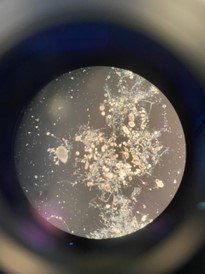
More work on this aspect of the tar pit project will get underway in mid-June.
The site is constantly throwing up surprises that should not be present. Ghost slugs, slime moulds,
Vandalism.
Our research site has been fortunate in not being subject to a recent outbreak of damage that has taken place on the fencing around the other tar pits below our site. Severn fence panels located as far away from easy access as is possible have been removed and cut up into small sections. It is a puzzle why this very well thought out and executed vandalism was carried out. Fuchs are having the panels replaced.
The Acid Lake.
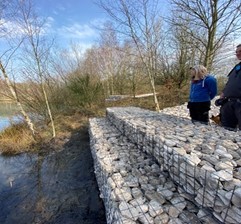
The tar entering the lake and causing its acidity has been pulled back and intered in limestone. Limestone gabions have been put in place where these tars entered the water so no further acidic material can enter the water.
This was a major engineering project that took a great deal of time and effort.
Hoole Bank.
We have had to contact the Weat Cheshire and Chester Council officers, it appears that funding is not available and they can not take us on site, as we have been told ‘that is in the gift of the Environment Agency’.
We are chasing the EA and the local councillor to pull this project back into play.
Other Tar Pits.
We are talking to Sky News to see if their definitive list of tar pits can be passed on to us. There are at least 8 other sites around Belper alone and they are not on this list but are of great interest to us.
Minewater.
We have been restarted research into wetland treatment of chloride rich minewaters. This treatment is amongst the most difficult areas to carry out as it is problematic to remove and hold them within reedbeds or other systems.
Trials.
We are continuing trials on willow and other carr woodland systems for chloride retention as well as metals. Copper in willows is still an amazement to me as they are able to take up up to 25+% of dry weight. These trials are carried out being always aware of Robert Hedin’s enthusiasm and sphagnum moss beds used for minewater treatment trials in the early 1960s.
Mining Law.
We have spent some time on mining law outlining project for a Middle Eastern country. We had been waiting for this project to start for some time. It was good to see it materialise. The project required an overview of all aspects of mining regulation as they stand for a mining venture setting up in the UK.
Once there are some finished briefs put together from what has been submitted to the consultants we should be editing the final documents.
Newark.
Newark Archaeology.
The work we have aided regarding research by a group of local archaeologists into the sieges of Newark during the English Civil War are now starting to produce papers on their findings so far. The work is ground-breaking in that they have been able to identify far more than was thought possible. They have also been able to develop an understanding of the actions of the last siege which has been poorly understood previously.
Operation Otter.
A group of enthusiastic naturalists (led by one of the archaeologists above) have been studying otters in the Newark area for some years. We have been supporting their work. They are now developing an understanding of otter food sources and their feeding areas. The mixtures of foods are remarkably varied, and the different preferences of individual otters is now becoming apparent. Hunting/trapping of signal crayfish has also shown unusual otter behaviour. They hope to film this shortly.
Gassing Landfill Site.
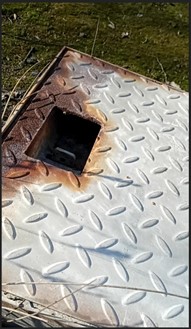
An old landfill site outside Newark was found to be neglected. Gas was escaping from boreholes and collection chambers about the site and were being lit periodically by children and others. After a year of pestering the local authority the site has been renovated with the gas collection system working properly.
Minewater Heat.
I note that a new book: ‘New Technologies in Building and Construction: Towards Sustainable Development’ has just been published which includes a chapter on minewater sourced heat, the lead authors were introduced to the idea by us in the 1990s. at that time they felt it could not work. Interesting to see if there is anything new.
Very pleased to share with you the link to our new book chapter:
Extracting Energy from Flooded Coal Mines for Heating and Air-Conditioning of Buildings: Opportunities and Challenges
by Professor Amin Al-Habaibeh, Bubaker Shakmak, Anup Athresh Keith Parker MBE and Omar Hamza
https://lnkd.in/eRxFazBN
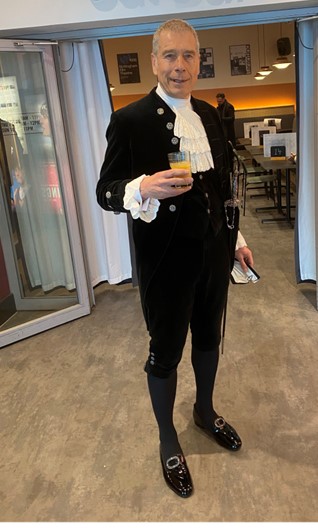
Paul Southby, High Sheriff of Nottinghamshire.
It was an honour to be invited to the creation of the new High Sheriff. It was even more so as Paul is the longest serving Trustee of Clean Rivers Trust.
Art Interest in Cinderhill.
We were contacted recently by Kevin Rouff and Alicja Biala, he ex RCA and she still at the Royal College. Their interests are outlined by the front page of their web site.
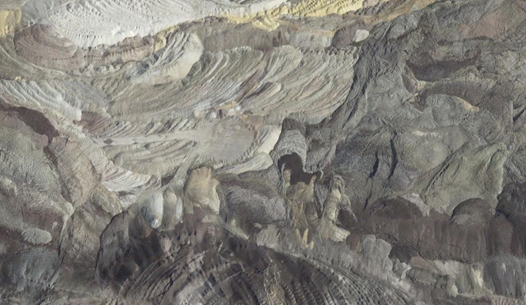
Studio ThusThat designs and makes with uncommon materials.
Right now we are exploring industrial wastes from mining and metallurgy.
Their Cinderhill interest is in acidic environments, a not impossible task for us to fulfil.
PCBs in Wales and the West of England.
The Reverend Paul Cauthorne keeps us informed of his ongoing campaigns regarding contaminations and his battles with the authorities to gain remedial works to be undertaken.
Funding.
The Trust is looking for further funds to move Cinderhill on further plus the widening of the research requires some more serious research funding so as to develop further the understanding of the natures of bacteria, fungi and algi present. The new requirements of the regulators particularly their wish for names and abilities of such organisms prior to any lifting of bans to the public.
I am pleased to be able to report that the Trust is still financially sound at this time.
Web Site.
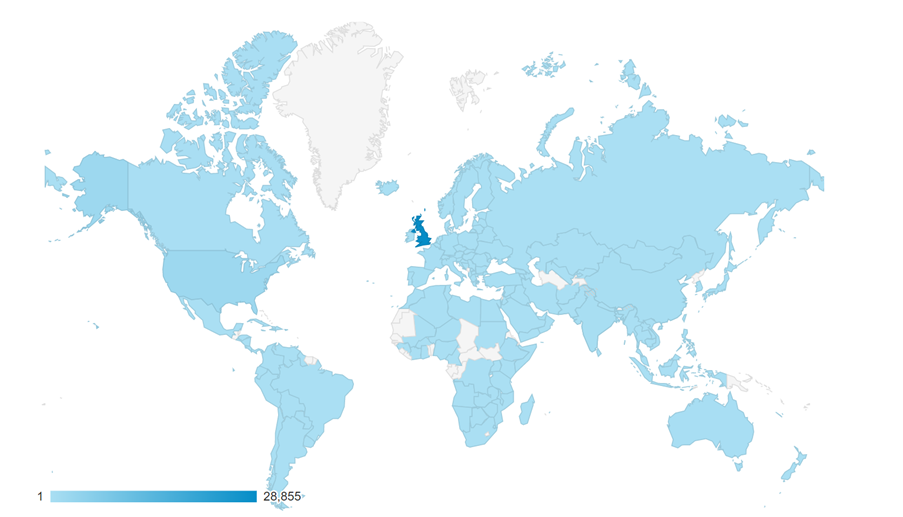
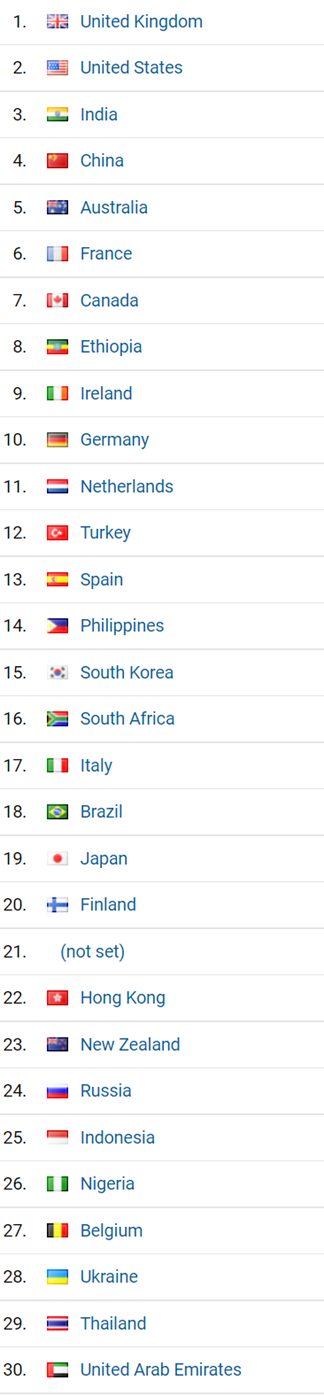
The last 12 months have seen over 290,000 visitors to our web site from 155 countries. The top 30 are appended and it is pleasing to note the diverse spread of visitors. The site is a useful educational tool that is found of value globally and not just in the UK.