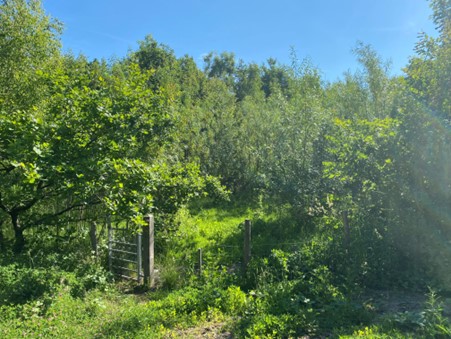
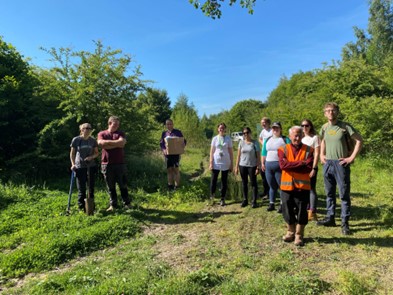
This week has been beautiful weather, so was perfect for a sampling visit by staff and students from the University. The research was focused on the bacteria, algae and fungi present on the site in detail. Last year a visit took place where some samples were taken, the results of which have been exciting. A plastic consumi9ng bacteria and a fungus that destroys PVC. The later is as yet an unknown form which appears not to be known or named at present. To help this work a large number of samples have been obtained from the site surface and up to a metre and a half down into the willows’ root systems now flourishing on the site.
Two willows that were dug from the tar demonstrated that the willow roots were embedded into the acidic tar showed that as the roots progress into the tar the organisms that they transport on them take the tar from pH0 to 1 to a much healthier pH6 to 7. The change was underscored by the ease of digging into the tars at depth and the presence of humus in the tar transported by a healthy and abundant worm population present within the willow root systems. The makeup of the material within the root tar mix included original compost and an abundance of leaf litter from the willows and other plants laid down on the surface over the last four years.

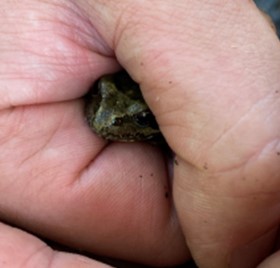
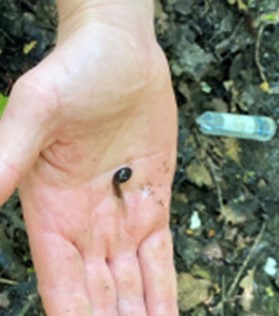
By the side of the tar pit is another tar pit site with a more neutral pH6. There were frogs present on part of this pit and a high density of tadpoles in standing water that has not drained away since winter.
The tars ars present in this area are populated by a range of algi and bacteria which thoughout the year are changing colour. The food chain of the organisms are complex with emulsions and possible symbiotic activity on this tar pit.
17th June 2022.