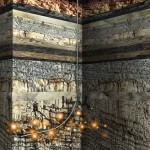
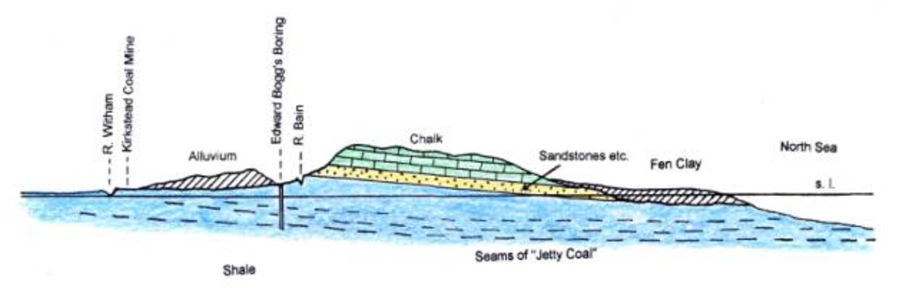
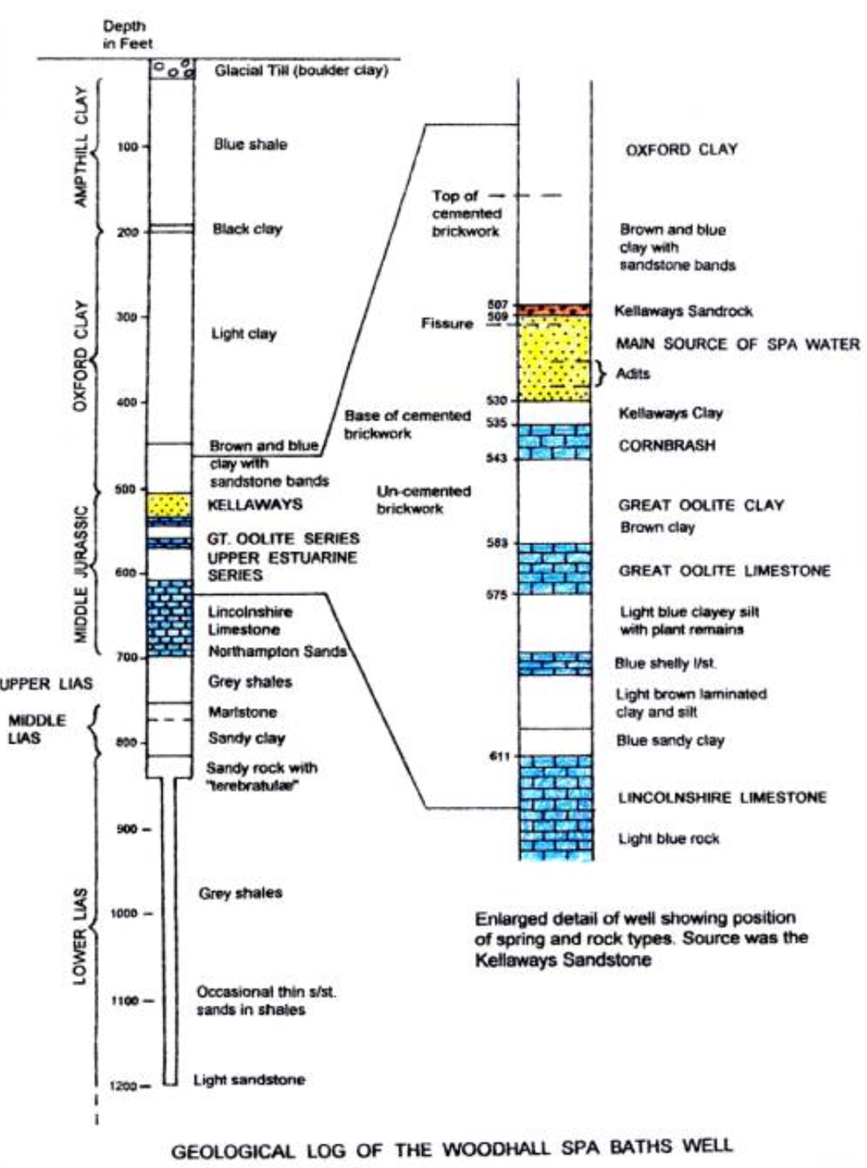
Up to the 1820s Woodhall was a small village in rural Lincolnshire, it was the middle of nowhere. That though changed firstly as a mine investor and a local landowner were led to believe that coal was winnable beneath land locally, a far better prospect financially than the unenclosed heathland that was a major part of the rural landscape of the area. The cereals that were grown locally were not fetching prices that would allow the local economy to flourish. The initial investigations to chase coal began in 1813 and ceased in 1823. The mine sinking had penetrated the sandstone aquifer at 510 feet and the shaft at closure of the failure in finding coal filled with water which overflowed to local streams and ditches.
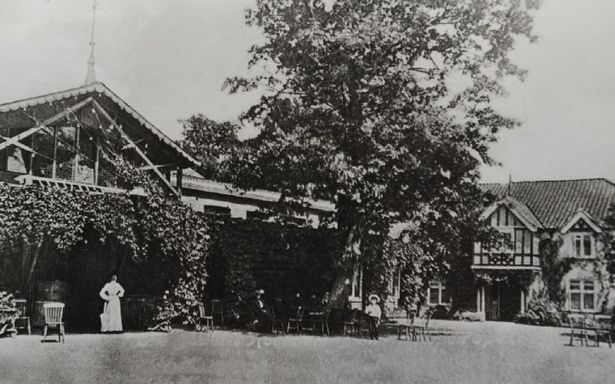
In 1829 the local landowner took an interest in the possible health benefits of the water coming from the shaft, and analysis showed it carried elevated amounts of iodine and bromine. A small spa building was built for treatment by immersion as well as drinking the water. The levels within the shaft diminishing due to the volumes being used for treatments developed by those operating the developing health tourism industry. At its inception after water declines a form of horse ginn was employed to power a felt belt down the shaft and return it, taking the wet belt through a pair of rollers. This mangle method continued for a number of years till a large investment took place in the 1880s that expanded the number of patients who could be treated. The new spa buildings had a steam driven pump.
With the expansion of the spa Woodhall Spa grew, hotels and a much increasing population. Its hay days lasted till the outbreak of the First World War in 1914. The spa continued operations through till the Second World War when the RAF took over the area, establishing a bomber station on the edge of the town, when hostilities ceased the spa was adapted for more modern medical uses such as muscle rehabilitation and other treatments. These went on till 1984 when the mineshaft collapsed due the oak banding within the shaft rotting and making the brick courses subsiding and causing the walls to spall. This action created a large sink hole to appear bringing the pumphouse chimney to fall along with the back wall of one of the main building walls to follow suit.
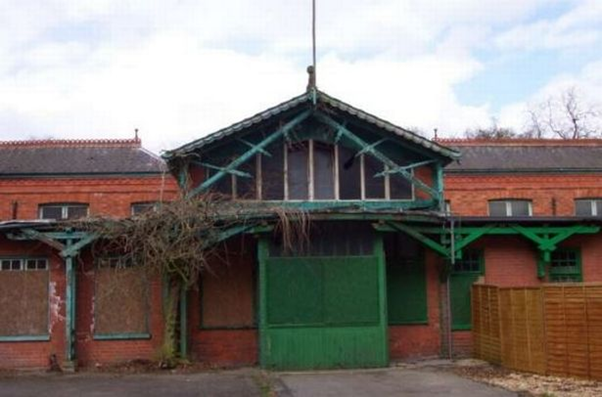
The building that gave Woodhall Spa its full name has lain derelict till very recently, when planning permissions had been given permission to rebuild the site.
A small spar, one of many located around the UK that have been lost, are these modern times the right time to see some return to work?
Ref.