January 2018

Clean Rivers Trust was invited to demonstrate a low cost, natural method of remediation for an old acid tar pit that was created in the 1970s. Our site was an old clay pit site that had been dug in the 10 or so years previously. The acid tar is the waste material or residue from the recycling of engine sump oils by the then Silkolene Lubricants factory in Belper, Derbyshire. Our research site was filled in the mid-1970s though other clay pits were filled earlier. Our site is one of six tar pits, all of which are extremely toxic, there are also areas which have spill deposits of acidic tar. There are also 3 lakes on the site. Two of these lakes are of great ecological importance to the area, their water and surrounds hold a rich and diverse flora and fauna: the other, known as the Middle Lagoon in 2018 was acidic (pH 3). The whole 26-acre site is recognised as ‘special contaminated land’ II(a).
The Trust before starting to consider remediation conducted research into the coal mine water drainage beneath the area, the site is on the outcrop of Derbyshire Nottinghamshire Coalfield. At least one economic coal seam outcropped on the site which is underlain by others that outcrop to the west of the site. The dip of the strata being west to east with a sharp easterly dip. Further research was conducted to see what impacts, if any, the site had to the local surface waters that enter the Bottle Brook, a tributary of the River Derwent, It was shown that the site is retentive of its water make from precipitation, though surface water does feed the 3 lakes on site. The Middle lagoon being adversely affected by acidic runoff from at least one and possibly two of the other tar pits. The research demonstrated that the acid tars were not influencing the waters within the flooded mineworkings.

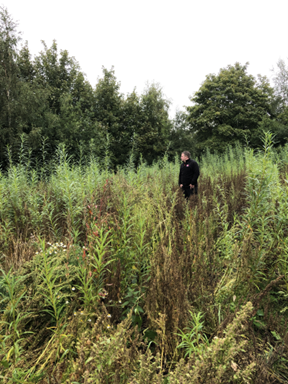
Such findings allowed us to put forward a scheme that would allow the tar pit to be restored by natural methods without fear that we may speed up any pollution that was passing out of the site. The entire site had not been affected by humans’ activity for nearly fifty years. Our trial site was the ‘worst’ of the tar disposal sites within the affected 26 acres. Nothing had been able to grow on the site since the acid tars were deposited into the clay pit. To achieve our goal to turn a black billiard table with the ability to kill any wildlife to become a sustainable biodiverse habitat at the same time decontaminating the ground, The revegetation started in June 2018.


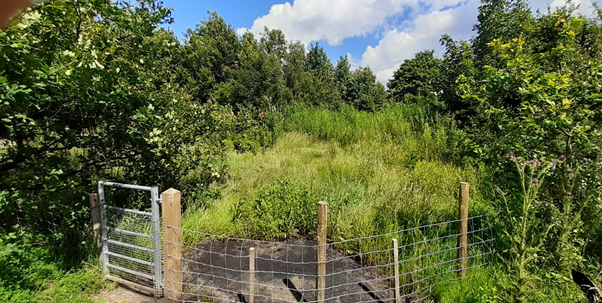
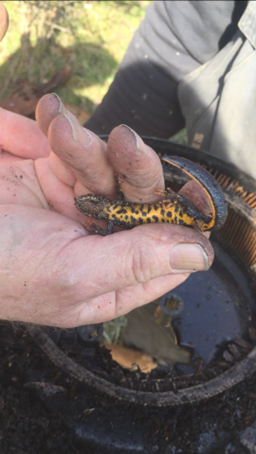
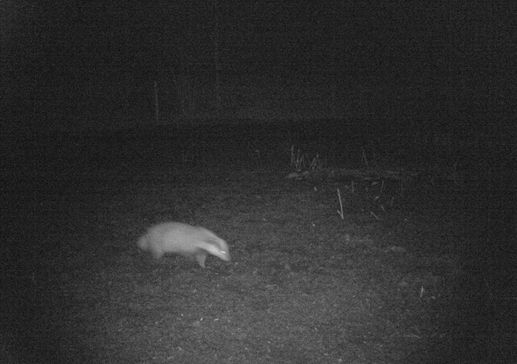
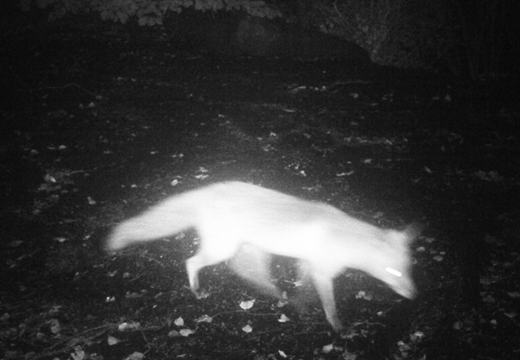

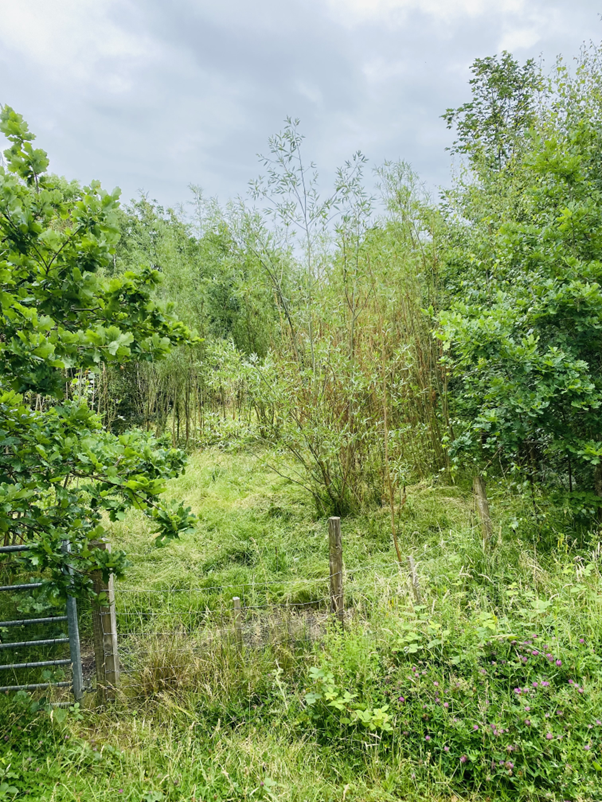
June 2023.