This tubeworm appears to not have originated in Australia. It is a non-native species to UK or European harbours. It is a major and developing menace to boats, and readily colonises on any submerged surface. This species has been found in the harbour at Whitehaven for around 10 years though there is evidence that it was present for more than 50 years to a lesser degree in the outer harbour. The water environment has change dramatically over recent years with the Harbour Authority and the marina company who have set out nearly 500 moorings on from pontoons. The harbour was greatly improved by the addition of a sea lock thus allowing the harbour.
It is known that this species of tubeworm prefers brackish water that normal seawater salinity. The inner harbour at Whitehaven is slightly diluted by the inflow of the Bransty Beck that enters the harbour via a culvert into the Victoria Dock at the North end of the harbour.
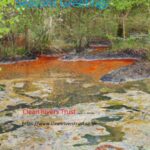
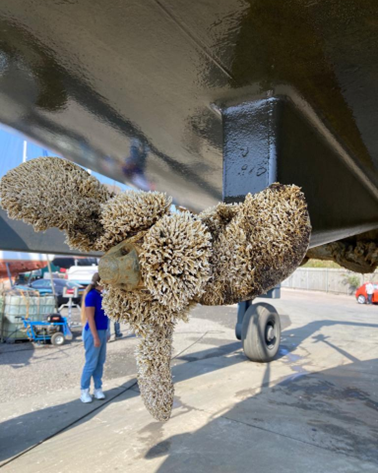
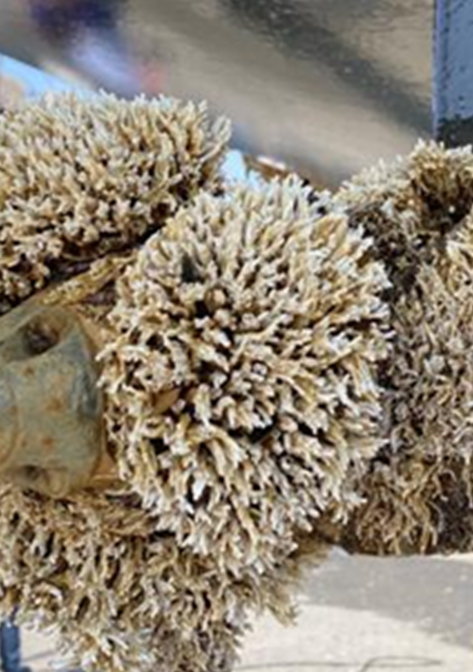
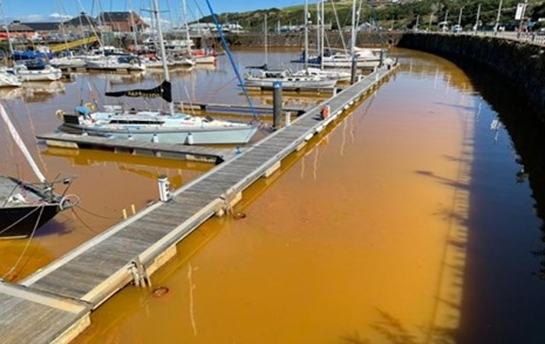
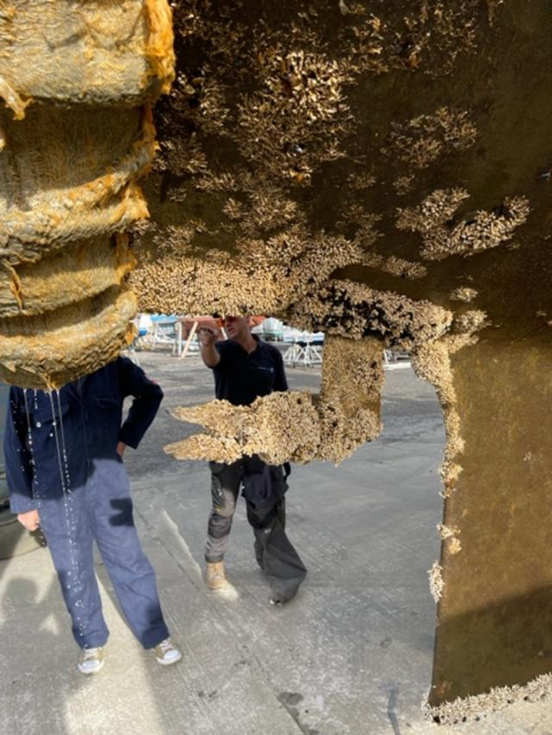
In November, the harbour suffered a major pollution of acidic mine water from old mineworkings discharging visa the Whitehaven railway tunnel into the Bransty Beck. The acidity and the metals were found to kill the tubeworms which dropped from the hulls of all the boats moored in the harbour. To attempt to mitigate the pollution the harbour authorities have used the harbour’s sea lock to flush the worst of the pollution out to sea, the ochre-coloured water and staining on boat hulls, harbour walls not giving the boating community or tourists an attractive view of a 18th century harbour. By so doing most of the boats outside of the Victoria Dock are now festooned again with these tube worm. The photographs show a yacht propeller that was cleaned with the rest of the hull in the second week of September 2023 (Photographs by Hue Price). The build-up of worm only taking a matter of weeks to reach this density. The worm also blocks drainage and can be a danger for vessels out of the harbour by damaging their engines and pump bilge water. The Victoria Dock is still free of the worm.
The Environment Agency took samples of the alien species in 2016 and stated to researchers at the time they would talk to boat owners and the harbour authorities about the cleaning of hulls and eradication from the harbour. This never happened.
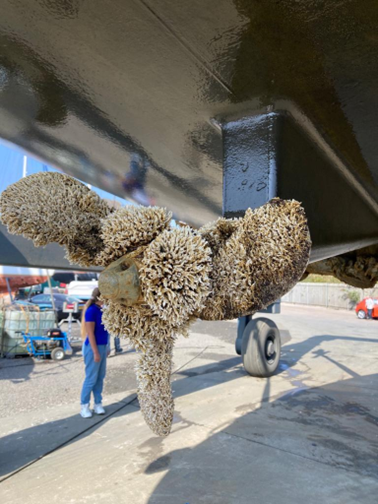
The cleaning of hulls of living entities is a subject that is growing in its own right. The worms are at present jet washed from hulls, though some growths do need scrappers and hammers to be removed. The destination of these crustacean being to landfill in most instances.
As part of a larger project on river and estuarine alien species the Trust will be monitoring other alien species across England as well as the tubeworm in Whitehaven Harbour.