Using Knowledge and Nature To Clean Up Our Mess.
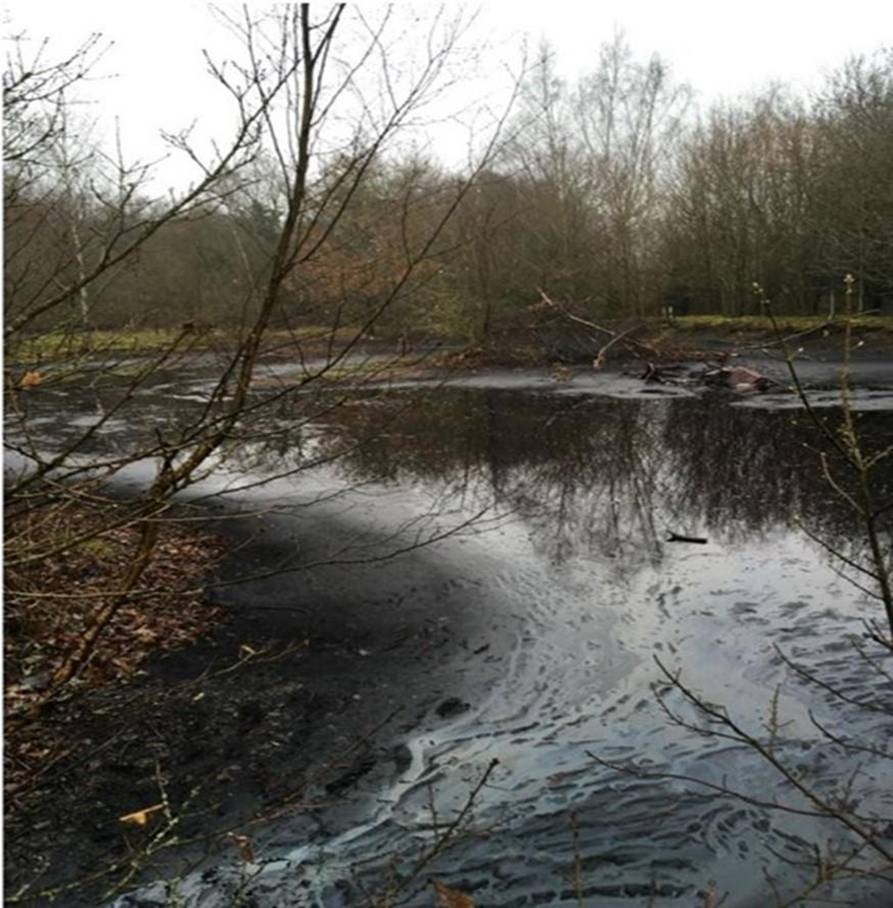
2018
Introduction.
Clean Rivers Trust has been working to clean up pollutions wherever they may be for more than 35 years. We look to use methods that are sustainable, cost effective and where possible natural. Over the years we have pioneered wetlands and reedbed methods for many pollutants as well as being the first to put forward the use of multi section carr systems for both complex waste streams or both primary as well as tertiary treatments in single or multi bed systems.
We work with industry, these have included many the major chemical, pharmaceutical, brewing, food and mining companies. We work closely with academic institutions. These include Imperial College London, Nottingham, Nottingham Trent, Newcastle, John Moore Exeter, Glasgow and Camborne School of Mines. We have also worked with universities in Ethiopia, India, Bangladesh and Yemen. We have worked with national government departments including the MoD, DEFRA, and Home Office, also local government the breath and depth of the country. We also work local communities and individuals who see a problem and want to put it right.
We believe in citizen science and encourage people and groups to take responsibility to clean up their local area including waterways and even contaminated land. It often is the only way for sites to be restored in a timely fashion. These projects can and are achieved with care and are safely accomplished without huge funding need.
Over the last 35 years industry has changed, and many companies now are more open to fixing issues that in the past were either overlooked or, to be honest, hidden. The tackling of contamination is an accepted role for responsible industry to take on. This is often the reason that we find our services in demand.
The use of waste streams or parts there of as recyclable resources has always been a major part of our ethos along side the desire to find ways to destroy contaminants that usually are hugely expensive to eradicate. The moving of contamination from one site to another, which is still done should not be countenanced.
Natural Methods.
Today we are still finding out how the various elements of soil work, but there is a good understanding that allows much to be achieved. The use of natural methods allows for trees and other plants to aid bacteria and micro fungi to interact with contamination. This interaction breaks down the pollutants and allowing land to be used constructively..
Case Outlines.
We, with Camborne School of Mines, National Rivers Authority and their consultants conducted research conducted an eight + year study of the use of reedbeds and wetlands in treating the acidic water from the Wheel Jane tin mine pollution in 1991. We ensured that the plants were able to survive being planted in inert tailings. We investigated with others the specialist bacteria that appeared in the wetlands along with natural sites that had created themselves to cope with similar conditions else where in the southwest of England.
We worked with British Coal on wetland use to clean up minewater pumped from underground keeping the working mines from flooding. We developed floating reed beds with a water company for tertiary treatment of sewage and as part isolated house sewage schemes with a reed grower.
Bacteria and micro fungi communities are not rare anywhere in the world. Some conduct remedial work on sites such as in Derbyshire where we have shown how to remediate acid tar lagoons. We knew these organisms were there by the surface of the tar but with feeding of compost to their surface and planting willows to take oxygen to the bacteria acid tar interface via their roots the acid was neutralised, the tar broken down into a soil like compound. Today earth worms live in what was a deadly environment.
The knowledge of how remediation is conducted is better understood, the biodiversity of natural remediation is more specific and there is a greater surety of success. The greater range of pollutants that are able to be treated, such as PFAS (forever chemicals) are being addressed successfully.
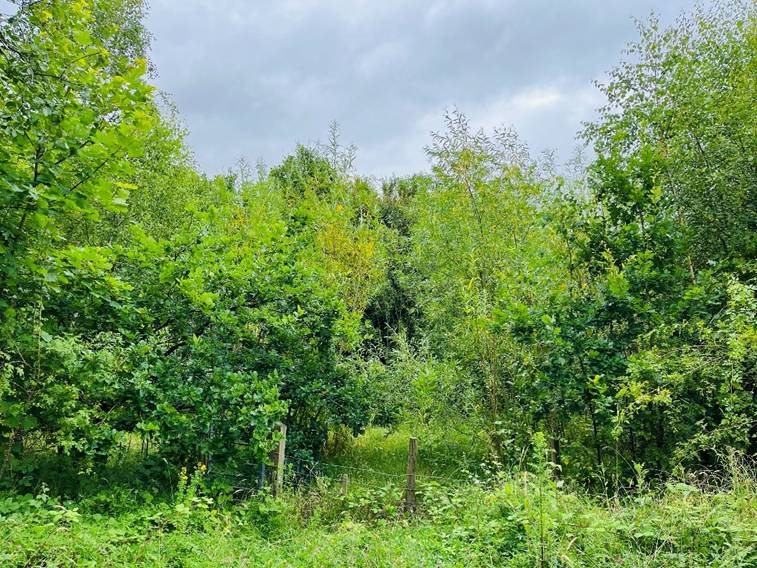
2025