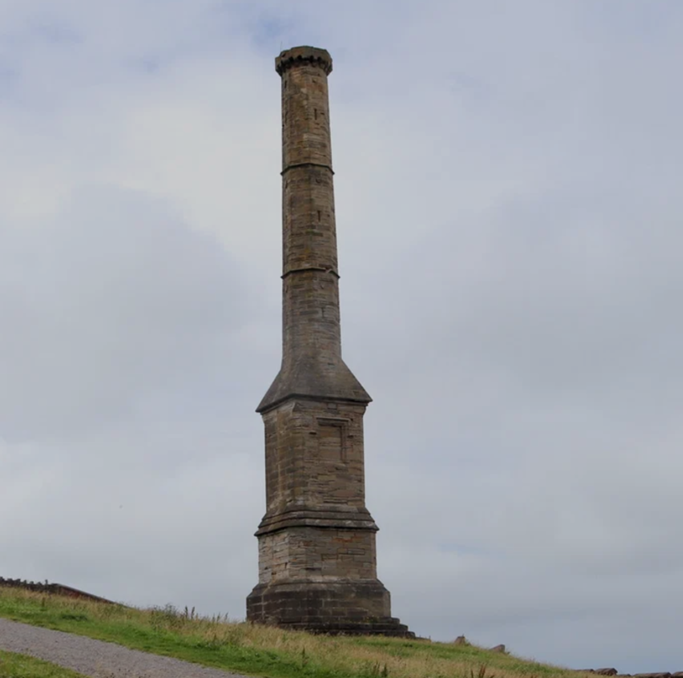
Candlestick Chimney, designed to ven mine gas from the coal mines in Whitehaven.
The tidal movement of gas in the historic coal mines of Whitehaven, Cumbria, refers to the rhythmic breathing effect where underground gases—primarily hazardous firedamp (methane)—are forced out of or drawn back into abandoned mine workings. Because many of Whitehaven’s massive collieries (like Haig Colliery and Wellington Pit) extend up to four miles out under the Irish Sea, their vast underground networks are uniquely susceptible to external pressure variations.
This movement is driven by two interconnected, cyclical natural phenomena:
1. Ocean Tide Compression (“The Piston Effect”)
As the heavy Atlantic tide rolls into the Solway Firth and over the undersea mine workings, the weight of the water creates immense hydrostatic pressure on the seabed.
- At High Tide: The rising sea exerts downward pressure, compressing the rock strata and the air pockets within the submerged mine voids. This acts like a giant piston, squeezing methane out of the deeper undersea seams and forcing it eastward toward the shore, venting out of old coastal shafts and inland mine entries.
- At Low Tide: As the water recedes, the pressure on the seabed relaxes. This allows the subterranean voids to expand slightly, drawing surface air back down into the shallow network of the mines.
2. Barometric and Atmospheric Breathing
The tidal rhythm of the gas is heavily amplified by changes in barometric (atmospheric) pressure. Mine systems act like giant barometers:
- Low-Pressure Weather (Depressions): When atmospheric pressure drops, the weight of the air on the earth’s surface decreases. This allows the high-pressure gas trapped in the sealed, unflooded mine “goafs” (abandoned spaces) to expand and actively flood into open workings, tunnels, or up to the surface. Historical records from Whitehaven show that fatal explosions frequently correlated with sudden drops in barometric pressure.
- High-Pressure Weather: Conversely, high atmospheric pressure keeps the methane contained, pushing it further back into the rock fractures and pores.
Environmental Impact and Legacy
Because the coal seams of West Cumbria are among the most gas-rich in Europe, Whitehaven has a centuries-long history of managing this volatile migration. Today, even though the pits are closed, this tidal breathing remains an environmental issue:
- Surface Venting: Uncapped mine entries still dynamically vent unknown volumes of potent greenhouse gases into the atmosphere.
- The Candlestick Chimney: To manage this safely, landmarks like the Wellington Pit Candlestick Chimney overlooking Whitehaven Harbour were engineered with specific piping to route and vent these migrating gases safely at high altitude.
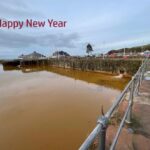
- Minewater Pollution: The rising and falling tides similarly impact how contaminated, acidic minewater is pushed through the nearby railway tunnels and into the harbour.
August 2026.