Taking Control II
Planning
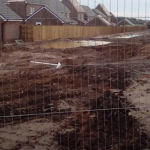
It has been brought to the attention of the Trust that there is a continuing problem with developing land with small waterways. It is not unusual for these water courses to be culverted and nearly forgotten about until some unexpected event happens, a dog goes missing in the culvert or worse a child. If the stream is left as a natural running ditch and not covered over; with back garden fences backing on to it the stream becomes the dumping ground for lawn mowings or vegetable waste from the gardens adjacent. Such activity is not good, it brings about fears of infestation by rodents and if the burn is not doing what people hope it will do; namely flush their rubbish downstream there is the chance the burn will become fouled and silt up thus threatening neighbourhoods with flooding and smell. Such waterways also do need management to allow for the protection from natural overgrowth of trees, nettles and rushes.
There are alternative ways of developing areas with burns that can demonstrate best practice in design whilst simultaneously taking the watercourse out of the shadows so that they can become community property; the added bonus of being part of the developments surface water drainage systems is an advantage.
Many new housing developments now address their rainwater drainage systems as centrally featured wetland reedbed systems with engineered areas of ground with swales and water storage not dissimilar to village ponds and developing them with planting that can be the central feature of the new communities.
This bringing of watercourses out from the background and to the fore is a Scottish Environmental Protection Agency objective and they have produced several publications on the subject in relation to sustainable urban drainage under their Habitat Enhancement Initiative. Their advice should be sought at an early stage with regard to new planning proposals. Similarly the local residents groups need to meet with developers who propose to build new developments to express their views and raise issues such as bringing burns to the fore as methods of both enhancing housing schemes and mitigating concerns of residents who already live with the burn running to the rear of their properties, such discussion may influence the new development to use the stream as a functional drainage route and community facility.

Sustainable Urban Drainage in Australia.
Residents groups should similarly meet with town council members and the planning officers of the local authority to express these views which in most instances will be warmly received and supported. The issues of housing development have to be an accepted part of all urban fringes as populations swell and homes are needed. The design of drainage as an asset is the issue that can allow for greater community pride with the subsequent decrease in litter issues.
The development of a sustainable drainage scheme can be as labour intensive or not as the community wish but it would need some attention periodically to stop it becoming overgrown and rank. The purpose of having it located with the burn flowing through will encourage wildlife interest and family involvement rather than the ‘usual few’ who always find themselves doing unpaid tasks.
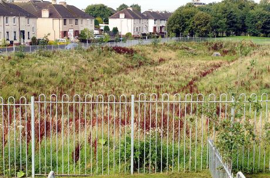
A Scottish Scheme.
The Trust thanks Mr Barry Cross of Kilmarnock for raising the issues of community engagement with regard to the smaller burns and streams of both Scotland and the rest of the UK as they are often overlooked.