Exciting times that is for sure! Clean Rivers Trust has work ready to get underway, in Derbyshire, Nottingham, Devon, Northumbria, North of the border in Scotland and elsewhere.
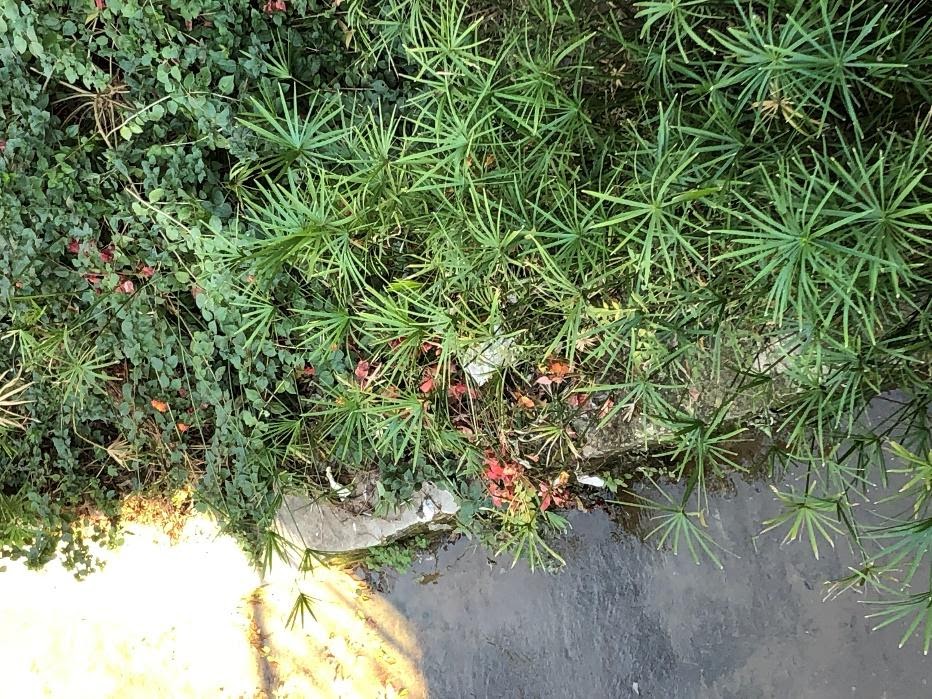
Papyrus growing by the edge of a poor-quality stream in Antalya. It is not planted but a vestigial plant from when the whole area was a remarkable marshland delta.
The brief interlude of snow flurries in England demonstrated that global warming is a fickle term and climate chaos rather than change can better describe and demonstrate the rise in global temperatures and their resultant effects.
I am writing this in Turkey, uncertain when we might return to the UK due to the Covid regulations changing and flights being cancelled. Hopefully, next week but in reality, it is anybody’s guess at the moment.
Here in the southern extremities of Turkey the mosques are offering up prayers for rain, the last few summers have been out of the ordinarily hot and the irrigation of crops has had to be intensified, the volume of supply of drinking water across the region has grown significantly to satisfy the growing urban population, industry and Tourism which is a key employer of the region.
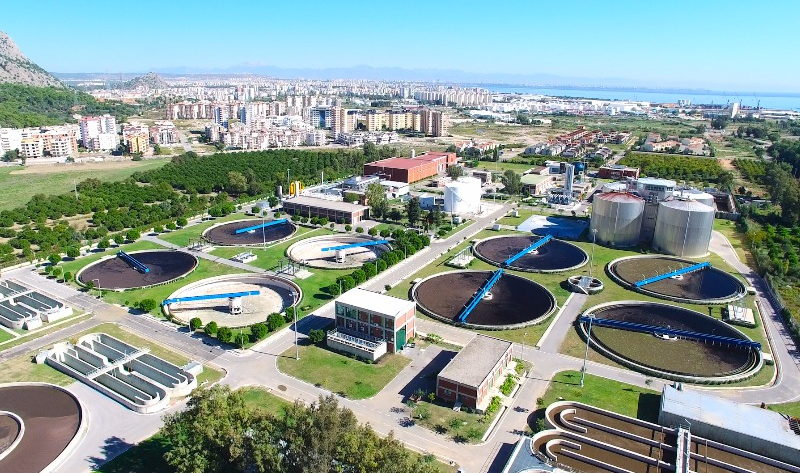
With the growth in water use in the increasing urban area, the growth in wastewater has also been significant. The municipality has done well to establish a modern treatment facility funded by the World Bank.

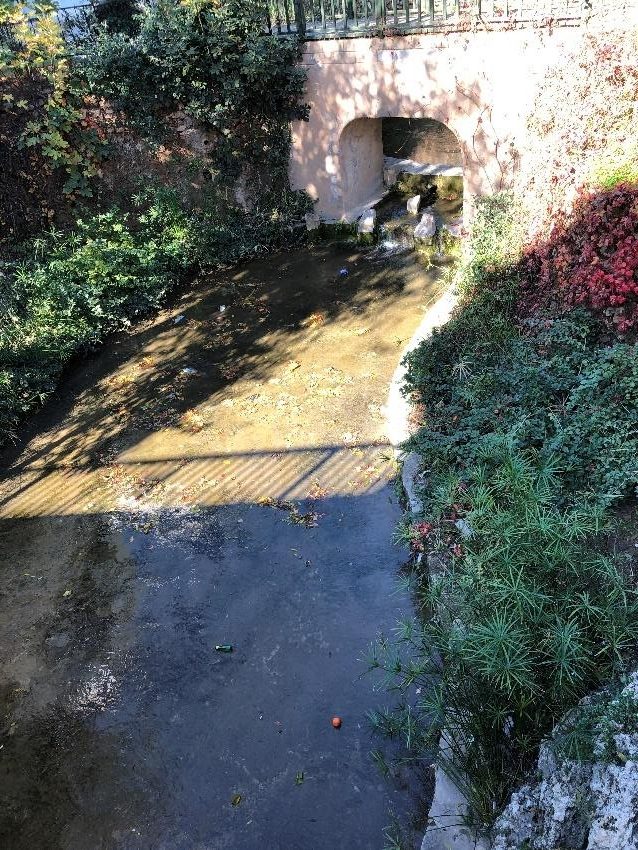
In Turkey and in the Antalya Municipality rain water and waste waters have to be segregated. The sewage is treated whilst the urban runoff goes direct to sea or to the several streams. Like all well made strategies the human mind often does not grasp this simple concept even at individual dwelling units. Cities in Turkey comprise large areas of multi-story flats that thankfully limit the land area taken up by houses and other low rise accommodation. The flats all are connected to two sets of drains but often the rainwater drainage system receives the wastewater from washing machines and dishwashers. Thus, the tainted rainwater entering rivers is not as pure as one might hope. Often the rivers and streams attest to this issue with the smell of detergents and decomposing foods wastes. This is not a purely Turkish problem and can be seen across the developed world.
Looking Forward.
Cinderhill.
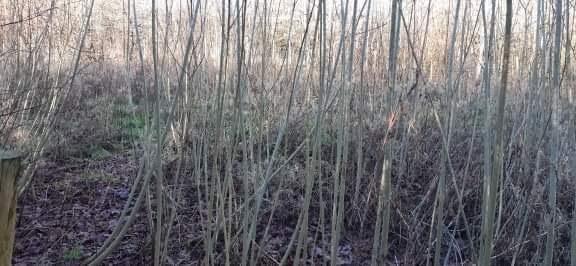
The work we have carried out over the last couple of years at Cinderhill will continue. The willows, even though it is winter have not stopped growing, many are now developing dense branch growth and the buds for the spring are developing well. Some look ready to break at the first sign of spring.
Though not able to visit at the moment being kept up to date by Sophie and Nathan who visit the site regularly.
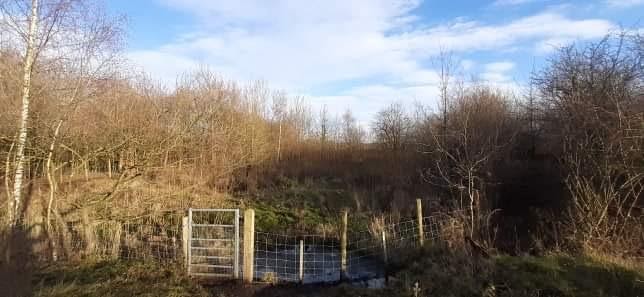
Denby Pottery
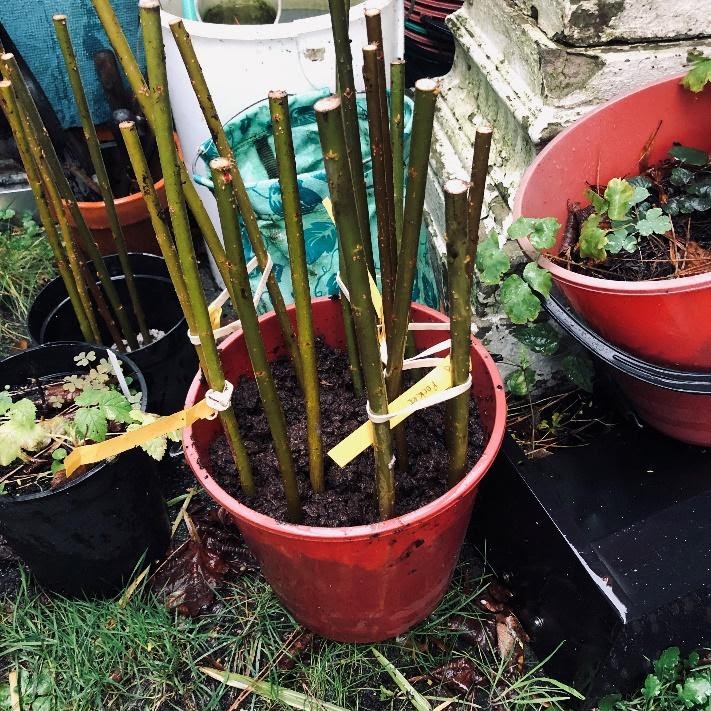
Trial planting of willows in glaze pit material with spent mushroom compost. Rooting well after only a couple of weeks.
We are booked in for the end of February to plant willows on the glaze pit at the pottery. It is an historic part of the pottery complex and once the willows establish it will make that part of the site much more attractive and be a great benefit to the local wildlife.