Press Briefing 14th May 2013.
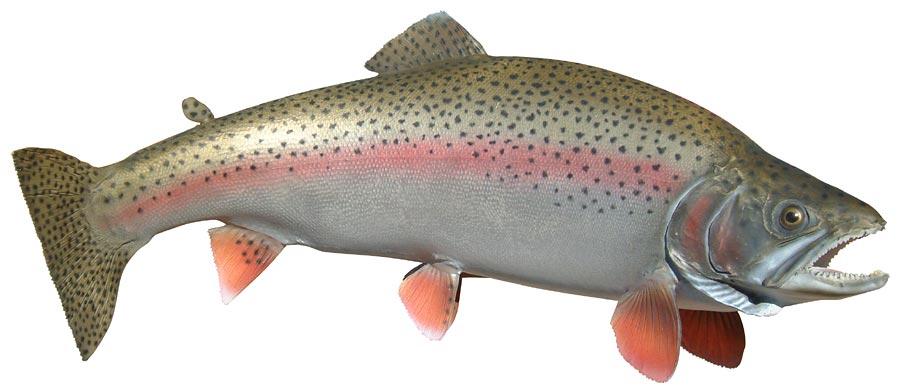
Twenty odd years ago the National Rivers Authority raised the issue of freshwater fish exhibiting signs of sex change or mutation; such fish were being found in several British rivers. Similar observations were also being made at the time across Europe, similarly in the United States and Canada. Such alterations in freshwater fish were not being identified in the headwaters of rivers but were prevalent below centres of population where outfalls from sewage treatment works were sited.
The initial belief of the regulator was that this was the result of 25 years of the pill being available to women as a method of birth control, this link to female health was further developed to include Hormone Replacement Therapy which further strengthened the case of therapeutic hormones passing through both the human and sewage treatment systems before entering into the rivers. The media took up this issue for, it may be considered, all the wrong reasons but gave the subject an initial airing which it continues to do every now and again when there are slow news days. The situation is little changed today, anglers; the people who handle fish more regularly than most are still reporting that a proportion of their catches; fish of several species that are manifesting pronounced signs of hermaphroditic development.
Beyond the research into sexual mutation carried out by the United States Environmental Protection Agency, United States Geological Survey and the river conservators of both the Potomac and Shenandoah rivers have established further concerns relating to endocrine disruptive materials; these include effects beyond the lowering of fish fecundity. These involve the lowering of tolerance of pollution and significantly lowered immunity to disease demonstrated by heightened mortality rates of fish on these rivers.
The considered source of this mutational contagion, by the Environment Agency, is now accepted as being a string of natural and synthetic steroid oestrogenic substance including oestradiol and ethinylestradiol. Both these specimen endocrine disrupting substances have been targeted as and used for marking for the whole set of related compounds that are chemically linked to the issues. These compounds include several agro-chemicals, aromatic hydrocarbons, plastics; all allied and related to the human lifestyles of today.
The inclusion of natural contaminants of oestrogen has not been altogether helpful in bringing the true sources of the problem to the fore as these have been shown, that of themselves, they have no deleterious effects on fisheries; the breakdown of vegetable cellulose from natural decomposition of waterside flora is a normal part of the cycle of river chemistry. This source is, if anything lessoning due to continuing urban development beside waterways and increasing bank side herbage management.
The majority of these chemicals are not toxic in themselves, but are in many instances bio accumulating; not unlike DDT based compounds which were commonly used in the 1950s and 60s, before being banned in the 1970s.
The UK water industry has commissioned research into oestrogen sources over the last 5 years and has come to understand the influents to their sites and the methodologies needed to substantially remove them from their effluents. The water companies though are concerned as to the methods of funding what are essentially a societal issue and not a statutorily prescriptive set of substances that need removing from the sewage treatment works discharges.
The trend in fish hermaphroditic development does not appear to be accelerating as effected fish numbers are apparently constant and still uncommon. The Environment Agency who has carried on monitoring the situation from the National Rivers Authority are now publicly less concerned and state that they are happy to leave the issue to ride with the development of pan European regulation under amendments being considered for inclusion in the rewriting of sections the European Water Framework Directive.
This relaxed attitude may though have the knock-on effects that may not just destroy the fisheries but the fauna that rely on sustainable fish populations to maintain their own dietary needs. This area of concern has as yet to be explored in any detail. The wider consequences for riverine ecosystems are, by the presence of such chemical imbalances, threatened by an even greater set of dangers.
The developments of a new list of proscribed compounds discharged from sewage treatment facilities will no doubt lead to major changes to the water companies’ investment plans over the next several periodic spending reviews, impacting on the charges to customers in the UK. The understanding of the Environment Agency is that specific treatments will cost ‘many billions of pounds’ the agency goes on to suggest the limiting of the source of the pollutions may be another method for consideration; though impossible to carry through without intrusive monitoring and control of the general public; their health, wellbeing and lifestyles.
The original concerns expressed over 20 years ago regarding depletion of fish stocks has, it is said, been shown ill founded; the Environment Agency are reassuring on this issue and state that ‘fish populations as a whole are generally resilient and can maintain good fisheries’. The agency’s staff Jon Gulson and Tony Heaney state that ‘decisions in Europe may help’ and that those in the agency ‘await events with interest’.
The Environment Agency was once a proactive entity that took the lead but which has now produced a briefing note that would signal there is a lack of conviction within the organisation and that nothing can be achieved by UK regulation and that the current situation is beyond its present ability to manage. The choice of words used in the briefing paper gives rise to concern for the future of the present regulator as a body with a mission to protect and enhance the water environment.
The reality, it would appear, is that the scope of the problem is larger, more urgent and has been growing in scale since the 1990s; the consequences for natural and human health and wellbeing are in question with the regulator finding itself outside its comfort zone; it has no one to blame, consequently no organisation can be required to fund the necessary work to begin such remediation that is needed.
Clean Rivers Trust is dedicated to living rivers and gives a voice to such concerns. There are new pathways developing with regard to endocrine disrupting formulations entering hitherto unpolluted environments; these include their use in large scale birth control of semi wild ponies on Dartmoor. Undoubtedly such actions are well meant and with the animals welfare at the heart of the scheme. The ponies are considered as an important, if not vital, element of the management of the moors ecosystems and their hormonal reconfiguration will need to be monitored before the practise develops to include larger numbers of mares and this method of pony management spreads to other locations such as Exmoor or elsewhere.
There is a need to develop the current understanding on this subject and its multifarious likely repercussions to the fluvial environment, those allied avian and terrestrial ecosystems and that of humans as well.
Dr Harvey Wood, Dip AD, FRSA, FRGS, FGS, FLS.
Director
Clean Rivers Trust
.