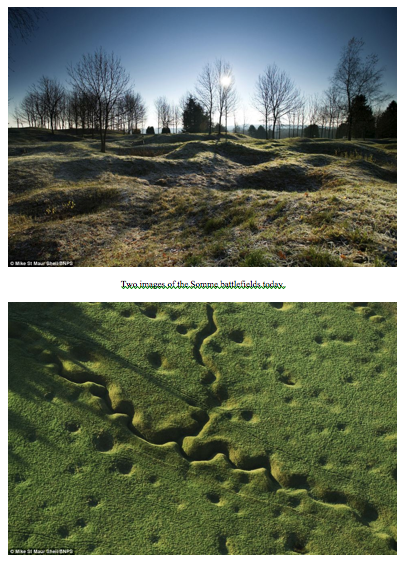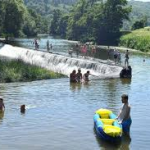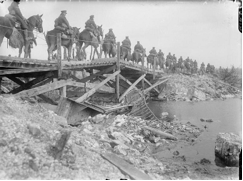
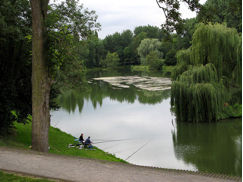
The River Somme near Peronne in 1917 and 2012 where the destruction is not visible at first glance but the trees are ornamental, hiding the scars that are still present.
The environmental damage to ecosystems was greatest in the confined areas of trench conflict, the narrow strips of land that stretched from the Belgium coast to the Vosges and the Swiss border in the Alps. The battlefields of the Aisne, Somme and the Marne, the Sambre-Oise, Nord and many other rivers and canals that go to make up this regions complex system of waterways; which became the only surface features in a landscape obliterated and made almost entirely unrecognisable by the shelling and constant fighting over this strip of land. Today the rivers have returned to being just part of the landscape.


In the disordered world of war no army wishes to have to cross a waterway under fire from the opposition, the numbers of casualties being always large; for this reason seldom were waterways frontally assaulted. Higher ground was always preferred for the lines of trenches so as to dominate and overlook your enemy who would be below you. Also to have your trenches by the rivers would mean that they would constantly be letting in water due to the high water table and flooding of the surrounding areas. Despite avoiding waterways; all too often the trenches were deep in mud and water due to the clay marls overlying the chalk not allowing the rain to drain away.
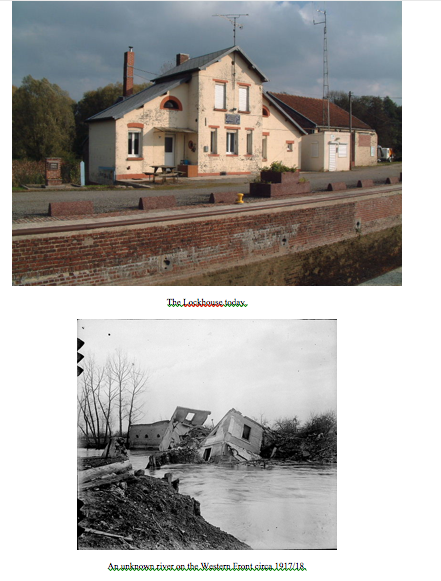
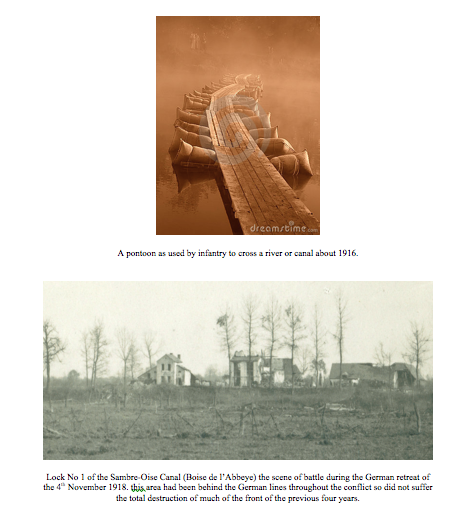
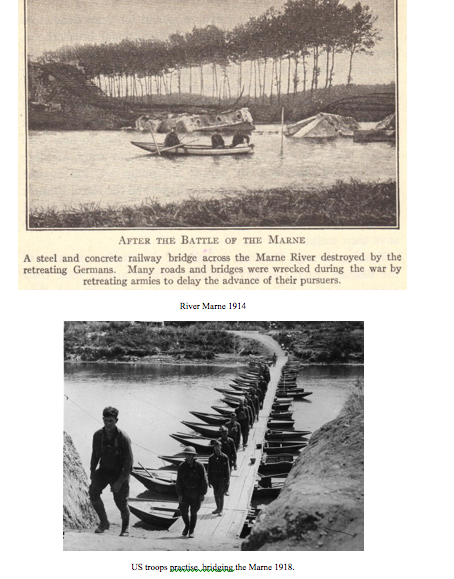
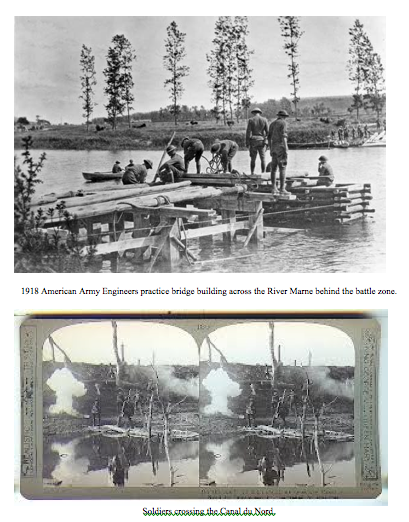
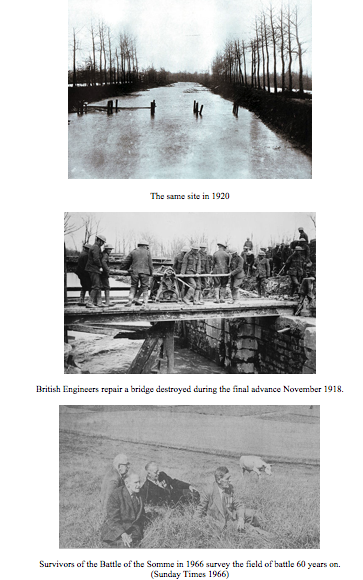
As the war ebbed and flowed the trench systems dug and redug across the landscape; troops advancing over ground they had known earlier in the conflict wondered at the resilience of nature, the battlefields once mud had soon grown a shroud of green that hid the full horror of what had been a churned morass.

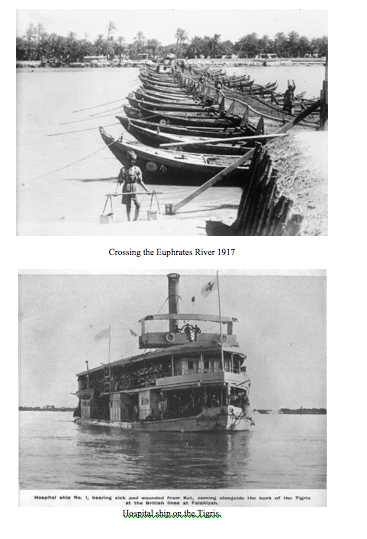
Rivers in other theatres of the war were also important in the execution of the combat that took place; those best known being the Euphrates and Tigris in Mesopotamia, the Jordan in Palestine. Other sites of the conflict were in Africa, Italy and the Balkans including Salonika.

Images of the waterways of the conflict are hard to find, but over the next while the web site will cover aspects of the war that continue to impact on the regions’ ecosystems after all this time.