Outline of Summer Activity and Issues.
The few months since the last Trustees meeting (2nd July) have been quite full with both research and other activity covering a wide area of our interests. These have involved several aspects of mining and water, nature conservation involving another invasive species of mollusc, invading wild boar wanting to cool off, power generation from low grade heat sources, water resource protection, also meeting new contacts and contact with old friends and locations.
Major Issues.
Mount Polley.
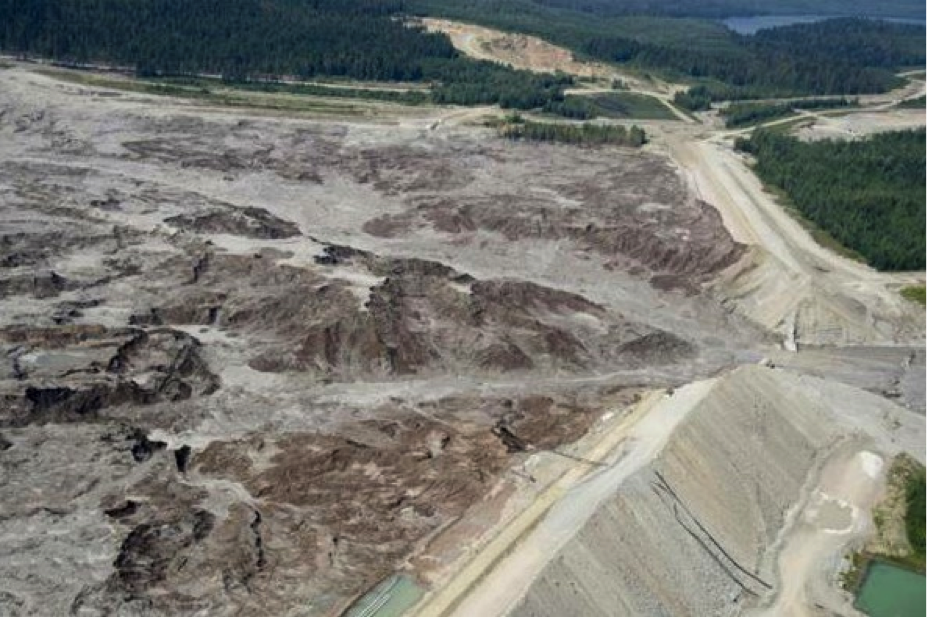
The Mount Polley tailings dam breached on 4th August; we became aware as we were contacted by people at the State Office of Mining British Columbia, Canada. They reported a major problem had begun! 4 million tons of slimes and 10 million tons of polluted water had escaped from an impoundment servicing a gold and copper mine and was coursing a major concern. 200 households had been told to stop taking water as it was being contaminated downstream of the mine. Thankfully no one had been injured or killed (this led to a lack of international interest in the UK press or other media though it is the biggest minewater spill in 30 years.
Thousands of acres of forest were destroyed and many miles of waterway and lake system have been damaged. The ecological impact is as yet uncertain; the salmon run is now underway with issues of the food chain, sea eagles, bears and other animals eating dead or contaminated fish, all the salmon die in this hike up river after mating but this year will the normal cadre make it to their spawning grounds? What effect will this have on future sock renewal into the future?
The reasons for this event have not as yet been ascertained but two major UK based consultancies are being investigate; they are among the few self-proclaimed international tailings dam expert panel. This group objected to us writing and publishing the book two years ago on these issues.
(Might increase sales?)
The reasons appear simple and brought about by the wish to save money by increasing dam capacity without a fundamental redesign and construction project.
The owner/operators (Imperial Metals Corp.) of the site appear rather too laid back, even blasé and say it will not be a problem, they will clean up the mess with a few million dollars and no harm will be seen to have been done. They see no fault linked to them. The Canadian Government are loath to rock the minerals boat at this fiscally still difficult time with metal mining invaluable to the local and national economies.
Romania.
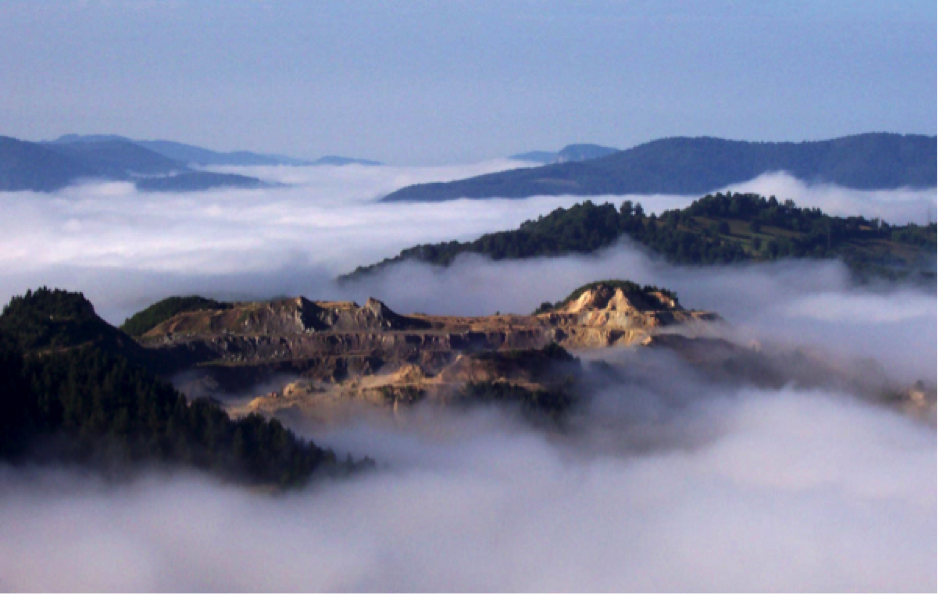
The Transylvanian Mountains of Romania have a fascination, the landscape geology and wildlife. The Trust has advised one small gold mine operation not far from the Rosa Montana Mine where Gabriel Resources are trying to reopen their mine, a site of a major tailing pollution incident. The wetland put in place to deal with waste water treatment is novel in that it is in-part designed to sit on a mined terraced face has been invaded by a family or more of wild boar who have now been deterred from their wallowing and feeding in the contaminated areas by the use of solar fed electric fencing and now new stock proof fencing for winter.
Yorkshire Reedbeds.
The Trust has had a grant to allow it to monitor diversity of fauna species development at some Coal Authority minewater treatment wetlands. The work has begun with very mixed results, the longest established at Woolley and Fender are proving to have established a reasonable cadre of birdlife, but the larger mammalian presence is not present due to the need to protect the treatment beds.
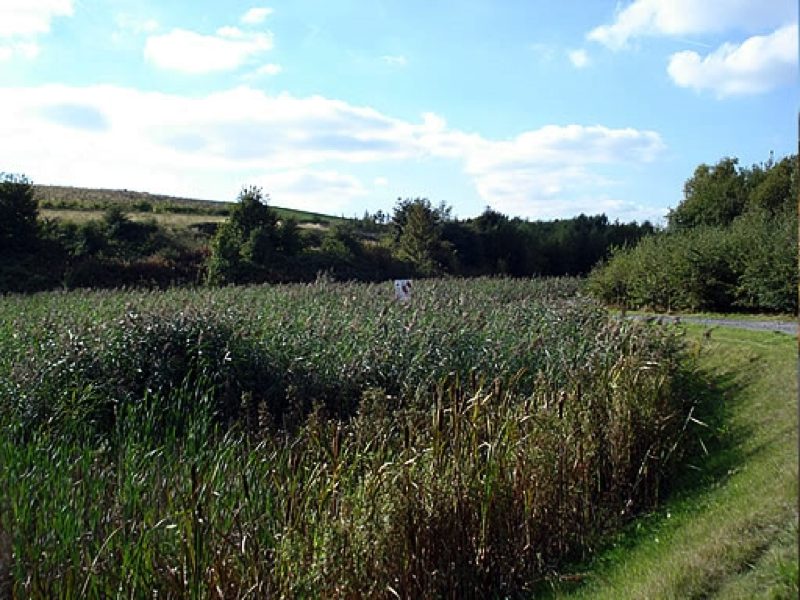
Fender Minewater Treatment Reedbed.
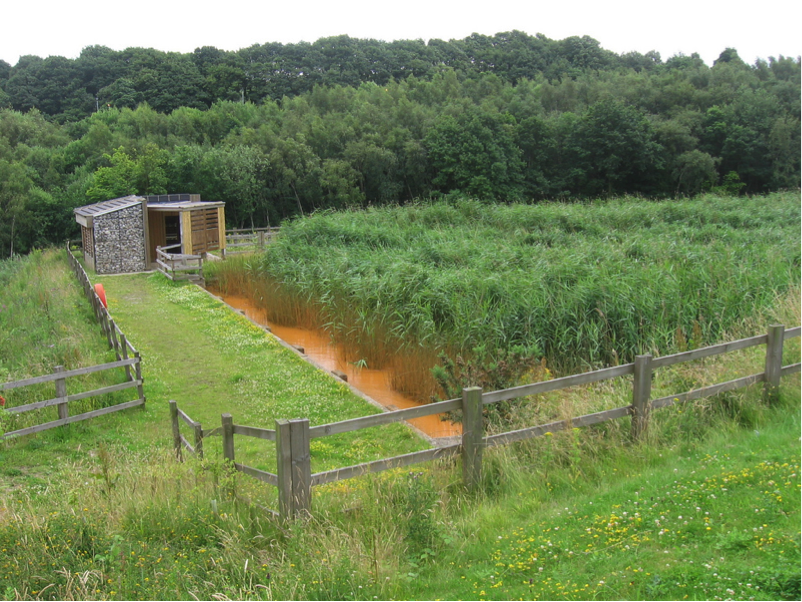
Caphouse (the National Mining Museum) is more problematic in that the public are admitted to the hide at times in large numbers. The reed warbler has been a regular sighting for the last two years and grasshopper warblers have been in evidence during spring this year.
Kent Wetlands.
The Kentish wetlands have not produced any more unusual birds but the bittern is still visiting the site near Chislet.
Ellington, Colliery Site, Northumberland.
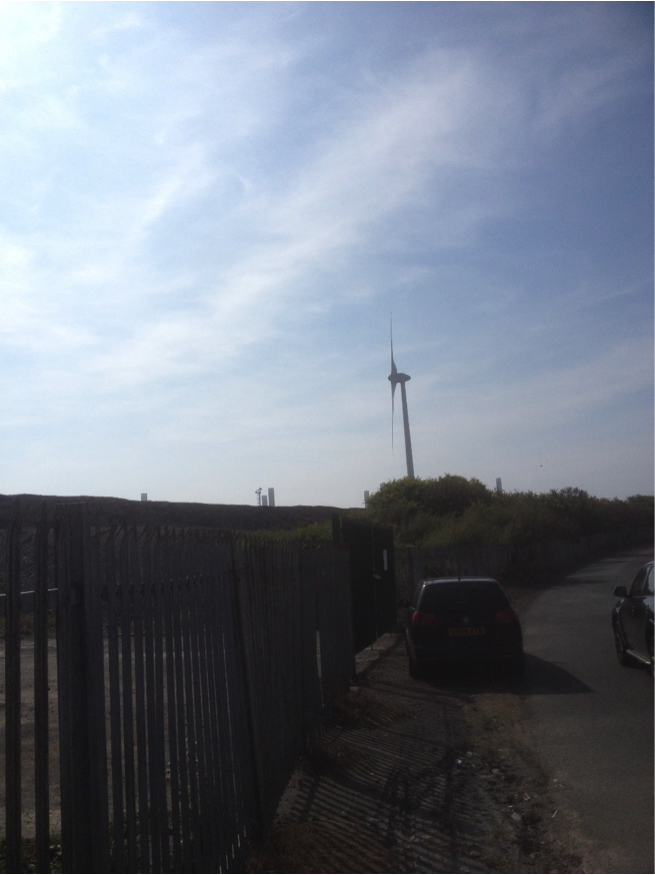
The Trust has been working with Harworth Estates, The Coal Authority and Northumberland County Council to develop the energy potential of the site to allow social and economic potential to be harnessed for the benefit all concerned.
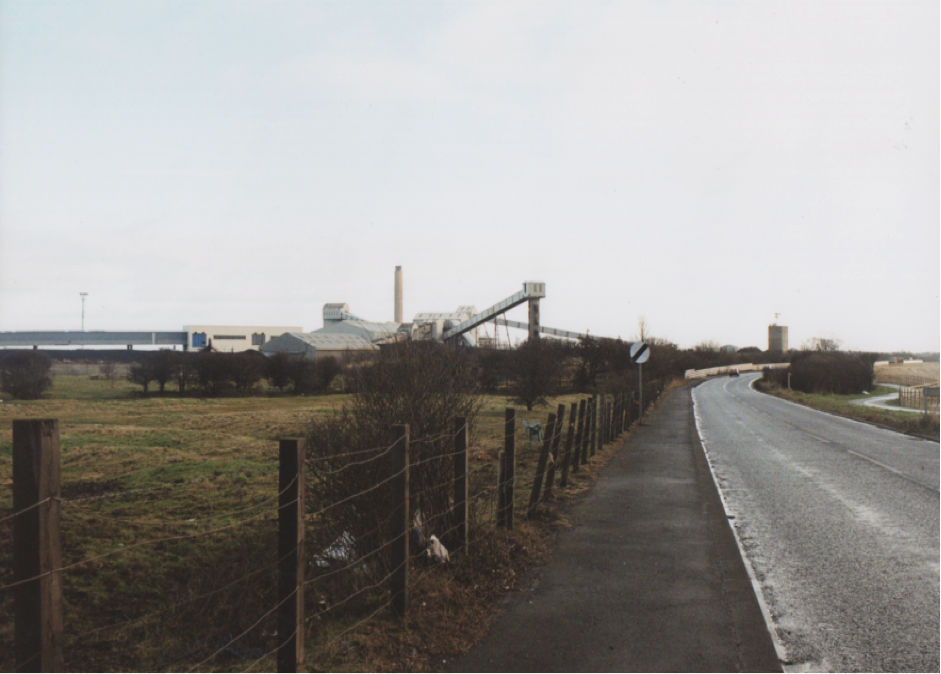
Ellington in January 2000 when we visited this North Eastern beauty spot last to consider the future of the mine/energy issue within the context of the new legislation that had come into play on the 1st of January.
The photograph below shows the same view but this September.
Glasgow 1.
Visited Star Refrigeration who now appear to be leading the pack in technical implementation of
Low grade heat to energy; especially since putting a scheme in place in Norway that has functioned well using chilly river/fiord water as their heat source.
Glasgow 2
As this is being written a day before it may be premature but CRT is attending the Energy from River Water seminar at Glasgow University on Wednesday 10. It is proving a popular event which was expecting around 40 attendees but now is catering for over 160.
Algeria.
The Trust has been looking at thermal springs in Algeria, the Atlas Mountains mirror the structure of the Italian Dolomites and have similar geothermal tendencies. The work was carried out with a contact at Nottingham University in view though nothing has come of it further as yet.
Screveton.
A village outside Newark which is having an energy project developed by Down to Zero has had the water potential of the parish considered by the Trust. There is potential for several non-energy projects, predominantly agricultural, that might be considered into the future.

The ‘listed’ pump at Screveton.
River Nar.
The Norfolk Rivers Trust has started work on bring the river to a more ‘natural’ condition; it has like many eastern England rivers been well used for mill and navigation as well as sewage disposal for centuries. The river in parts is receiving a well-intentioned makeover that will take place over the next few years and the Trust will be aiding where required.
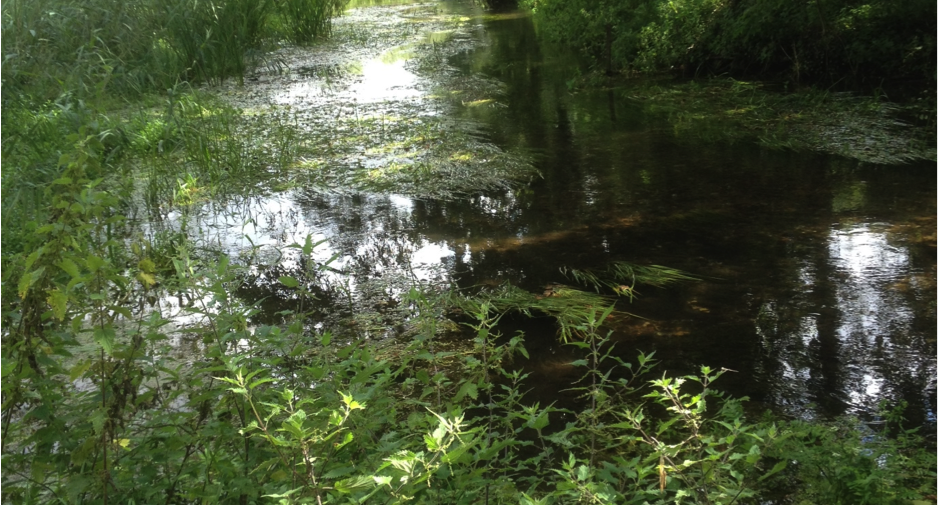
The River Nar at Castle Acre, Norfolk.
In Brief.
- Endocrine disrupter research by ourselves has led to some useful contacts on the US EPA, in Denver, they are preparing a short report that we will have sight of before the media manipulate it.
- Funding is satisfactory if not astounding, but we are keeping the Trust solvent and functioning well.
- The library has continued this quarter to grow by over 200 volumes and papers, including the flora of Asia minor, Isle de France, Algeria plus several volumes covering the geology of areas of the UK,
- The Quagga mussel is felt to be a threat to the freshwater ecology of the UK. It is native to Eastern Europe and has been found in cargo ship bilges in British ports and elsewhere around the country.
 Quagga Beware.
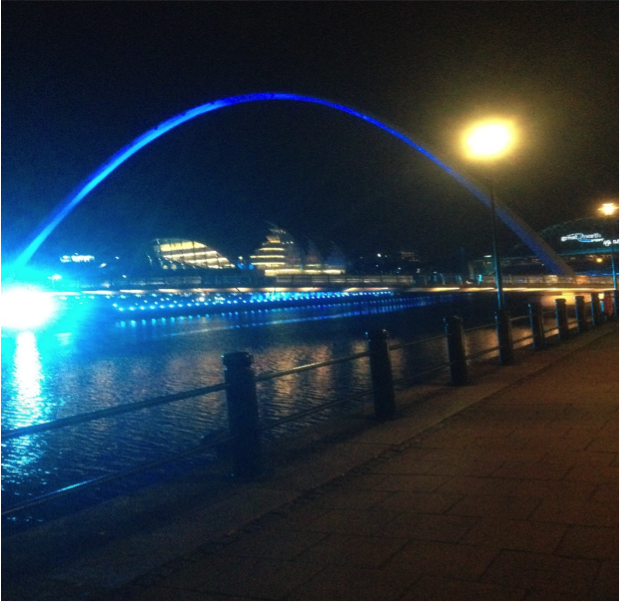
The River Tyne September 2014.