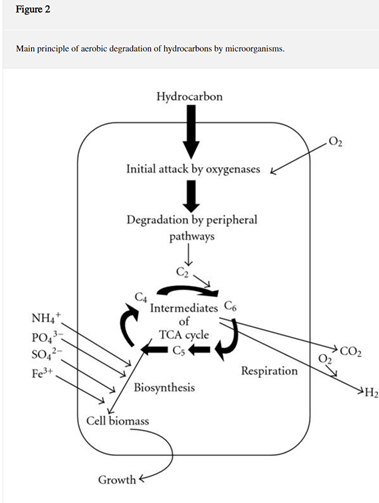
To breakdown hydrocarbons and certain carcinogenic material using bacteria seems somewhat farfetched. The billion or so bacteria that inhabit the earth are a near unknown part of life. Only about 0.001% have names and less are studied in any depth. They occur naturally and many have properties that are beyond credulity. Some are now known to deacidify materials and can repair themselves as they carry out the process, others have the ability to acidify materials.
The Trust is working with bacteria that naturally occur in an area of ground in Derbyshire, UK where acidic waste tar and acids were deposited over 40 years ago. The project has demonstrated that bacteria if nurtured and transported by root mechanisms could be passed into the acidic tars and break them down to harmless soils over time. This system as it travels within the acid tars breaking it down removes the carcinogenic properties of the material as the tars are acted upon by the bacteria.
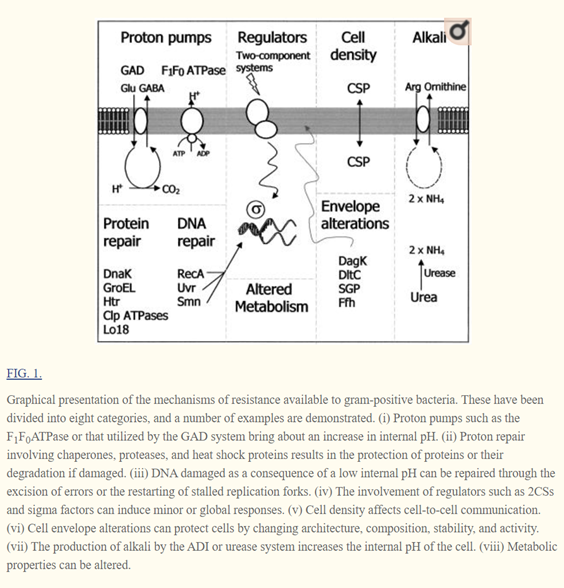
To breakdown hydrocarbons and certain carcinogenic material using bacteria seems somewhat farfetched. The billion or so bacteria that inhabit the earth are a near unknown part of life. Only about 0.001% have names and less are studied in any depth. They occur naturally and many have properties that are beyond credulity. Some are now known to deacidify materials and can repair themselves as they carry out the process, others have the ability to acidify materials.
The Trust is working with bacteria that naturally occur in an area of ground in Derbyshire, UK where acidic waste tar and acids were deposited over 40 years ago. The project has demonstrated that bacteria if nurtured and transported by root mechanisms could be passed into the acidic tars and break them down to harmless soils over time. This system as it travels within the acid tars breaking it down removes the carcinogenic properties of the material as the tars are acted upon by the bacteria.
The need of plants for nutrients at initial rooting has been supplied by the surface of the tar with spent mushroom compost. This material is rich in bacteria and mycelium which adds to the vigour of indigenous site bacteria.
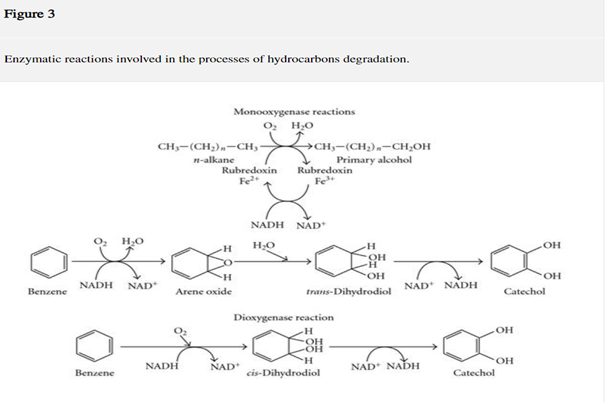
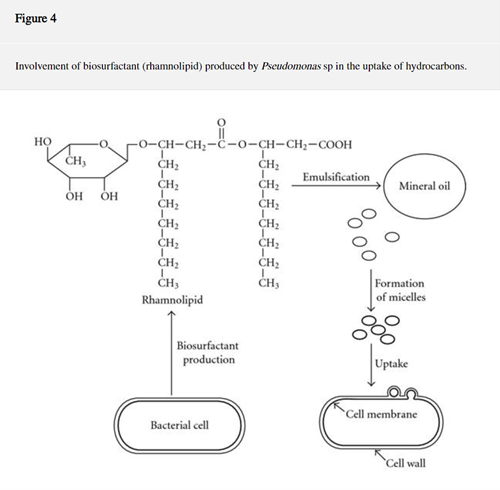
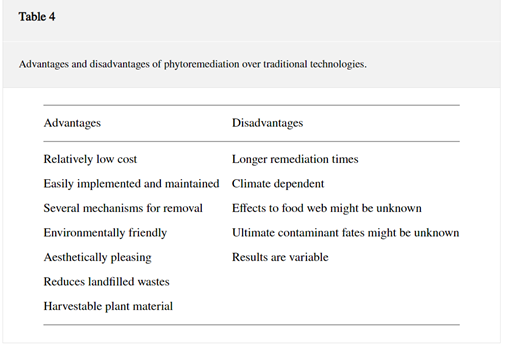
Table 5
Bacteria believed to be active in biodegradation of contaminants.
|
||||||||||||||||||||||||||||||||||||
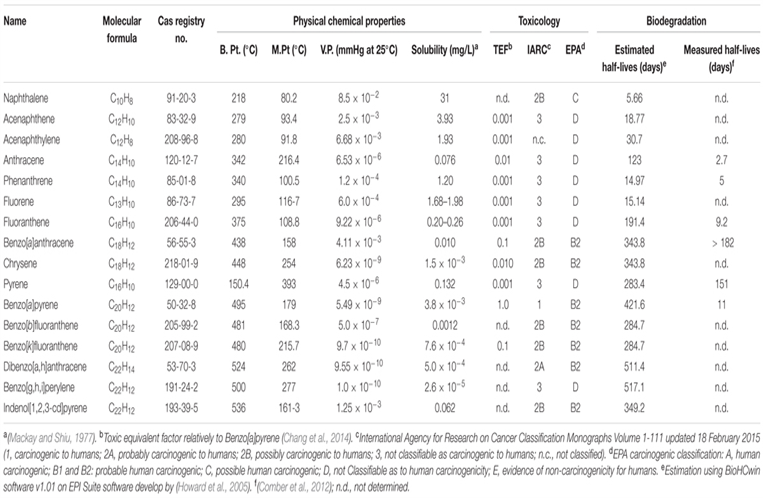
PaHs.
The list below are PaHs specified by the USEPA as of major concern.
The need for a planting amalgam was shown to be vital in trials and during preplanting observation. The rain runoff from the sight was shown to be highly acidic (1pH) and inhospitable for young root systems. The roots need to be able to develop a strength prior to entering the tar. The tough breakthrough of the roots into the tar surfaces had to be by forced entry, other areas of the tar had a fractured surface facilitating easier entry.
References.
https://www.hindawi.com/journals/btri/2011/941810/
https://www.caister.com/cimb/v/v40/25.pdf
https://pubmed.ncbi.nlm.nih.gov/15680626/
https://www.ncbi.nlm.nih.gov/pmc/articles/PMC193868/
https://www.frontiersin.org/articles/10.3389/fmicb.2016.01369/full