Introduction.
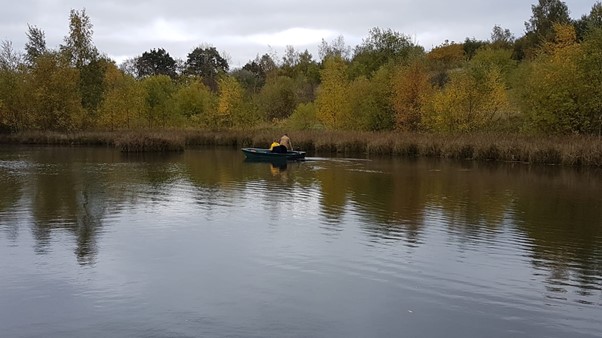
This lake was contaminated by acidic tars overspilling from an acid tar pit over a forty-year period. The site was used by the Belper based company in the 1970s to dispose of acidic tars, the waste resulting from recycling used engine oils to produce Silcolene lubricants. This lake was the result of clay and stone quarrying over the years between 1946 and 1975. The water within it is in part surface run off but it is also in continuity with the groundwater table which also feeds it.
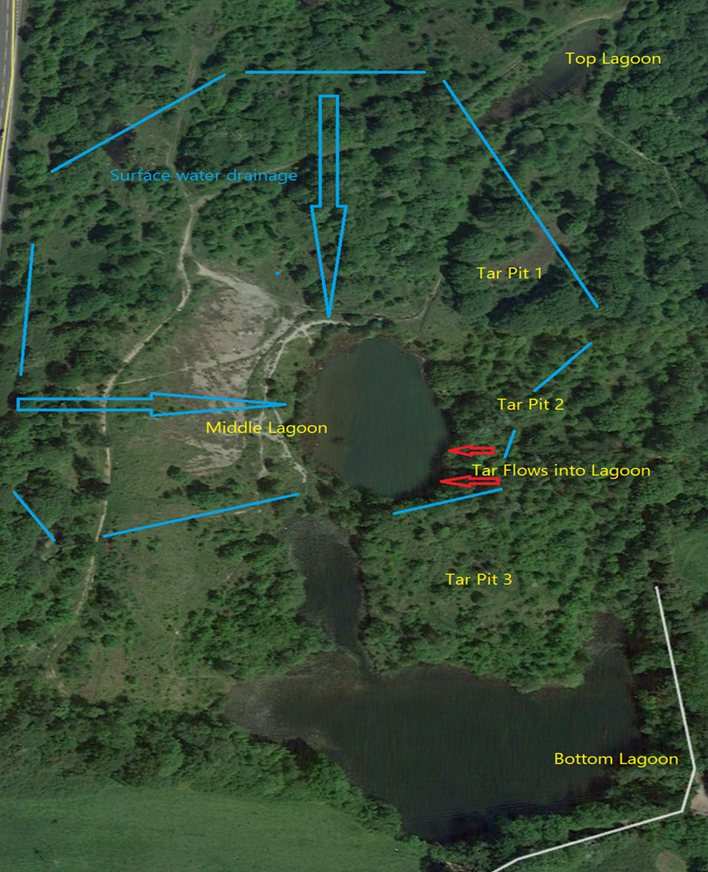
The water within the lake has been monitored over a three-year period. It and its surroundings have been studied as to its water quality, fauna, and flora. The lake water has been used as a source of supply for irrigation of the Trust’s trial phytoremediation of an acid tar pit which is situated close by.
The lake is adjacent to three acidic tar pits that lie immediately to its eastern shore. The central tar pit being the one that has caused the pollution of the lake. The Trust is planning to put the lake back to a sustainable water body during 2021.
Method.
The project and methodology are agreed with the Environment Agency and Natural England. It has been agreed that the work is to be carried out in late autumn and winter to ensure that the activities do not sister any vulnerable wildlife habitat. All activities will use the smallest possible machinery to carry out the works whilst allowing for as short a period of activity on site as is practicable. The work will involve:
1
- the excavation of trial trenches to see what tar movement, if any, is taking place below ground surface.
- Survey the lake, the extent of tar encroachment, ecological biota, flood control options.
2
- Excavate a suitable bed to place gabion baskets of limestone close to the water’s edge. These will be engineered to take the pressures foreseen being exerted by the tar pits to the east of the lake.
- Infill the prepared sites with the limestone filled gabion baskets and anchor in place.
- Back fill the ground behind the gabions with limestone and make good.
- Treat the lake water with Siltex, (proposed by the Environment Agency) to polish and bring clarity to the water. This needing to be the final activity of the project as it will remedy clouding of the lake coursed by limestone washout from the gabions.
3
- Continue surveys over spring/summer/autumn to establish a baseline ecology for future studies.
- Prepare plans for phytoremediation of Tar Pits 1,2 and 3.
- Prepare tar pit remediation methodologies for Tar Pit 1a and sites of historic acid spillages.
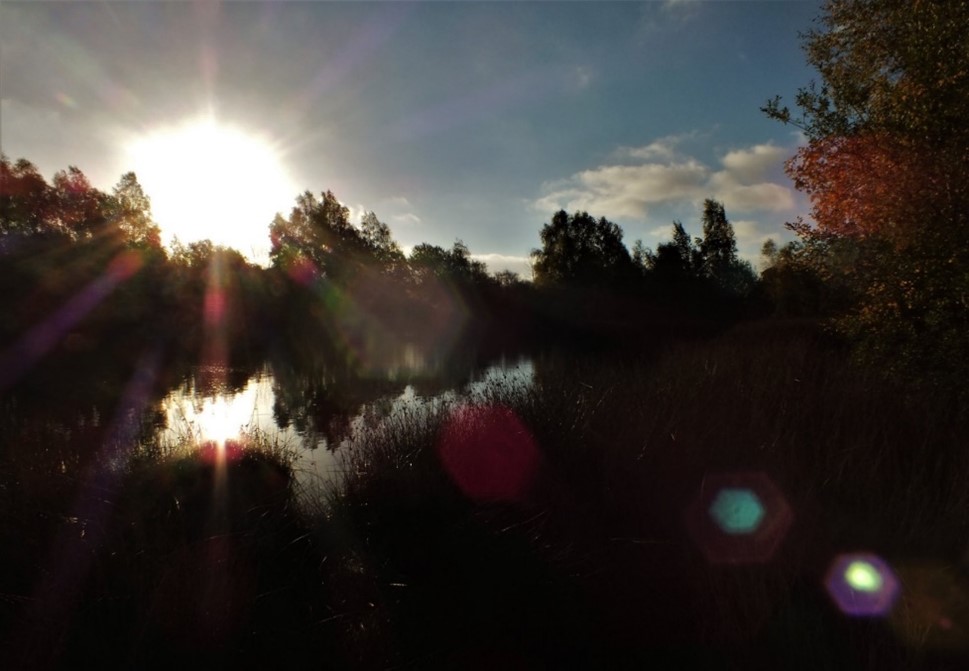
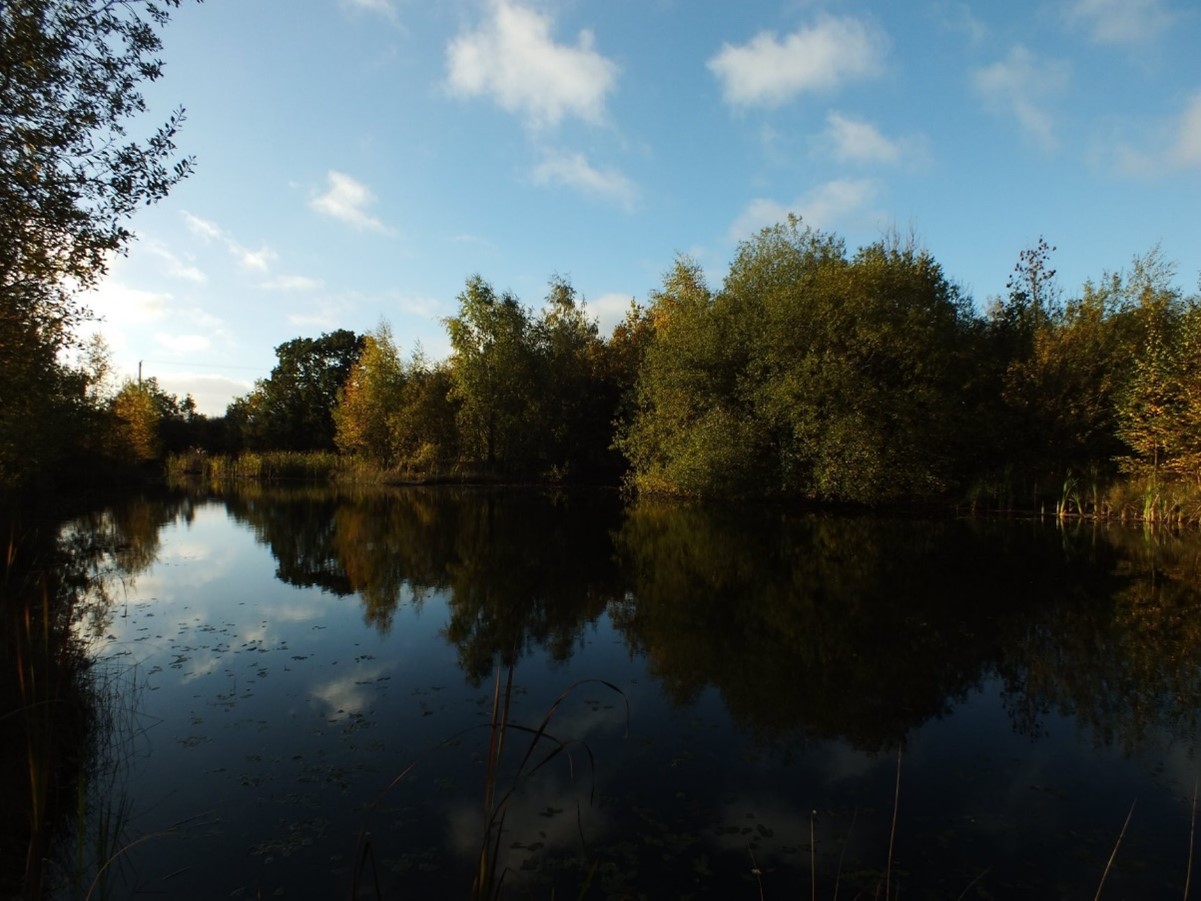
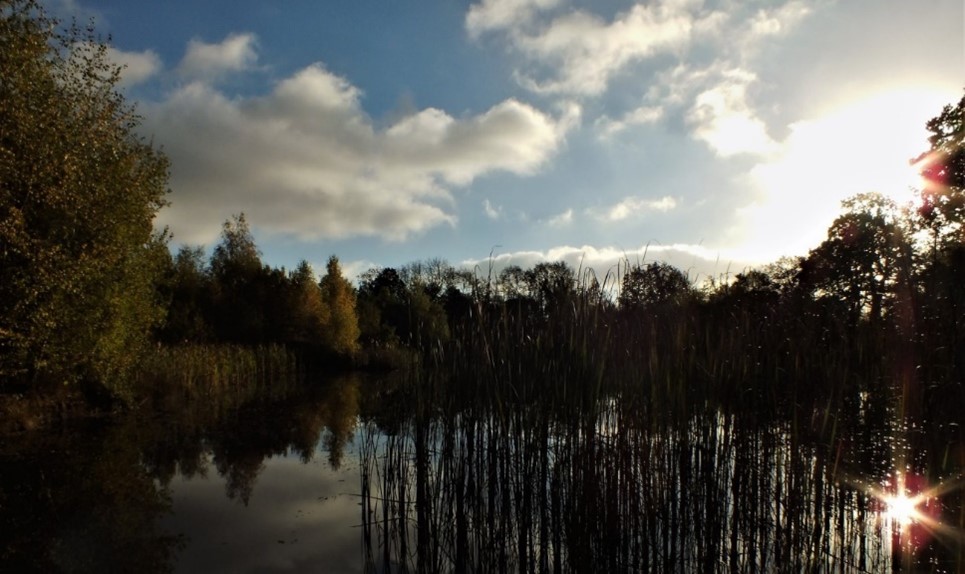
Winter dawn and dusk over the Middle Lake.
Siltex.
A natural product that is quarried near Ipswich in Suffolk. It raises the pH slightly and allows the natural irons within the product to remove the suspended matter within the waters treated. This will increase the water clarity and encourage the development of water plants and weed. The material has no detrimental effect on sediments or fauna that might be present.
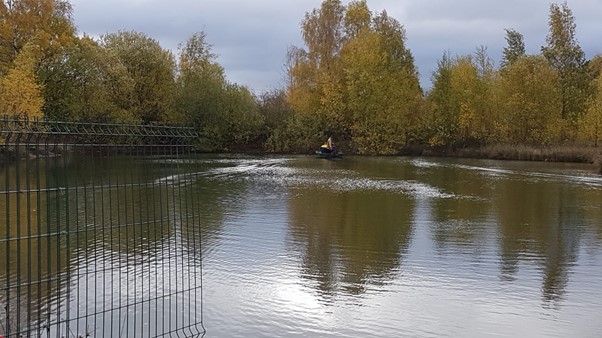
The Trust has carried out sampling and sonar studies over the winters of 1018/19 and 2019/20. By so doing we have developed an understanding of the lake water and its development. The lake has demonstrated that water quality can improve swiftly one the tars entering the water are stopped. In 2007 the water was reported as being pH3, in summer 2018, during the drought the water was pH4.5, the value has risen since.
Further surveys need to be carried out prior to the installation of the gabions and limestone. This will ensure that no inadvertent harm is occurs to wildlife.