This is the first part of an occasional series of short articles on issues of river law. Some issues that will be covered over time will include pollution, mining, international boundaries, hydroelectric dams, and wildlife. The information published will be accurate and some.
Royal Rivers and the Law.
This first article refers to the first ‘law’ regarding rivers in England: Edward the Confessor’s Edict on Rivers.
Prior to the development of roads that could carry volumes of goods safely and without breakages rivers were the transport hubs of nations. Rivers across Britain were used to move material and goods, food stuffs and people from the beginning of recorded time. Similarly, the milling of cereals and stone has required waterpower, fishing weirs and traps have supplied food from earliest times. These conflicts of interests were a constant worry and annoyance to government.
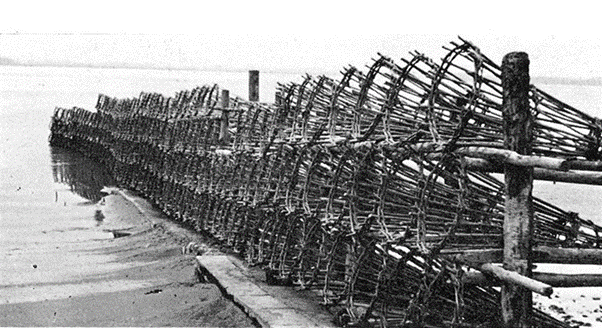
Salmon putchers or weir on the River Severn, Gloucestershire 1980s.
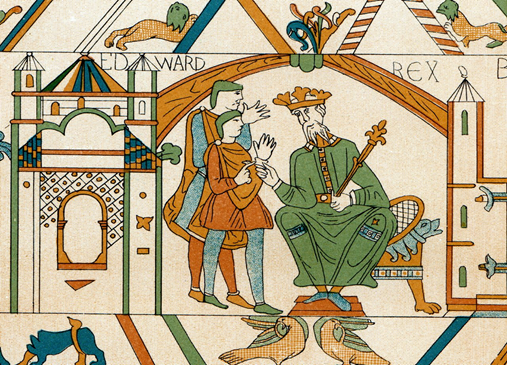
The first record of this conflict reaching crisis, and the first of a long series of attempts to protect the interests of boatmen against hindrances to their trade, occur in a proclamation made by King Edward the Confessor in the last days of his reign (1065), which declared that navigation should be the paramount interest on the King’s Royal Rivers, the Thames, Severn, Yorkshire Ouse, and Trent. The proclamation states that ‘If mills, fisheries, or any other works are constructed to their [the four royal rivers] hindrance, let these works be destroyed, the waters repaired, and the forfeit to the King not forgotten.’ (Thacker 1914).
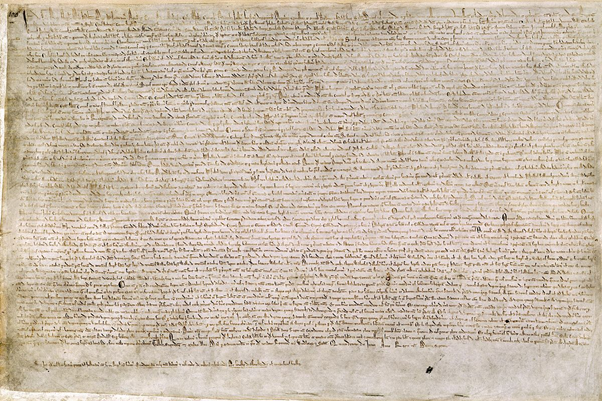
In 1215, the Magna Carta included a clause (33) ordering the removal of all fishery weirs on the four rivers rivers, which suggests that such obstructions were becoming perceived as a serious problem (this was still law in England until 1960 when it was, sadly, repealed as obsolete).
Throughout the later Middle Ages, the bargemasters seem to have been fighting a rear-guard action to preserve their rights against the proliferation of mills and weirs of various sorts, resulting in a string of legislative measures. An ‘Act Remedying Annoyances in the Four Great Rivers of England, Thames, Severn, Ouse and Trent’, passed in 1346–7.
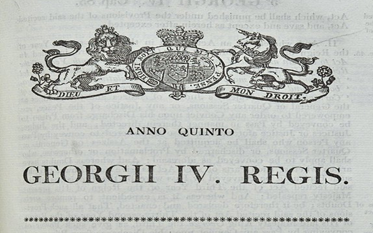
Waterways legislation usually took the form of Private Acts. An expensive and time consuming process that was and is still unpopular with politicians. From the 1860s simpler methods were devised, mainly through “provisional orders” which could be made by Ministers. Although even these required confirmation by an Act and could give rise to an opposed bill committee, where people objected to such a plan.
River Fringes.
The onward development of mills in the 16th Century saw their construction in many cases off channel. This meaning that offtakes were dug to take some of the river flow and in some cases store it in a secondary mill pond for times of low flow. Others allowed flow direct to the mill wheel from whence it returned to the river. The Royal Rivers and most others were to a great degree managed by the monastic houses which operated bridges and ferries along most of their lengths, gifted by the crown. Many were profitable and allowed much investment in church building and charitable works. This also allowed the bridges, many with chantry chapels on or near them, to be maintained. This though changed markedly after the dissolution of the monasteries in 1536 and 1541. At this time much of the monastic lands were sold by the Crown or given by Henry VIII to his supporters.
The problem of purchase or receiving gifts such as these estates alongside the privileges of ownership bestowed liabilities. The most tiresome being bridge upkeep. Throughout the 17th Century, even during the English Civil War petitions, court cases and claims for damages were being brought before courts from York to London with regard to bridge repairs and damage done by the poor state of bridges across these rivers.in 1698 the Trent Navigation Act was passed as was the passing on of bridges and fords to local boroughs by a series of separate act that no city or town desired. That though is where they stayed, with local authorities to this day. There are a few privately owned bridges, that collect tolls to pass over rivers, but these are few. Ferries continued but in private hands. The rivers’ governance though required and still do, Private Acts to install any bridge across a Royal River.
British Waterways now the Canal and Rivers Trust (since 2012) did much to simplify the regulations of rivers between 1960 and 1998, where such Acts would not bring in revenue to themselves. The removal of defunct ferries amongst them.