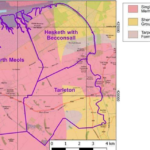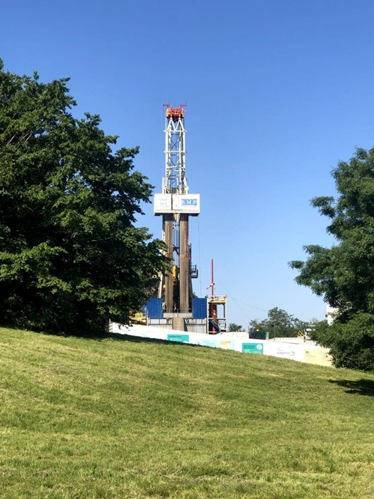
Two doublet cluster and exploration to deeper Trias reservoir (Seequent, 2020)
In many articles and papers we tend to highlight the prospects, positive progress, and successes of geothermal development. This time, we look through a different lens, looking into the causes of geothermal failure – when geothermal projects have been unsuccessful, examine the causes, and offer recommendations for reducing these occurrences.
In order to determine what makes a geothermal project unsuccessful, we must first examine what makes it successful. According to the ESMAP Handbook on Planning and Financing Geothermal Power Generation 2012, there are four key elements which support such an effort: availability of sufficiently accurate geothermal resource data and other relevant information; effective and dedicated institutions; supportive policies and regulations; and access of the project developer to suitable financing.
Information is the first key element supporting the development of a geothermal project or program. The country government plays an important role in making geothermal resource information available to potential developers and investors. The second key element is the strength of institutions and their structural organization with respect to geothermal energy development. The third key element of successful geothermal energy development is the presence of supportive policies for attracting private investors. Governments around the world use a wide range of policy and regulatory instruments to support the deployment of renewable electricity. The fourth key element of successful geothermal energy development is financing. Scaling up geothermal power development requires the active participation of both the public and private sectors.
As the world deals with the current COVID-19 pandemic, many new considerations must be considered to ensure that geothermal development is carried out efficiently, effectively, and to achieve desired goals. Unsuccessful geothermal development can be attributed to a myriad of factors including the six below:
- Acquiring substantial finance/ funding
- Assessing risk vs reward
- Seismic risks (inclusive of EGS)
- Well surety of success
- Pollution risks
- Competition from external oil and gas markets
It is evident that independently or collectively, these six factors all play a crucial role in the success or failure of any geothermal power project. As such, it is imperative that they receive sufficient consideration when conducting geothermal resilience planning, risk mitigation, and feasibility analysis.