Introduction.
This area was drawn to our attention by a e mail regarding a project grant application. As with many such requests the help given but the time in which one must work on it is limited by the nature of business in the area. The time allowed was less than an hour and our knowledge only sketchy. This area is to the west of the Antalya plain and a mountainous area, Beydağları Mountains, an offshoot of the Taurus Mountains to the north. Both the Antalya Plain and Taurus Mountains we are more conversant with.
The need to have a brief understanding of the geology, climate, history, agriculture, and environmental factors gave purpose to research.
Elmali is the central town and gives its name to this region of Antalya. It is located some 110 kilometres to the west of the city of Antalya and set in a plateau at the head of a steep valley. Much of the area is between 500 and 1000 metres above sea level with the mountains reaching over 2,500 metres. The population of the town is about 14,000 and across the district 36,000 mainly spread across the 52 villages of the area.
Geology.
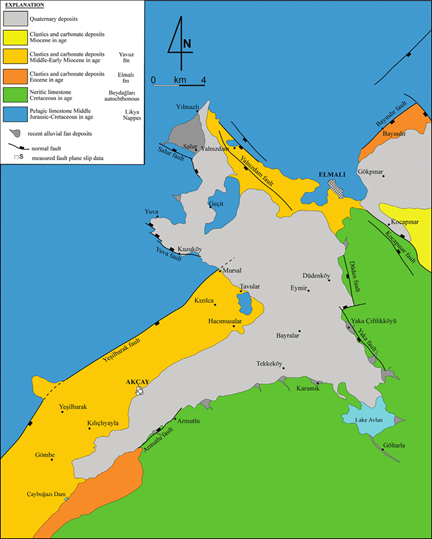
Much of the area falls within the Elmali Basin, which is made up predominantly by limestones, which in many areas have become karstic and have a very variable structure having been eroded to some considerable depths and over distances.
Possible hydrocarbon source rocks are located in the northwest of the western Taurus region within a Mesozoic-Cenozoic carbonate platform sequence that consists of the Elmali Nappe units and adjacent autochthonous Beydaglari units. The hydrocarbon source rock potential of this area belonging to several different sedimentary cycles and tectonic units have been studied. Two significant source rock intervals, which were penetrated by the Buyukalan-1, Altinyayla-1/A, and Kirkpinar-1 wells representing an area of about 1200 km 2, occur within and beneath the Elmali Nappes, namely, the unit the Lower-Middle Eocene to Burdigalian Yavuz Group and the Aquitanian-Burdigalian Sinekci Formation. The thermal maturation of these units resulted mainly from tectonic burial during Middle Miocene overthrusting. The total organic carbon values of most of the samples are about 0.3%. This suggests a source threshold of organic carbon for limestones. The S 1 , S 2 , Hydrogen Index (HI), and Tmax values from the Rock-Eval pyrolysis indicate that the dominant organic matter is Type III kerogen that has gas generative potential. The low hydrocarbon yield of the source intervals might have been the result of the dissolution of the carbonates through karstification.
The area karstic nature impedes the construction of new road building due to the need to tunnel through mountainous parts. The rock in some areas suffers from low strength and is prone to slippage and in seismic events fracturing. This requires solidification of areas cut through by rock bolting and/or reinforced concrete supports.
Climate.
The climate is Mediterranean in nature but due to the area being mountainous is cold in winter and hot in summer, though the temperatures are lower than on the plain to the east. This almost temperate climate ensuring the area is suitable for orchard fruit production. The cold winter climate has a limiting factor on many crops.
History.
The area around Elmali is an important area for archaeological investigation. It has been a part of many empires from the Hittite, through the Lycian, Roman, Byzantine, Seljuk and up to that of the Ottoman. Much evidence of these peoples and cultures still exist above ground, rock tombs at Myra, near the small village of Aykiriçay.

Agriculture.
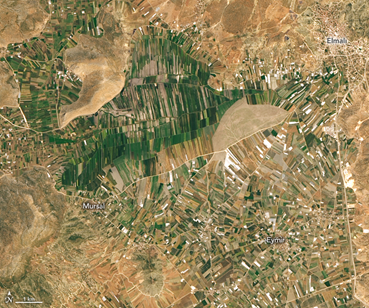
The image shows farms in the district of Elmalı, where the town of the same name sits at the top of a long upland valley. Elmalı, which means “apple,” produces around 12 percent of Turkey’s apples, as well as the local chickpea snack leblebi.
There are a growing number of farms using green houses to supply salad and other crops both to the urban area of Antalya as well as the rest of the country.
Environmental Factors.
Water.
The main water body in the area is Lake Avlan, which is of karstic origin. In the 1970s the lake was subject to drainage attempts, made to increase the farmland available in the areas. It was restored as a lake in 2001, though it still suffers from agricultural abstraction, much of which is illegal. Such actions affect the water volume and its quality.
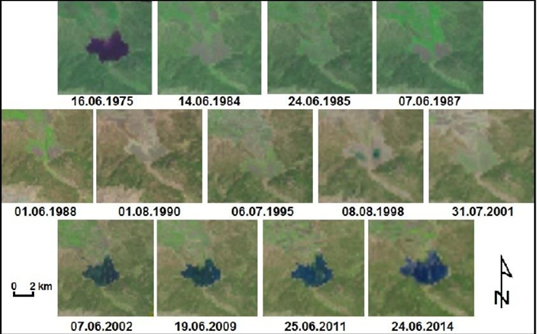
It is located to the south of the district and has a rich flora and to the north there lies a forest of cedars, a rare occurrence in Turkey and a remnant of historic climate conditions as well as an important silviculture oddity.

The lake has been subject to several studies in the period 2015-2019 to ascertain the development of life returning to its waters.
The rivers of the area are fed by winter rains and snow melt, in summer they can all but vanish mainly running through the karstic limestone systems below ground.
Air.
Due to the altitude of the area the air quality is good, the prevailing southerly winds throughout the majority of the year ensures that the air from Antalya city does not influence that of the westerly mountains.
Flora.
The Cedar Forest
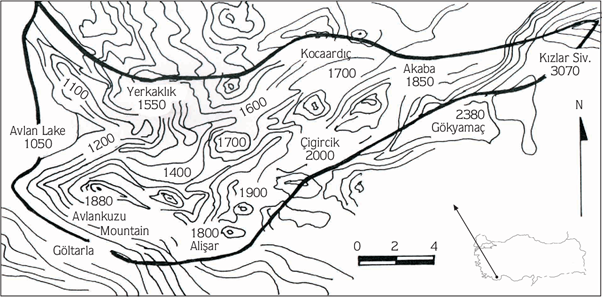
This area of cedar forest covers around 16,000 hectares with around 11 hectares making up the Lebanese Cedar Garden. These trees are varied genetically with several that are endemic to this region. Several genetic types demonstrate direct links with cedar from Lebanon, Iran and further afield. Within the park there are many of Turkey’s oldest trees, several cedars being over 1000 years old and some double that.#
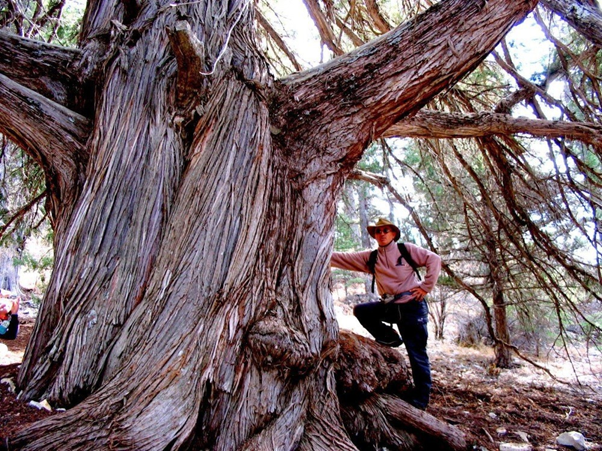
The vascular flora is as plentiful and varied as anywhere in Turkey which has one of the largest flower diversities on the planet.
Fauna.
Reptiles abound Anatolian viper, different tortoise, and lizard as well as Green Tree and Mountain frog.
The mammal population of the area includes species that make British ‘rewilding’ fans envious. Bear, Jackal, wolf, and lynx are reported to be present in the area alongside many other more common species such as Pine martin, badger, wild boar, and fox.
White Tailed eagle, shrike, nightjar, and flamingo are just a few of the more exotic of the birds of the area, the full bird species count has yet to be carried out.