Introduction.
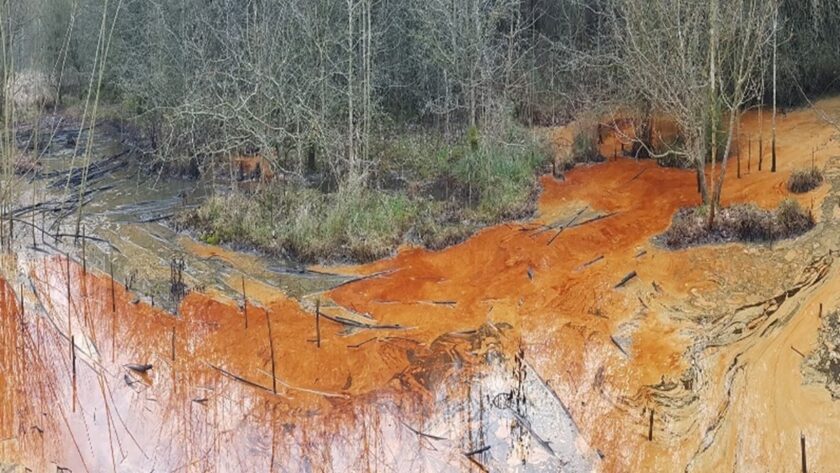
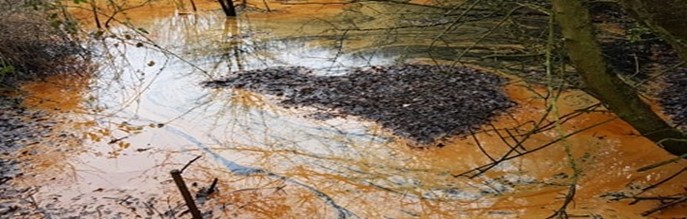
The tar pit is separated from our initial trial area on Tar Pit 4 by a haul road, it was initially considered to be of the same constituent acidic material as the other acidic tar pits at Cinderhill. Over the last two and a half years this has proved not to be the case. The pit is larger and more complex than was first described in reports from the 1990 and early 2000s. it is not as deep as the others 4 pits on site due to much of the clay that was excavated left a three-metre cliff to one side of the excavation and a shallower containing void. The tar fill appears to be devoid of acidic material and the constituent tar oils are lighter in nature. Water runoff from the site is not acidic (pH 6 to 6.5) and is actively developing a high bacterium loading with several varieties of algae present that flower through spring and early summer. The oils are consumed as they enter the surface waters by bacteria producing emulsions that are again used by other bacteria as a food source.
The remarkable abundance of amphibians across this apparently hostile environment is a constant surprise to us.
Actions So Far.
In 2018 we tried to establish willows over the area in the photographs but due to the drought and high temperatures the planting failed almost completely. The cooked willows now lie on the surface of the oils and allow researchers some freedom of movement across the surface without sinking into the moras below.
Research has shown that the area beyonf where the open water pollution exists also floods in winter during high rainfall events. The water then passers through the area illustrated and by a drain is deposited into a ditch. This watercourse, during high rainfall can take oil polluted water in reach of the nearby surface water streams that run towards but are not connected to the local tributary of the Bottle Brook, a major tributary of the Derwent.
Proposed Actions.
The placing of compost across the site will allow the bacteria acoss the site increased nutrient and will allow for a greater retention of drainage away from the pit. The deposition of the additional will be such that no water will run away from site and remove the pollution from the water below the site. This protecting one of Derbyshire’s premier rivers.
This sponge of water filled compost will be planted with willows and other naturally occurring tree species will be encouraged to grow alongside. This will both stabilise the ground give bacteria a stable environment in which to decontaminate the oil residues including the removal of carcinogens that are present.


Time Scales.
The work outlined can be carried out as soon as funding and materials are available.
The planting of willow can be carried out using cuttings obtained from parts of the established willows on the trial site, Tar Pit 4 and further stock purchased from Will Bank, in the Forest of Dean in December, or January 2022.