
Introduction.
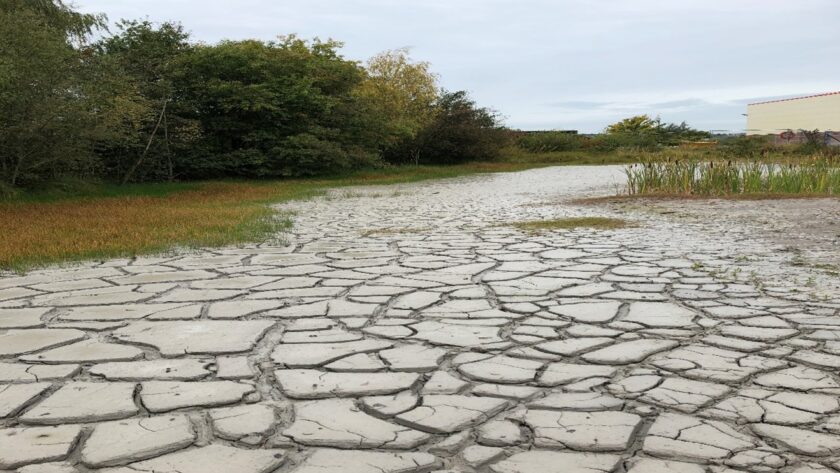
Waste glazes over many years were deposited into an historic clay pit at the Denby Pottery factory site in Derbyshire. The glaze pit site has not been used for this purpose for many years and is now a piece of derelict land to the side of the factory. The management and staff wish to see this piece of land returned to a natural condition with trees and grasses being established to encourage wildlife of various types. The pottery management heard of our work down the road from their premises and after visiting our research and demonstration at Cinderhill invited Clean Rivers Trust to put forward a solution to their site in 2018. Due to Covid and the pandemic this project has been delayed but all involved hope that we can get this scheme completed by the spring of 2022.
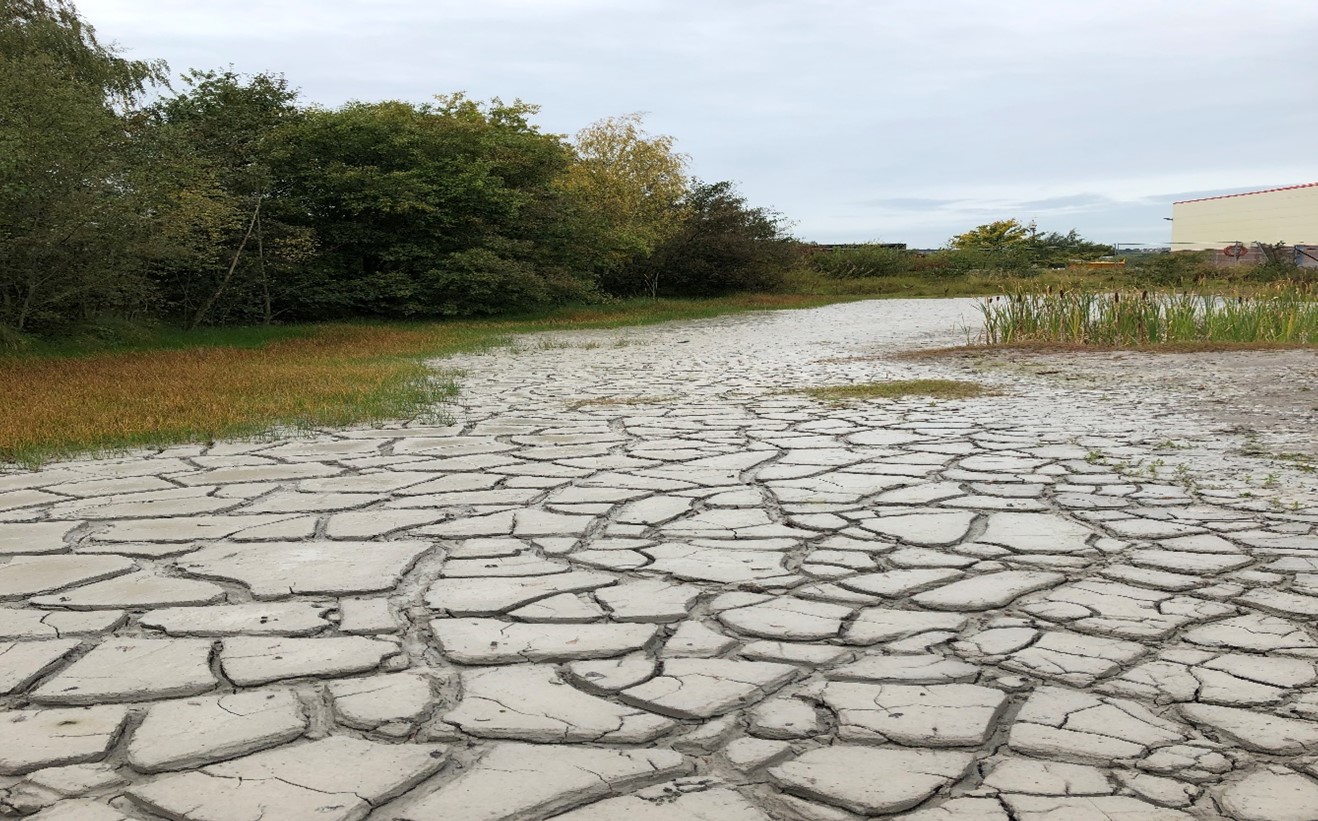
The constituent materials within the glaze pit are made up primarily of nontoxic materials; ball and china clay, ground flint and other natural bulk materials that go into a glaze, these act as body and fluxes that allow the glaze to fit to a clay body. The problematic materials, tin, copper, cobalt, iron, lead, and other metals that were historically used for the glaze colouration. These materials are only to be found in exceedingly small amounts as their effects at heat within the kiln are remarkable and only small volumes are required.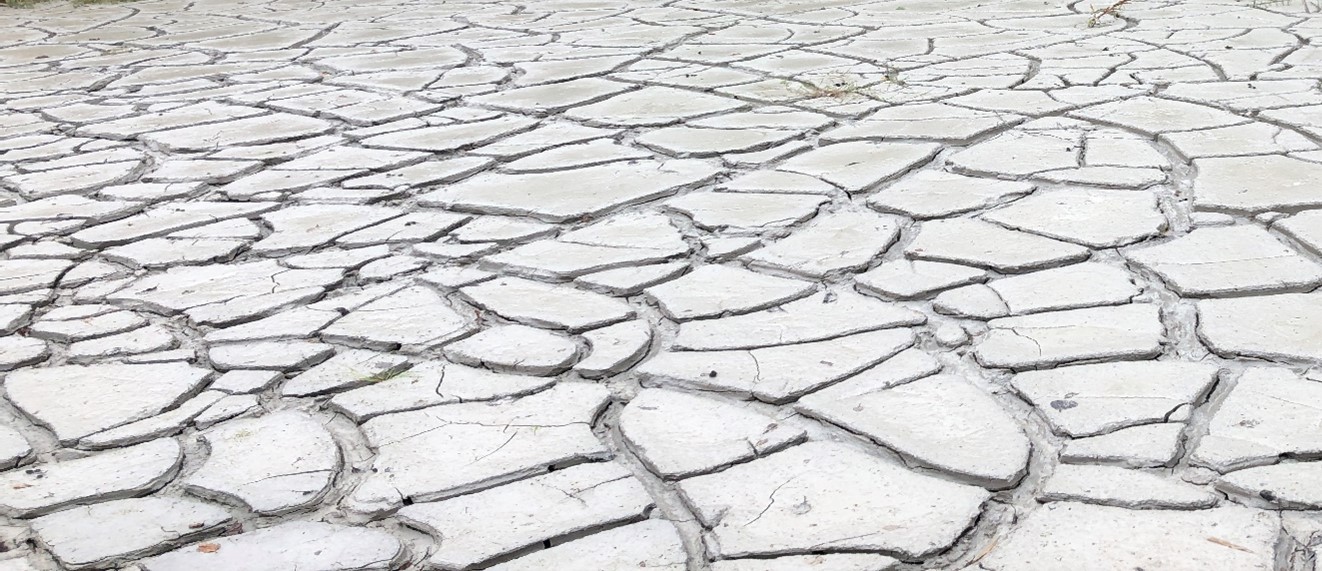
The Plan.
The Trust is looking to stabilise the material within the pit, decontaminate the fill material, made up of waste glazes including, silica, clays, and metals in various concentrations. Also, we will stop surface water from the site at Denby from discharging towards the public road. We have discussed the project with the Environment Agency who are happy for us to use a similar strategy to that we have used at the Cinderhill Acid Tar Pit. The project is going to be considerably easier to achieve as the growing properties of glaze materials are much more conducive to rapid plant growth than acidic tars.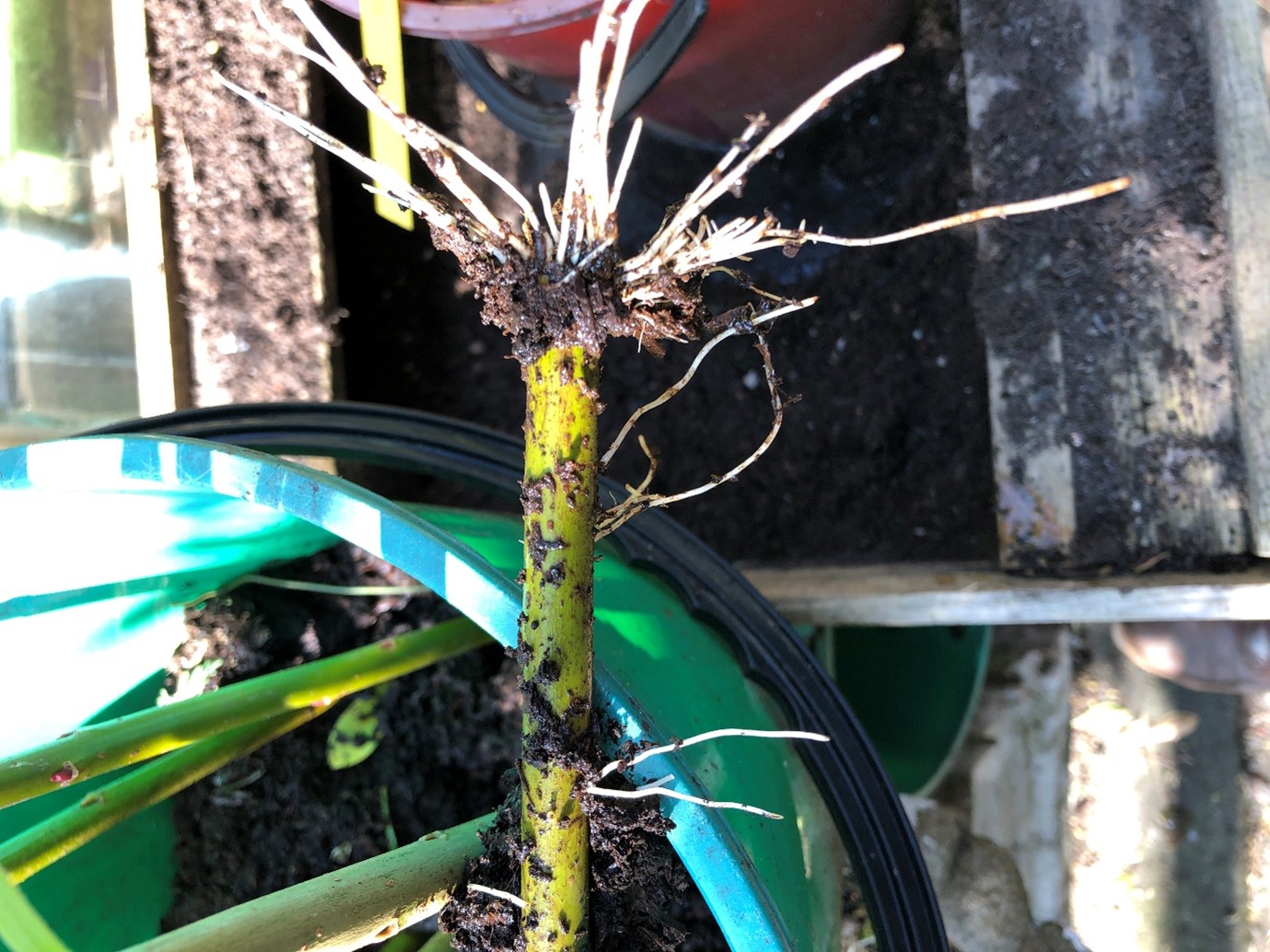
Progress.
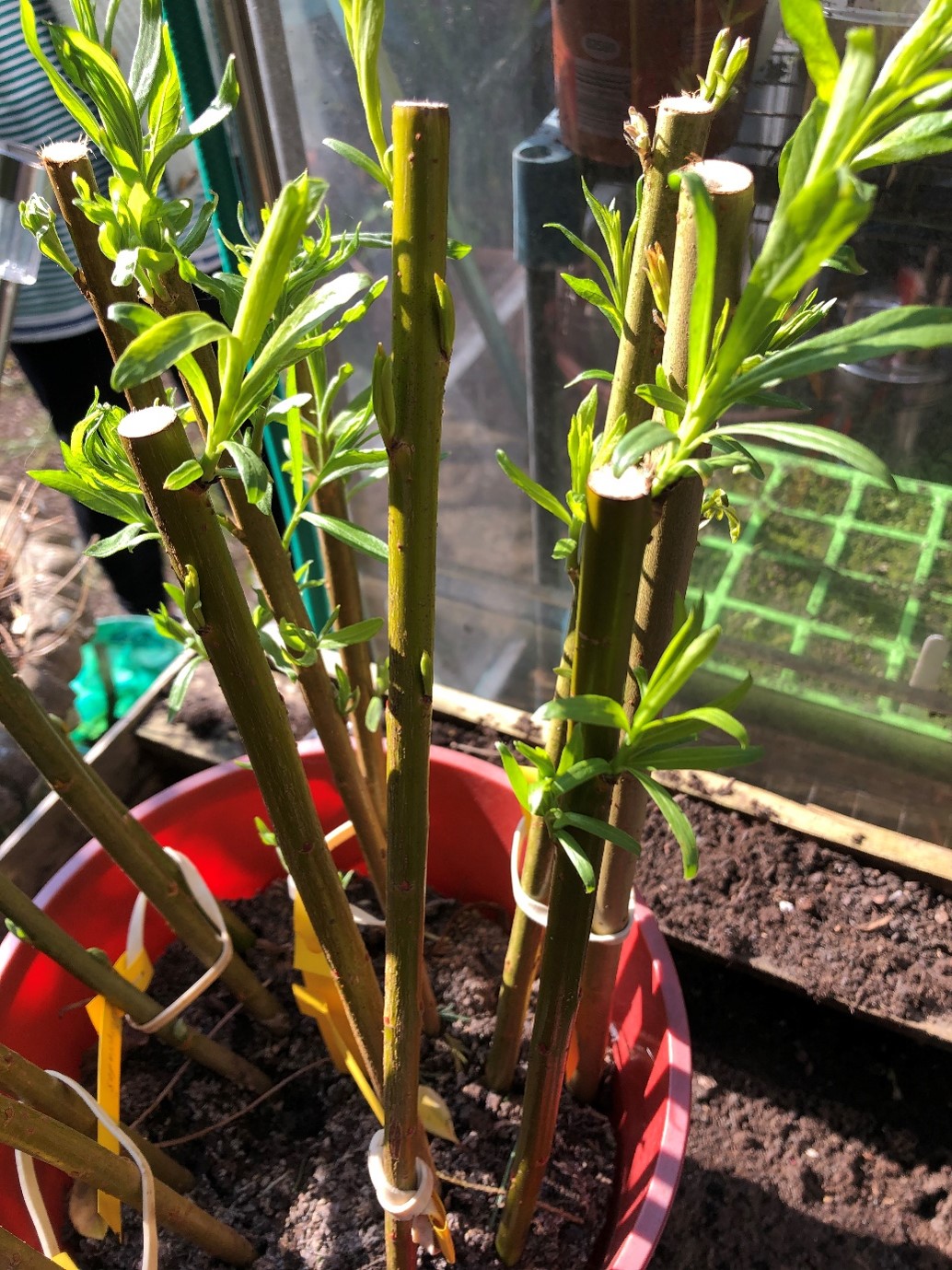
Sample of glaze materials from the Glaze Pit were obtained from site in November 2020 and planted with a layer of compost as would be the plan for the full-scale remediation of the site at Denby Pottery. The cuttings in the trial have rooted strongly into the glaze material as well as the compost.
Leaves started to appear in the 12th April 2021 and continue to develop normally.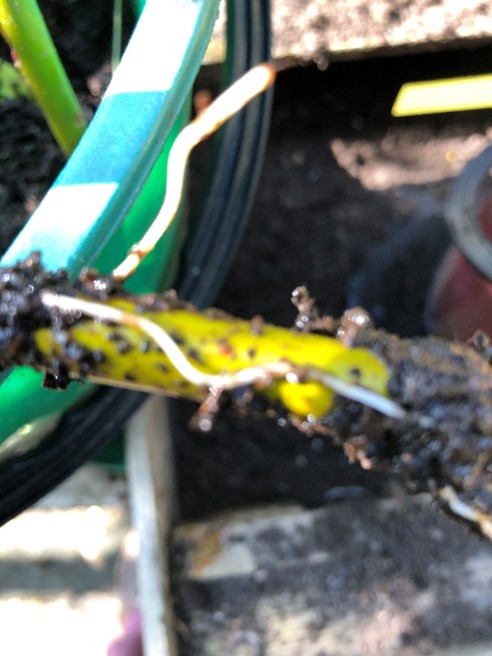
Rational.
The sources of this methodology originate from several pieces of research carried out from the early 1990s to work we are undertaking today in Derbyshire.
The use of willows over soft substrates was originally used to solidify dredgings from canals in Flanders. The use of willows came from work carried out at Tregembo Marsh in Cornwall by Melanie Brown at Camborne School of Mines and work we carried out with Severn Trent Water in willow take up of metals in contaminated sites such as natural wetlands and historic sewage farm sites. The site where we are carrying out extended trials at Cinderhill, Derbyshire demonstrate the presence of natural communities of bacteria that bind minerals and expel gasses from the plant’s roots or rhizomes. This being the largest such trial carried out anywhere in the world thus far.