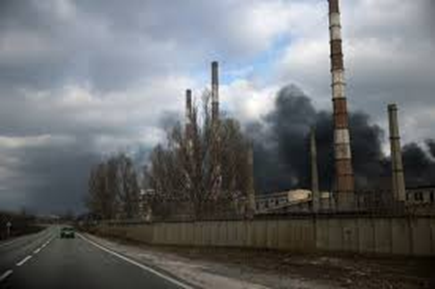
The events taking place in Ukraine as I write this short paper demonstrate the remarkable hold internet technology plays in modern warfare. In the most recent military operations in areas of the Middle East in Iraq and North Africa, Libya, the water supply, and sewage treatment infrastructure of these countries were targeted by missile and bomb strikes to try to bring these countries to their knees asking for peace. The reconstruction even 25 years later of much of this vital infrastructure has still not been completed or does not work. The invaded countries being left with lack of good water quality and excess pollution from untreated sewage. In the present conflagration the Russian military appear to have brought much of the Ukrainian water supply system to a standstill by allowing hackers to disrupt the water treatment plants operational capacity.
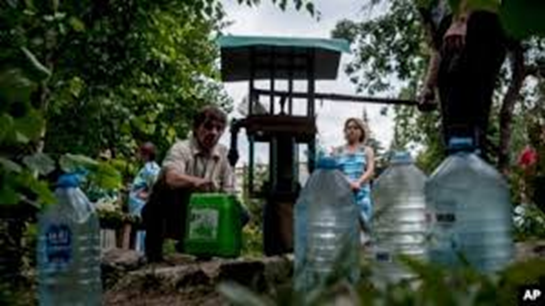
In the winter of 2016/17, the water supply purification control systems for the Ukrainian capital Kyiv were hacked by external agencies (water supply infrastructure for some UK cities was similarly attacked in 2021), and behind the fog of war water supplies are now being targeted remotely to cut the resistance of the defenders across much of Ukraine.
Doubtless, but at this stage of the conflict unverifiable, some major infrastructural sites will have been destroyed in any case as Russian military strategists are not like to rely on cyber attacks alone. News on this area of combat is not the most popular with media channels so facts are sparce at this moment.
Clean Rivers Trust actions at the outset of the EU, French and UK air attacks in support of the Libyan ‘Arab Spring’ limited water and sewage infrastructural damage to a minimum. The post Iraq War, Basra water infrastructure debacle being the model we worked on to demonstrate the costs, both financial and to public relations far outweighing the immediate legitimacy of their destruction.
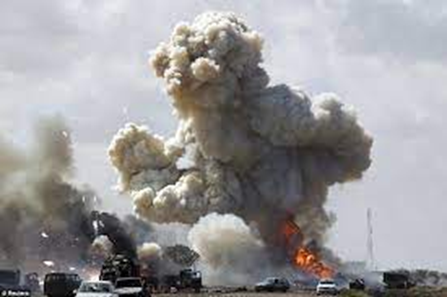
The cutting off of water supply and the confinement of populations within urban centres of population are methods of warfare going back millennia. Thirst and disease being most effective mays of winning towns and cities rather than the more costly street fighting losses to the attacking forces of troops and equipment as witnessed during the Second World War.