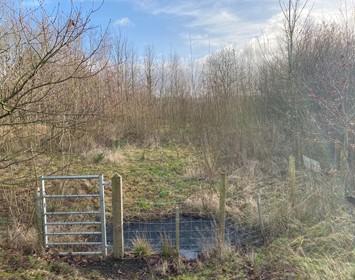
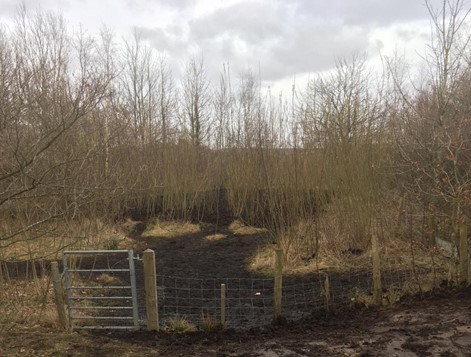

The Cinderhill Tar Pit trial site has needed some attention regarding the level of compost over the site. The initial layer was only 3 to 6 inches deep across much of the site. Towards the end of August 2021 two cracks developed in the site surface that vented gas from within the acid tars. These gassing events were very noticeable with many of the willows bordering the crack appeared to die; this though proved not to be the case. The defoliation of many of the plants took several months to recover. The compost at the edges of the cracks were devoid of any compost cover due to the action of slugs and worms which has incorporated the composts into the tar structure which had broken down into a crumbly mixture of growing media.
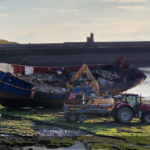
It was felt that there was a need to give the willows across the site some added nutrient, this would also be beneficial to the microbial community of the site along with being nutritious to the worm population. This project has been labour intensive taking many days of work tractoring in, wheelbarrowing out and raking across the site 100 tons of compost, whilst not damaging the willows, both well established and gas damaged.
The weather has been atrocious, persistent rain on most days, some being torrential which has made this work less a labour of love and rather more like hell on earth. This will be the last time this soil dressing is possible as the willows are making it almost impossible to move between them.


We look forward to seeing the willows green up in the spring and monitor their continuous progress decontaminating the site. We hope that we will be able to take this methodology to Hoole Bank Acid Tar Lagoon outside Chester shortly. There are several more acid tar pits around Belper, Derbyshire needing attention still. We are grateful to the funders that allow us to continue this vital work.