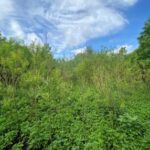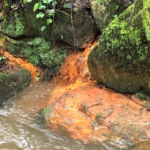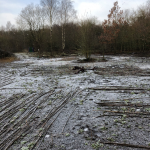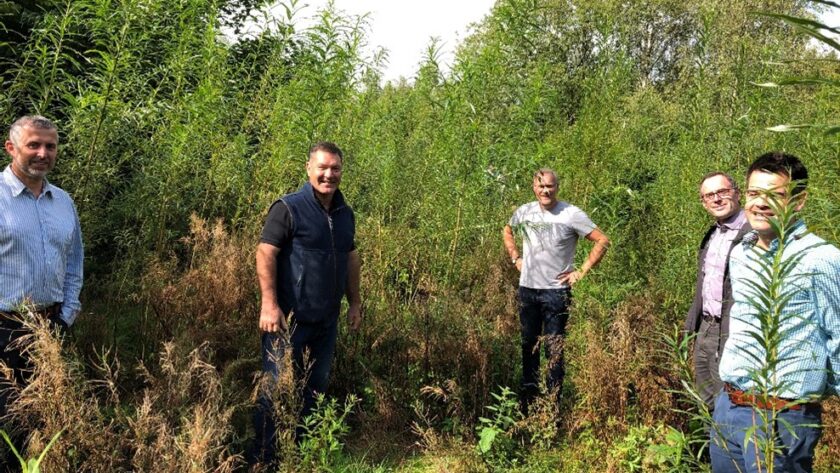
The original deposit of tar into our site in 1976/78. Supplied by Environment Agency.
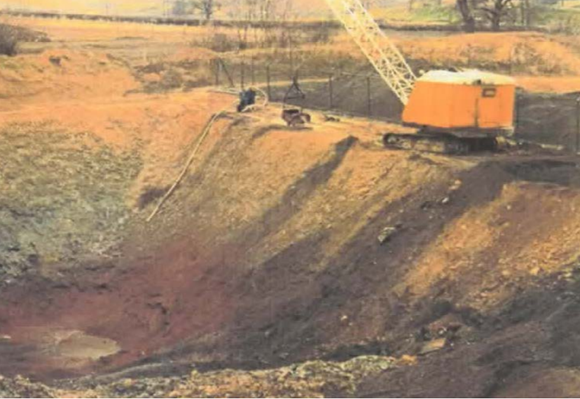
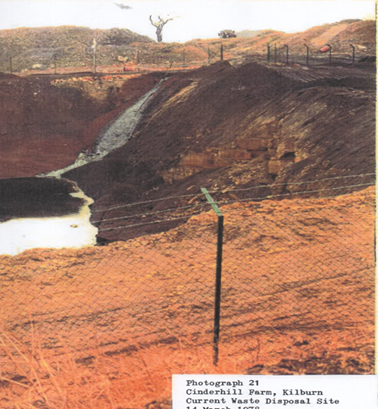
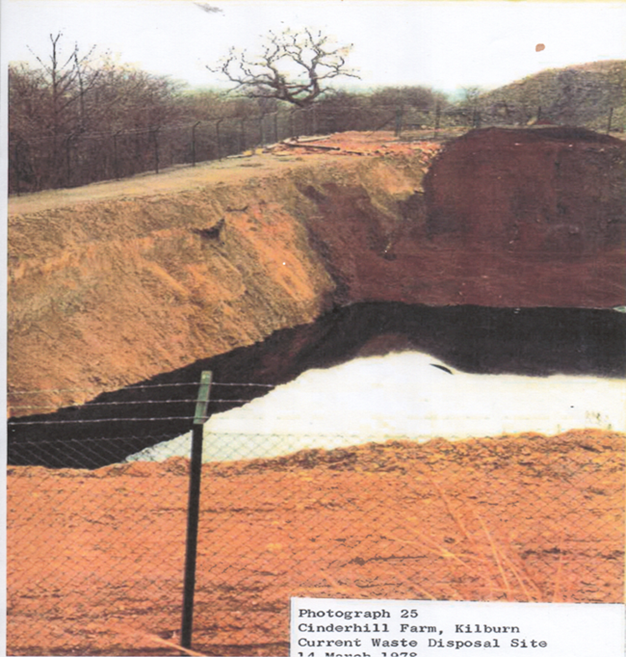
This hole in the ground demonstrates it ability to hold the acid tars well, unlined but dug into virgin clay beds that had been used for local potter and sanitary ware manufacturers.
Pit 4. The trial site.
The site at Cinderhill has been the focus of much of our time over the last few years since May 2018.
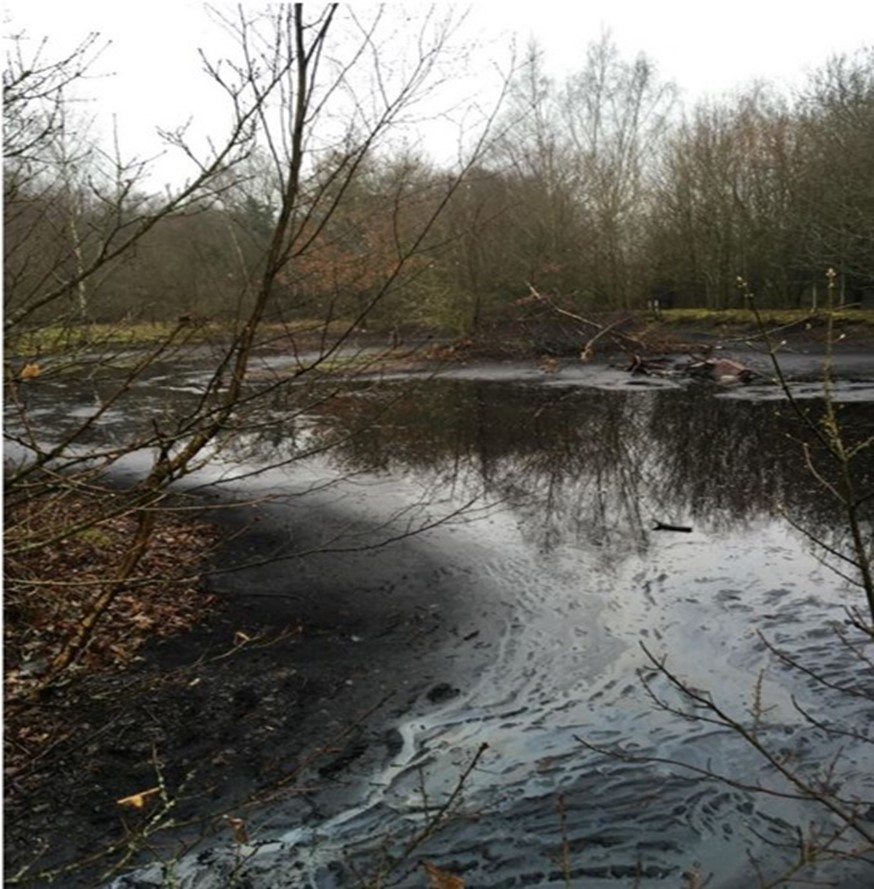
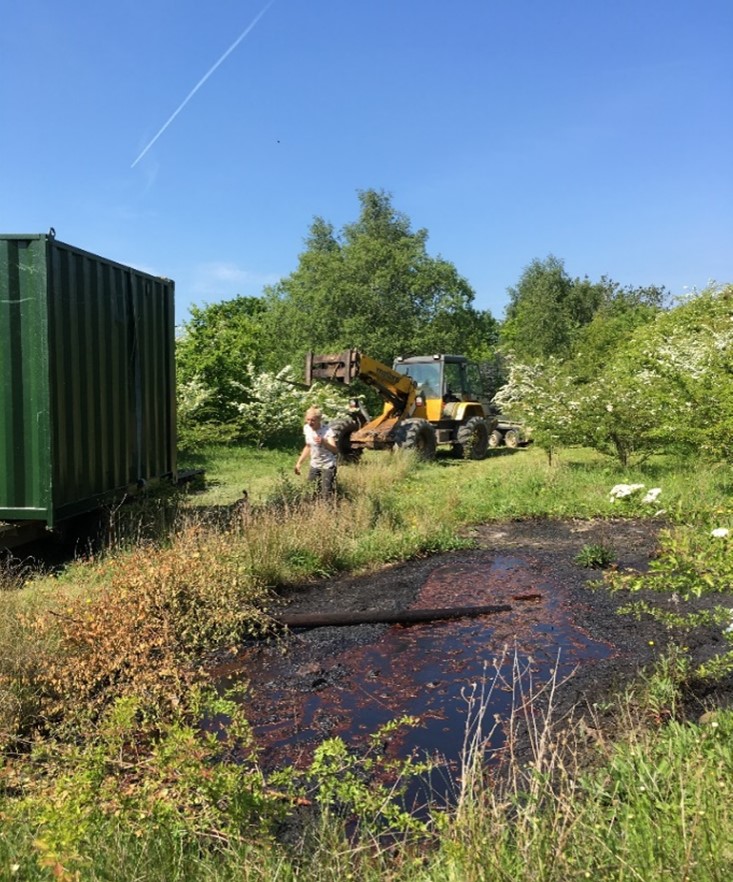
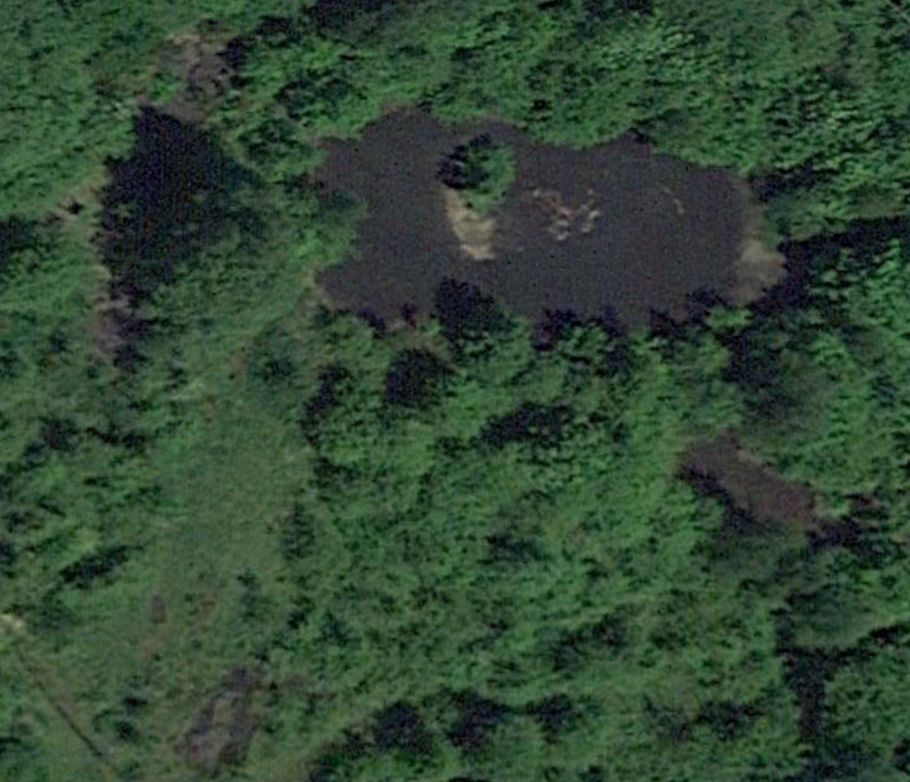
The first sight we had of this tar pit site. The runoff was going towards a tributary of the Bottle Brook, an important tributary of the River Derwent.
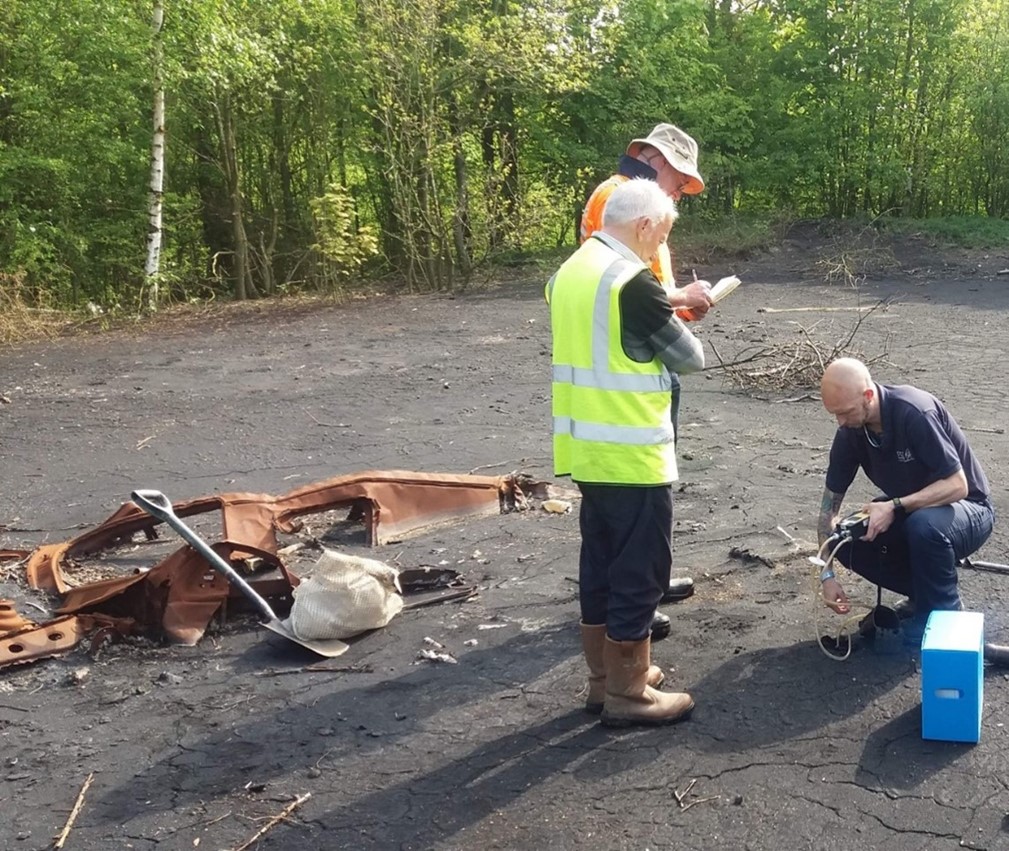
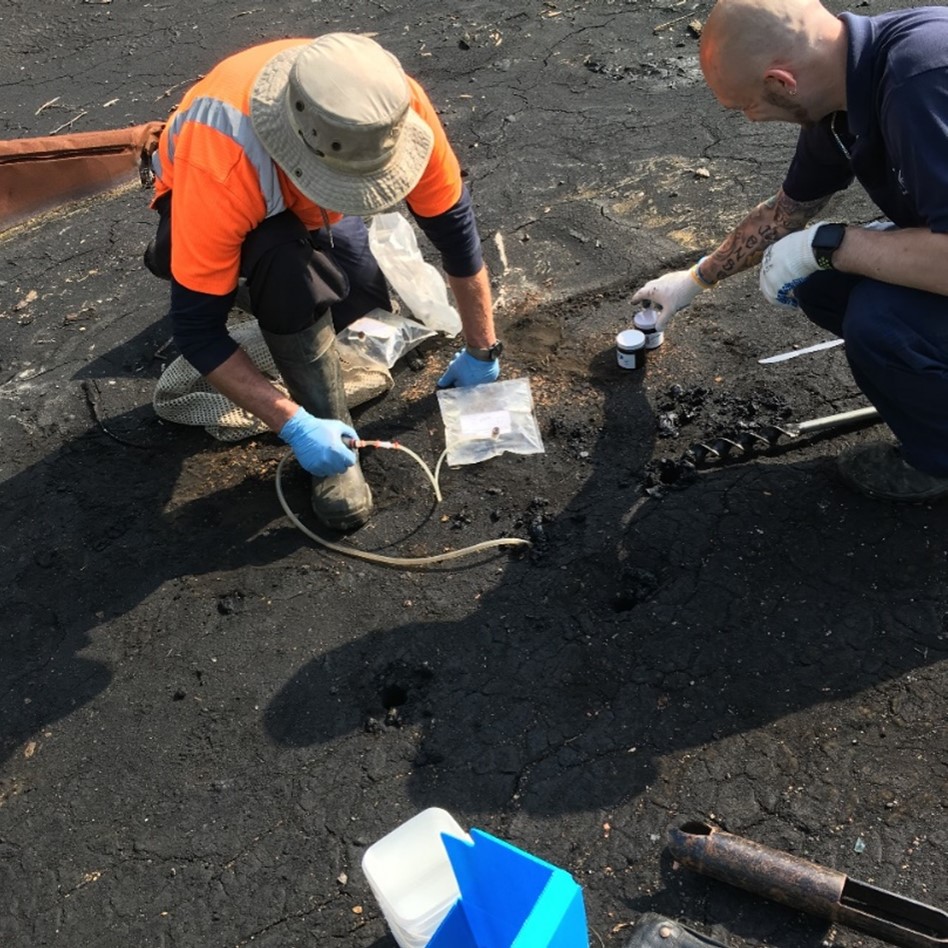
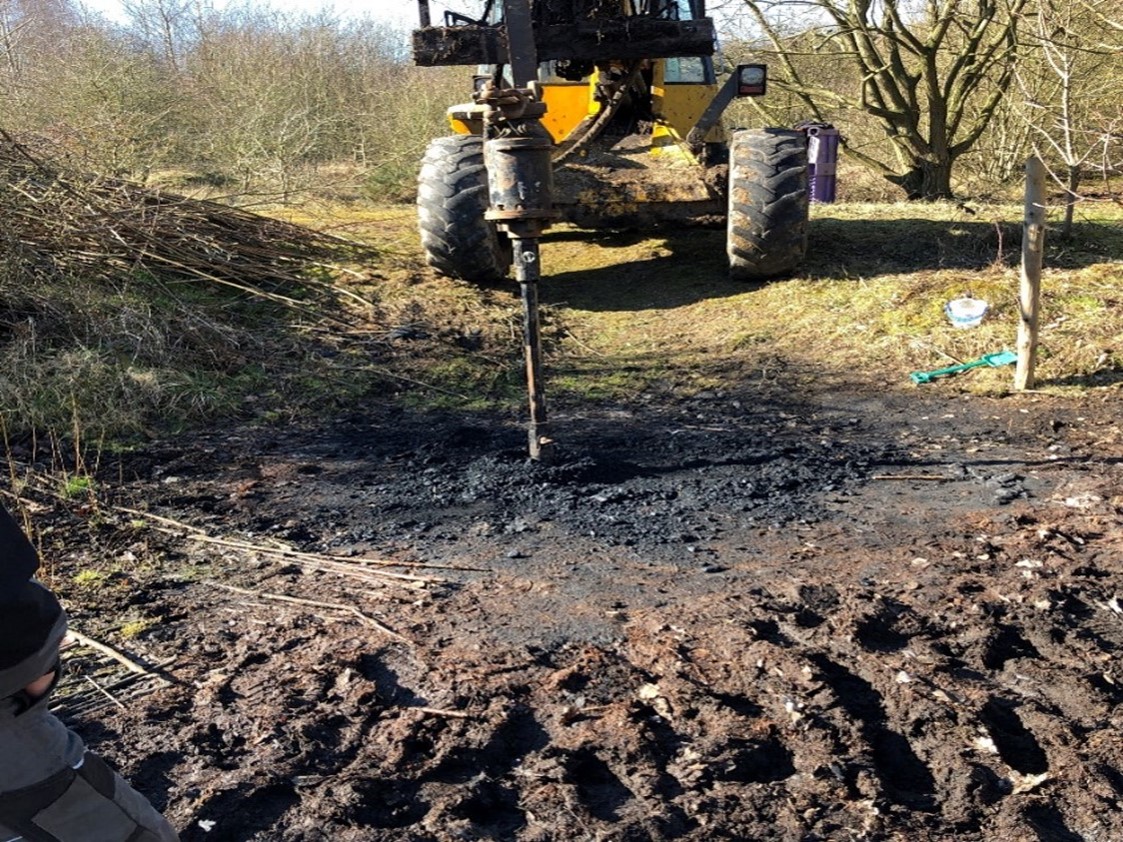
Samples taken to a depth of five metres. The final stages were hard work as the auger became in-bedded in natural underlying clay.
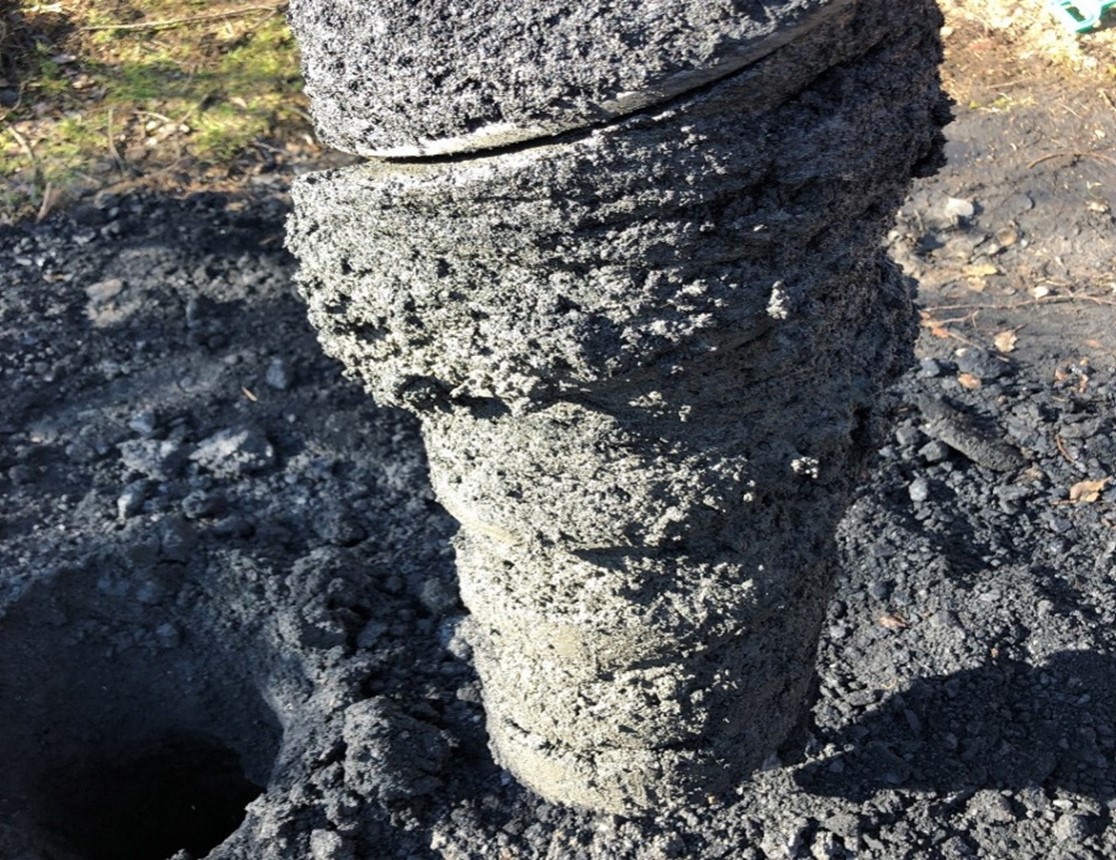
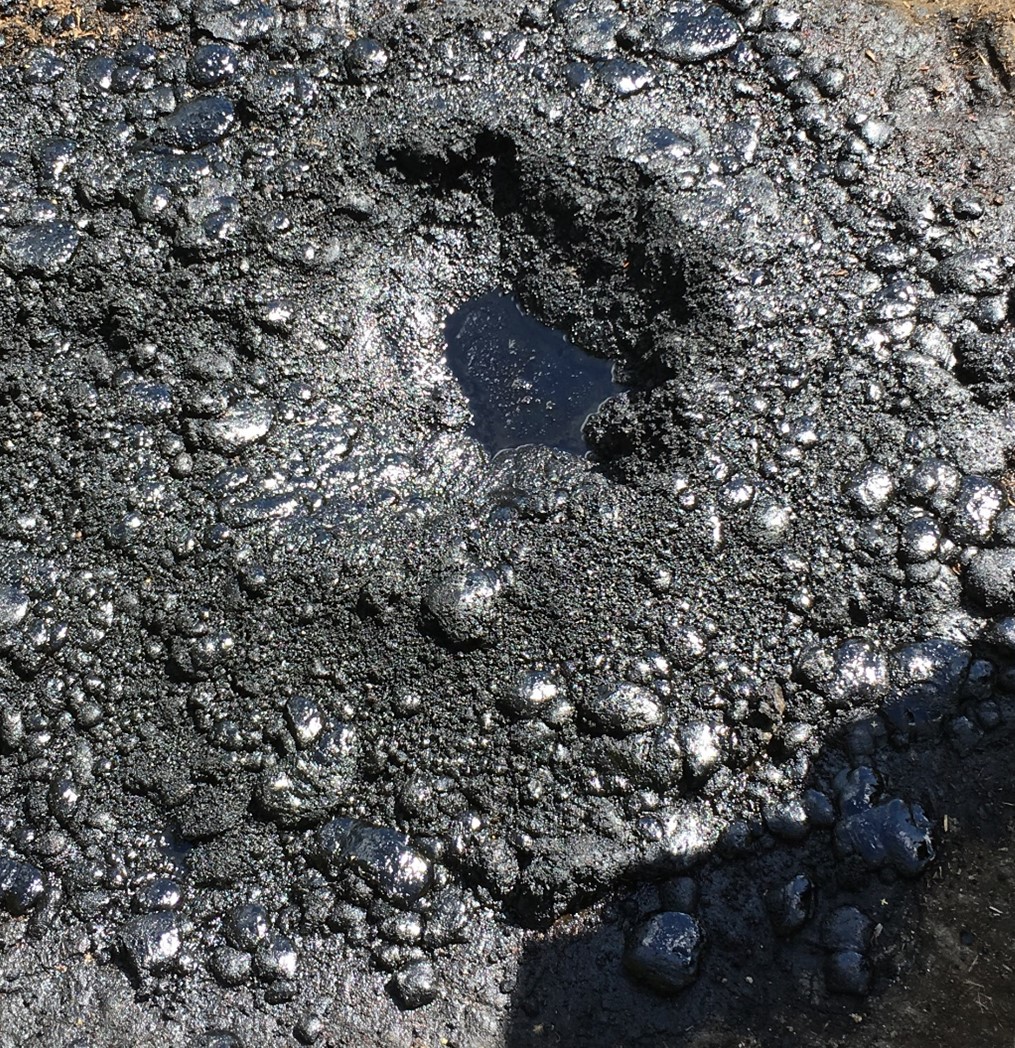
The liquid in the hole appeared instantly after the auger was removed. Pure Sulphuric acid (pH0/pH1)
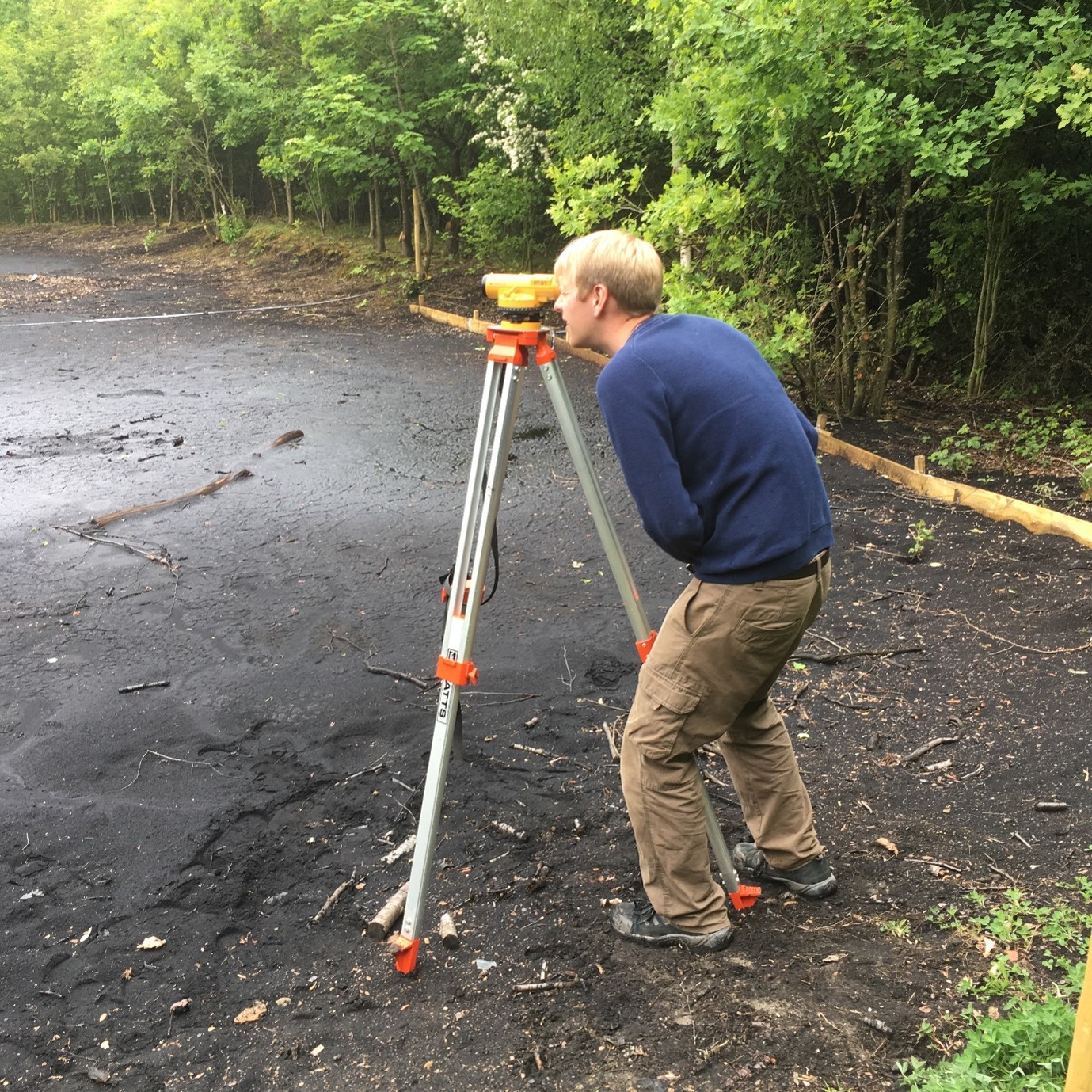
Initial levels were taken by Matt Johnson from the School of Geography, University of Nottingham. His report of our work was independently financed and commissioned to see if the idea worked.
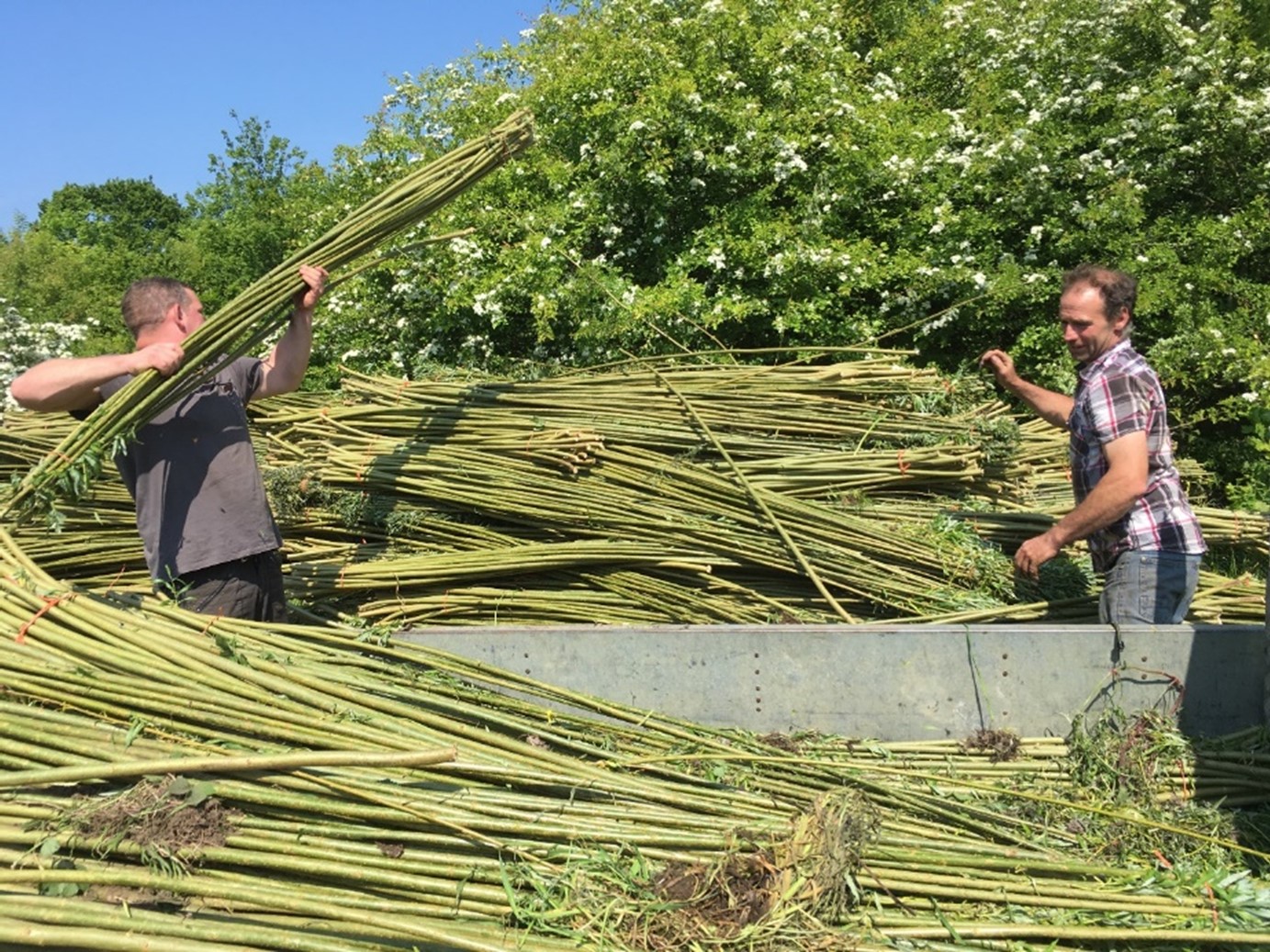
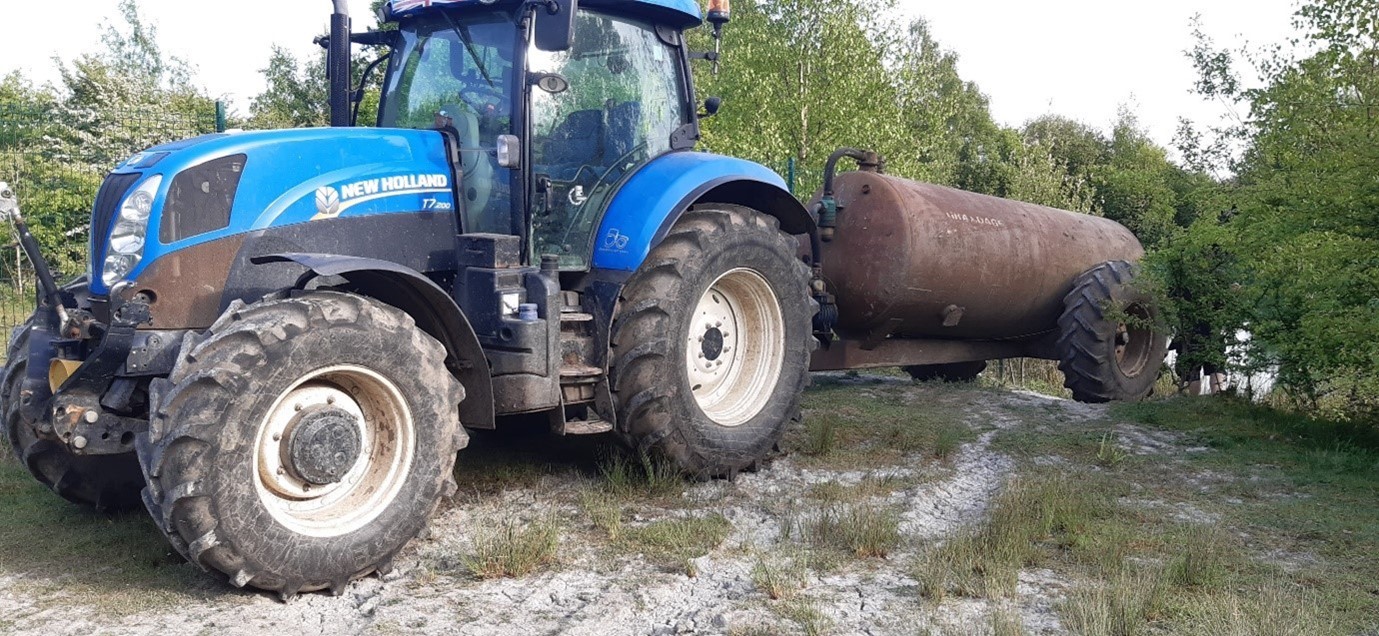
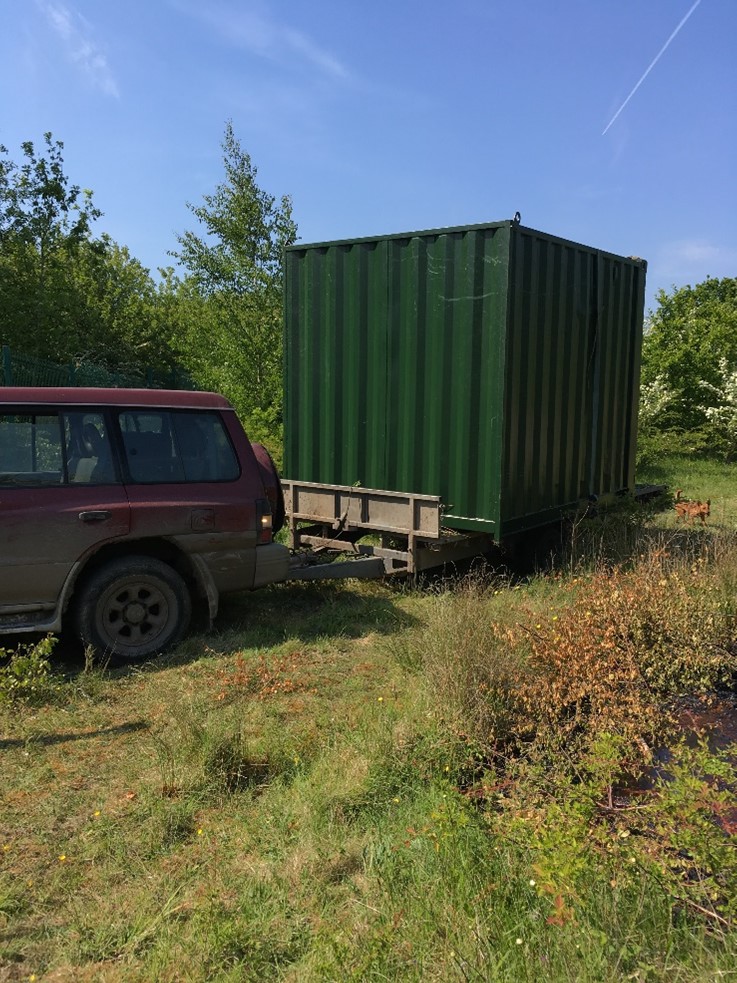
Preparing for being able to get water onto the site. Checking the bowser could deliver in case of a drought. Piece of luck we did.
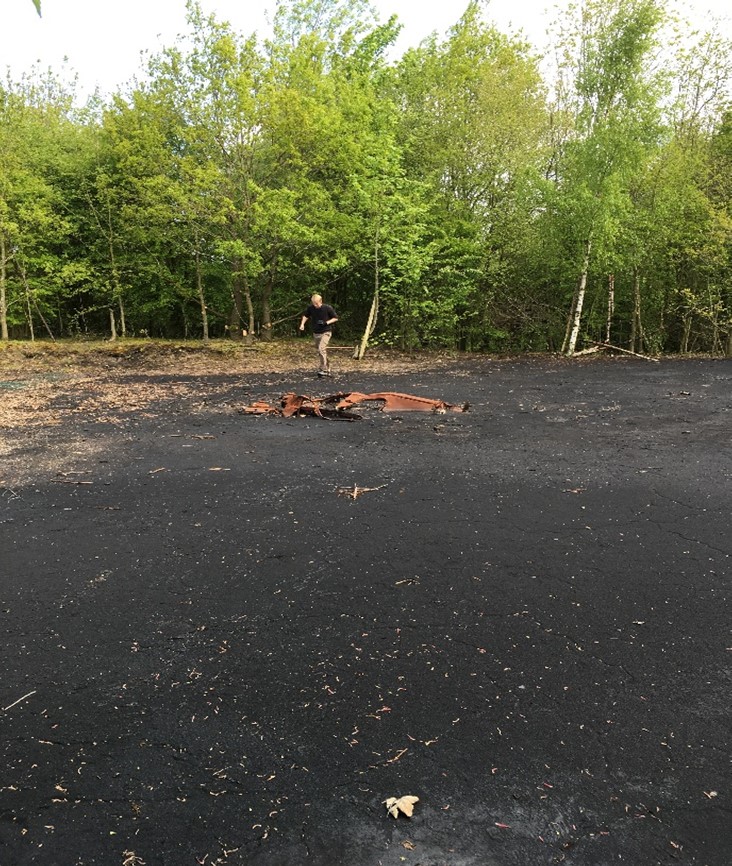
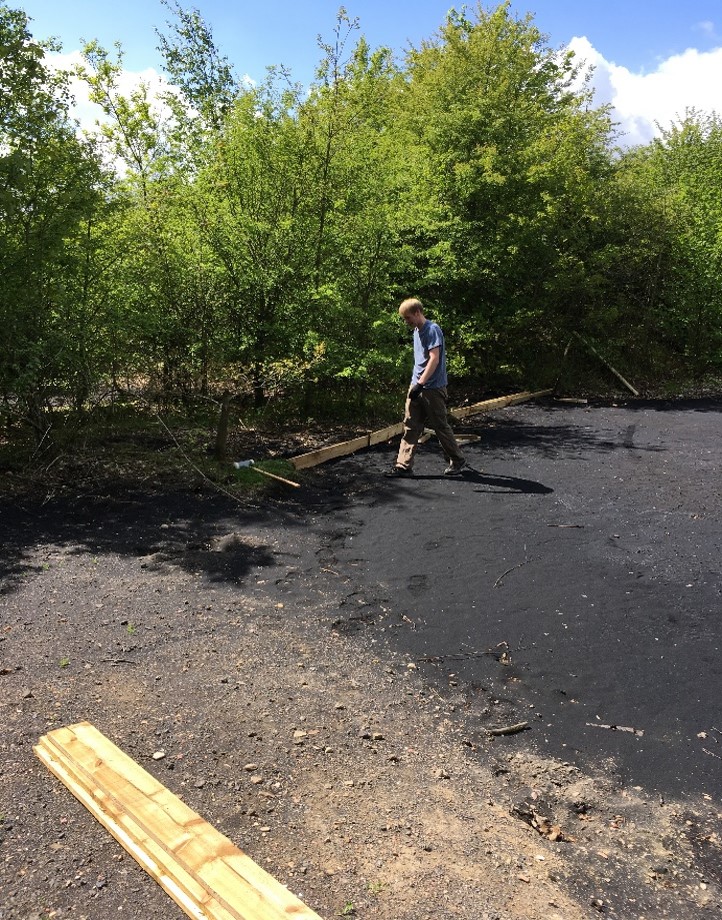
The Planting of Willows
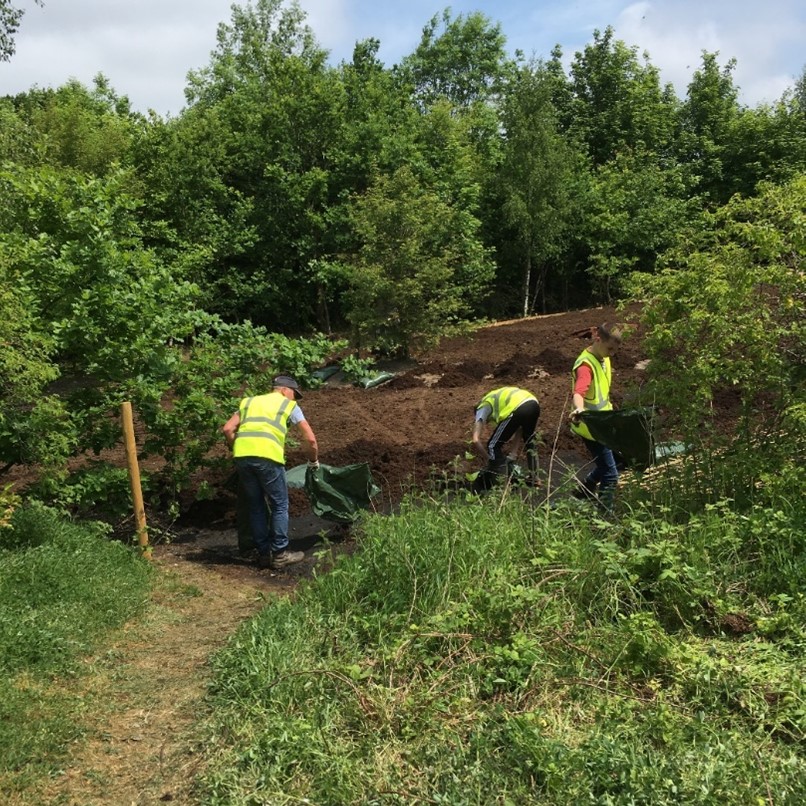
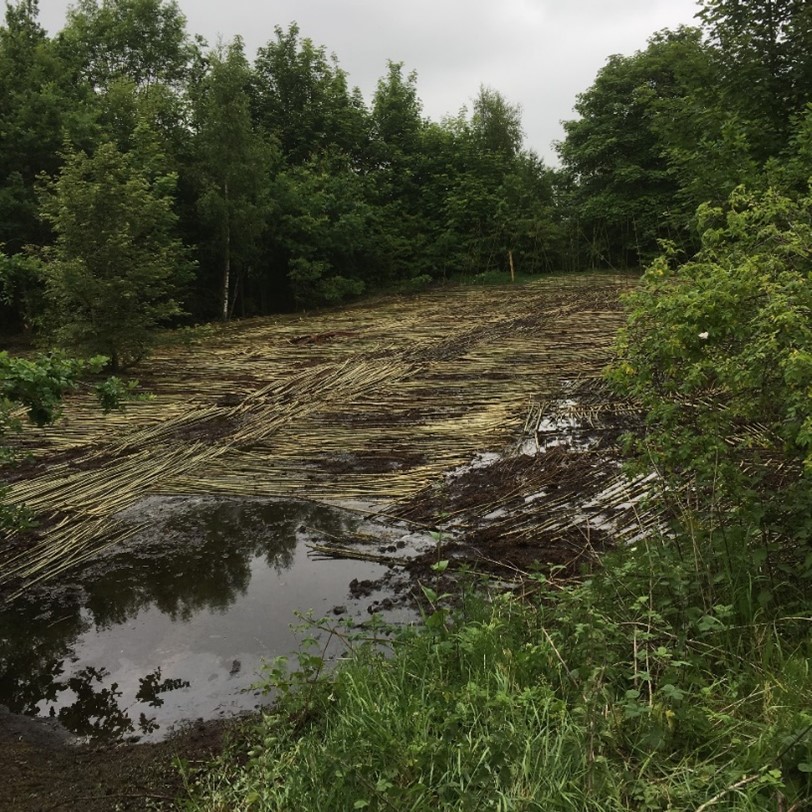
The first watering and the start of four months without rain. 2018, what a year to plant a willow.
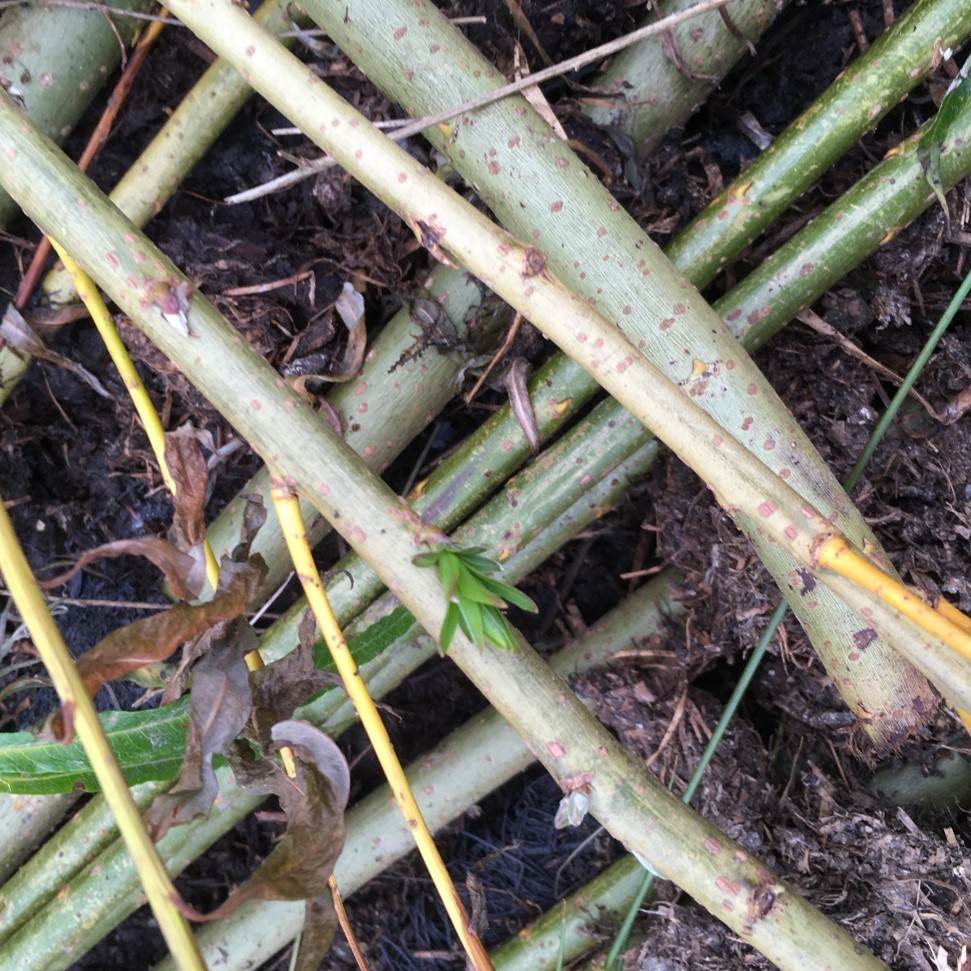
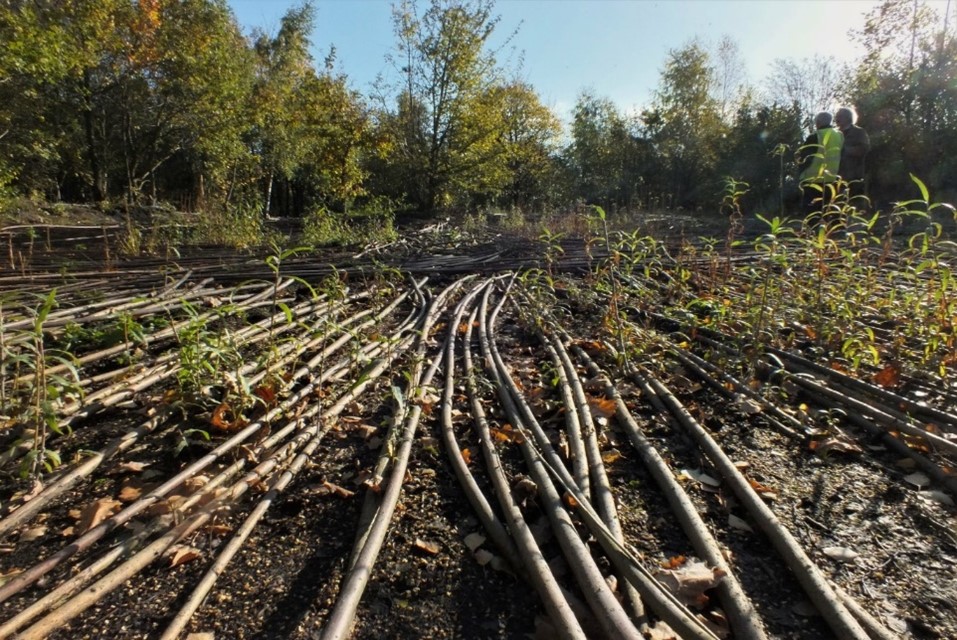
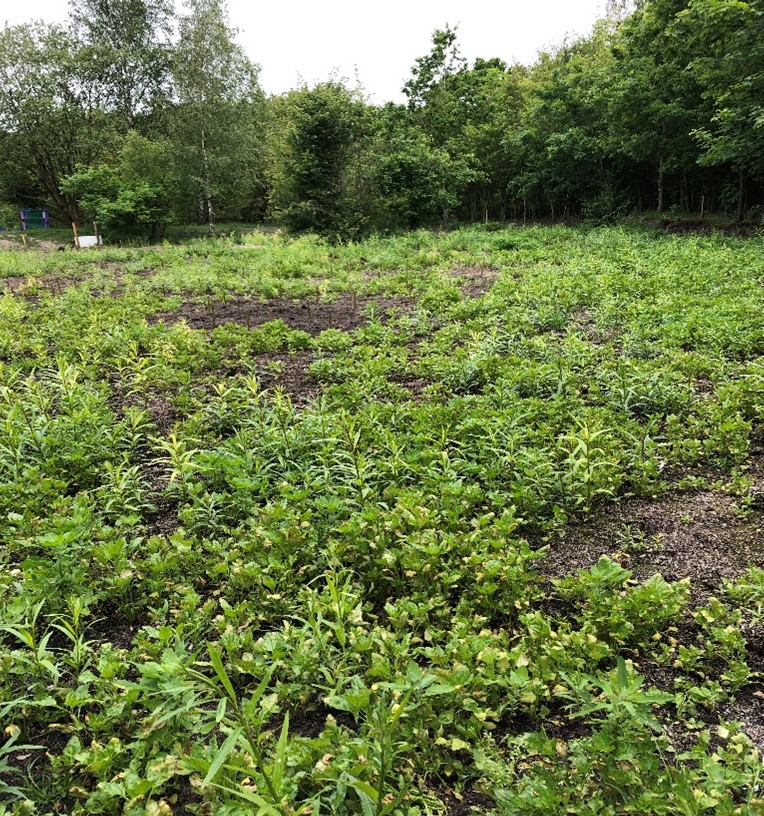
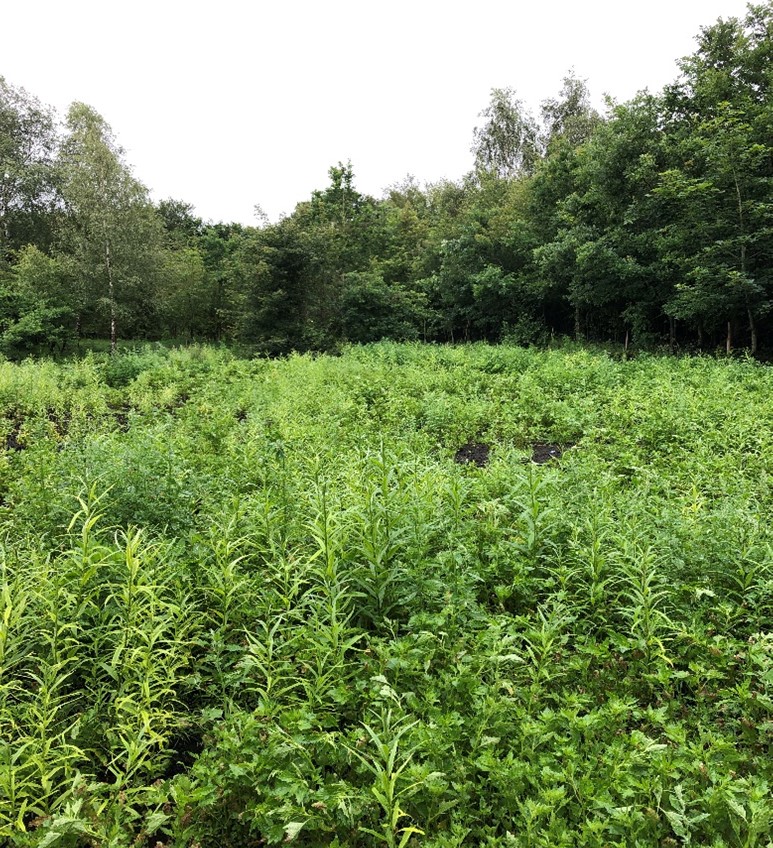
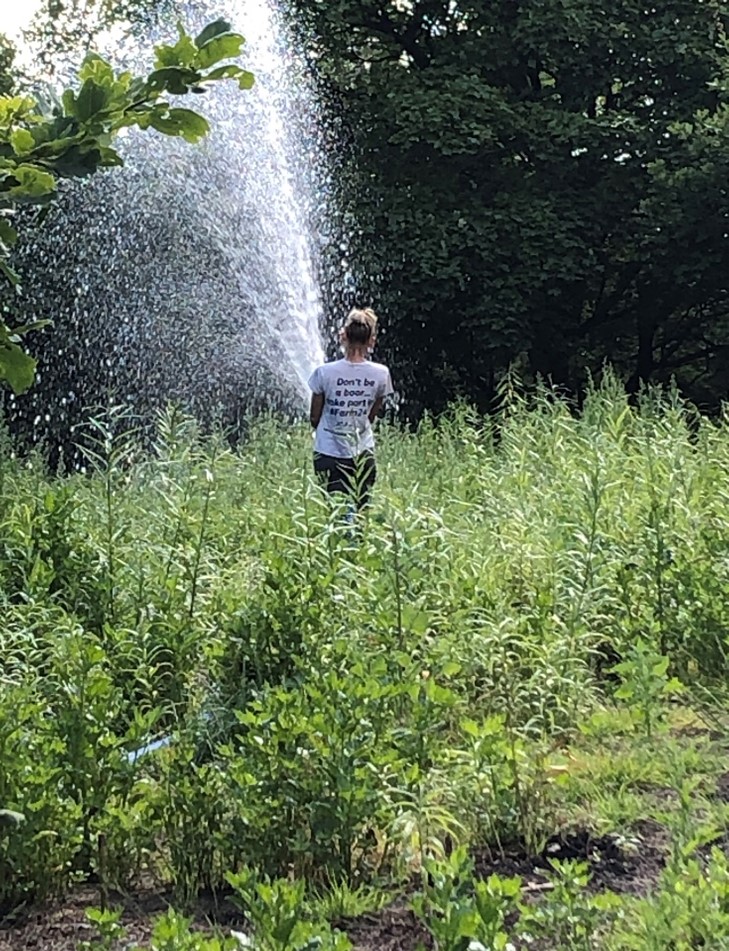
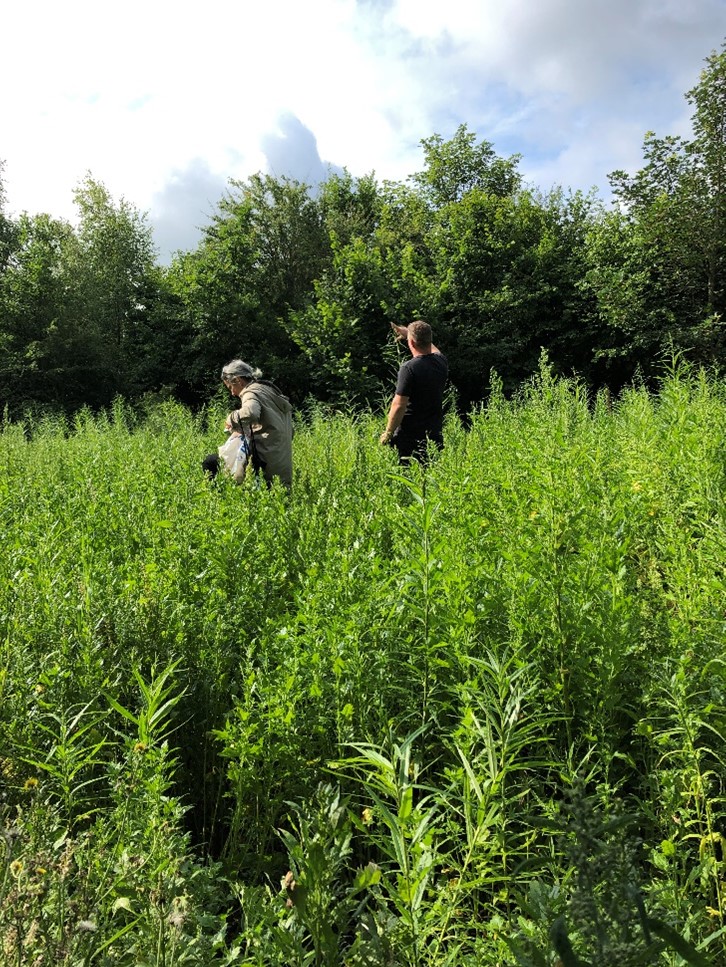
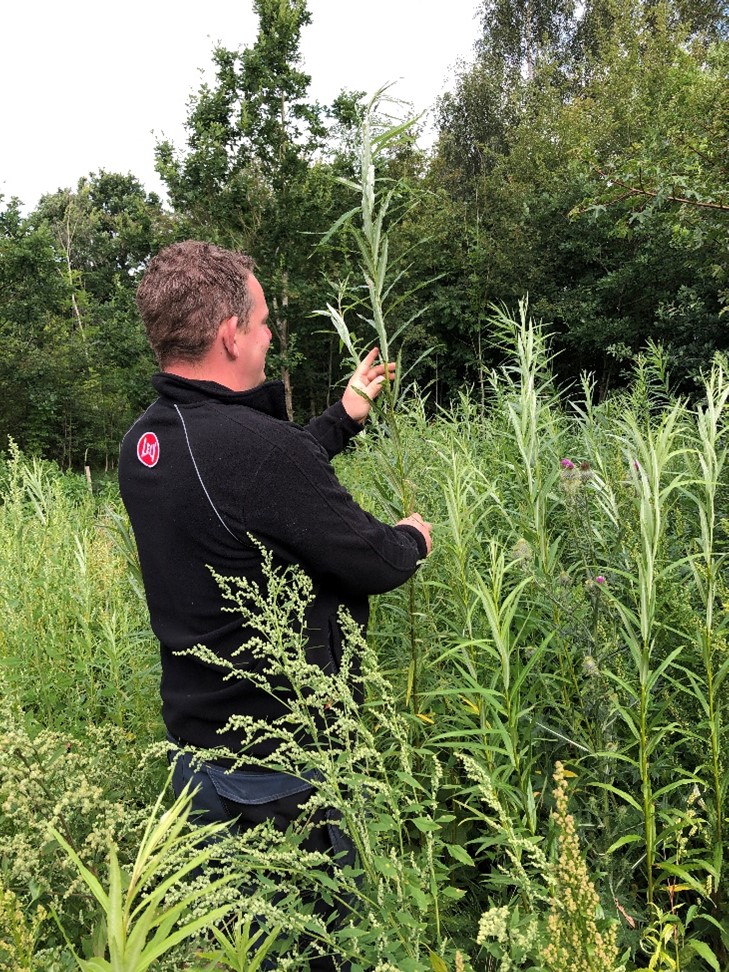
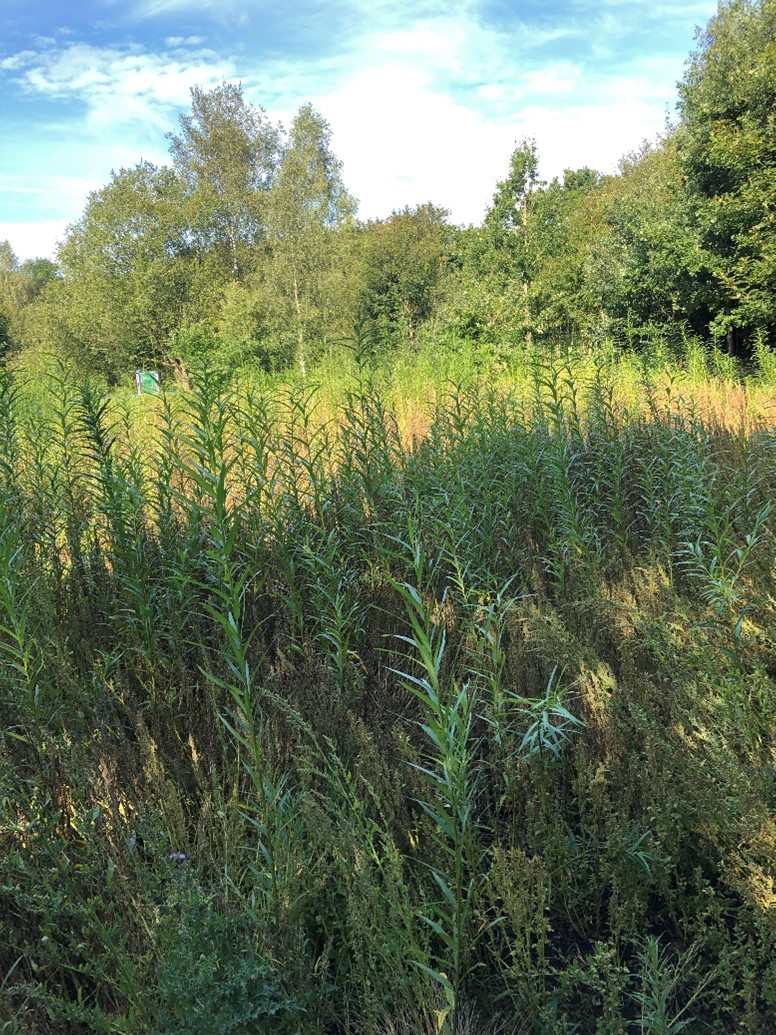
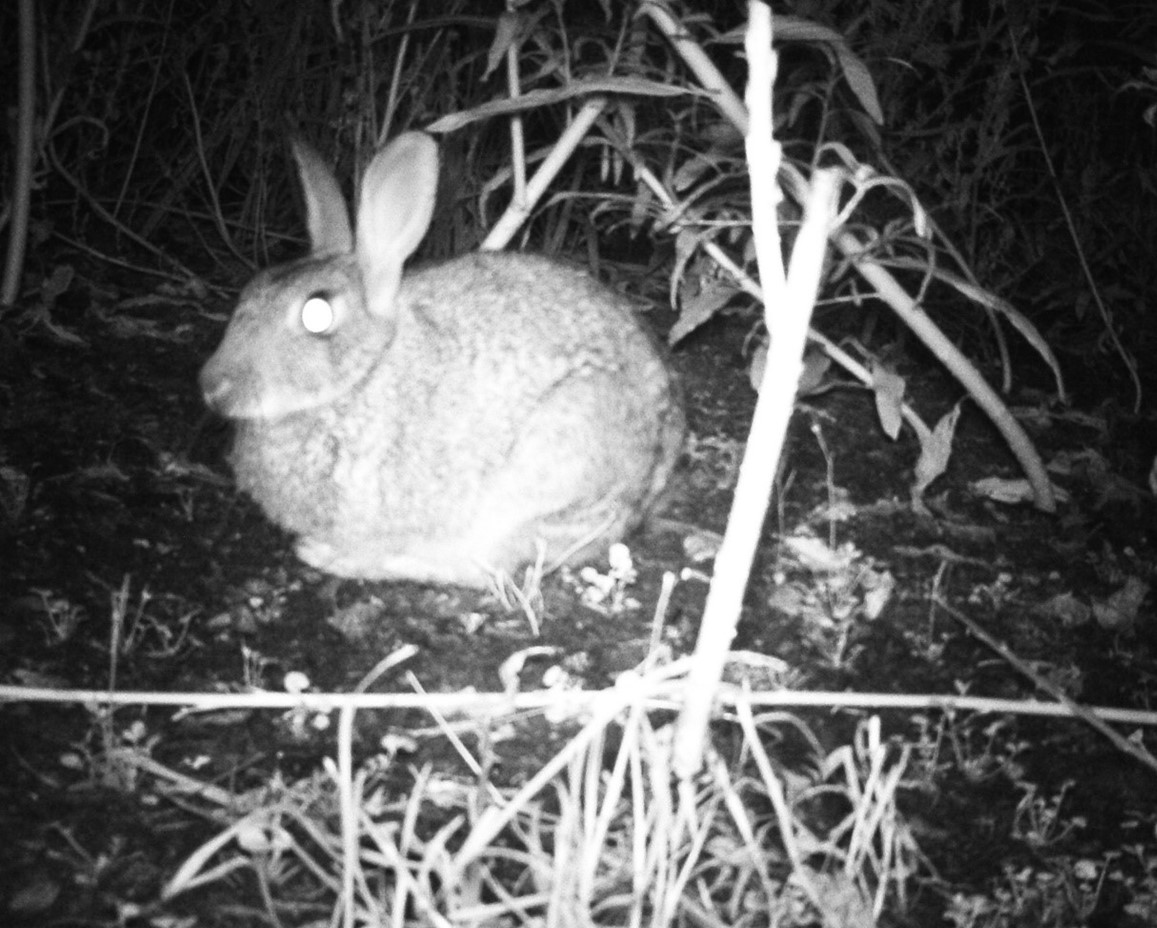
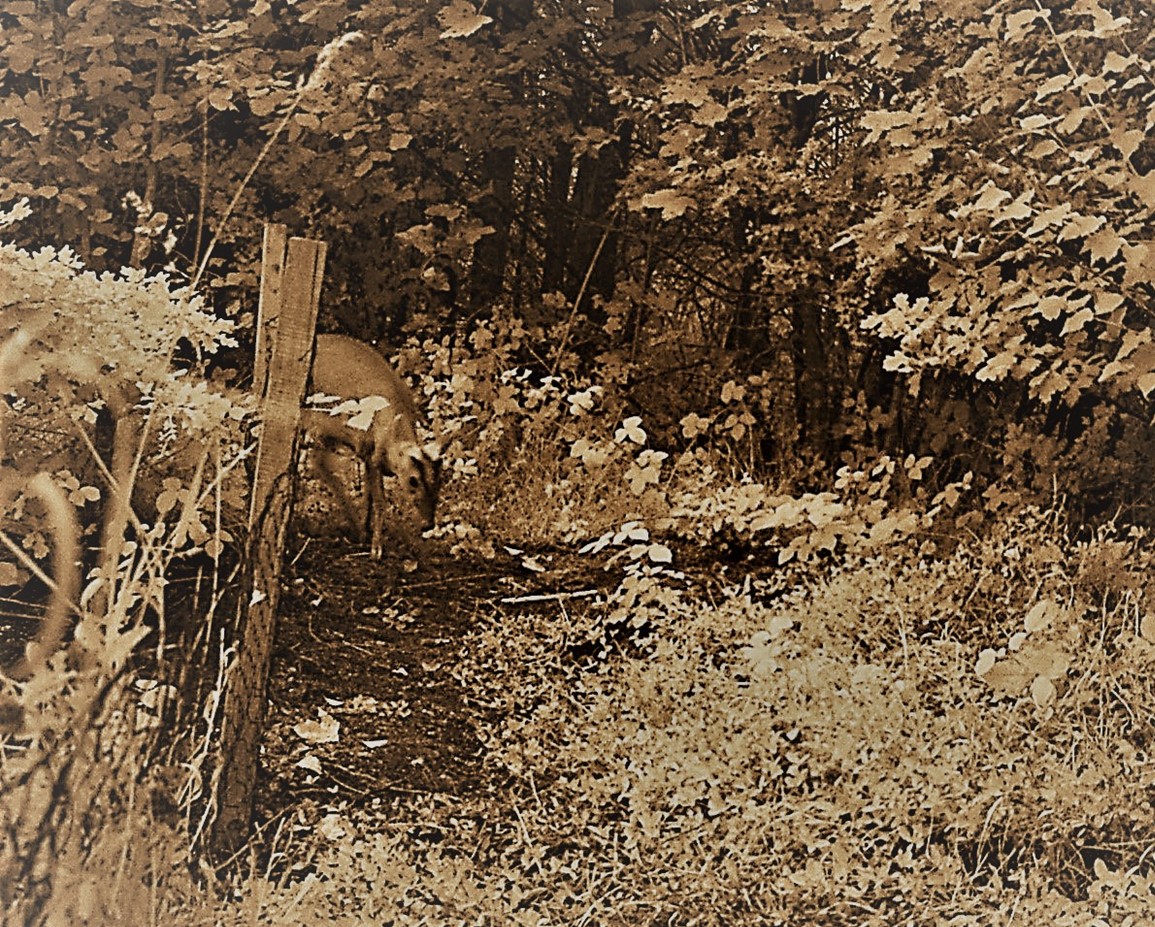
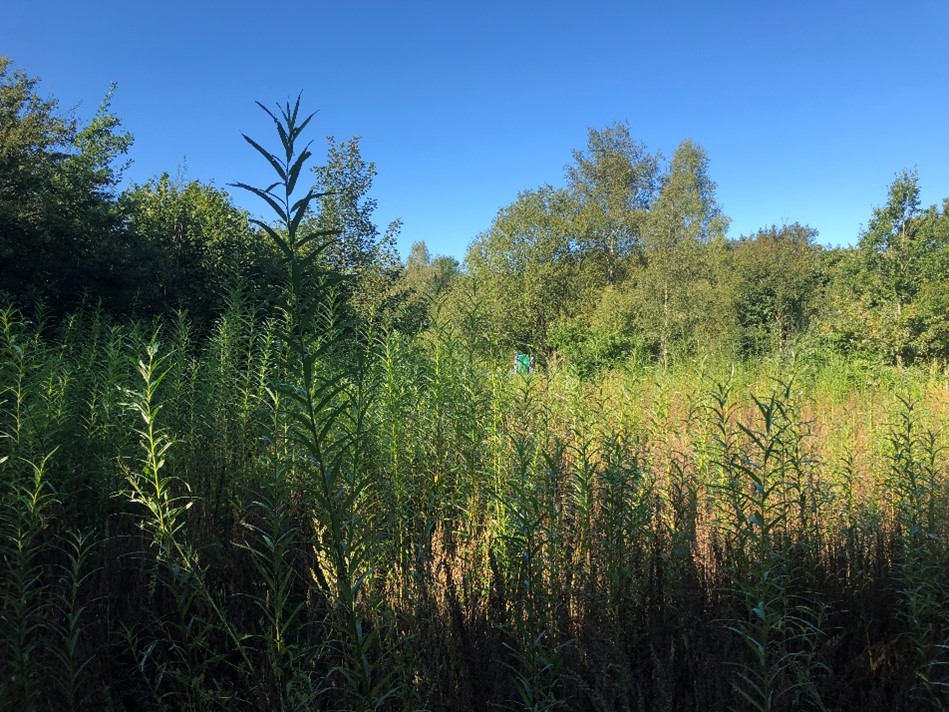
Summer 2020
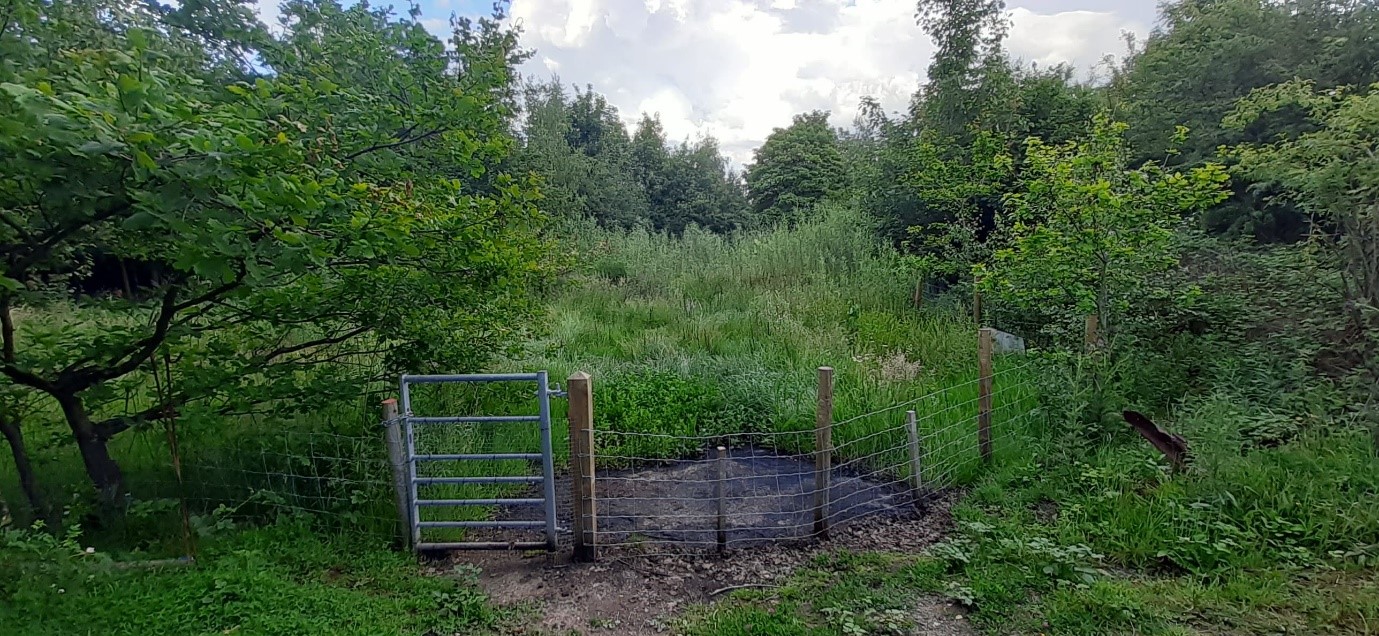
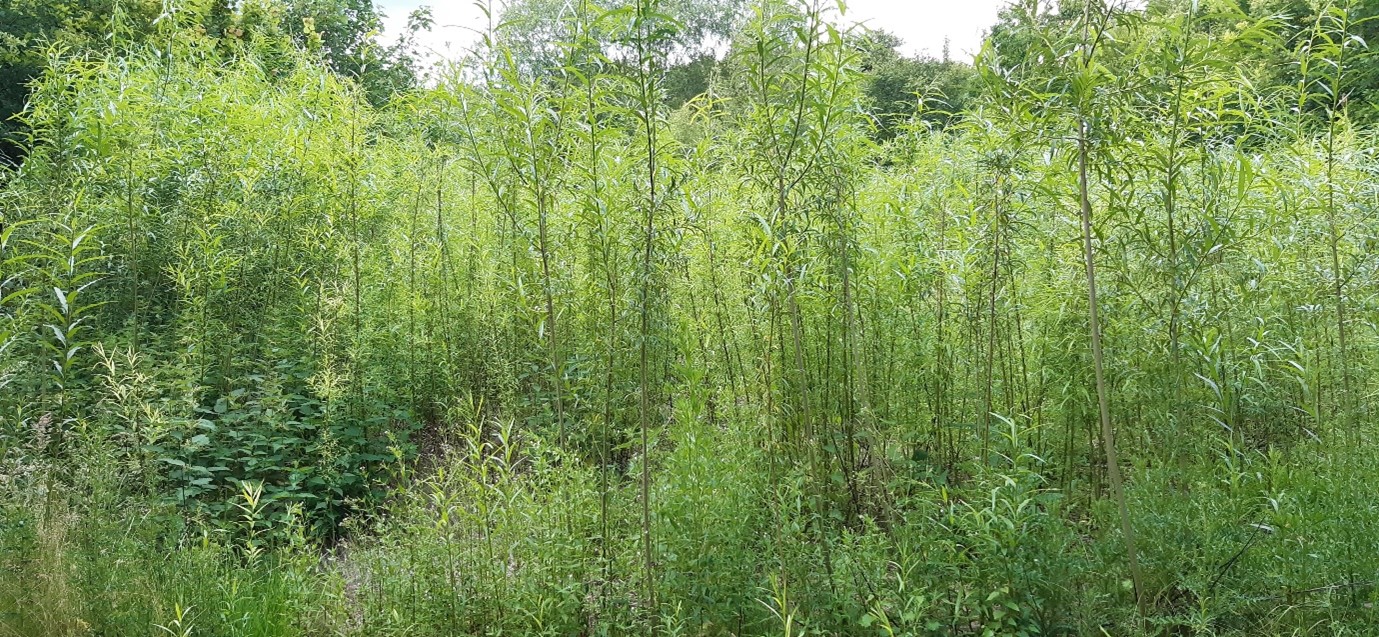
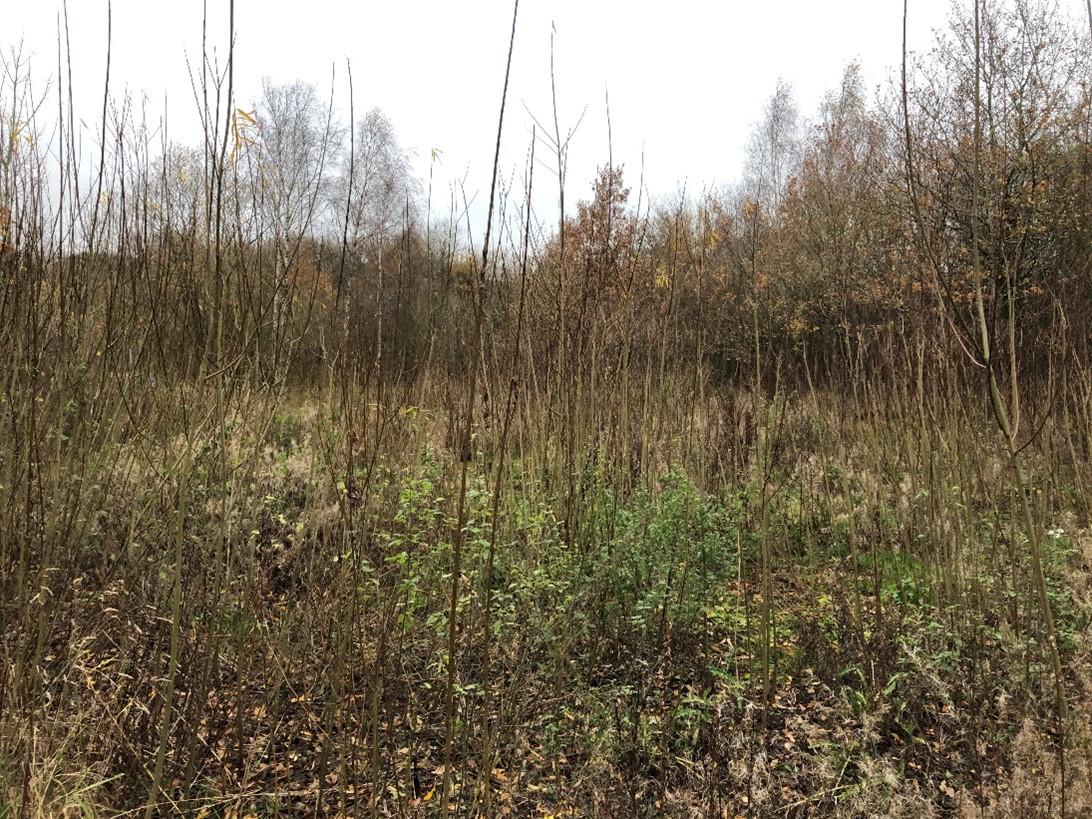
Autumn 2020
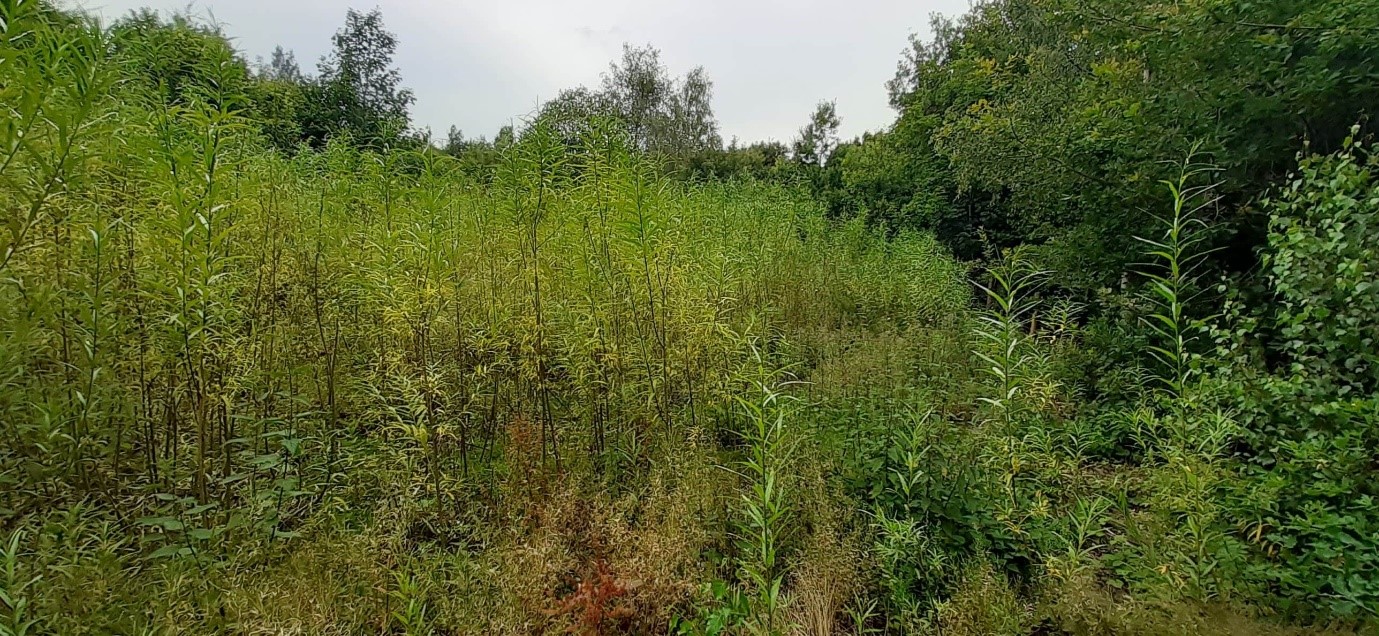
It is nice to be recognised.

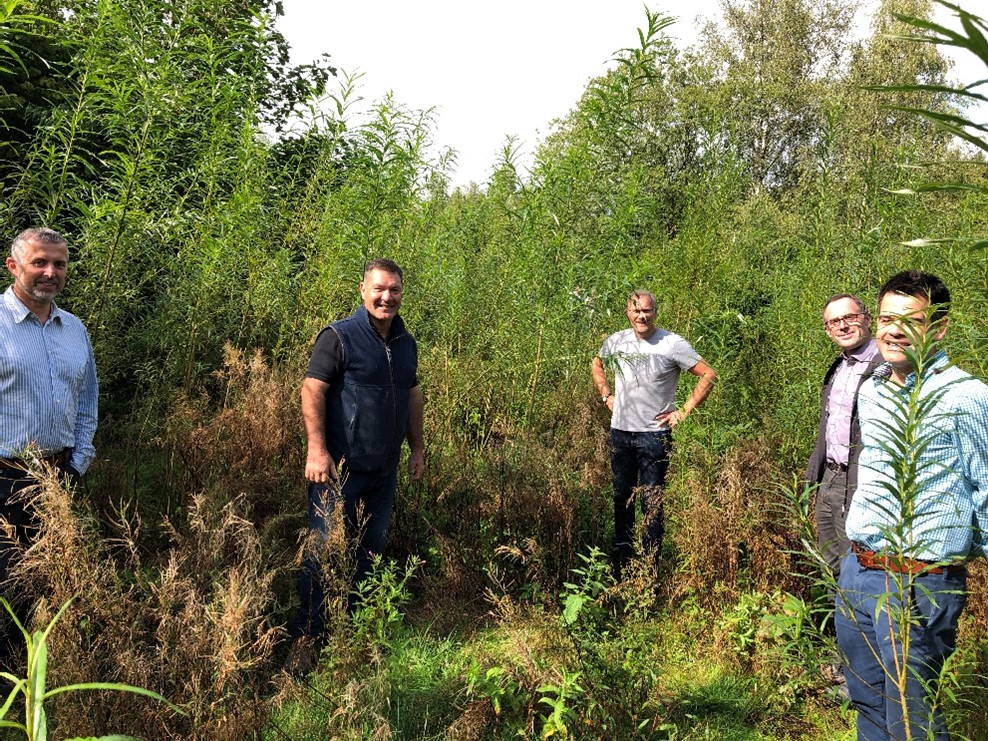
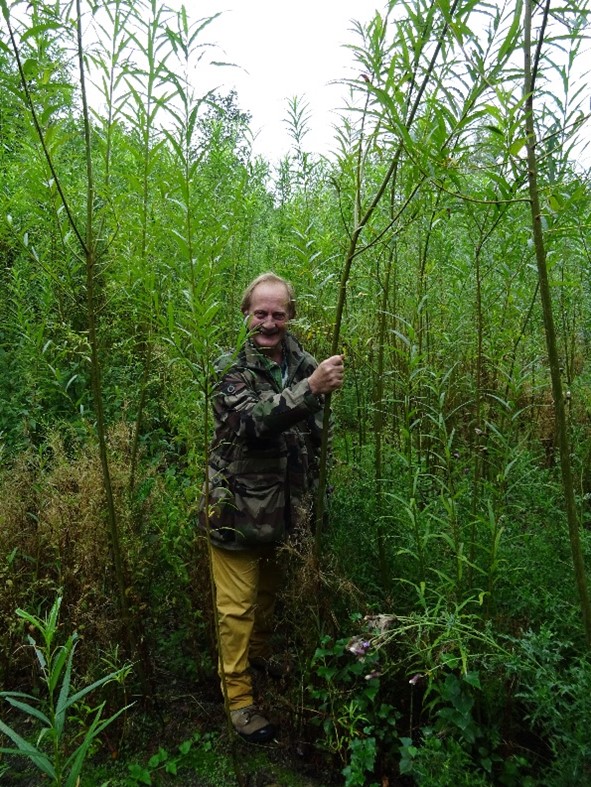
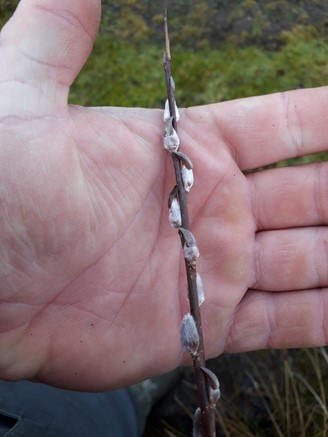
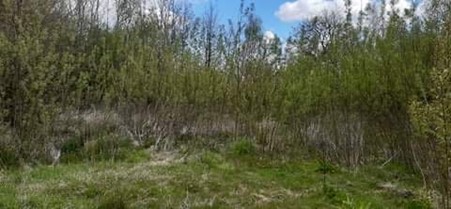
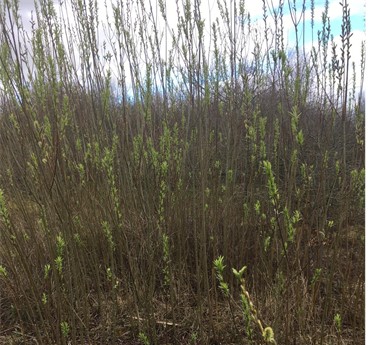
Spring 2021.
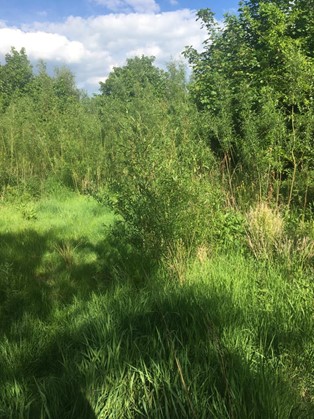
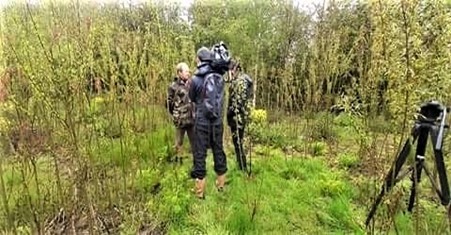
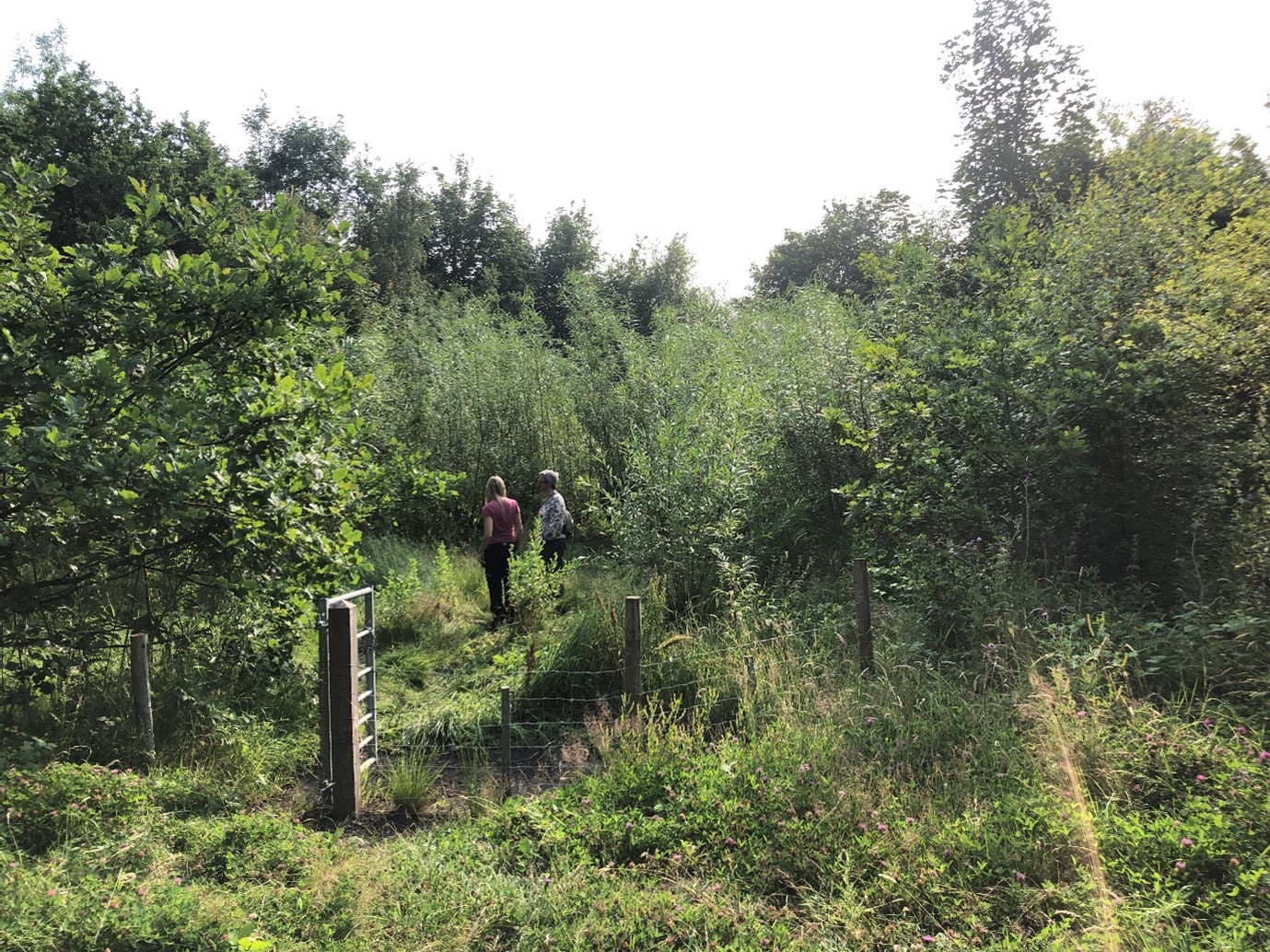
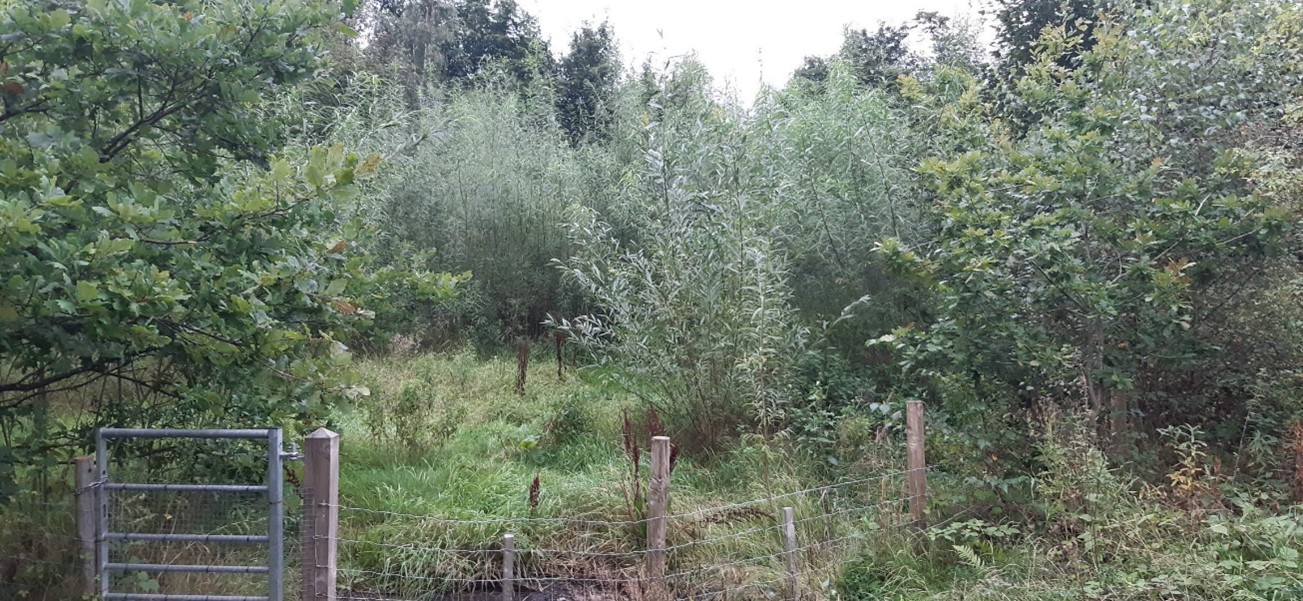
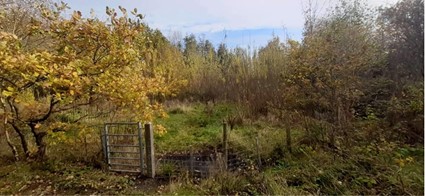
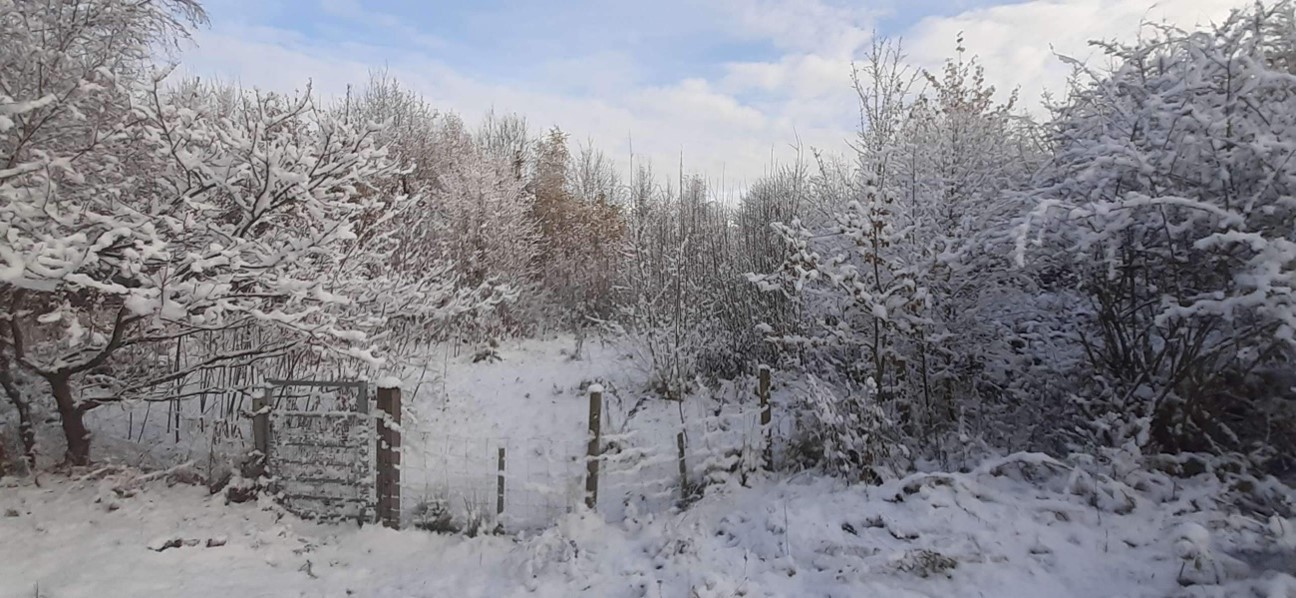
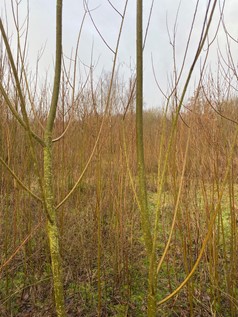
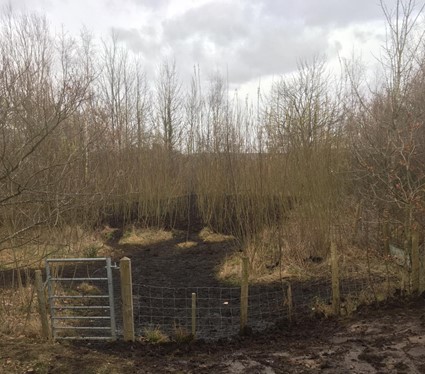
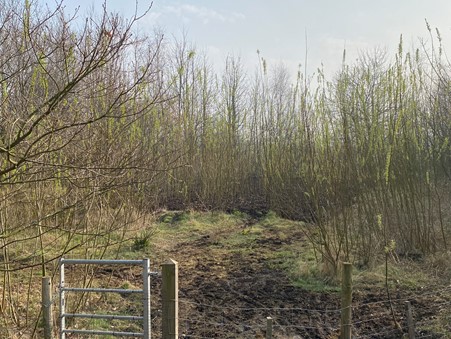
March 2022. Top dressing with compost to retain water plus bring on those smaller willows and encourage further the well establi9shed to work harder. This will be impossible to do again without a lot more volunteers. The willows are too close together to wheelbarrow material through. Water and tars pH7 at surface and to the depth of the roots (maximum 1.5 metres depth at present).
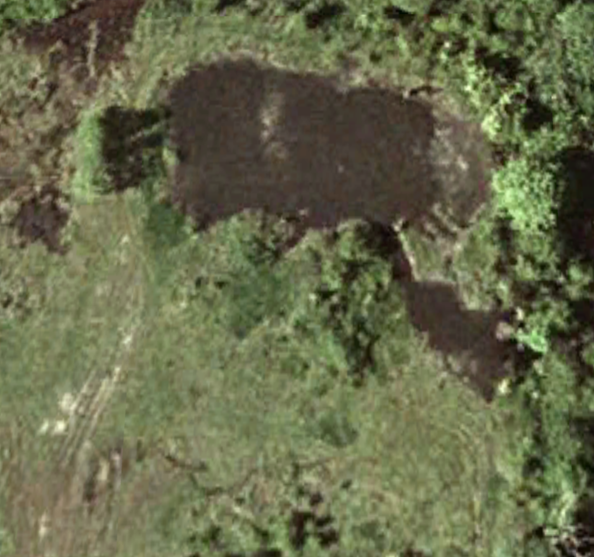
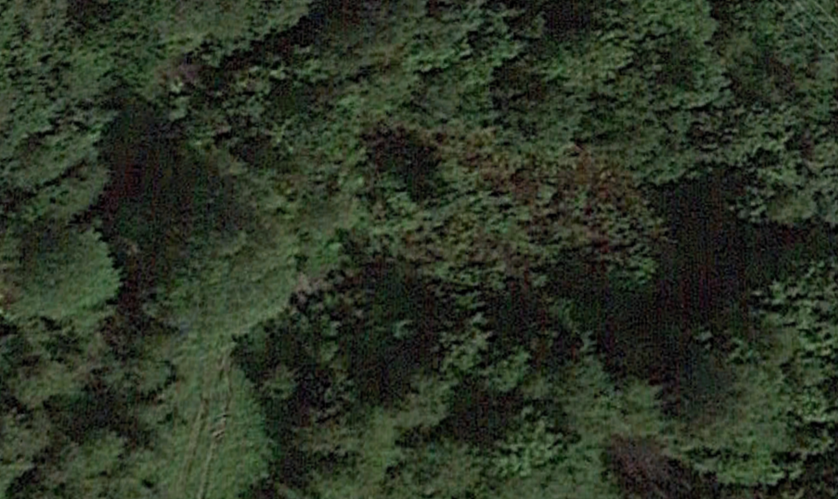
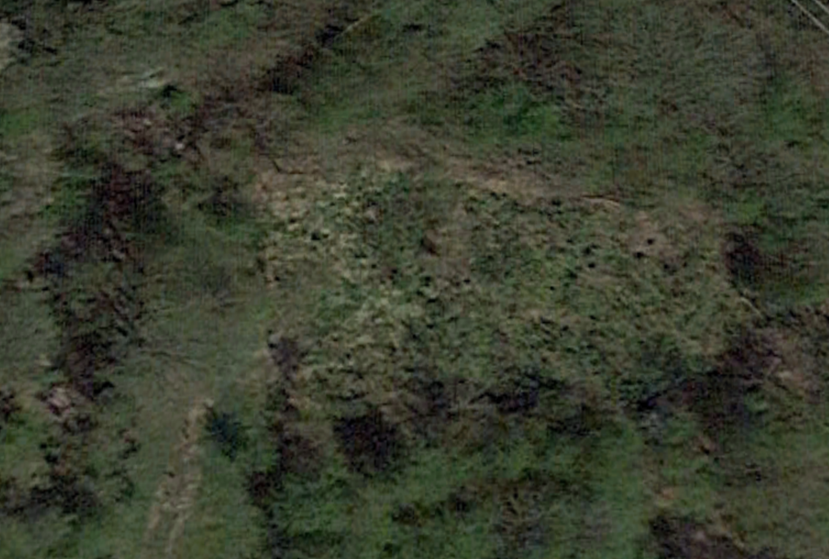
Google Earth Images.
This project is supported by a number of bodies and companies including:

Michael Marks Charitable Trust