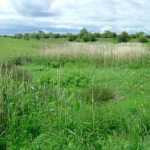
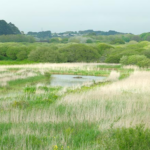
Cinderhill Tar Pits are the location of a major project that Clean Rivers Trust is undertaking. The site is today set in what might be referred to as countryside and indeed part of the adjacent area is classified as green belt.
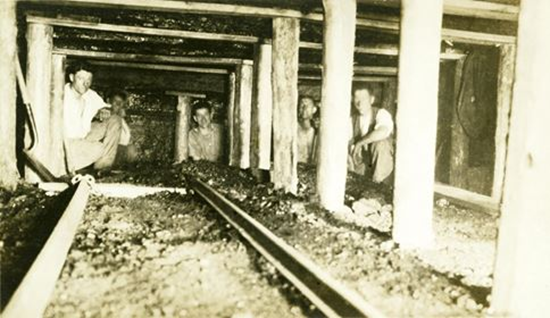
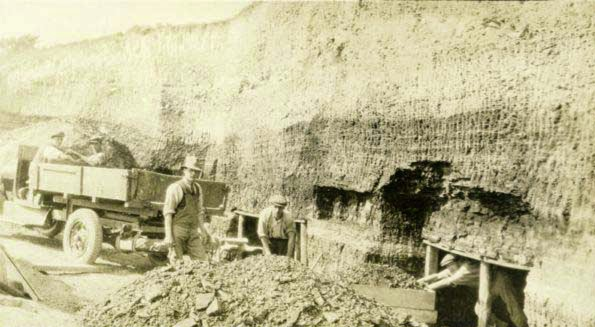
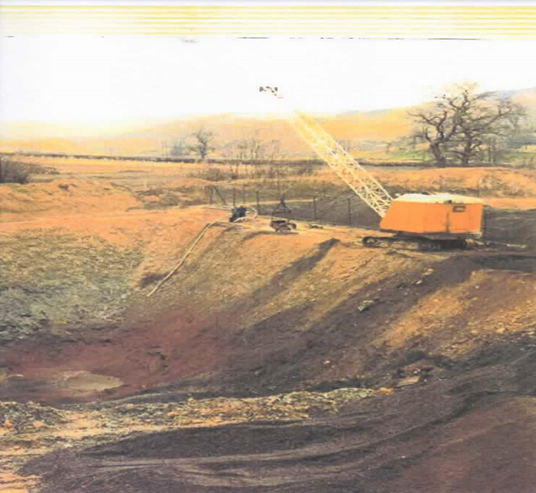
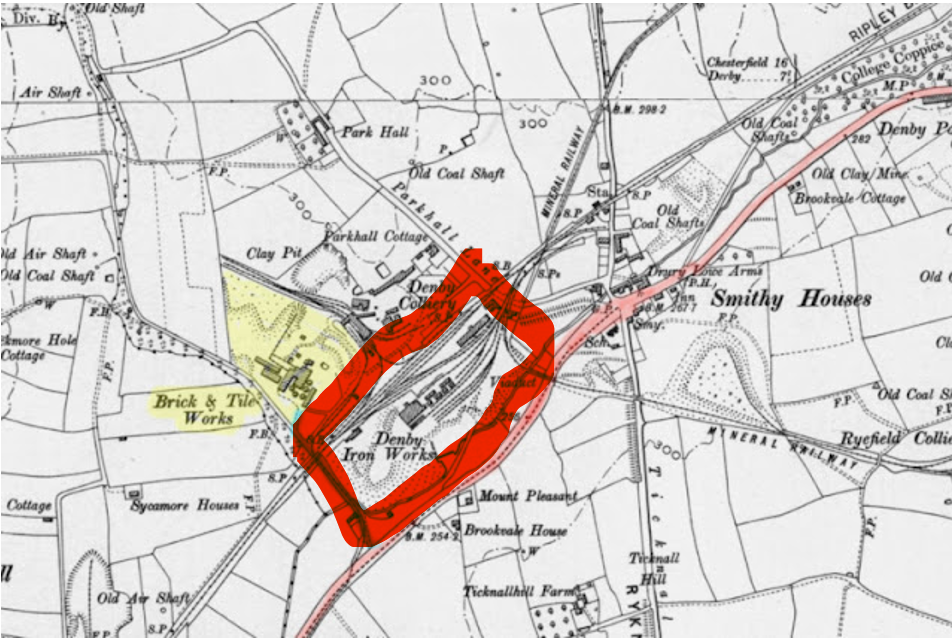
It is though worth looking at the area around our site to understand what made this area a location for the disposal of such a pernicious pollutant at this location. It is not so difficult to see and understand why when one realises the scar that was developing in this area. Mining had been conducted for iron stone and clay from the 12th Century and coal mines and drifts following coal from near the outcrops of coal. Later opencast coal and the quarrying of stone and clay for the brick, tile and pipe industry that was locally important. There was even a clay mine worked to win lay at deeper levels from one yard. Brick kilns and iron works flanked the area on the southern border of the area. The land around Cinderhill is little different except for the tars. The area during the 1970s was a post-industrial wasteland. Though open cast is likely to have removed much contamination from mines, brickworks and furnaces the residual grassland created by the coal companies is of little worth for crops and much of the land is relegated to poor grazing, fit only for travellers’ ponies and the like to pick over.
Coal mining. Deep Mining
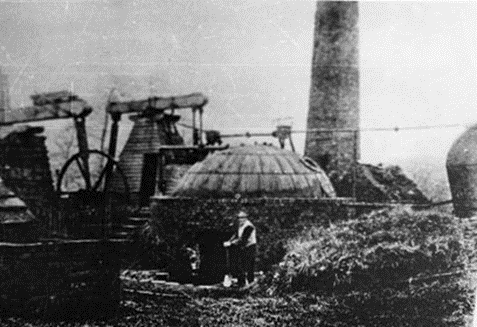
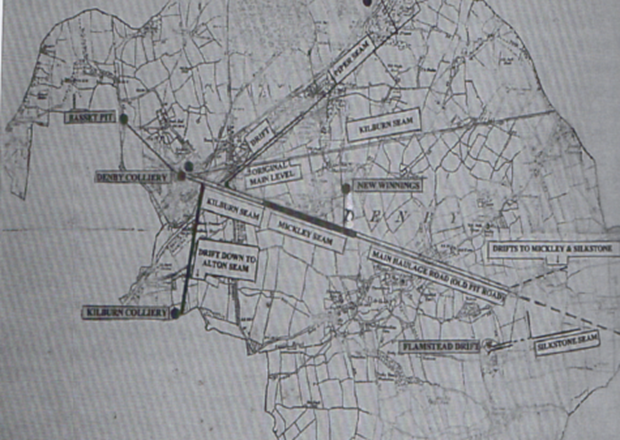
In February 1886 at the Basset pit, Kilburn, the Newcomen pumping engine erected in 1817 was still in use. It was replaced by a steam engine, the ‘Lady Lucy’ in the pit bottom. It was named after the wife of William Drury N Lowe of Denby. The new pump was to last until 1929 when that too would be replaced by two Mather and Platt electrically driven pumps. The haystack boiler at Bassett Pit, was used for ventilation alongside the Newcomen engine taking water from the pit workings.. Bassett Pit was opened in 1817 & closed c 1885. The pumps and ventilation from the site continued until well into the 20th Century to protect the workings at the linked workings at Denby and Kilburn collieries. The boiler was taken to the science museum in London 1960).

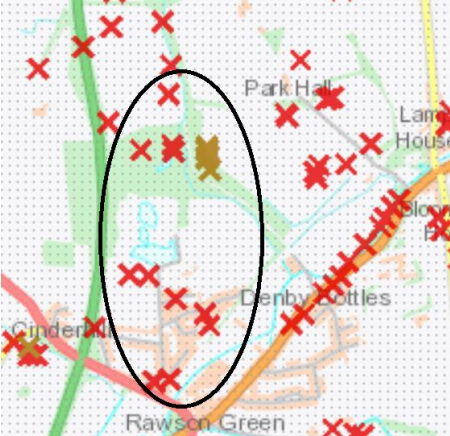
The plan below demonstrates the interconnected nature of the coal seams and collieries across the area. The location of Bassett Pit on our research site is connected to workings going many miles to the east into Nottinghamshire. Woodside Colliery pumping station still operates to maintain some balance of water within the whole mining region is 8 to 10 miles distant. During pump maintenance in 2019/20 the pumps were turned off and mine water appeared on site from one of the Bassett Pit entries.
Coal mining. Opencast.
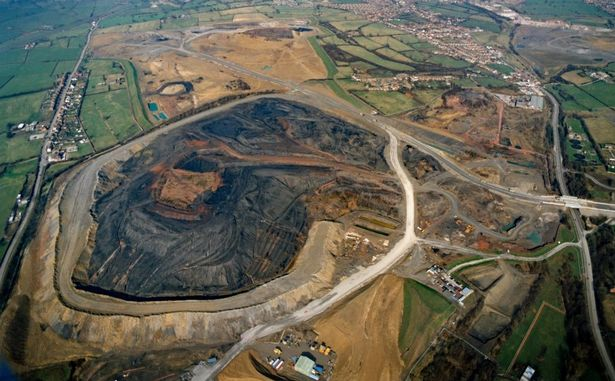
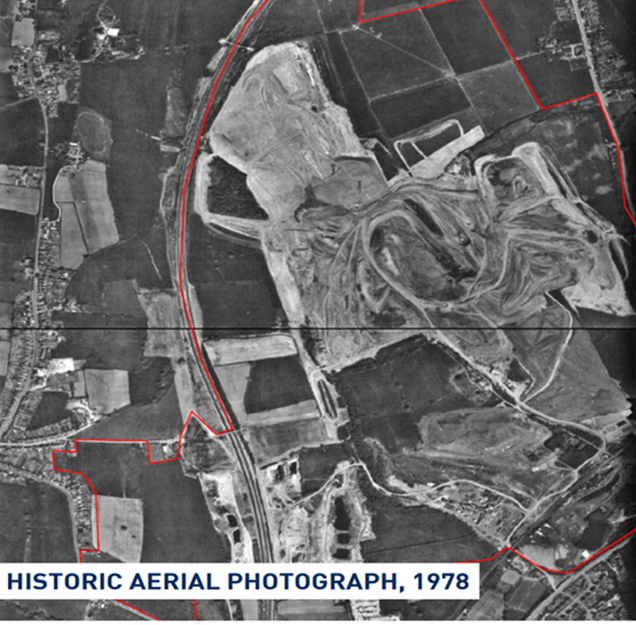
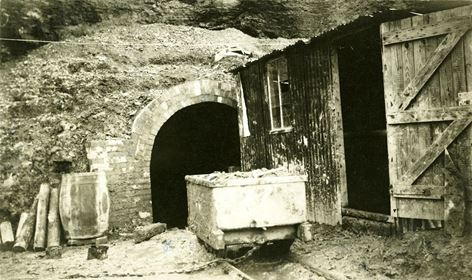
Clay Mining.
Brick, tile, and sanitary works.
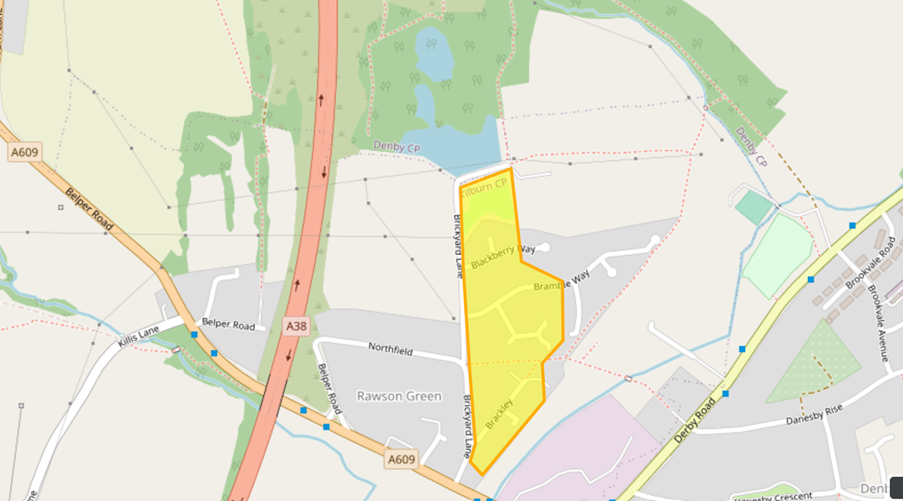

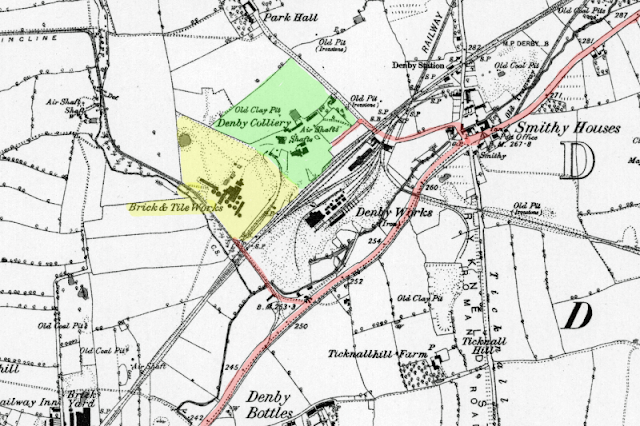
1881 Denby Colliery and Brick and Tile Works (owner, William Drury Lowe (1826 – 1906) landowner and mine owner of the area. Lived at Park Hall). Operators of brick and terracotta works founded around 1840, operating companies included 1869 Greenfield & Stewart till 1874 followed by W. H. & J. Slater to closure in 1982.
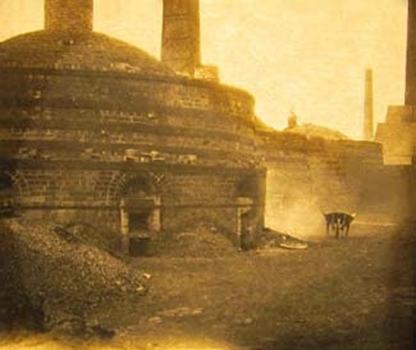
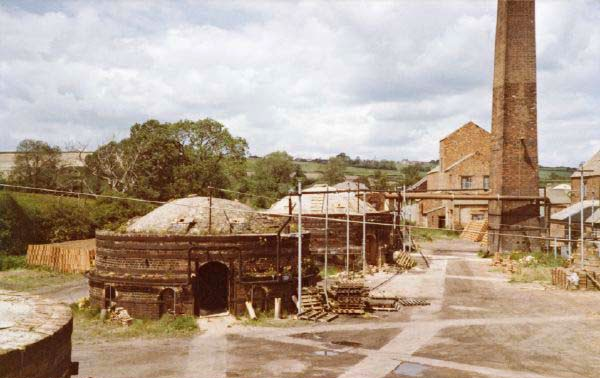
Iron Works.
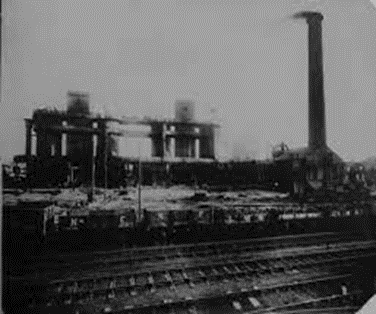
Iron ore was worked in the area from early times by outcropping ironstone layers. In 1860, four blast furnaces were erected at Smithy Houses by the Denby Iron and Coal Company Ltd and when all four furnaces were working, the output was over 1,200 tons a week.
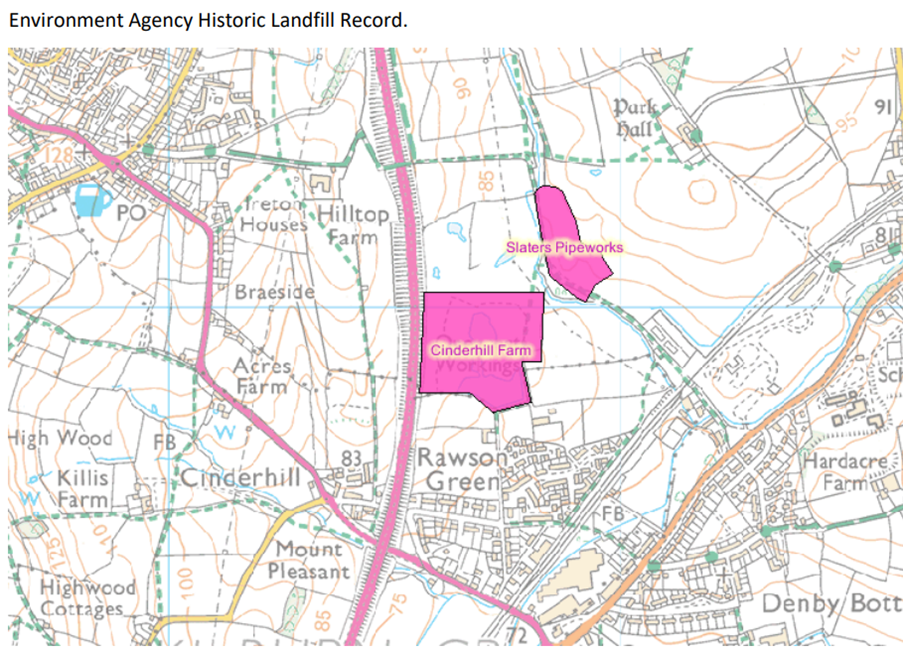
Landfill and Tar repositories. Licenced Sites.
References.
https://eastmidlandsnamedbricks.blogspot.com/2015/02/william-drury-lowe-denby-terra-cotta-w.html
https://her.derbyshire.gov.uk/Monument/MDR8183
https://info.ambervalley.gov.uk/docarc/docviewer.aspx?docguid=59ad87e636be4031845699ecb2646ade