Introduction.
30 years ago, Clean Rivers Trust was starting to look at low pollution mining of metals. We outline the use of bacteria and algae to extract metals from unmined areas using borehole and augers. This research included such sites as historic tailings lagoons in Cornwall and Devon. Alongside tailings we found that several sites near Marazion were suitable to demonstrate the concepts. Working with the help of a water company and their laboratories we were able to analyse wood samples of self-coppicing tree species. Not all types showed the capacity, particularly of taking copper into their trunk wood over growing period of 3 to 4 years from root stock.
This weekend it was pleasing to find that Imperial College London is working with other universities from around the world in the Rio Tinto Centre for Future Materials based at Imperial. The research we were involved with included Camborne School of Mines and was shared with Imperial at the time. We talked with several mining companies, but the attitude was that copper, and most other metals and rare earths were easily accessed by traditional mining methods. 30 years on and the whole scenario has changed.
History.
Mining has been with us since the earliest of times, once metals and coal were found of use they have been won from the earth. They originally were followed from the surface via outcropping seams or dykes of igneous rock that had cooled at the surface. They were also flushed from the landscape as alluvial deposits by inundation. When deposits are not so obvious prospectors looked for other signs that there may be metals in the area, water taste/colour or certain plant growth were tell-tale signs of mineral presence.
Georgius Agricola in his De Re Metallica (1556) outlines the use of plants and also notes that several minerals need not be chased belowground as they are liberated by springs and rivers as sediments.
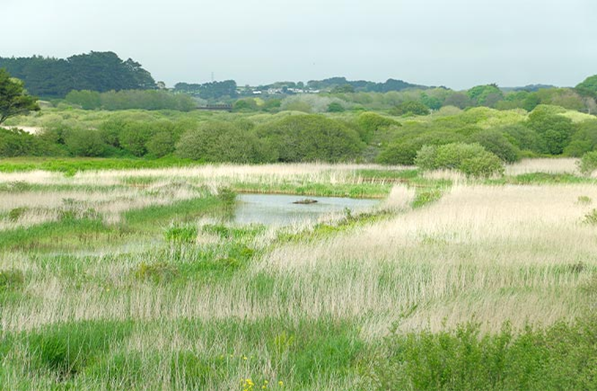
Today we can see old tailings dams and ponds across many areas of Britain and around the world that were laid down many years ago and are now considered as having volumes of metals still present that would be worth remining. These often though might not be suitable to do so for reasons of interfering with the environment of the local communities through dust or noise.
A Cunning Plan.
Rather than make a mining project be unpopular in areas where mining has ceased the thought of farming trees or other plants will be a far more acceptable alternatives. Alongside the benefit of gaining minerals via harvesting plant matter and where the plants are perennial, or coppiced carbon sequestration may be a viable option in accounting for the sites.