The last quarter has been surprisingly busy though the thing that took up most time was the least productive activity. Dealing with the requirements of the bank reporting to the treasury on the activities of charities. The ongoing story of PVC consuming fungi and the likely need to help name it is exciting.
We have met new companies and projects, and have spread knowledge of the Trust and its activities to new groups and organisations; both by meetings and through the web site and social media.
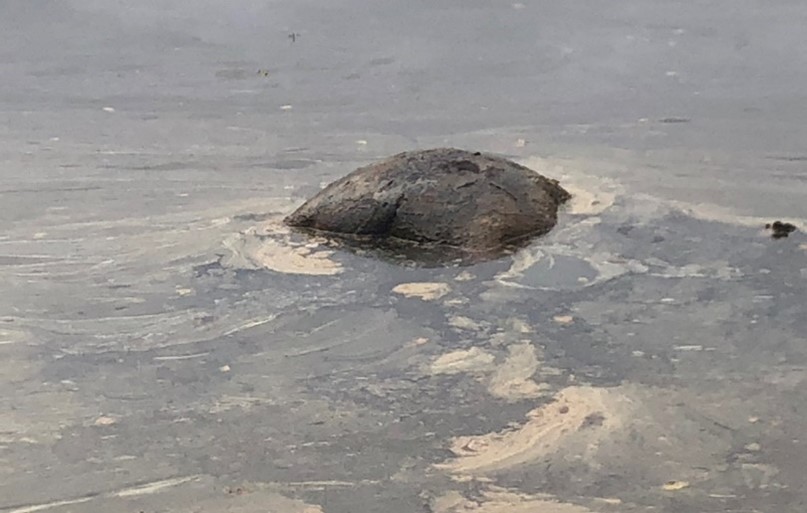
Tar Pits.
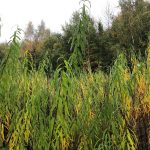
Our work at Cinderhill has gone on with a group of new willow cuttings being planted, these are of two new and robust variants, one from China and the other a Scandinavian hybrid for biomass production that has drought tolerance to trial. Thanks to the Willow Bank Nursery for their ongoing interest in our research.
Other cuttings have been harvested from willows about the site that have also been planted to replace some of the fatalities brought on by the Great Willow aphid attack of last Autumn. The majority of original cuttings planted in 2018 are just coming into flower at the moment and the site is looking well. Trees are now up to five metres in hight.

Catkins appearing.
Giant Willow Aphid.
This murderous pest has appeared in the Observer and Guardian. We are in touch with the RHS regarding their belief that these aphids are not harmful. We have passed on evidence that an infestation will be highly detrimental to the health of the tree.https://www.theguardian.com/environment/2023/feb/12/track-willow-aphid-gardeners-royal-horticultural-society-scientists
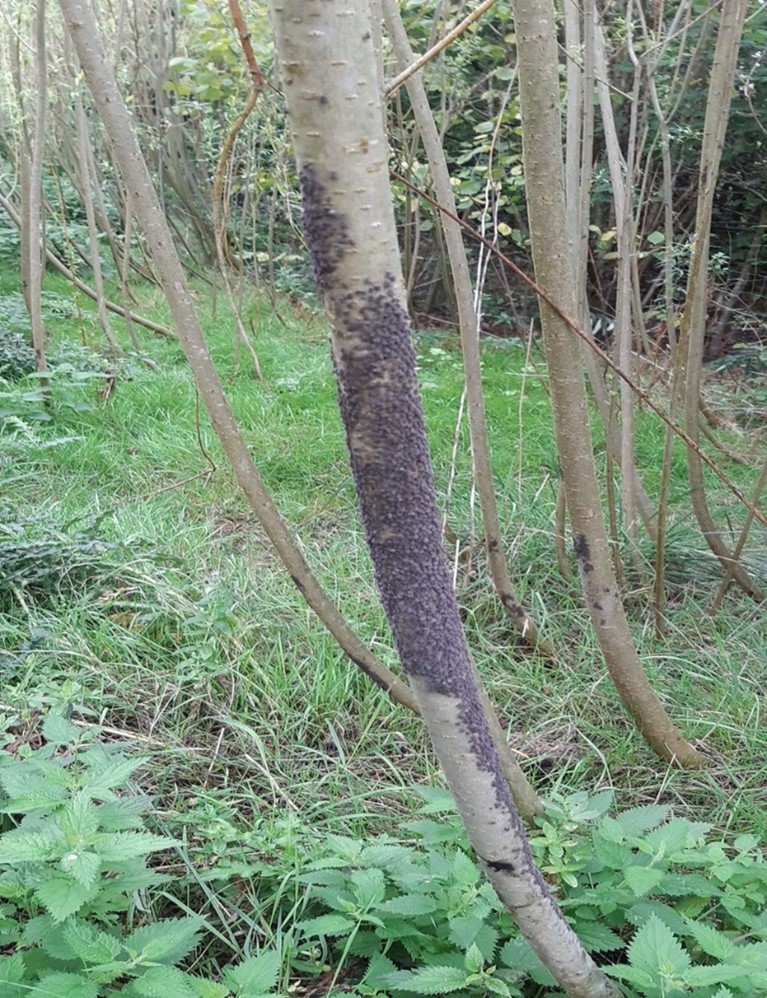
We will later in the year harvest these aphids to look at their dye properties. Where we eradicated infestations last year the bark of the trees is stained. The rain and sunlight over the last six months have not faded the violent orange colour left behind by the insect when removed.
University of Nottingham Research.
MJ has submitted the Cinderhill paper for publication in Science of the Total Environment.
The fungi are coming out of cold store to be DNA sampled and evaluated. More samples from Cinderhill will be taken in the spring.
There are plans to take bacteria and other samples from mine workings and minewater treatment sites across several parts of the UK. This will involve a number of agencies including the Coal Authority.
Molendotech, Brixham Laboratory.
Plymouth University have produced a testing kit; BacterisK+ which allows bacteria counts in water to be conducted in the field. It appears to be a huge leap forward in aid work as well as pollution control. It will be of interest to citizen science. Instead of taking samples and sending to a laboratory with a couple of days turnround to get results the condition of the water is able to read in 30 minutes.
We are talking with those involved to help demonstrate its value..
SSG
The company based in Solihull has brought a Canadian enzyme methodology to the UK. We have met with them and are in discussions to look at trialling the method on acidic tars and other polluted land.
Hoole Bank.
The council has been in touch with us to ensure we are still interested in looking to remediate the site. The acid tars are, and we have outlined an initial trial to help engage with the Environment Agency.
Balderton Lake.
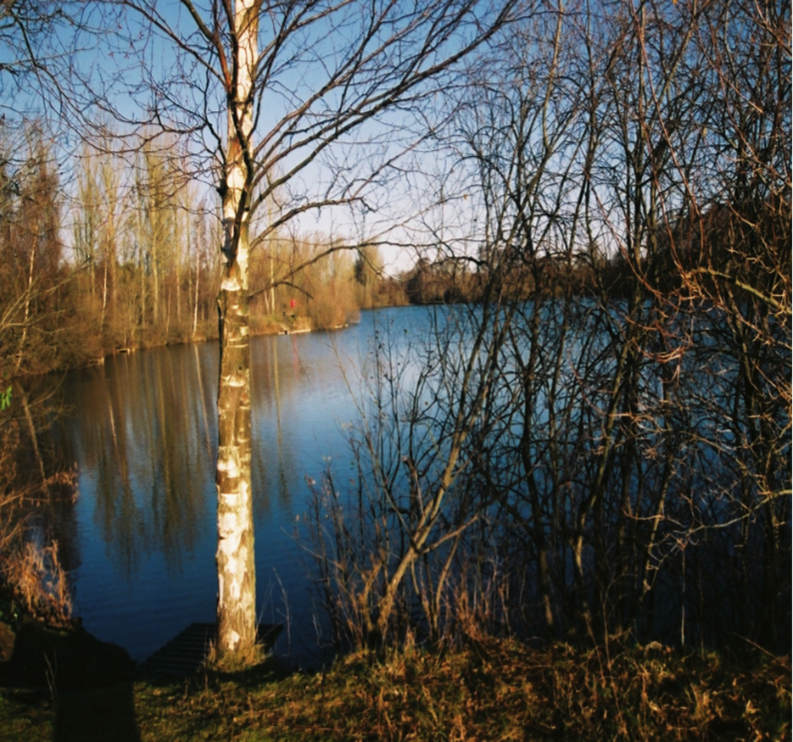
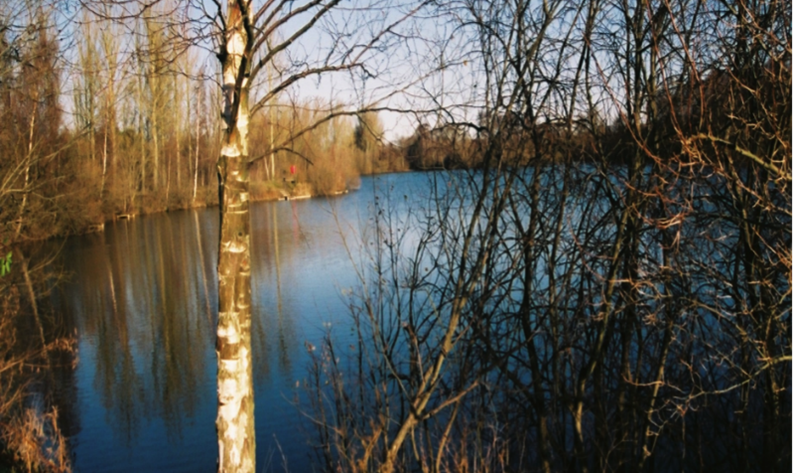
The Trust conducted work regarding this site in Newark 9 years ago. We advised the owners, Balderton Parish Council, about habitat creation and bank stability. We also engage with the University of Hull regarding improving the fishery. Since then the fishery is let to an angling club and wildlife, including otters pass through the lake and hunt its waters.
Now local residents have contacted us wanting advice regarding the proposal to turn the water into, in part a kayaking facility that would be operated by the YMCA who are developing an adventure centre and hotel alongside the lake.
There are bad feelings on both sides and some stakeholders are too frightened engage with any discussions. The YMCA appear to have acted in their best interests and we have been informed by residents of the area that they supply the schools of the area with playing fields and the local MP with office space.
We are trying to contact several parties to see if there may be a satisfactory way to go forward.
River Wye.
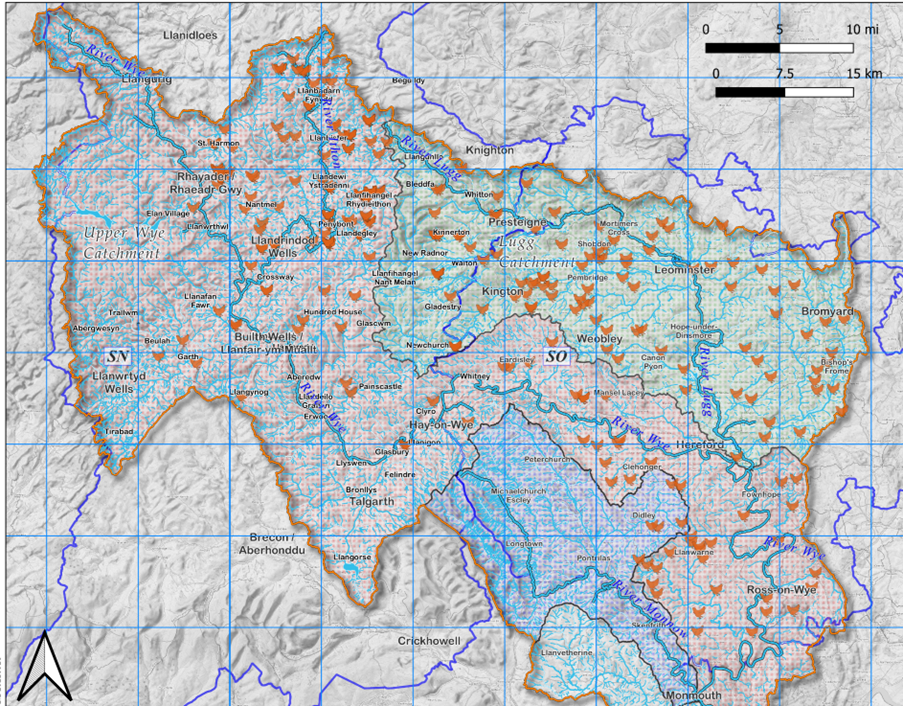
The Trust’s involvement in trying bring about agreements for better management of chicken and other agricultural wastes is seeing positive movement. A new company who has been awarded major supermarket contracts to supply 4 million plus chickens a week to the market have made us aware that they are aware of our recommendations and are preparing to implement methods that will improve waste handling, recycling and river water quality.
Wash Barrage.
The Wash proposed barrage and free port is a conundrum that is taking time to research and develop some outline plans. The UK Government is unlikely to afford a flood defence scheme that does not include the loss of a large proportion of the grade 1 land in the fenland south and west of the wash. Such loss adding to importation of vegetables at a time of limited desire to increase the nations carbon footprint. The thought of a free port is a method of paying for such defences as would a less intrusive barrage power generation scheme. There is much more to learn prior to anything concrete might be offered up by all stakeholders to counter the paternalistic offer submitted.
Allestree Golf Course, Derby.
The redundant golf course outside Derby is owned by the city. We are amongst the consultees to its future management. It is to be ‘rewilded’ as a public open space. It is already a popular public area with many different user groups.
Turkey.
The Trust has been talking with various bodies regarding water and contamination issues. We have resupplied our plans for refugee camp sewage treatment and heat and light generation.
This will develop further.
PCBs and Tees Estuary Issues.
The Trust continues to investigate the issues of PCBs in South Wales and elsewhere in the UK, including the Tees Estuary. This involvement is primarily to consider methodologies to ensure remediation of contaminated land and in certain cases dredgings.
Bank.
The saga, as all Trustees are well aware, goes on, though now the final forms are being filled out and submitted. Thanks for your fortitude.
The Charity Commission is starting to link next year’s accounting report to rules regarding prevention of money laundering by charities to all charitable organisations, so this will have put us in good stead for the December report to the CC.
Web Site.
The web site has been hacked again and was down for a few days whilst we had it sorted out. It is a semi regular event 2 or 3 times a year. I hope that we can sort the problem out, so it does not reoccur.
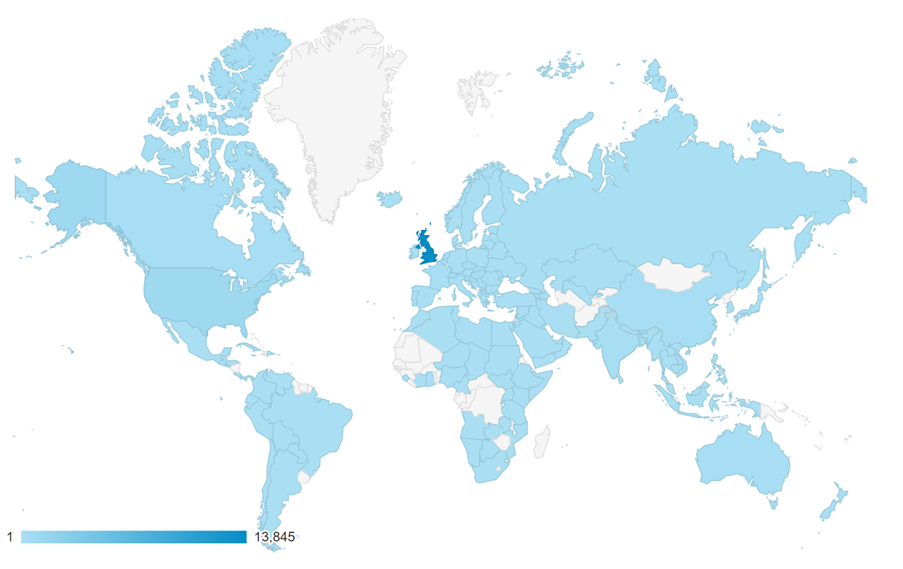
The web site has received 251,691 visitors in the last year. These visitors have come from 133 countries.
Harvey Wood
5th February 2023