Rainbow Trout
Human sperm counts fell on average by 1.2% per year between 1973 to 2000, from 104 to 49 million/ml. From the year 2000, this rate of decline accelerated to more than 2.6% per year. (BBC August 2023)
Since the early 1990s Clean Rivers Trust has been aware of concerns regarding fertility of humans across the world and noted this, to some degree was mirrored by declines in other species, avian and fluvial. These species being particularly vulnerable being reliant on rivers, streams, and wetlands for their sources of food particularly. Declines in otter, water vole, heron and several species of fish including Atlantic salmon have been noted over this same time period and have been easily explained by catch all reasonings of overfishing, nonnative predators such as mink, hunting and poor river management. Such drops in population saw the arrival of greater availability for other species, nonnative crayfish, cormorants, and other species to take up the vacant habits at times but even these new arrivals are in several instances being seen to be in decline themselves. In the mid-1990s we found selenium was responsible for a major decline in viable heron chicks at one heronry on the Nottinghamshire Lincolnshire borders and as that heronry was declining a new cormorant roost was developing. We along with the National Rivers Authority (later the Environment Agency) and others were concerned as the number of pharmaceutical compounds that pass-through humans and via sewage treatment into the natural environment. These are not just preparations aiding human health but veterinary and crop products that enter the human food chain or water supply.
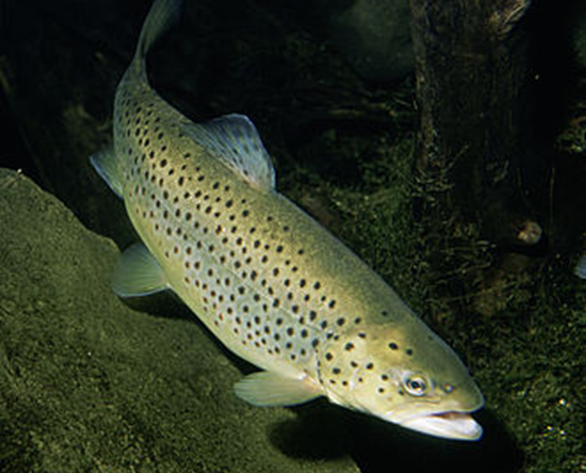
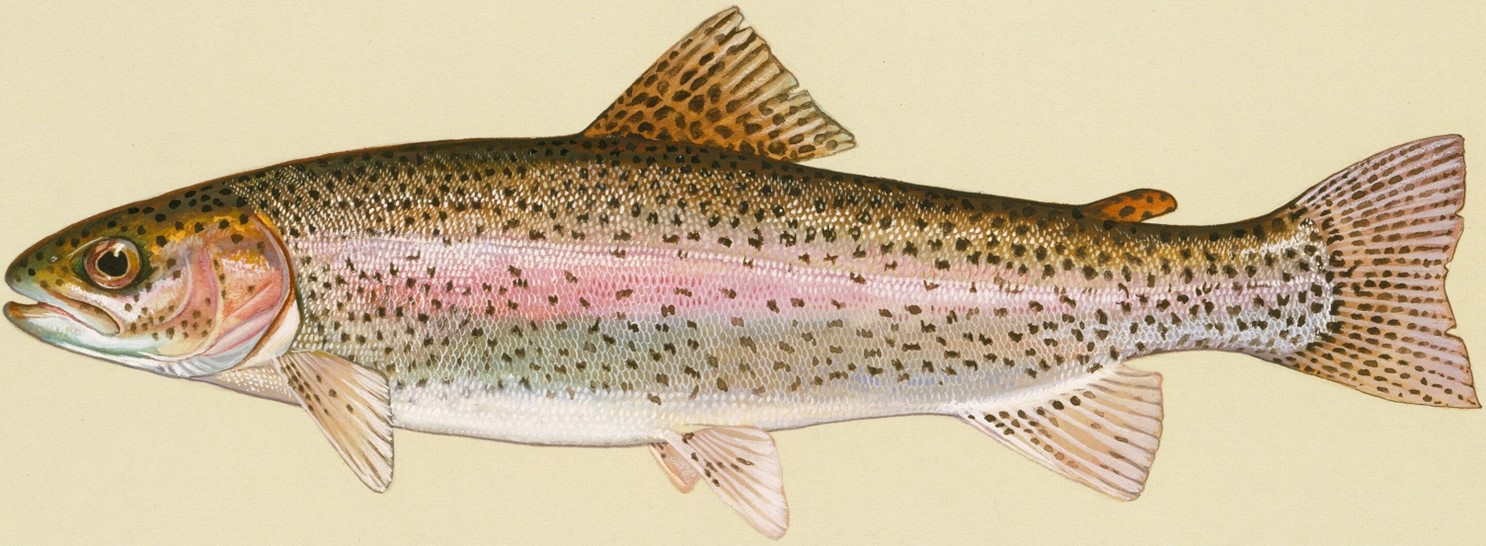
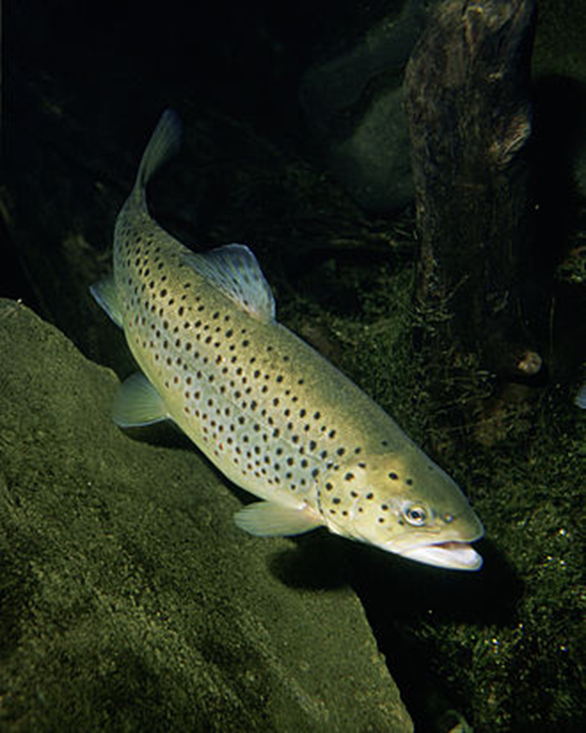
Oestrogenic compounds are amongst the most common sources of fish mutation with growing numbers of male trout becoming infertile down stream of many sewage works. Research in 2005/6 demonstrated that on 15 rivers in the UK about one third of male trout sampled were in a transitional form. Alongside the most easily blamed drugs such as birth control pills and hormone replacement treatments many other sources of compounds are commonly identified. Plastics and cellulose when breaking down in the natural environment produce many chemicals that are not commonly found in water resources used for public supply but are now being identified.
Across much of the less developed world plastics are much more prevalent in the natural environment than pharma compounds but the problem persists in even quite remote areas. The reliance on wild food and its close proximity to pollutants on a modest scale allowing likely bioaccumulation of damaging material.
There are many other reasons being put forward, but the concerns are real and water being the common denominator across the globe may just make us take more interest in the state of our rivers and groundwater.
Brown Trout