Alien wildlife is thriving in the UK. It is hard to comprehend the remarkable number of species of flora and fauna that have entered the UK over the centuries. Some have become ‘native’ species as no one could imagine their absence from the nation’s taxa. Many, aquatic aliens are showing signs of proliferation, colonising new water courses, and increasing their numbers especially over the last twenty years or so. This may demonstrate that some pollutants that held species back in rivers have been removed from the waters.
This short outline paper has been produced to demonstrate the diversity of nonnative species there are and highlighting those that may be considered a concern. It is not a complete list as there are some that are unnoticed at present. There are species long present in the country that are loved whilst others tolerated, whilst a number have been persecuted ruthlessly but ineffectively.
Shellfish and Crustacea.
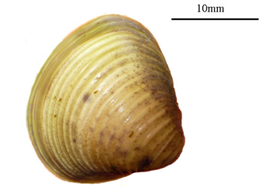
Asian Clam (Corbicula fluminea) were first identified in East Anglian rivers in 1998, but from 2004 they had spread into the Thames. It has also appeared in many of the rivers in Eire and Northern Ireland.
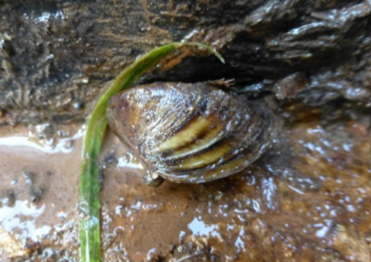
Zebra Mussel originally from lakes in southeastern Russia and Ukraine but over time have spread across much of the temperate world. Arriving in UK waters at the end of the 19th Century. They are swift colonizers of both rivers and canals. They obstruct pipes and machinery. The water companies have spent millions of pounds over the last twenty years cleaning them from water treatment works across England.
Slipper limpet (Crepidula fornicata) are found from Spurn Head on the east coast, along the south coast of England and around that of Wales as far north as Anglesey. They are filter feeders setting themselves in sand or mud. They were popular sea angling bait for many years though since 2016 it was made illegal. It is unknown when it first arrived on the British shore.
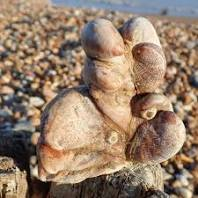
Chinese Mitten crab (Eriocheir sinensis) are becoming widely spread across many of the UKs River systems. They were first recorded to be present in the River Thame in the late 19th century but over the last 25 years their range has increased phenomenally. The females migrate to spawn in estuaries and then return to their home areas afterwards. The crabs live in burrow systems This crab is widely eaten in Asian countries. In China it is possible to buy live Chinese mitten crabs which have been refrigerated to put them into a hibernation-like state from vending machines.
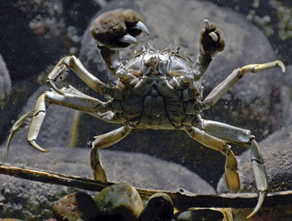
Asian shore crab (Hemigrapsus sanguineus) arrived in the Thames estuary in 2014, though found in UK shores first in 2013. They are small and are voracious feeders of shellfish and outcompete native shore crab (Carcinus maenas). They are appearing at the limits of brackish water and well beyond estuaries
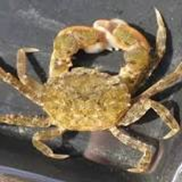
Brush-clawed crab (Hemigrapsus takanoi) was identified in the Medway estuary in 2014. Its neared neighbours being in Jutland.
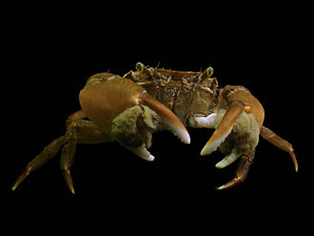
American oyster drill (Urosalpinx cinerea) is a form of winkle that drills through oyster’s shell, liquidise the oyster flesh, and suck out the soup. They are larger and more voracious than the native oyster drill. The main populations of these incomers are the Blackwater and Thames estuaries. Other populations have been identified on/off the Norfolk coast and east and west of the Isle of White.
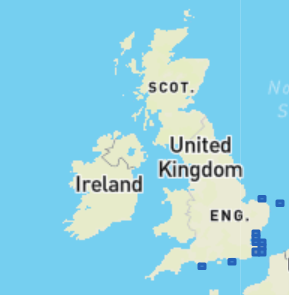
Signal Crayfish are one of the best-known invasive creatures in the UK. They spread infection to native species and out compete for food. They have the ability to travel overland for considerable distances.
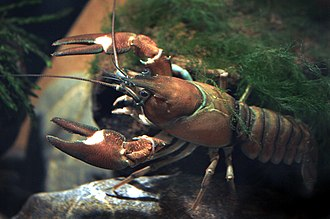
Other non-native crayfish found in the rivers and canals around London.
Narrow-clawed crayfish (Astacus leptodactylus)
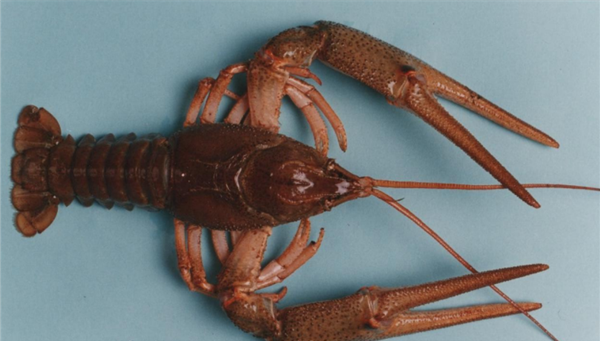
Spiny-cheek crayfish (Orconectes limosus)
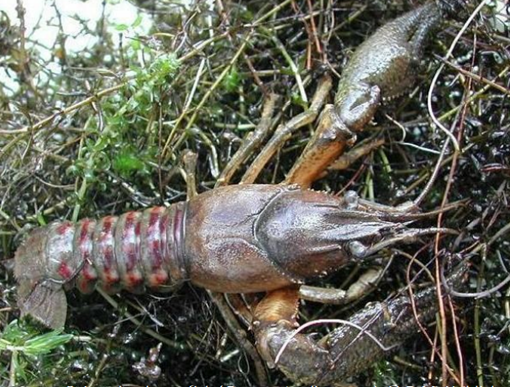
Noble crayfish (Astacus astacus)
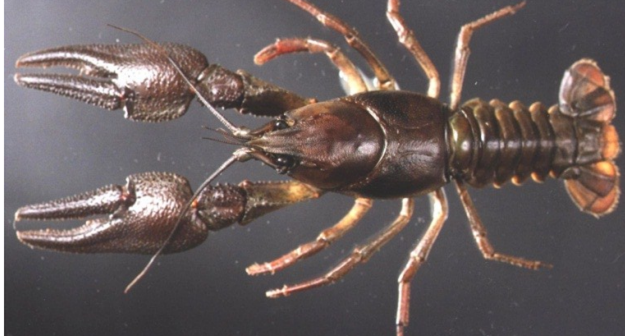
Virile crayfish (Orconectes virilis)
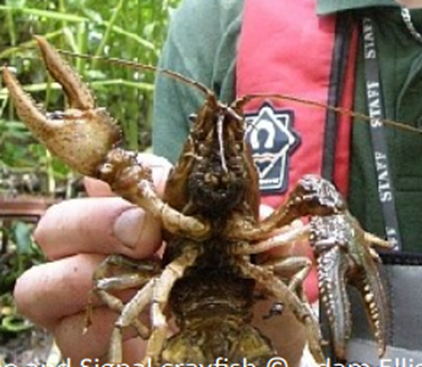
Red swamp crayfish (Procambarus clarkii)
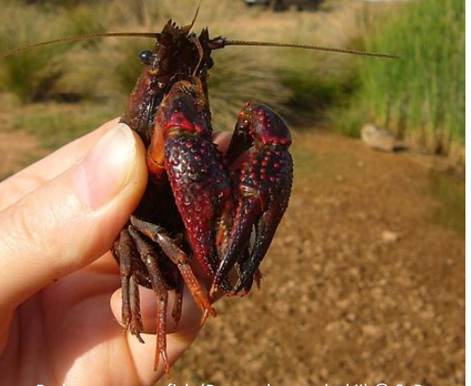
Killer or Demon shrimp is found across England from the Fens to west Wales. Originally from the Black Sea region and first discovered in the UK in 2010. They are voracious feeders on other shrimps and dragonfly lava. There are concerns that the damselfly particularly vulnerable to its predation as it swiftly colonises the country.
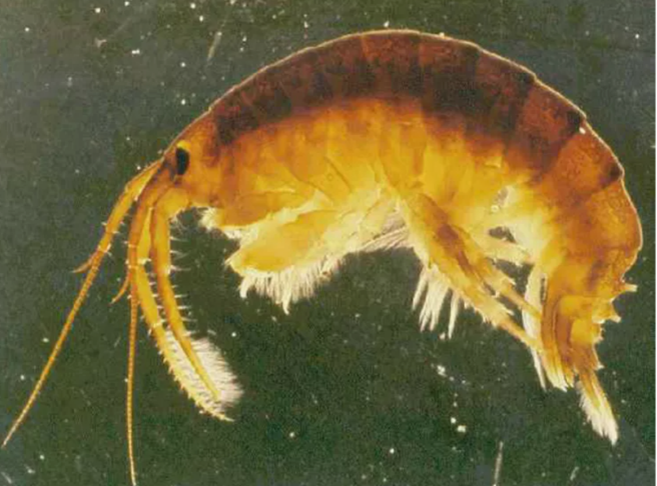
Other crustacea.
Australian Tubeworm (Ficopomatus enigmaticus) are widespread across many harbours on the south coast of Britain and in some as far north on the west coast as far as Whitehaven where they are prolific and a problem for small boat owners. They demonstrate a susceptibility to pollution and will be killed off by drainage from abandoned mine.
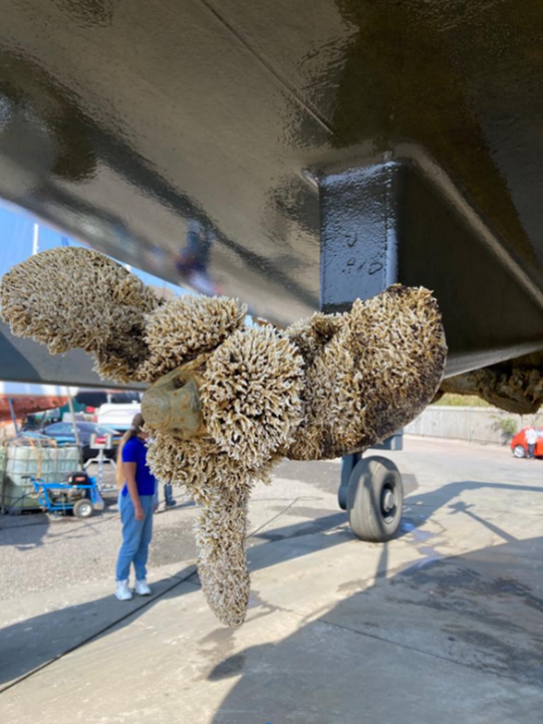
Sea Squirts include the San Diago, Orange Tipped Aplidium cf. glabrum and Orange Cloaked are found in many harbours around the British coast.
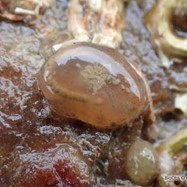
Orange Tipped Sea Squirt.
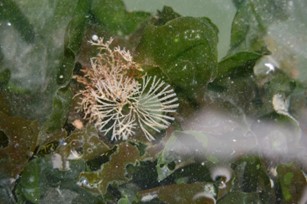
Bryozoans including the Tufty buff, Bugulini simplex and stolonifera are all found along the northern and southern ports in England.
Fish.
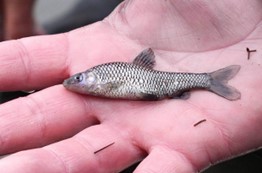
Topmouth Gudgeon is a dangerous fish, out competing other fish in many areas and eating their eggs. The Environment Agency are working to irradicate the species.
Zander were originally introduced in 1878 by Francis Russell, 9th Duke of Bedford, into lakes on his Woburn Abbey estate and soon after that into the Great Ouse Relief Channel in the Fens. They are a voracious feeder and even out compete pike in areas where present.
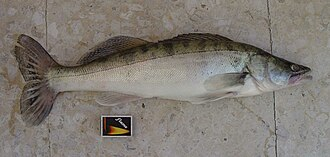
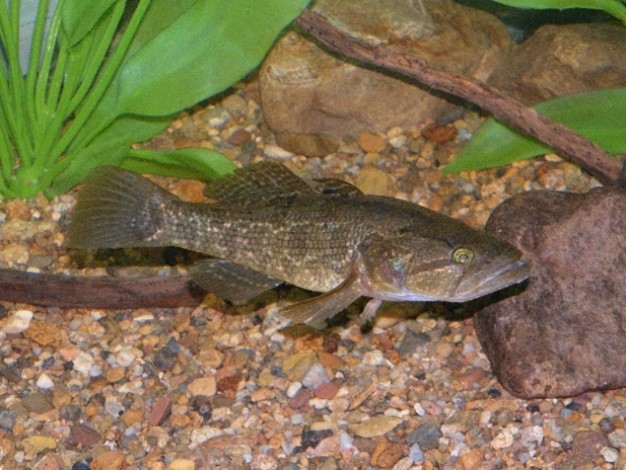
Chinese sleeper/Amur sleeper came from North Korea originally and arrived in the UK via people finding this fish devoured other fish in aquaria. They have been in the UK a brief time but are spreading rapidly.
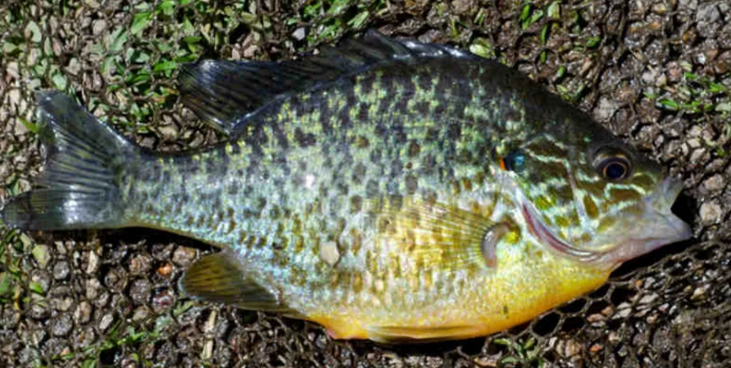
Pumpkinseed (Lepomis gibbosus) a member of the sunfish family that was introduced to some southern rivers. It is not considered a problem to the water environment as yet.
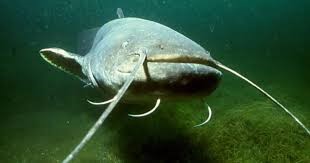
Wels Catfish was first introduced to England 130 years ago by the Duke of Bedford, it is a predator fish that eats all forms of other foods. It is the largest fish in Britain and can grow longer than ten metres in length.
Fancy Fish and Amphibians.
Exotic fish that have been released to rivers by owners, these include several types of carp, goldfish, and non-native sturgeon.
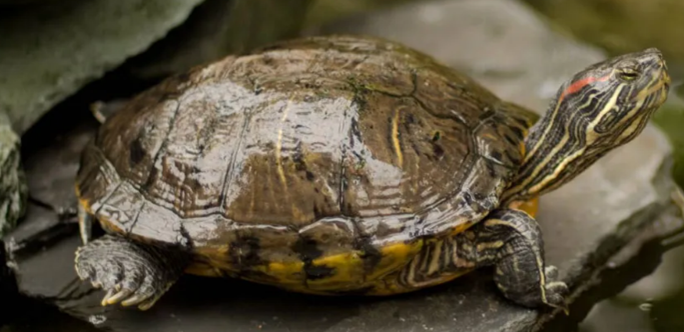
Terrapins, many were dumped by people once the Mutant Ninja Turtles cartoon series on television ceased being popular with children. Many were disposed of when they grew to a size families could not cope with. I have seen several sunning themselves on the banks of the River Soar on the Leicestershire Nottinghamshire border. Several types can make up the cadre of the species.
Plants.
Nearly every garden in Britain has plants growing in it that have originated from around the world, tulips to rhododendrons and much else. Aliens that are a problem are those that escape our gardens and parks and threaten the native flora or change the nature of other aspects of life. The choking of canals, and the destruction of buildings are both symptoms of an alien invasion.
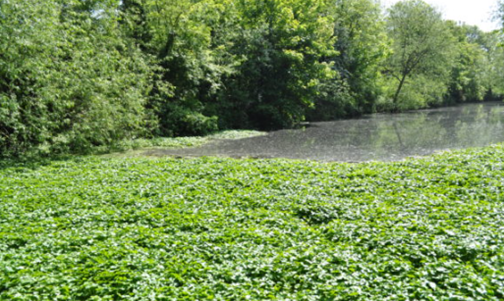
Floating pennywort originated in America, coming to the UK as a decorative aquatic plant. It is a swift growing plant that choaks streams and canals, costing thousands of pounds annually to keep some watercourses open.
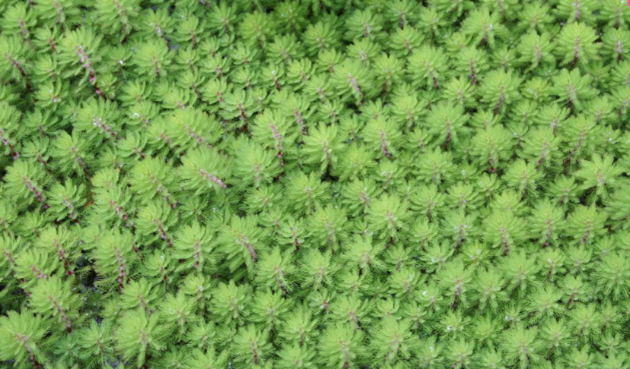
Water Milfoil or Parrot’s feather is sold in the UK for oxygenation of fish tanks and garden ponds. It is becoming a major impediment to some canals.
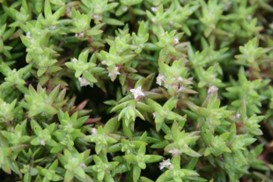
Australian swamp stonecrop another water oxygenator that is hindering canal operations.
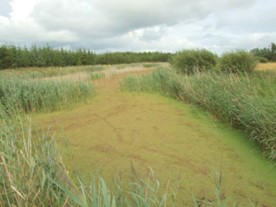
Azolla filiculoides or fairy fern is an aquatic fern that is sold in some aquatic plant nurseries. It though forms thick matts on waterways.
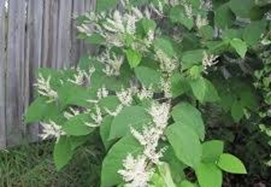
Japanese Knotweed is the best-known horror plant thought to destroy homes and make houses unsalable. Brought into the Victorian garden for its foliage and vigour.
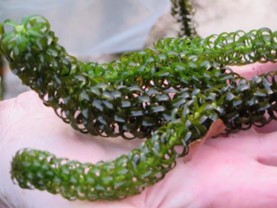
Elodea Crispa oxygenating plants. Another escapee from the aquarium trade that is coursing expensive problems in canals.
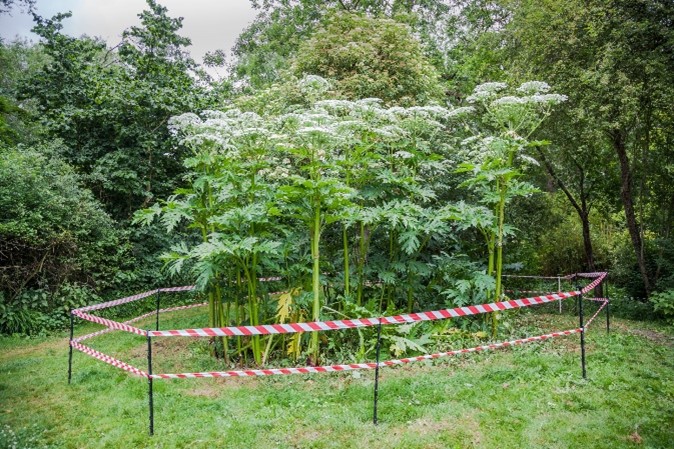
Giant Hog Weed originated in the Carpathian Mountains and imported as an ornamental plant to the UK in the 19th Century. It grows up to 5metres in heigh. It will give anyone burns and leave scaring if your skin comes in contact with the hairs on the leaves or stalks.
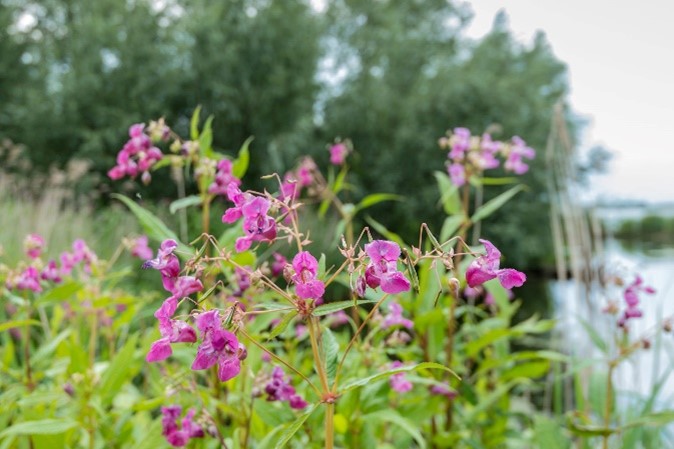
Himalayan Balsam is a tall pink flowered annual plant that arrived in the UK in the 1800s. It has the ability to throw seeds a considerable distance. This seed throwing has seen it colonise many riverbanks to the detriment of native plants which are out competed by its fast growth.
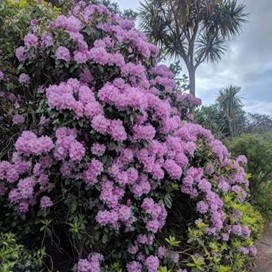
Rhododendron ponticum was the first of this species to be imported into the UK (1600s) and were planted in the grounds of many of the great country houses of the country. It did not take long for seed to be distributed to the wilder parts of the country by crows and other birds. Areas of Snowdonia and the Blach Mountains particularly have been colonised by these shrubs and are now on the list of plants to be removed from the British flora.
Established Imports.
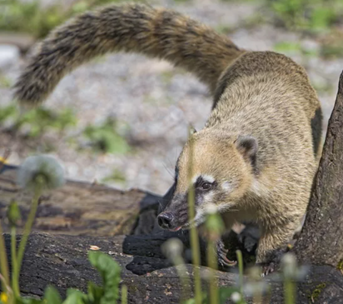
Coati escaped from private collections in the 20th Century. Originally from Central America and now established in high grasslands and woods of Cumberland. They are a form of racoon.
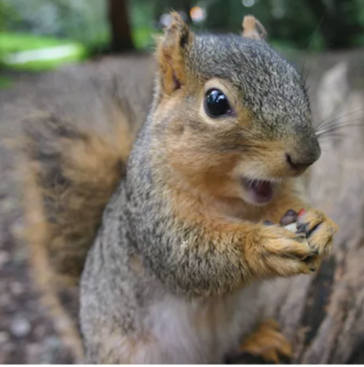
Grey Squirrel are rodents that are widespread vermin that are a much-loved part of urban park life and town gardens.
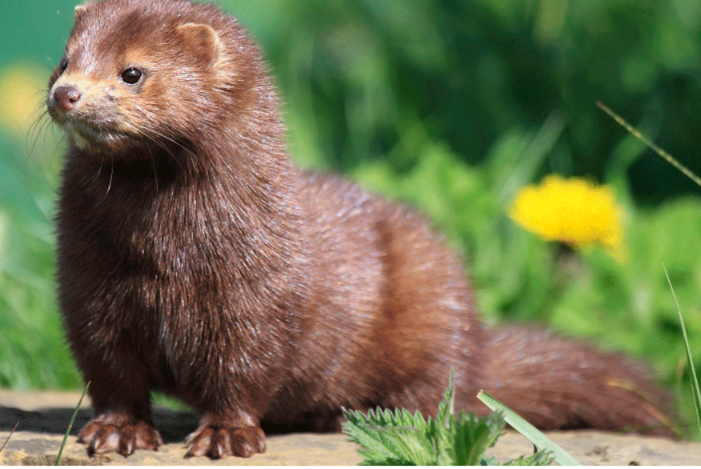
Mink when first escaped from fur farms in 1960s. Initially after these escapes there were attempts to eradicate them, but such attempts failed. Many private sporting estates control numbers so that predation of their game is controlled but are now part of the fauna of the country.
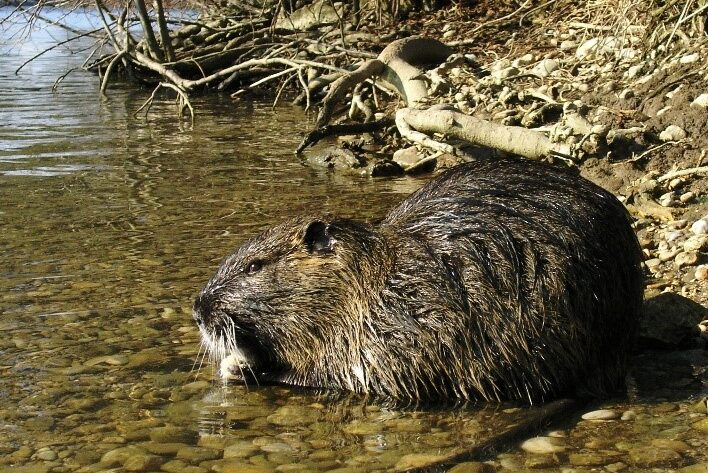
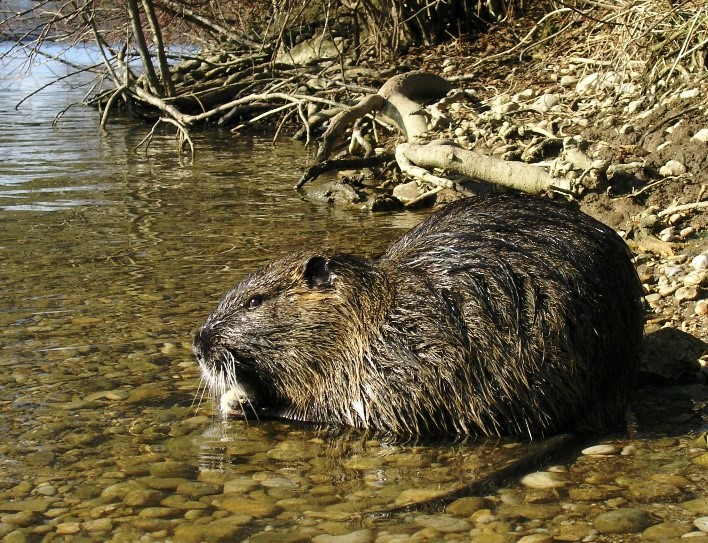
Coypu escaped from nutria farms in the 1950s and 60s and the government found the need due to damage to sugar beet crops to irradicate this large rodent with fine orange front teeth, through the 1970s and 80s specialist hunters killed thousands across the Fens and East Anglia. At the start of the 1990s they were stated to have been irradicated, it has since been announced twice more but in reality, they are now part of the British fauna.
Wallaby: these are loved by the few who see them in the hills of Derbyshire. They were introduced into the UK in the 1930s and escaped in the 1940s and were thought to have died out in the severe winter of 1962/3. This was not the case and still survive as a small, discrete community.
Muntjac deer are common small dear that are seldom seen alive, they are often though spotted as roadkill on the sides of roads.
Chinese water deer are known to exist in several areas of the south Midlands and some parts of East Anglia. They are shy and seldom seen.
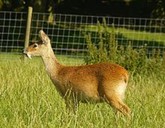
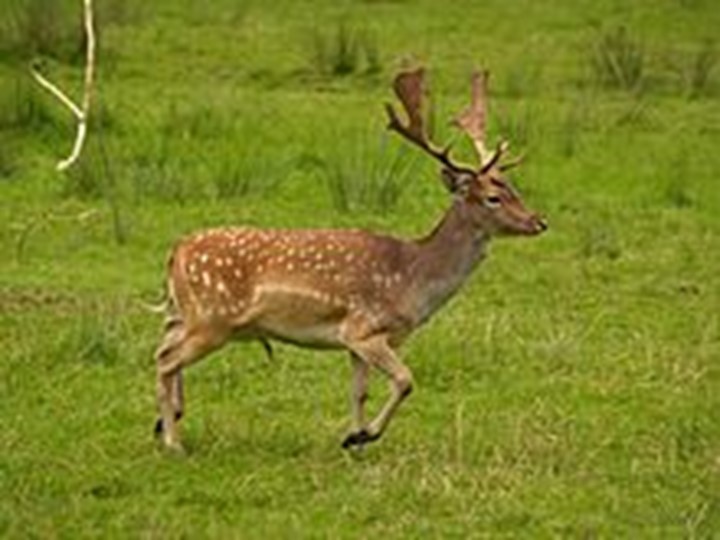
Fallow deer originated in Asia and were brought to England by the Normans in the 12th Century as a quarry for hunting in the King’s forests.
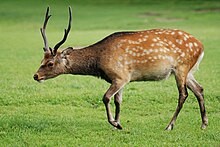
Sika deer originated from Japan and eastern China. Brought into the UK during the early 19th Century. for ornamental purposes in parkland but many escaped to form wild groups from Scotland to the south coast.
Long Lived Imported Aliens.
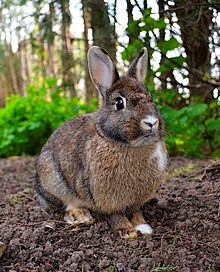
Rabbit much to most people’s surprise are nonnative. They were introduced into England by the Normans who prized their fur as well as their meat. They were kept in enclosures or warrens and looked after by warreners. They escaped and found their niche within the British countryside,
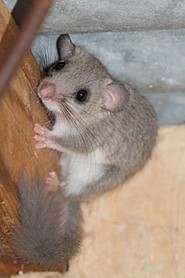
Edible Dormice were introduced to the country by the romans who had them farmed for culinary purposes. They escaped into the wild and became a rare and much-loved addition to the county’s wildlife.
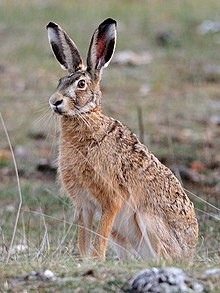
Brown Hare is an alien species that part of the countryside. They appeared in England at the time of the Roman invasion. They were brought in for sport, to be released in front of hounds to be chased and killed. Masny must have outrun their pursuers and established themselves across the country. Strangely they are considered at risk, a red list species in the UK with an estimated population of around 800,000 but are shot for sport.
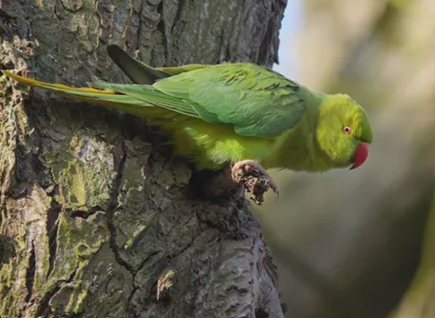
Ring-necked parakeet is common in West London and Kent where there are at least 9000 breeding pairs. They are though found across southern England and the Midlands. They are able to outcompete crows and other birds for food.
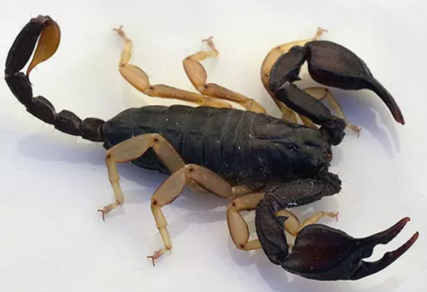
Yellow Tailed scorpion have been present along the south coast and parts of the Thames Estuary in isolated communities mainly in docks and harbours. Some of these colonies have been known of for over 100 years.
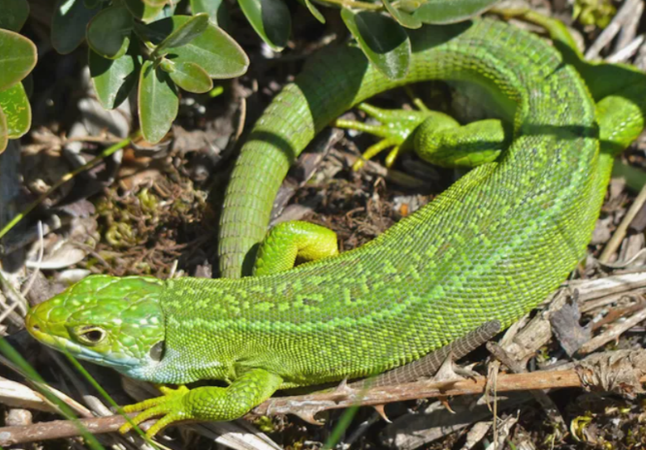
Western Green lizard brought over to Wales in 1875 from the Channel Isles and to the Isle of White. These introductions appear to have failed but one group live outside Bournemouth, Dorset.
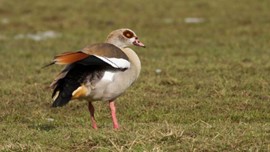
Egyptian goose, a member of the Shell duck family. A popular bird with birdwatchers but not the government. They are increasing in number. Originally found in East Anglia as a visitor but now found nesting across many parts of the UK.
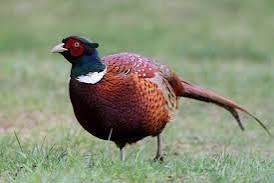
Pheasant,a group of game and ornamental birds originally introduced into the British Isles by Roman/Normans, Became almost extinct by the Victorian era when they were reintroduced. Other decorative types being the Lady Amhurst and Golden pheasant.
New Arrivals.
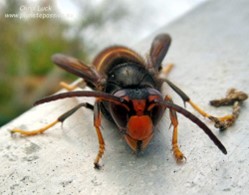
Asiatic hornet has started to establish territory in the south of England. These creatures are a major concern for beekeepers.
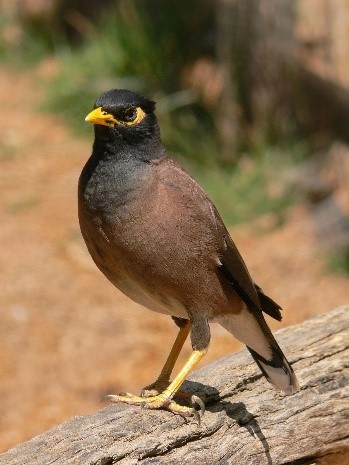
Common myna escape from owners from time to time and have tried to survive in the UK. The government are afraid that they may.
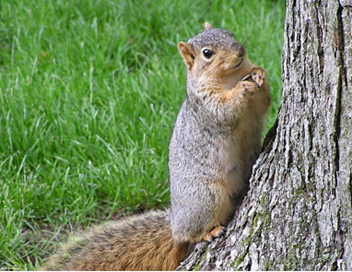
Fox Squirrel are a recent pet import from the USA. Some have escaped and set up breeding groups in Northern Ireland. Ecologists fear that groups are establishing in other parts of the UK. These are the largest members of the Squirrel family.
Appendix.
List of invasive non-native (alien) animals
Check this list to find out which animals are widely and non-widely spread, and when they were listed.
Widely spread
| Common name | Scientific name | When it was listed |
| Chinese mitten crab | Eriocheir sinensis | 3 August 2016 |
| Egyptian goose | Alopochen aegyptiacus | 2 August 2017 |
| Grey squirrel | Sciurus carolinensis | 3 August 2016 |
| Muntjac deer | Muntiacus reevesi | 3 August 2016 |
| Signal crayfish | Pacifastacus leniusculus | 3 August 2016 |
| Terrapins – all subspecies including red-eared slider, yellow-bellied slider, Cumberland slider and common slider | Trachemys scripta | 3 August 2016 |
Non-widely spread
| Common name | Scientific name | When it was listed |
| Asian hornet | Vespa velutina nigrithorax | 3 August 2016 |
| Chinese sleeper/Amur sleeper | Percottus glenii | 3 August 2016 |
| Coati | Nasua nasua | 3 August 2016 |
| Common myna | Acridotheres tristis | 15 August 2019 |
| Coypu | Myocastor coypus | 3 August 2016 |
| Fox squirrel | Sciurus niger | 3 August 2016 |
| Indian house crow | Corvus splendens | 3 August 2016 |
| Marbled crayfish | Procambarus fallax f. virginalis (Procambarus virginalis) | 3 August 2016 |
| Muskrat | Ondatra zibethicus | 2 August 2017 |
| New Zealand flatworm | Arthurdendyus triangulatus | 15 August 2019 |
| North American bullfrog | Lithobates (Rana) catesbeianus | 3 August 2016 |
| Pallas’s squirrel | Callosciurus erythraeus | 3 August 2016 |
| Pumpkinseed | Lepomis gibbosus | 15 August 2019 |
| Raccoon | Procyon lotor | 3 August 2016 |
| Raccoon dog | Nyctereutes procyonoides | 2 February 2019 |
| Red swamp crayfish | Procambarus clarkii | 3 August 2016 |
| Ruddy duck | Oxyura jamaicensis | 3 August 2016 |
| Sacred ibis | Threskiornis aethiopicus | 3 August 2016 |
| Siberian chipmunk | Tamias sibiricus | 3 August 2016 |
| Small Asian mongoose / Javan mongoose | Herpestes javanicus | 3 August 2016 |
| Spiny-cheek crayfish | Orconectes limosus (Faxonius limosus) | 3 August 2016 |
| Striped eel catfish | Plotosus lineatus | 15 August 2019 |
| Topmouth gudgeon (also known as stone moroko) | Pseudorasbora parva | 3 August 2016 |
| Virile crayfish | Orconectes virilis (Faxonius virilis) | 3 August 2016 |
Bibliography.
http://www.aquaticinvasions.net/2013/AI_2013_1_Minchin_etal.pdf
https://www.gov.uk/guidance/invasive-non-native-alien-animal-species-rules-in-england-and-wales
https://link.springer.com/article/10.1007/s10526-011-9380-8
https://fishfocus.co.uk/beware-of-aliens-take-action-to-tackle-rise-of-invasive-species/
https://alien.jrc.ec.europa.eu/easin/BewareofAliens
https://cdn.buglife.org.uk/2019/05/Invasive-crayfish-species-Profiles_0.pdf
https://link.springer.com/article/10.1007/s10526-011-9380-8
https://www.theregister.com/2008/10/15/clash_of_claws/
http://www.aquaticinvasions.net/2013/AI_2013_1_Minchin_etal.pdf
Report.
Hurst H, 2016. Monitoring Invasive Non-native species in Marinas of North West England. Natural England, London.