The first textbook on locating water and its supply to populations was written by Abubekr Mohammed Karaji a Persian, Islamic scholar, mathematician, and engineer (954 – 1029). His book ‘The Extraction of Hidden Water’ (Published 1672) is the first text on hydrogeology and water supply engineering.
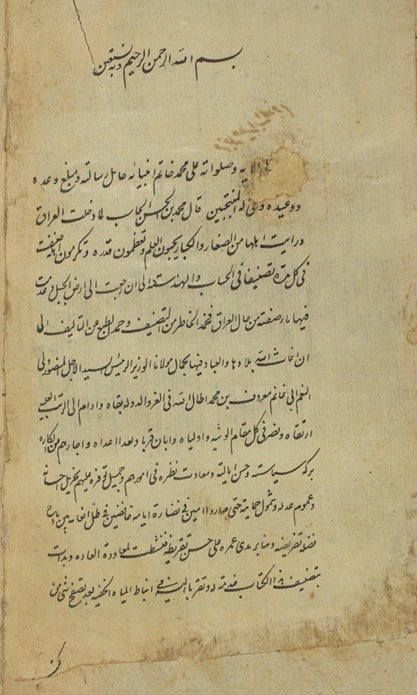
The book covers aspects of precipitation of rain and snow, its passing through soils into underground aquifers. Describing soils and rock formations principally by their colours and if water could pass through them. It covers the finding of this water and its supply either by wells, pipes or transporting it via qanats. He understood that some waters were not pure and were responsible for illness. He tried to codify the care of water.
Karaj was not the first engineer, but he was the first to share the knowledge built up over millennia in the Near and Middle East to survive to our time. The qanats that have crisscrossed deserts and dry lands for thousands of years. The understanding of how water passes into aquifers and how to site wells was an alchemy or magic that allowed the creation of sustainable communities across the world.
The remarkable that this knowledge though used by the Romans was not recorded in any texts and the knowledge was lost to European civilisation and its development again till the Enlightenment and the drawing together of sciences across the continent in the Sixteenth and Seventeenth centuries.
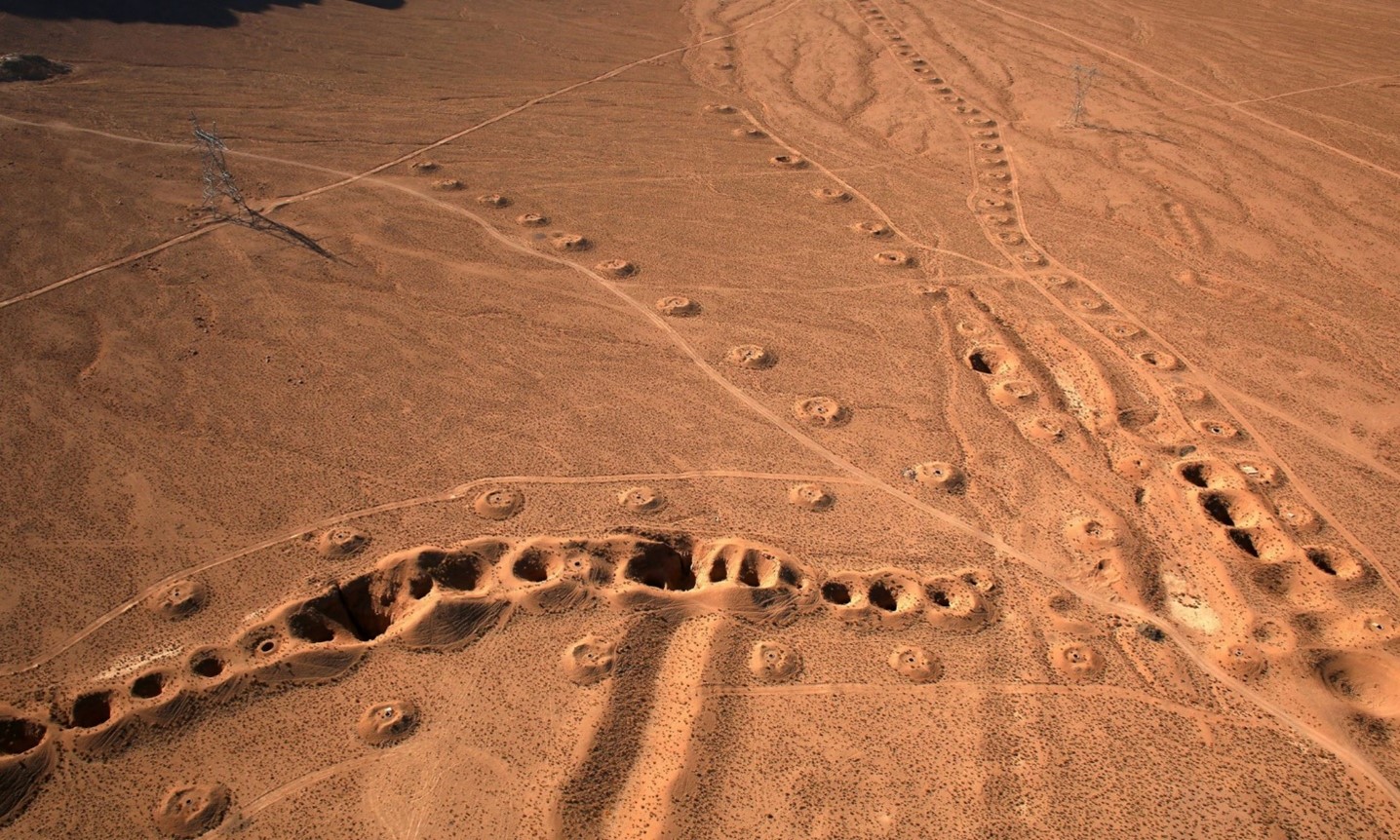
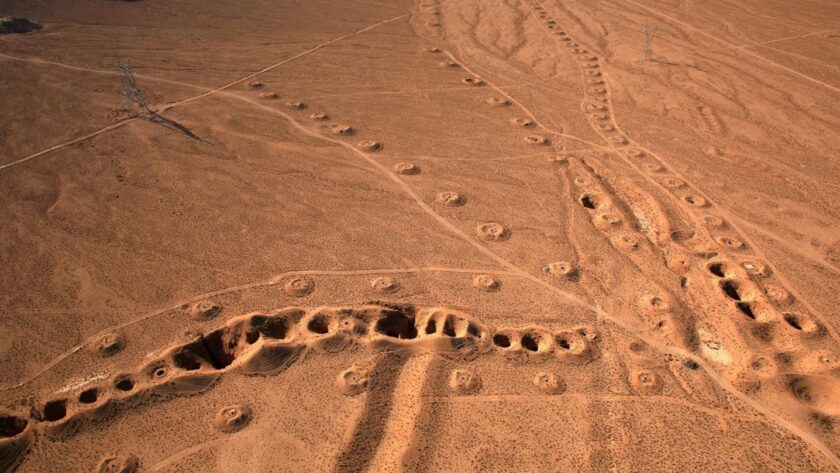
Qanat wells mark the lines of tunnels from mountains and aquifers through deserts to towns and villages.