It has been the busiest spring to date!
Cinderhill, Derbyshire
Tar Pit
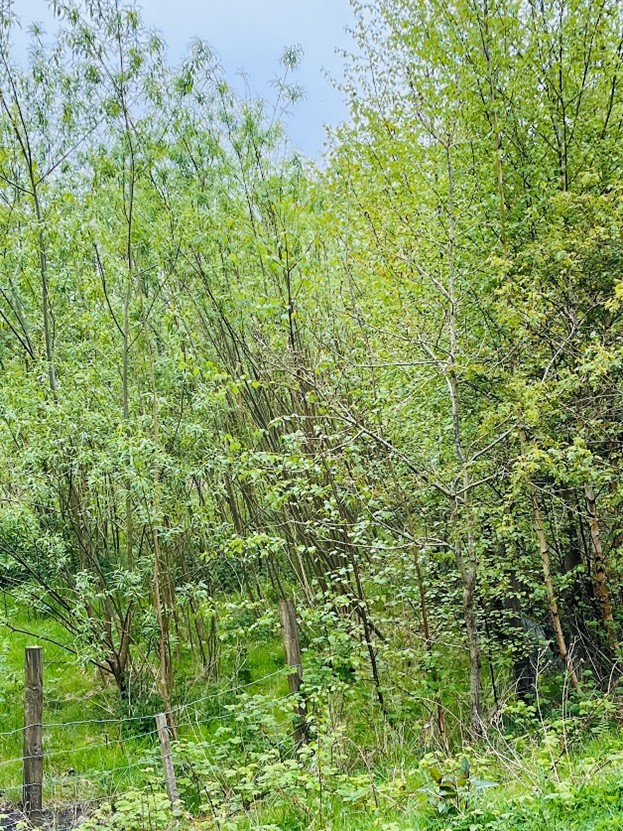
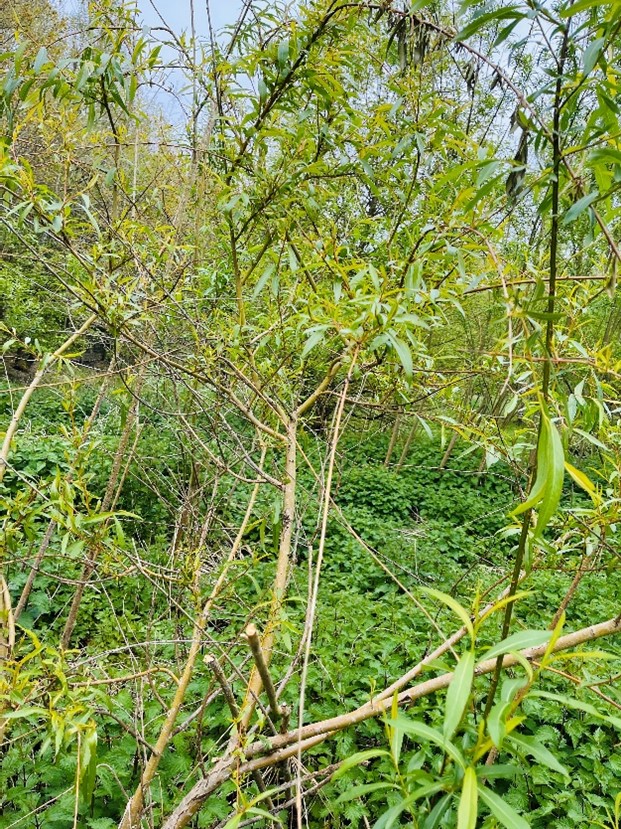
The willows and poplars are doing well on the trial site, but the extensive damage conducted by vandals on quad bikes at the end of last year is still very obvious. Fortunately, the damaged areas of the site are now green, and the natural action of root growth and a growing worm population is still taking the active bacteria that is breaking down the acid tar deeper. It is slowing the process, but it has not stopped. The undamaged trees are also spreading their roots further out into the tar allowing areas to benefit from their continuing rapid spread.
Acid Lake
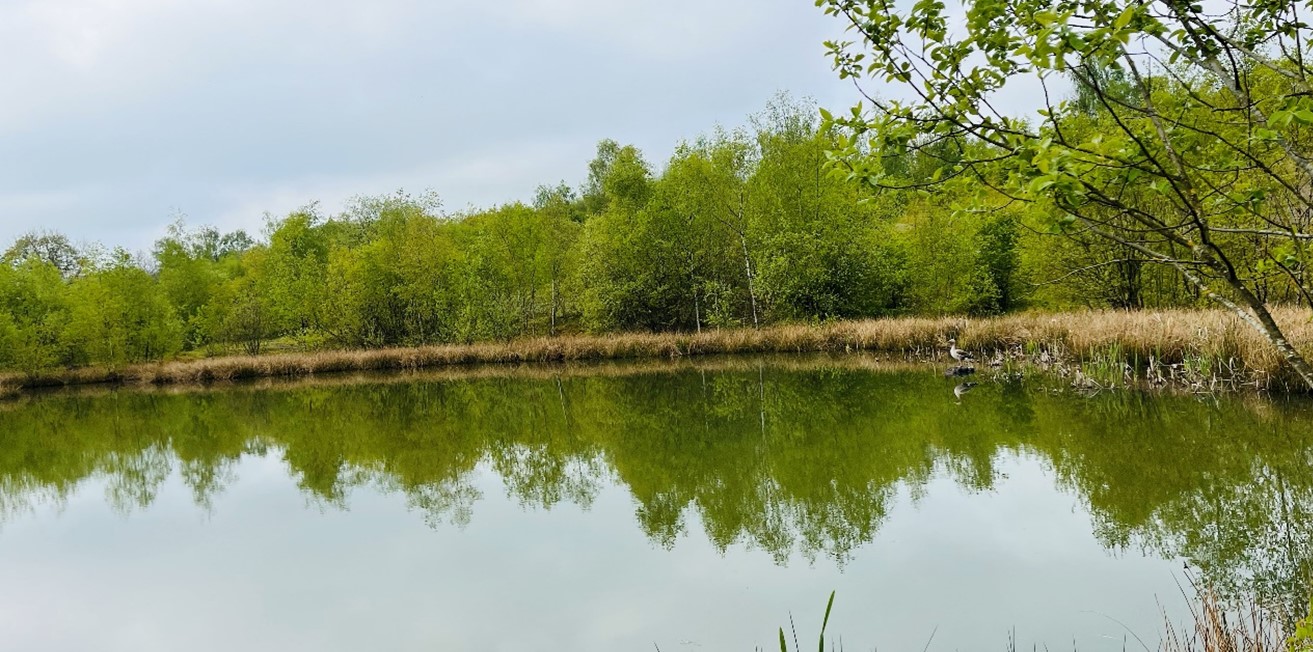
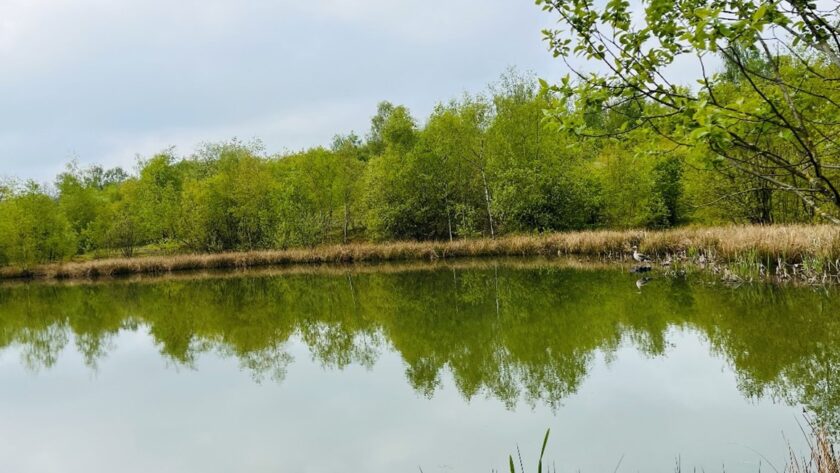
Work is now underway to try to control acidy and bacterial growth across the lake. It has change remarkably with a steady pH of 7.8. the water appears to no longer have the slime or oil bacteria which had been present since we first visited the site in 2018.
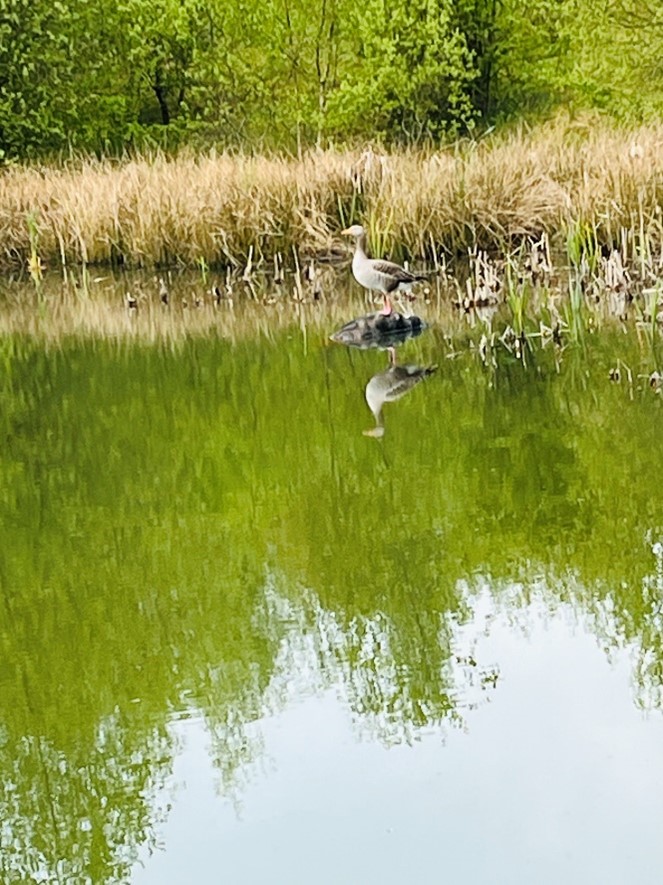
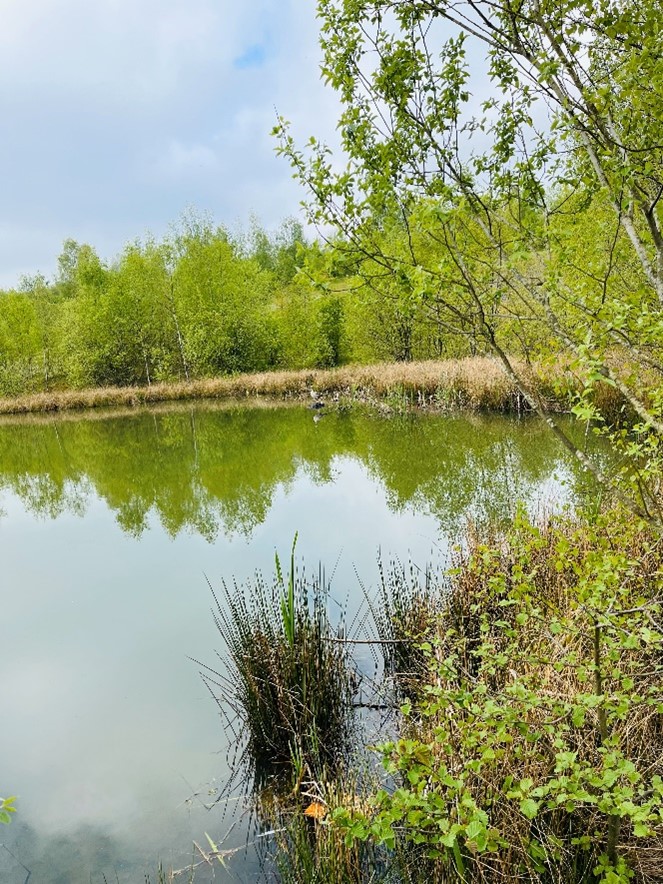
Ducks and geese were found on the water and tractor tyre. A first for this lake and ducks were nesting close by.
Bacteria Pool
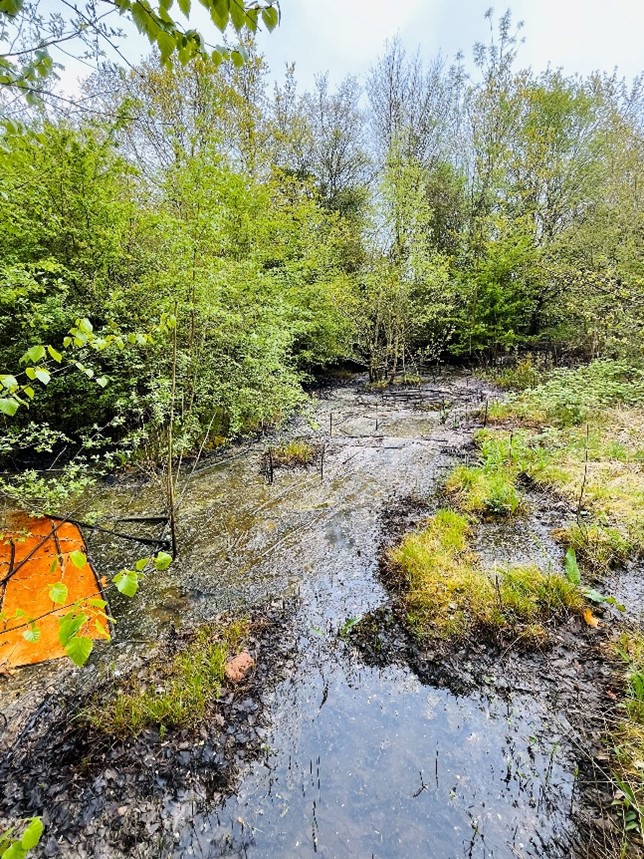
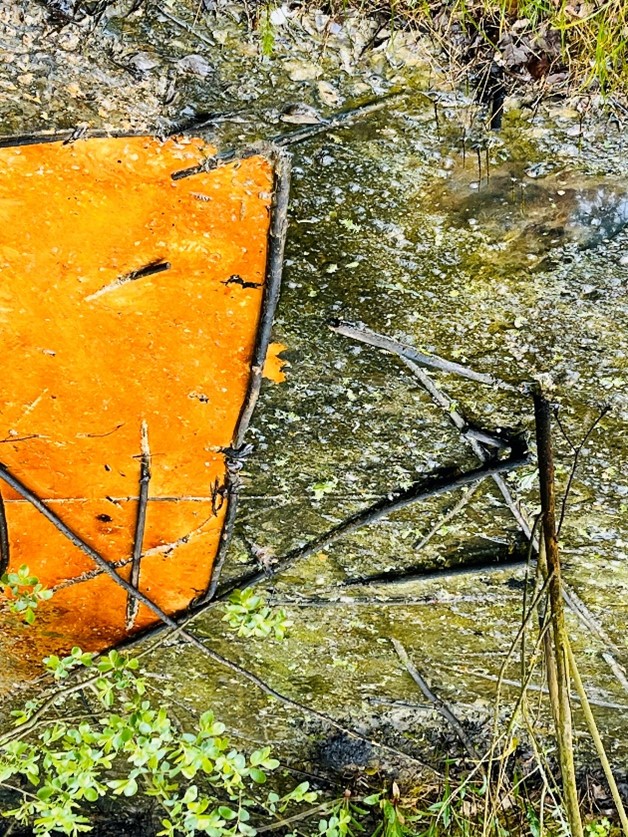
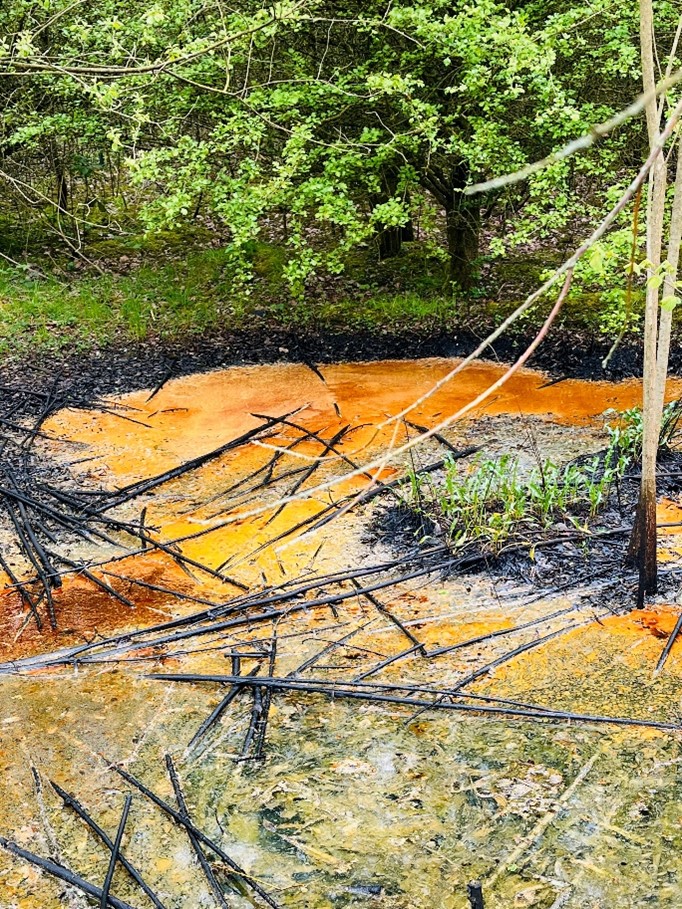
This site has always been puzzling with a neutral pH and the propensity to change colour several times in each year, red, green, grey, and yellow amongst them. This new ochre though was different and may be an addition of water overspilling from an old mine entry which is located in a hawthorn stand towards the A38 to the northwest.
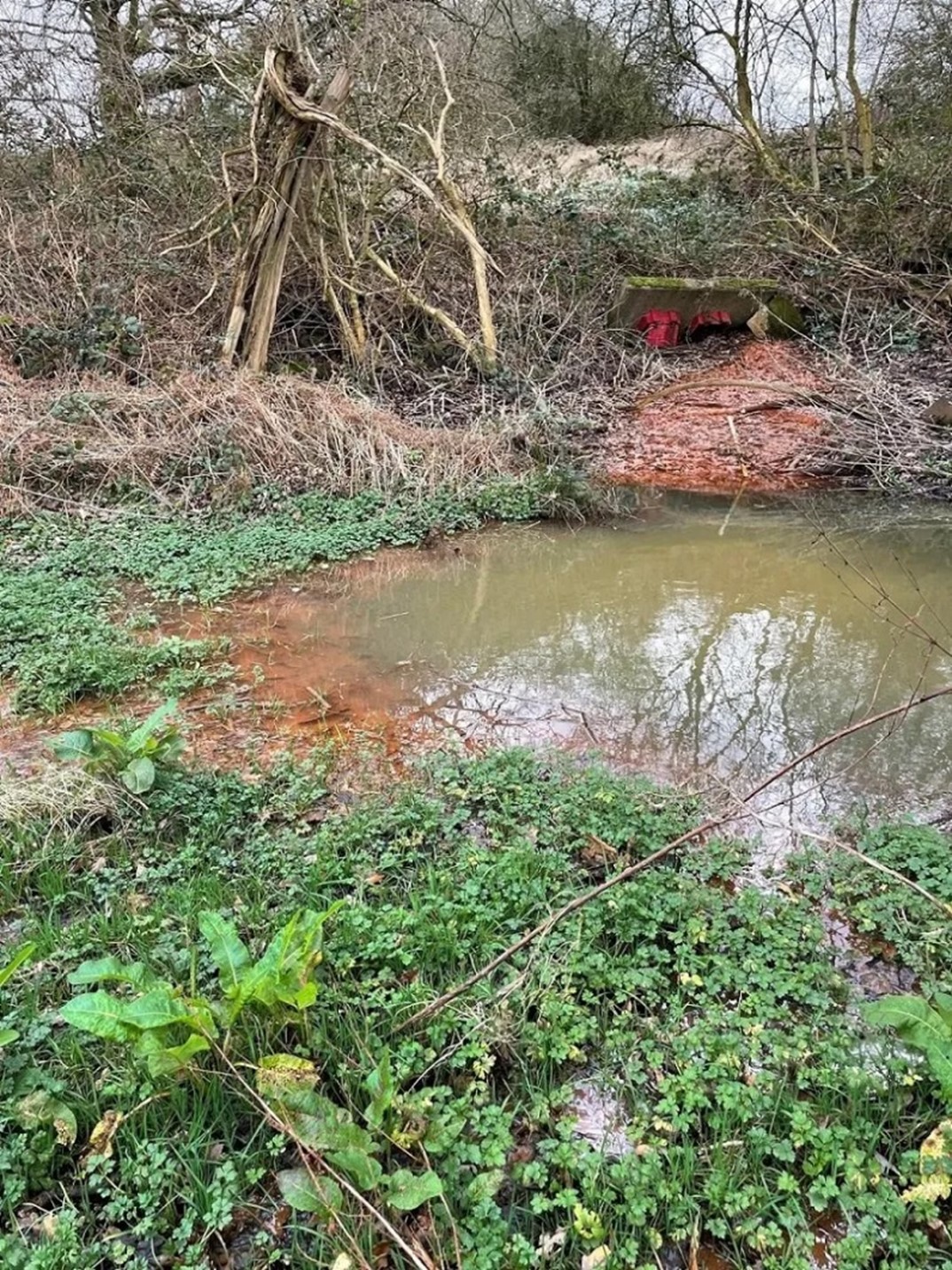
Pickle Ditch, part of the River Wandle, London
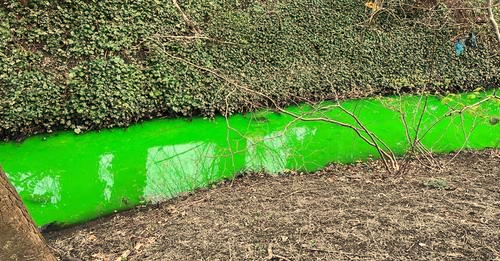
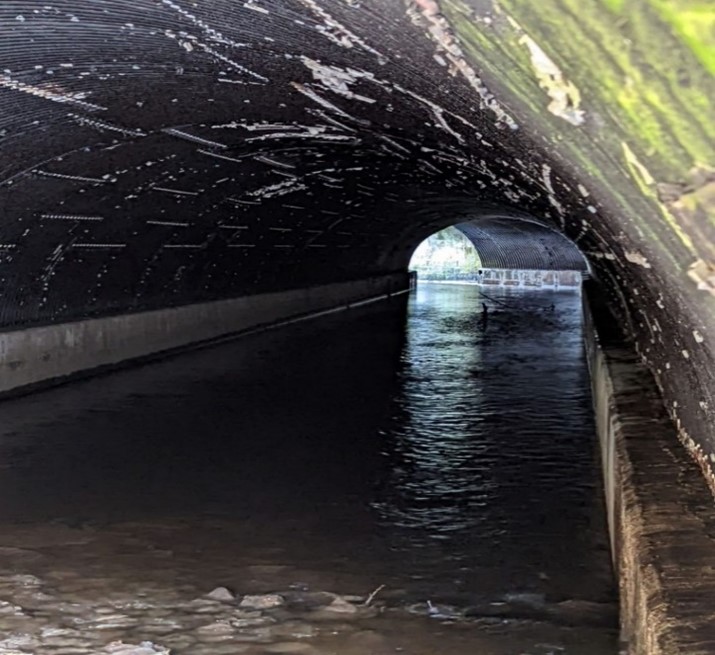
Lying in hospital after just coming round from an operation and not feeling very well my day was brightened when I received a request to look at the Pickle Ditch a 900 plus metre offshoot of the River Wandle. Over 300 metres of its length was culverted. Thames Waters were convinced as we soon were that the source of this pollution was from a private source, one of ten properties with a misconnected drain that should have gone to sewer. The Environment Agency were aware of the issue but had not visited the site. Samples taken and analysed by Thames Water confirmed that the discolouration was drain tracing dye. Demonstrating a huge failure of communication as other emergency services, including the fire service attended the scene.
River Tawd, Lancashire.
The River Tawd has been brought to our attention again, this time by an Erasmus student studying the issues of the river. There was a stated wish that the river should be up to the standards required for the reintroduction of salmon. The Tawd is part of the Douglas / Ribble catchment. The Tawd has and continually still does suffer from a number of inorganic and organic pollutants that intermittently enter its flow. This contact is ongoing with the Trust examining several sources of concern.
Hesketh New Bank Drain, Lancashire
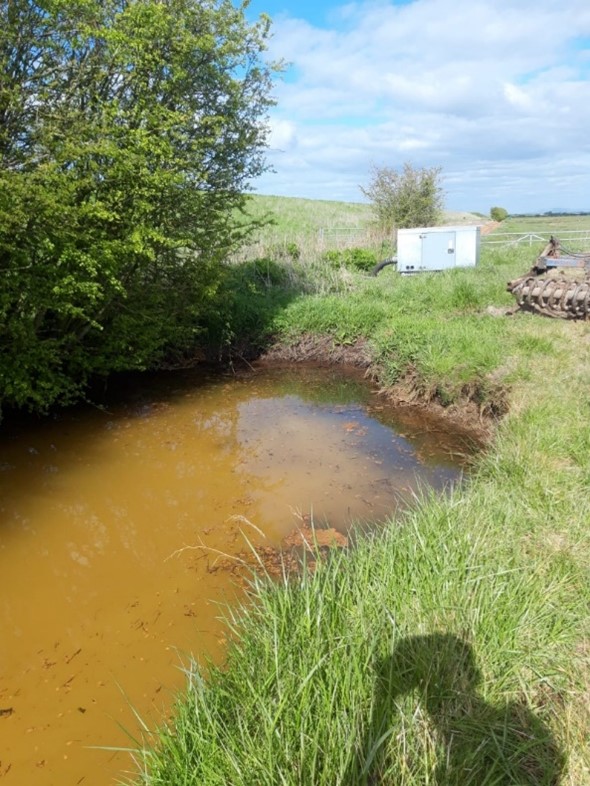
Our research has continued through the spring. Fears that large tracts of the reclaimed land twixt the Ribble and Douglas and the village of Hesketh Bank are threatened due to the rewilding that has taken place along the south Ribble and Douglas banks. The New Bank and associated drain appear to be giving up large volumes of ochrous silts and water. Such events have been seen in the recent past (10 years) when tidal erosion and tidal surge have been responsible for flood events.
The region’s land drainage was cared for prior to 1996 when the environment Agency by a local Drainage Committee and then by the Rivers Board and National Rivers Authority. Today the care for local grade 1 land protection is not a priority of the Environment Agency and although they oversaw the rebuilding of the New Bank and own it they hold themselves not responsible for its possible failure or monitoring.
The Trust has requested information from the Agency, but they say that no one has been out recently to inspect the bank and it has been raining in the area.
River Blackwater, Essex
We have been asked to look at the problems of the catchment by two local authorities and their impacts on the oyster fisheries in the estuary. No funding is at present available, but work has started in gaining an understanding of the basics.
River Glaven, Norfolk
Our research on a stretch of the river has shown that along its banks were floating water meadows, which are historically interesting and may be a site for further research into this useful water management potential. We have been given permission to use a stretch of the river for research into chalk stream issues if we need.
River Enborne, Berkshire
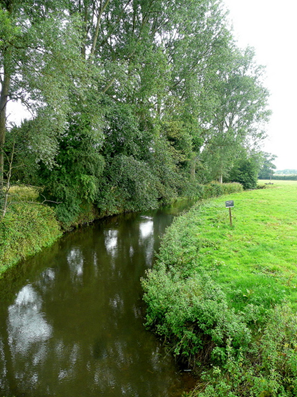
We have been encouraged to look at rivers and wet environment issues in Berkshire and the Home Counties. The River Enborne is an interesting tributary of the Kennet with water quality issues including PBDEs, the chemicals most common in down grading the chemical quality of the rivers in England and Wales since 2019.
River Spey, Scotland
The Trust has continued research prior to what was to be a visit April/May this year, but the Spey Fisheries Board has had a change in management and the visit is now on hold. The problems for the river and its upper catchment are many and are expected to develop with regional effects of global warming. The late summer oxygen sag last year demonstrated the scale of the problem.
Whitehaven Harbour
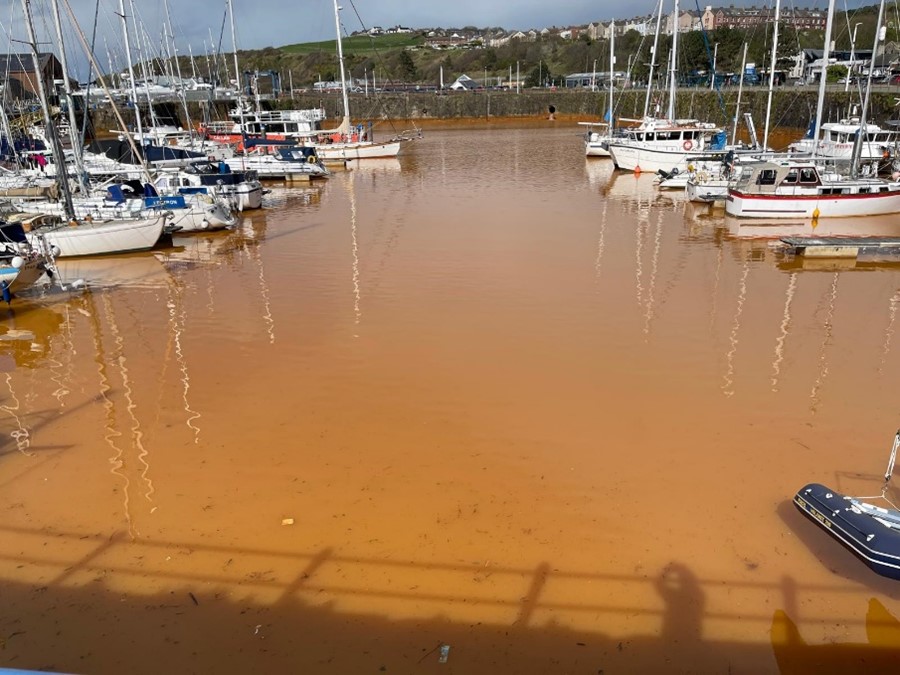
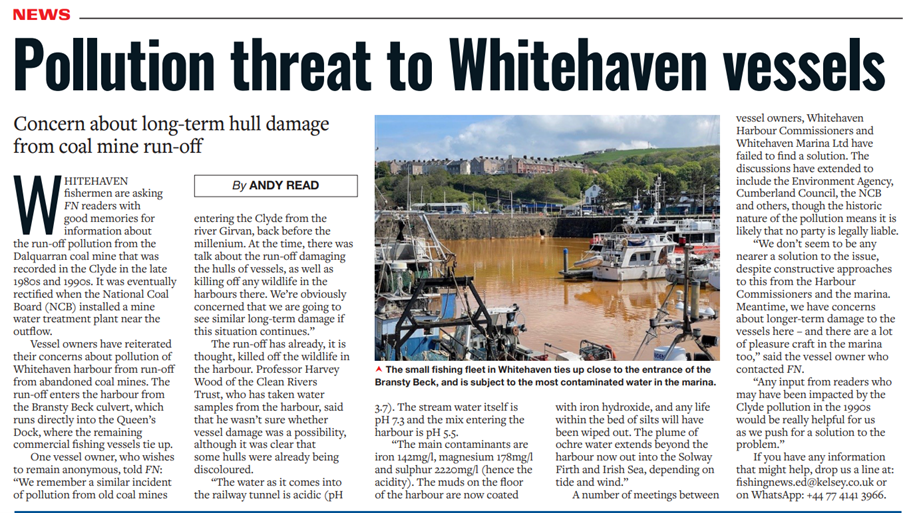
The Trust has met with Network Rail and agreed to help them get a solution put in place as soon as possible. The slow start to data collection regarding discharge from the tunnel is slowing everything down alongside the politics of ‘Task Force’ decision making brought into play by the local MP, Trudy Harrison. Such a political move hides the procrastination taking place..
We have met with SiltBuster who have an ‘containerised minewater treat method that is available.
East Sussex Floods

The local Rivers Trust put out a press release regarding the River Lavant and the discharge of untreated sewage but were unable to talk about the problems on Radio Sussex. We happily stepped in, outlining the 30+ year old problems, not just of the Lavant but other rivers along the south coast. We talked of the poor showing by the new owners of Southern Water and their major shareholder Macquarie who had previously owned Thames Water, leaving them in their present parlous fiscal condition. We did outline that the geology of large parts of the Southern Water region was not helping the situation as groundwater levels were extremely high and infiltrating the sewage systems across the region. This though was an expected outcome during prolonged wet seasons again for more than 30 years.
Duke of Edinburgh Award
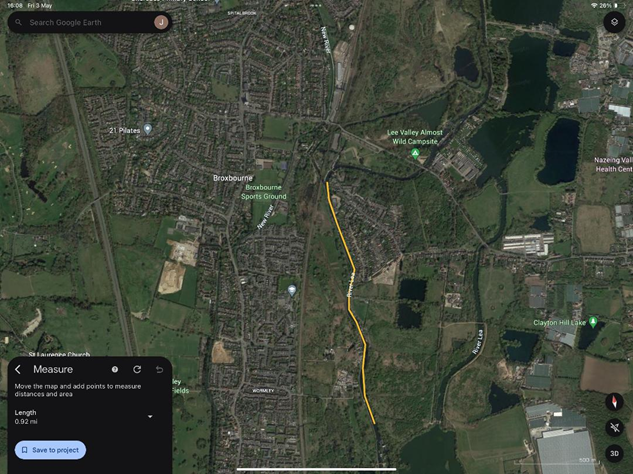
Our candidate has been working on the rewriting of the Trust’s policies and guidelines for several months. We have also suggested some exploration of the basic water chemistry of the River Lee and its several parts, navigation, river, and new cut along his rowing stretch also just above and below.
Overseas Student
The student is based at the Edge Hill University, Ormskirk. The equipment available for the work that they are undertaking on sediments and water quality of Lancashire rivers appears not to be suitable for the tasks being allotted and conditions are not as expected to improve. They have been put in touch with neighbouring institutions who may be able to help.
Hoole Bank.
The trees and undergrowth around the tar pit lagoon have been cut back during March, in breach of the guidance of the Wildlife and Countryside Act but when the Environment Agency were asked why they stated they had conducted the work at the wrong time Arcadis (consultants) replied:
‘The investigation works have necessitated clearance of scrub and vegetation across the site, as you will have seen from our most recent news update on the Hoole Bank Tar Lagoon website. An arboricultural assessment has been undertaken for the site; no trees are subject to a tree protection order and no sensitive species have been identified. The investigation works are considered to be permitted development under planning legislation, and this has been confirmed by Cheshire West and Chester Council in their approval of a Lawful Development Certificate for the works. Prior to the works taking place we have also engaged with the Forestry Commission. Finally, we have ensured that an Ecological Clerk of Works has been present on the site during the vegetation clearance stage. A visual screen of trees has been maintained around the site as far as practicable’
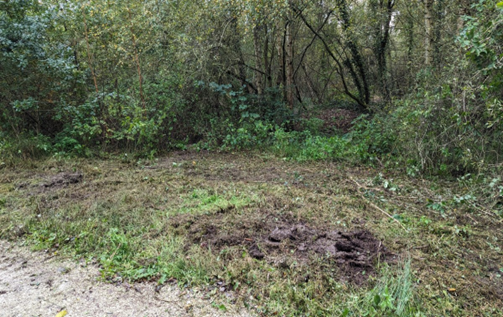
October 2023
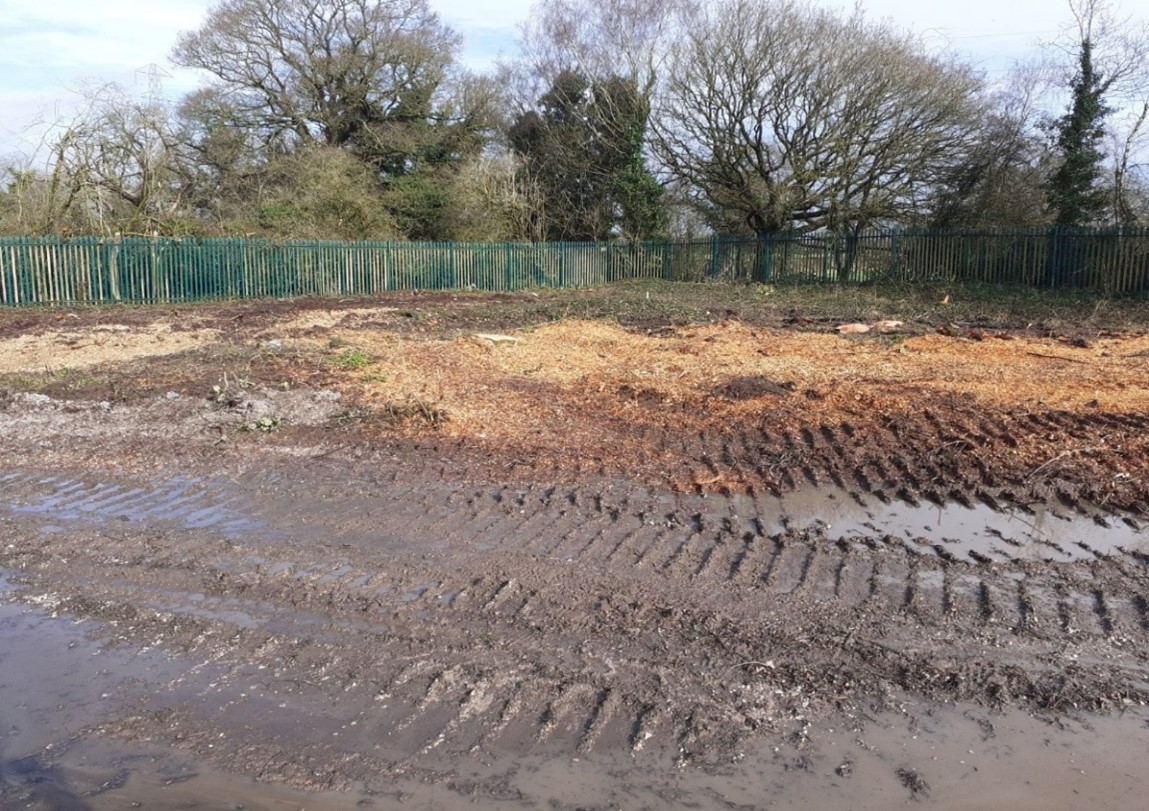
30th March 2024
Commonside Waste Tip, Alvanley, Cheshire
The local Borough Councillor ask us to look at the issues of PCBs and other chemicals leaching into the local streams from this 1960s landfill site. We have talked with the council and experts who seem to be awaiting the Environment Agency to determine if this site is a Special Site under II(a) regulations.
OU Student on the River Severn.
We were asked by a student for our opinions on aspects concern and opinions for the river. During a Zoom meeting we had a long and interesting conversation. I am sad that we are almost unique as few organisations are willing or able to respond to questions such as those we answered.
Qualboat, Imperial College.
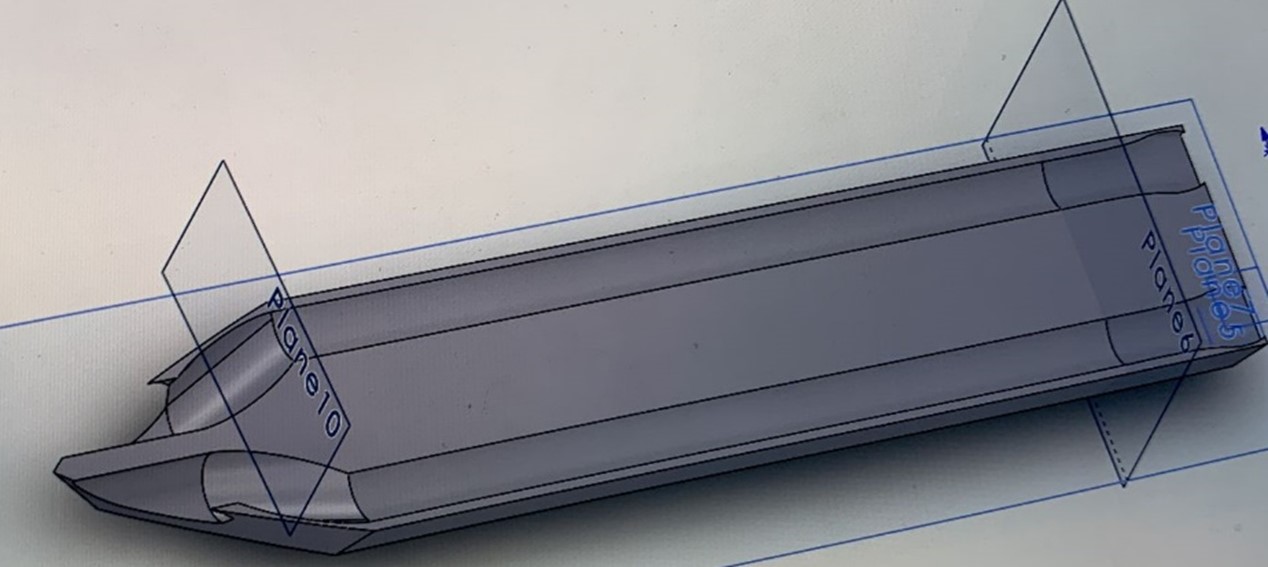
Last year we were asked to make suggestions on the value of an AI controlled water analysis craft being designed by students at Imperial College. We were impressed with the concept which has now been developed further and has been developed further.
The project were semi-finalists in the WE Innovate Competition and accepted onto Imperial College’s technology and engineering accelerator program at the college and we have been asked to be involved going forward.
The undergraduates are the youngest entrants into this program and aim to have the vessel fully functioning by the end of their time at Imperial in 2026. All other projects appear to be post doc schemes.
Farley, Derbyshire.
Vic J who lives in Farley alerted us to the issue of development of 75 cabins, shop, café, and other buildings set up on the Moor above the village. The village relies on wells and a water gathering ground which we looked at in some depth a number of years ago.
We have research the scheme and it would rely on septic tanks and soakaways for the site and would impact the village’s water supply. We have advised the community and put a short piece on the subject up on the web site.
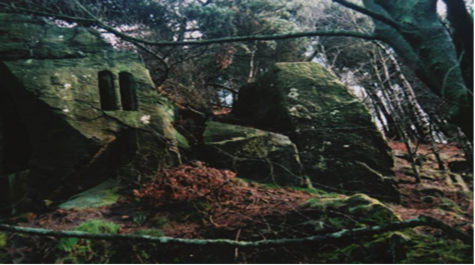
Farley village water gathering ground.
Enzymes.
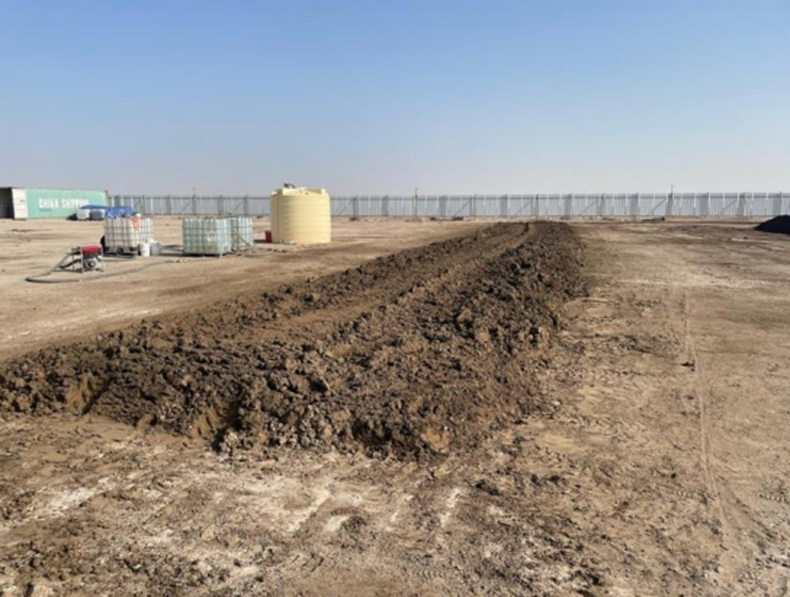
Kuwait Test March/April 2024
The Trust has been looking at one enzyme with University of Nottingham and another has been on an extended test in Kuwait being used to break down oil contamination left over from Iraq invasion of Kuwait. Remarkably the amount of damage to be cleaned up is staggering and defying many clean up methods. This enzyme has performed well, and we will see the data shortly.
Wild Swimming and Health Concerns.

The Mail on Sunday contacted the Trust to help with an article on the dangers to health of swimming in UK rivers. The expanding number of swimming clubs on inland rivers and lakes, rowing, and angling. We outlined safe practice and the dangers both historic and of the present day.
See article at end of this document.
Collingham Flood Defences, Nottinghamshire.
We were contacted by a residents’ group from the village of Collingham asking for our help to look at ways to cut the risks to the village going forward into a future of global warming or/and climate chaos. When the Trust left the village 22 years ago there was an area of resignation to the fact that floods happen, but today there appears to be a number of people wishing to push back the tide!
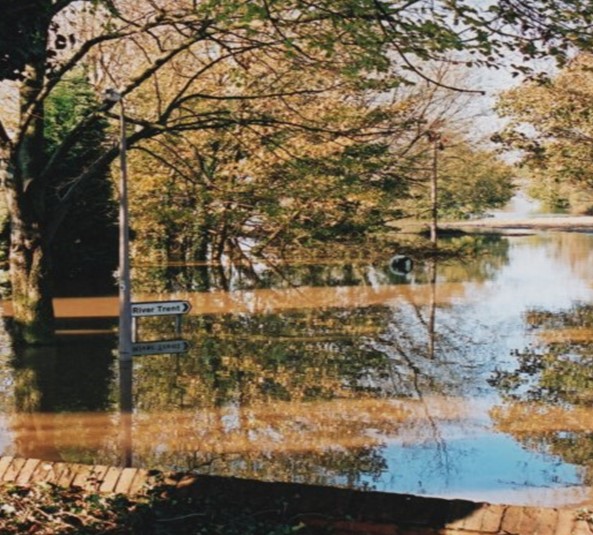
We have been asked to attend an online meeting shortly with the local authority and village residents. We will see what transpires.
Coal Authority.
We have had both meetings and conversations with the Coal Authority on several occasions over the last months. Talking about their expanding role: the remarkable number of pollutions emanating from lead mines in West Wales and their developing political importance both in the Welsh Assembly and at Westminster. We are to meet the new CA person in charge of this area shortly. We have discussed their innovations team idea generation with regard to high value trace metals, ochre and other waste,
They are looking at any value-added options, not just heat but the water from mines as bespoke supplies, both of which we outlined over 20 years ago. The CA are also finding that this winter has stretched their resources, spoil heap movement being a politically charged in South Wales unsurprisingly. They do not own the majority of these heaps but have inherited liability and moral obligations. Many minewater seeps have also appeared over the last few years with increased rainfall over the last few years.
Severn Trent
We have been in correspondence with Severn Trent and have a meeting on Wednesday 5th June.
Environment Agency.
1/ A recent request for information regarding the Bottle Brook in Derbyshire which was noted by the Agency to be contaminated by PCBs, this detail had been added recently to catchment data though the river was last tested in 2019. Since our information request PCBs has changed to PBDEs. The reason for many rivers failing their chemical quality. One of the problems with these chemicals is that they are bioaccumulating endocrine disrupters.
2/ We have had some discussion with the Environment Agency about a new lead mine site (Threlkeld) remediation in Cumbria. This project is including the work of the Rivers Trust, breeding certain plants including Mountain viola, along with the Wildlife Trust and Newcastle University.
River Thames Water Abstraction.
We were asked to endorse a local group of West Londoners wanting to stop abstraction from the Thames to supplement Thames Water’s supplies for the city. The group proposed that it would be better to treat the water from Mogden Sewage Treatment Works, which discharges treated sewage into the Thames close to the proposed abstraction point. We have explained that we cannot endorse their scheme but will support with research and advice. We have helped the group in the past with ideas and background information.
Sport England and Sustainable Football Pitches.
We have been asked to put forward ideas to mitigate the effects of flooding on football pitches around the country. The number of football pitches within flood plains is not surprising as these are often the flattest areas. The ideas that many have put forward include raising ground level above the flood level. Such ideas are not sustainable, and anti-social as it moves the water elsewhere. This subject is only the ‘tip of the iceberg’ as many other groups in society, from farmers to manufacturing industries and house builders are also facing similar issues.
Rev. Paul Cawthorne and PCBs.
Paul visited our library recently to look at old catchment plans produced by the National Rivers Authority in the early 1990s. He found much of use. The BBC are recording a daily radio program on Paul’s work on Radio 4 and I Player that will be broadcast in June.
Web Site.
Our web site passed the 1,000,000 since we measured visitor numbers.
General Election.
We have to be careful not to endorse any political party or politician as a charity. We never have and do not intend to do so. The Charity Commission details for the General Election can be found via their email to me of today (31st May 2024).

Dear Dr Wood
Charity Name: CLEAN RIVERS TRUST
Charity Number: 1037414
In the build up to the General Election on 4th July, the Commission is sharing a helpful reminder to all charities of their responsibilities when campaigning or engaging in political activity.
Charities have the legal right to campaign so long as doing so furthers the charity’s purposes and is in the best interests of the charity. Charities must also remain independent and must not give their support to a political party.
Visit our General Election page for further information and Commission guidance related to campaigning, political activity and elections. This includes use of social media and useful scenarios that charities have faced in previous election periods – such as considering whether to support or criticise a particular policy and how to interact with political candidates.
The Charity Commission for England and Wales


How wild swimming in rivers puts you at risk of a raft of debilitating waterborne diseases despite being deemed safe by environment chiefs
By MOIRA PETTY
It sounded like good news for wild swimmers. Last week, 27 new river bathing sites were added to the map of the UK’s coastal and inland waterways deemed safe for use.
The key to getting a swim spot on the list is having local environment chiefs agree to monitor the water for contamination.
But charities have hit back, arguing that many of these sites are far from safe – and could even harbour life-threatening diseases.
Experts have told The Mail on Sunday that bathing sites are only tested for dangerous pathogens between May and September, leaving swimmers vulnerable to infections during other months.
They also argue that health officials are only testing rivers for two types of bacteria, meaning many bugs may go undetected.
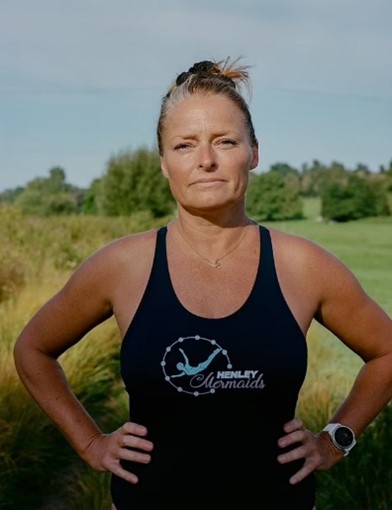
The key to getting a swim spot on the list is having local environment chiefs agree to monitor the water for contamination. Pictured: Laura Reineke
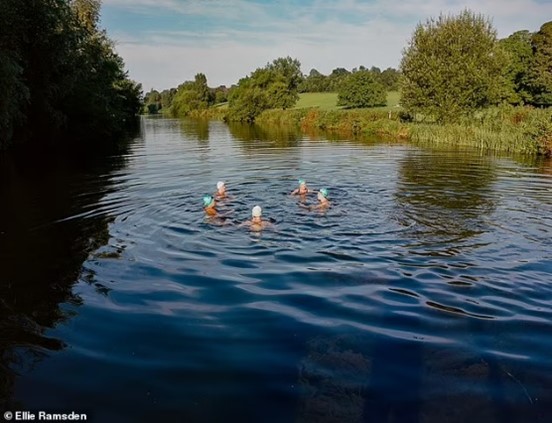
Experts have told The Mail on Sunday that bathing sites are only tested for dangerous pathogens between May and September, leaving swimmers vulnerable to infections during other months
Particular concern has been raised about the presence of bacterial infection leptospirosis, which is often spread via rat urine and triggers a condition called Weil’s disease. There were nine UK deaths from the illness between 2006 and 2010.
Research also suggests that many swimming spots suffer from high levels of sewage pollution – increasing the risk of further infections from the contaminated water. The warning comes after it was revealed last week that millions of litres of raw sewage were illegally pumped into Windermere in the Lake District. Water company United Utilities failed to inform the Environment Agency for 13 hours after the incident.
The MoS has spoken to a number of wild swimming enthusiasts who say they’ve been left battling illness after taking a dip. Laura Reineke, 51, has fallen ill four times over the past five years while swimming in a popular spot in the Thames. Every year, hundreds of people take part in the Thames Marathon – an eight-mile swim between Henley-on-Thames and Marlow.
Laura, a charity fundraiser, says she was ‘knocked sideways by the ferocity’ of the illness she picked up while swimming in the area. ‘My joints started aching, as if I was coming down with the flu. Suddenly, I felt really poorly, I could feel my bowels quicken and I needed to be terribly sick.’
She experienced severe diarrhoea and vomiting which she worried would never end.
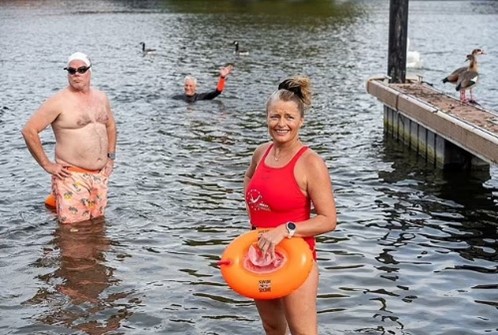
Campaigners have hit out at the Government, claiming that it is failing to do enough to ensure swimming spots are safe
‘It went on all night, violent and constant,’ Laura says. ‘I wanted to sleep but had to keep rushing to the bathroom… I had to stay in bed for two days.’
Laura – who swam the English Channel this year for charity – has had the same illness three more times after swimming in the Thames. Locals have previously raised concerns over sewage discharges from the Little Marlow Sewage Treatment Works.
Campaigners have hit out at the Government, claiming that it is failing to do enough to ensure swimming spots are safe. ‘The dreadful quality of Britain’s waterways is an international embarrassment,’ says James Wallace, of pressure group River Action.
‘Why should we have to choose between healthy enjoyment of nature or risking our lives?’
There are 451 places in the UK earmarked as safe for swimmers, according to the Environment Agency. But experts say the system is flawed as they only test water for E. coli and enterococci bacteria.
E. coli is a common cause of painful stomach bugs, while enterococci can trigger urinary tract infections, endocarditis (infection of the heart’s lining) and periodontitis (a gum infection).
Campaigners are concerned about other dangerous bugs, such as leptospirosis. Last year, 122 people were diagnosed with it – double the number in 2010.
They also say that the Environment Agency is not testing for a type of salmonella bacteria which can trigger typhoid, a life-threatening disease. Typhoid was diagnosed in 603 patients last year – a rise of 26 per cent since 2010.
‘[Typhoid] comes into the country from abroad,’ says Professor Harvey Wood, founder and director of the environmental group the Clean Rivers Trust. ‘Some of the bacteria goes into sewage and ends up in the river.’
Experts have raised concerns that sewage is still being dumped into designated safe swimming spots. Four newly approved sites along the River Dart in Devon had dozens of sewage dumps last year. One location in Dittisham suffered 62 dumps lasting a total of 380 hours, according to the Top of the Poops sewage monitoring site.
Professor Wood claims sewage pollution is increasing because water companies have not built large enough systems to hold rainwater and wastewater, meaning they have to release contaminated water back into the environment.
‘They’re discharging sewage into the rivers and seas to stop it backing up in our homes because they haven’t invested in better infrastructure,’ he says.
An Environment Agency spokesperson said: ‘Overall bathing water quality in England has improved over the last decade due to targeted investment and robust regulation, with 96 per cent meeting the minimum standards last year – up from 76 per cent in 2010.
‘Over the past 30 years we have also directed £30 billion of water company investment in sewerage improvements and other measures to protect bathing water quality.’