March 2018
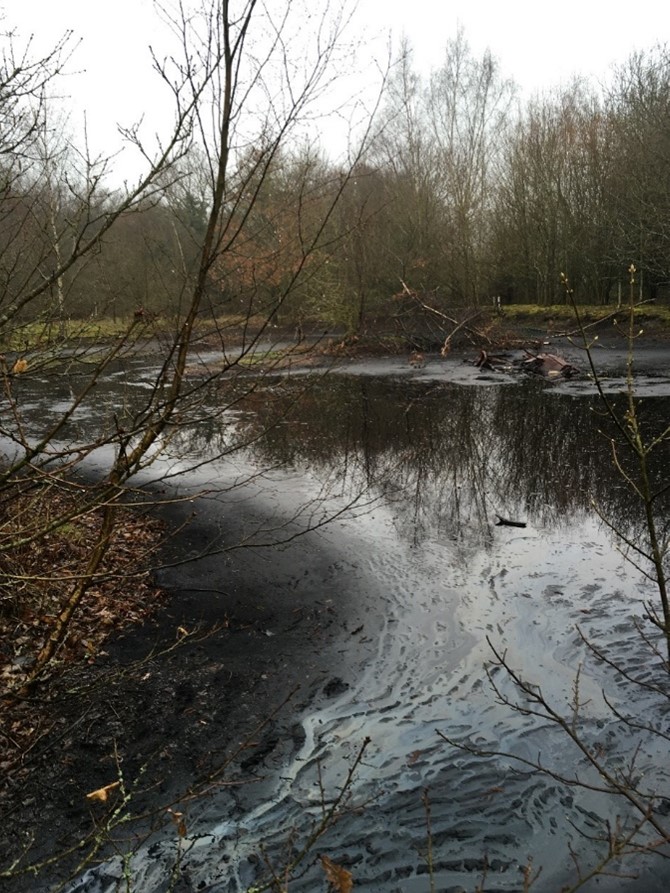
The site at Cinderhill outside Belper in Derbyshire is one of several contaminated sites that were caused by the recycling of oil in the 1960s and 70s. The highly contaminated residues being deposited in unregulated lagoons and quarries. The runoff from the site was severely acid with a pH1 being normal. Nothing had grown on the site for the 45 years since the old clay pits were filled. No animal passed over the surface due to the acidity and if one stood still on the surface of the tar one would start to sink and hydrochloric acid would come between your boots and the tar.
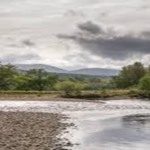
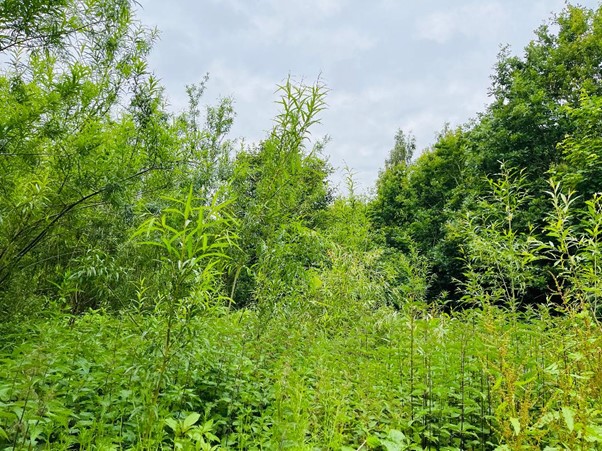
Today as the recent photographs demonstrate that the site has changed considerably. The site is green, trees, willows and a few poplars that were placed in a thin layer of spent mushroom compost. Today the first several metres of tar have changed from the initial hostile environment has now been populated by earth worms, slugs, snails and in the last three weeks ants have built a large nest going down into what was acid tar. Birds have nested in the willows, deer pass through the site, several newts including Great Crested have been observed on the surface along with frogs and toads. The remediation has used naturally occurring bacteria and fungi on the site which have been helped to enter the tar following the tree roots and its oxygen supply.
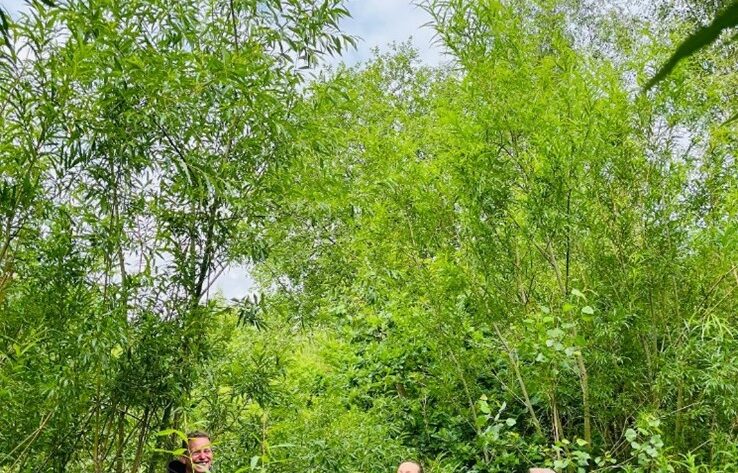
In the autumn of 2023 vandals laid waste to a large number of established young trees and we feared that this damage may never recover but large areas have reestablished from the roots and stumps of many trees that had been destroyed. Other trees are now up to 25 feet tall and developing an adult bark on their trunks.
June 2024
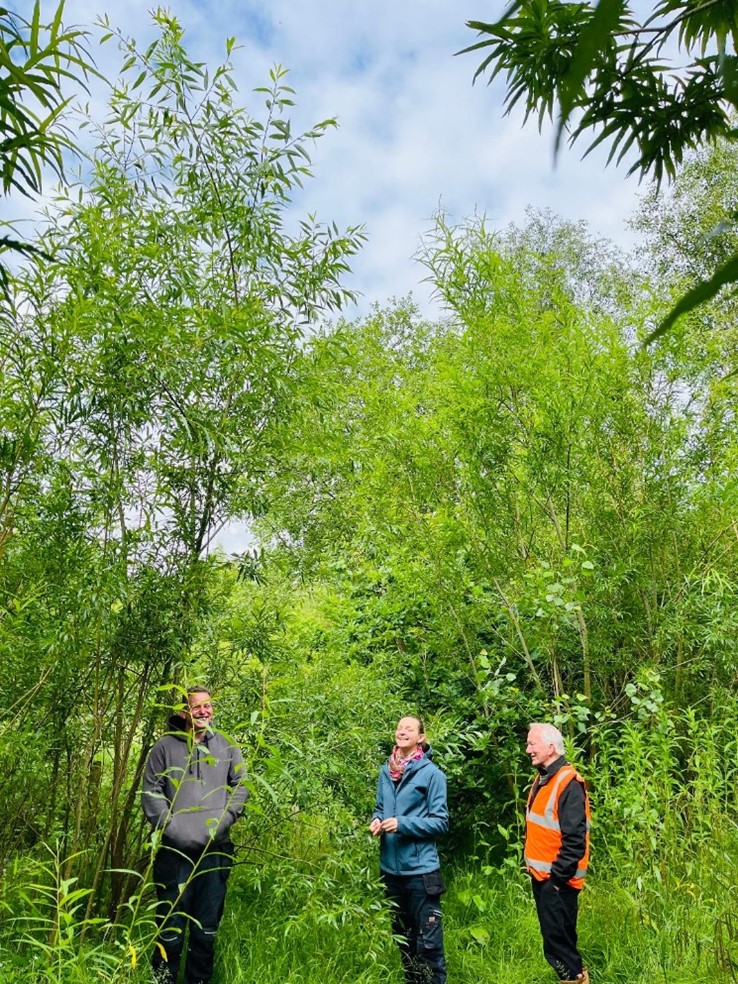

Four to six feet of regrowth since this spring.

The Ant’s Nest
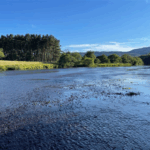
The acid lake is now a near normal lake though it will take some years of management and further work on other acid tar lagoons to ensure the water maintains its present quality. The other day geese, ducks and this week grebe on the water.
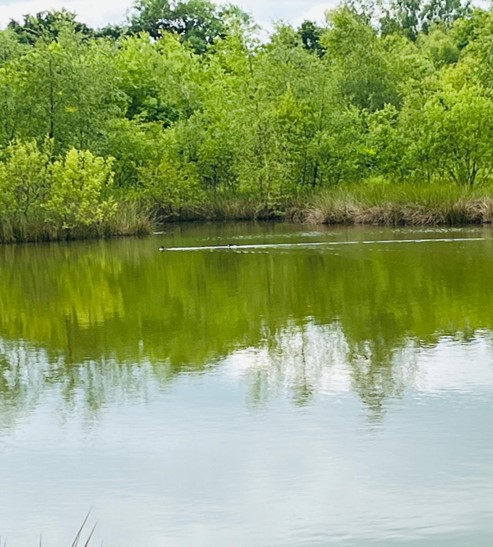
The encouragement of Juncus and Typha have done much along with the slow addition of lime washed into the water from the gabions we placed to stop further acidic tars entering the lake. Prior to these changes the water was unnaturally clear with mats of green slime bacteria and rainbow surface bacteria making one think someone had poured oil on the surface. The water now looks lake like rather than a chemical pool.