Introduction.
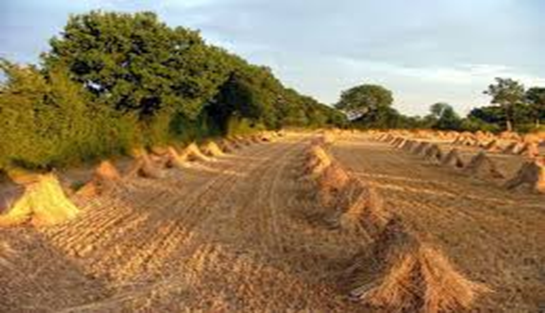
The United Kingdom imports around 50% of its total foods supply into the country. This has been an issue that constantly plagues any populous nation from the dawn of history. The Greeks of ancient times created an empire, into Macedonia and Turkey, the Romans required the whole of the Mediterranean edge, in particular the Nile Valley of Egypt to ensure the population of the cities of the Empire and Rome had enough grain.
Today we trade and importation of such a major part of our diet is a concern for many. During the two World Wars of the Twentieth Century the UK found that reliance on imports then meant that the country came twice to within fourteen days of running out of staple foods.
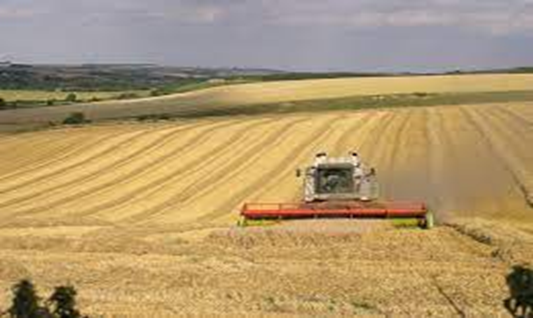
Today the country is seeing a similar reliance on importation of fuel, gas and electricity is seeing prices of energy rise rapidly. This is seeing more individuals and families become unable to pay or afford to heat their homes. This fuel or energy poverty is set to grow as the world tackles carbon reduction over the coming decades.
Present Situation of Agriculture.
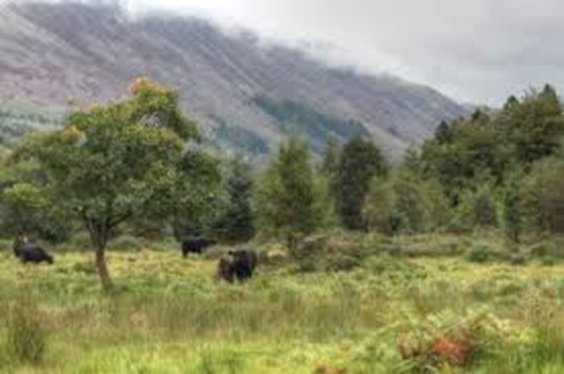
Government is becoming infatuated by the thought of rewilding the country and many major landowners are going along with these ideas. As European Agricultural Subsidy to farmers rewarded grain farmers to produce traditional crops and at whatever level, from thousands of hectares to a few the state paid the farmer for production. Now the UK has left the European Union the tables have turned. Environmental betterment is to the fore.
Funding is now available to less intensively farm, and farmers are to be encouraged to either, on the smaller scale give up small areas of their land to ponds, wetlands, and habitat creation. On the larger scale agriculture is to shrink its domination on whole landscapes. Funding to allow from 500 to many thousands of hectares are to be given back to nature. Removal of sheep from uplands, native forest creation, fen recreation, any other form of landscape recreation a landowner might wish for and agree with English Nature or their equivalents in Northern Ireland, Scotland, and Wales.
The production of food supported by the state is to be abandoned over a period of three years. This transition period is a period of uncertainty, and one must consider is this the way forward. Prices controlled by world price is dangerous. Personally, my grandfather was bankrupted twice by the state allowing farmers to sell at market price. Twice or more during the first thirty years of the 20th Century there were agricultural depressions. Farms that produced food went to the wall; land prices dropped allowing in many parts of the cereal growing regions to be developed not as farms but agribusinesses. Other areas where tenanted farms failed the vacant farms were reabsorbed back into the great estates.
Today the term farmer has lost its cham for many as they no longer understand the concepts of agriculture in a woke world. We need, as citizens know what we want to see as green space or food producing areas of this small land. Is this a large area for urban hordes to roam, wild camping, campfires lighting up the moors in more ways than that that they may have been intended. Urban pets chasing the few sheep that may be present or turning into a light meal for a lynx recently rewilded.
The increase in the opening up of the country with right to roam and not just sticking to footpaths.
Government Funded Research.
Dig for Victory.
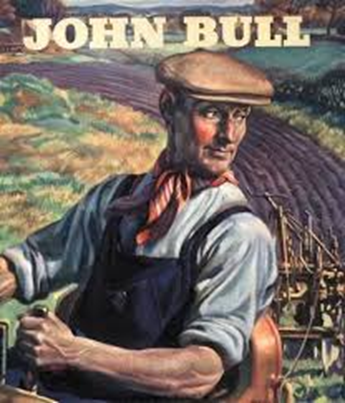
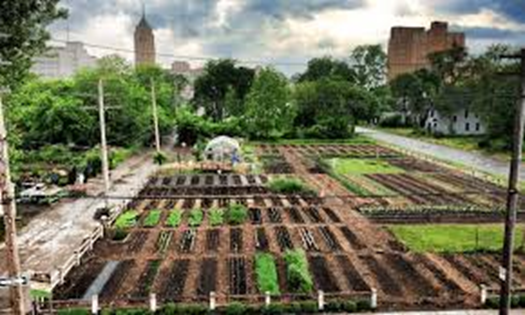
During both the First and Second World Wars much of London’s public green spaces, parks and gardens were farmed to help feed the nation and beat the submarine menace that was sinking the nations deliveries of imported food. The siege warfare of modern times. Today the enemy is whoever can increase prices on a global scale that takes cost to the maximum the populace can stand.
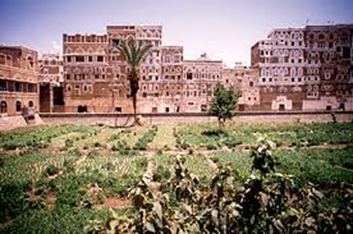
Yemeni cities such as Sana’a, the nation’s capital has been pioneering urban agriculture. This remarkable use of limited open land and scant water resources, even utilising wastewater where available for crop production. Chillies, tomatoes, beans, and green vegetables such as cabbages have improved the limited supply available to the under supplied urban dwellers. This has proved vital during the civil wat that is still ravaging the country.
London
Research by the University of Lancashire has shown that more fruit and vegetables might be grown than is likely to be needed within the cities of the UK. This may obviate the need for such crops to be grown in rural areas and replacing imports. The greening of urban conurbations, crop growing within communities and in private gardens, development of new allotments and other options engage local people, increasing sharing and decreasing loneliness and mental health issues.
Thought.
Originally the idea of reducing rural production and bringing ‘market gardening’ into the cities concerned me as having been brought up in a rural area, the patterns of nature and the traditions of farming run deep, as it does with those with links to the country. Now though there is a likely cross over between the two at worst and a merging of concepts may develop a result that is both socially and economically sustainable.
Sources.
English Nature Press Releases
DEFRA Press Releases
HMG Press Releases.
http://www.research.lancs.ac.uk/portal/en/publications/-(689f067d-4f08-4eed-9e0e-d977603700b5).html