Mine Waste Metals in Pasturelands and Mine Runoff Effects on Food Species.
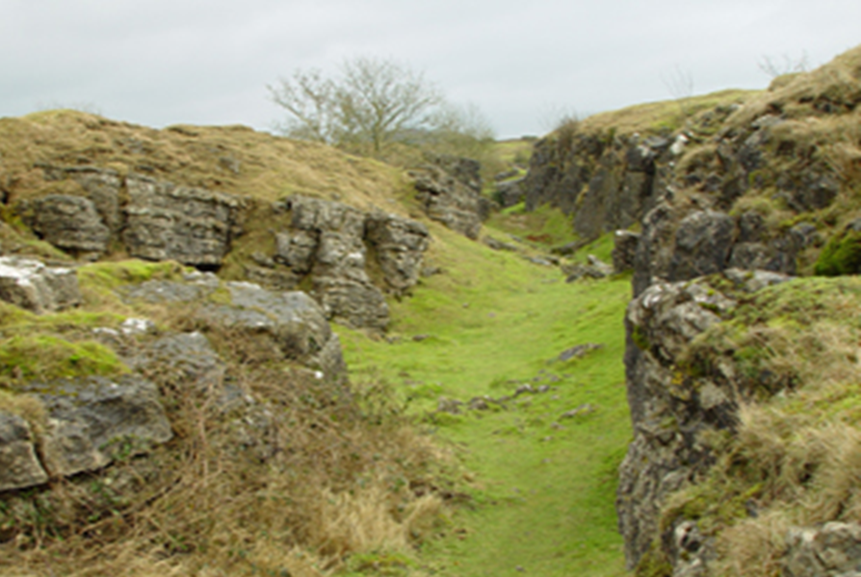
Roman lead mine near Charterhouse, Mendip Hills. These workings are similar in manner of working to the Roman Scowels (iron mines) in the Forest of Dean.
The Trust has been involved with research being conducted by the University of Nottingham for DEFRA. A fascinating set of concerns regarding minewater and surface water runoff from metalliferous mine spoil sites across the UK contaminating grassland
Similar concerns, we first raised more than 30 years ago. Then it was shellfish poisoning in Carrick Roads, Cornwall which was first recorded in the 1800s and photographed in the 1960s. The poisoning was caused by metalliferous mine drainage and silts entering the estuary via streams and rivers.
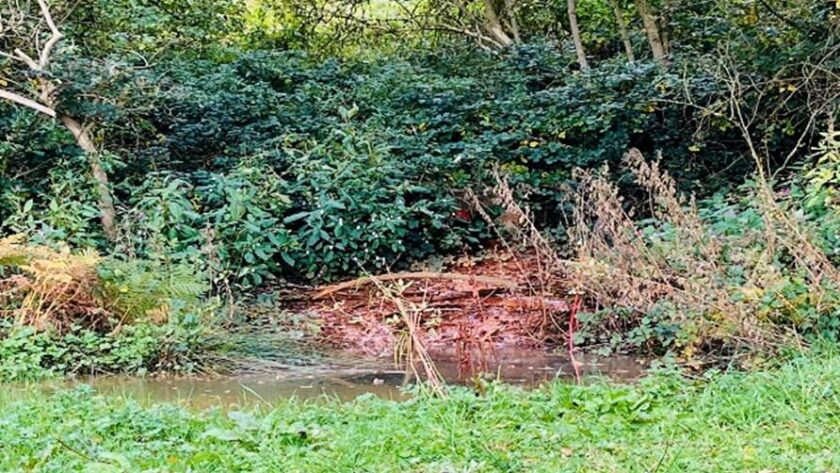
Another area which we reported on at the time being sheep and cattle poisoned after flooding on the Somerset Levels caused by historic, including Roman, lead mines draining into streams and rivers leaving the Mendip Hills. Similar events were first recorded in the Royal Commission report on river pollution from mines in 1873.
We hope to do more work in this area in the coming months.
Hesketh Bank Flood Fears.
0
The farmers and villagers of Hesketh Bank who asked for help and advice have had some good news that the Government are of the mind to protect the present flood banks that stop a large amount of grade A land and the village from being inundated. There is now a commitment to maintain the present line of the coastline for the next 50 years when a realignment of the flood banks may be needed. 50 years is a long time and may be overtaken by events such as climate change, rising sea levels and unpredictable weather patterns. There is though some respite from concerns that changes in land designation would see many people’s livelihood put at immediate risk.
Issues regarding Environment Agency maintenance of the flood banks and sluice gates are though a continuing concern. Letters and several freedom of information request replies are still outstanding.
EFRA Select Committee.

We were asked for a short briefing on the issues of the water industry which is being enquired into over the first six months of 2025: the enquiry: ‘Reforming the Water Sector’. This has taken some thought and time. Since they received the response we have answered several questions in relation to the issues and expect to answer more in the next months.
Cinderhill.
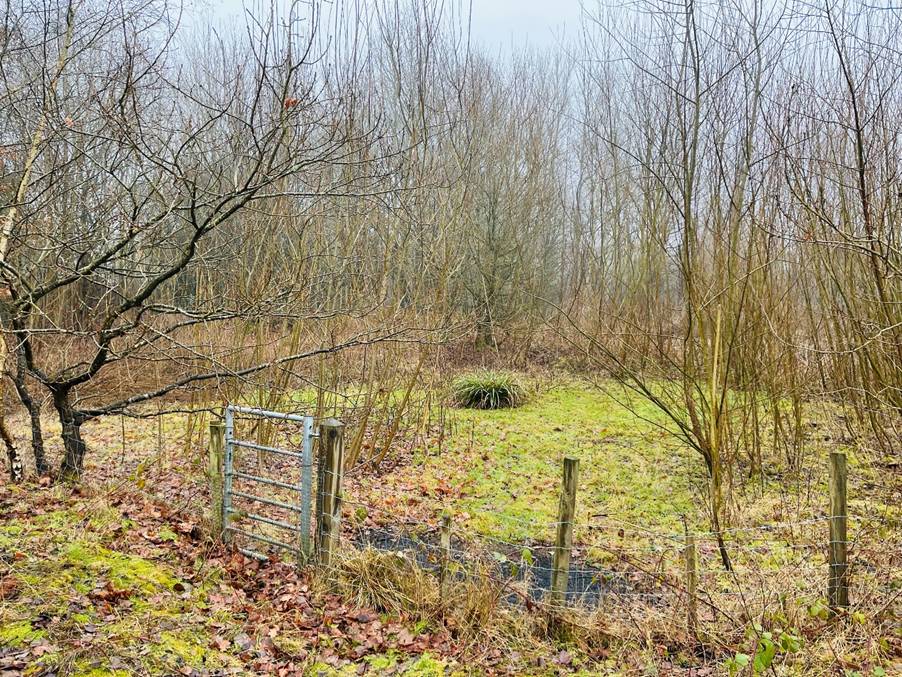
The site is looking well with trees demonstrating they are developing bark in the older /larger specimens. The cold and winter storms have had few harmful effects, though some trees have been suffered squirrel, deer and rabbit damage. These will at worst come back from the root stock.
Severn Trent.

We have been in communication and are looking forward to working with STW in the near future on minewater and other projects.
Duke of Edinburgh Award Scheme.
Met with Onno vK-B before Christman. He has done a lot of work on the Policies of the Trust. He is now writing up his findings on water quality along his sculling course on the River Lee.
He has done a lot of excellent work, which will be shared with the Trustees shortly.
Director’s Replacement.
The Trustees asked HW to outline actions needed if the Director of the Trust could no longer perform his duties. See Appendix 1. The Trustees further asked for a job description to be produced to recruit a replacement Director. See Appendix 1-3.
Commonside Tip.
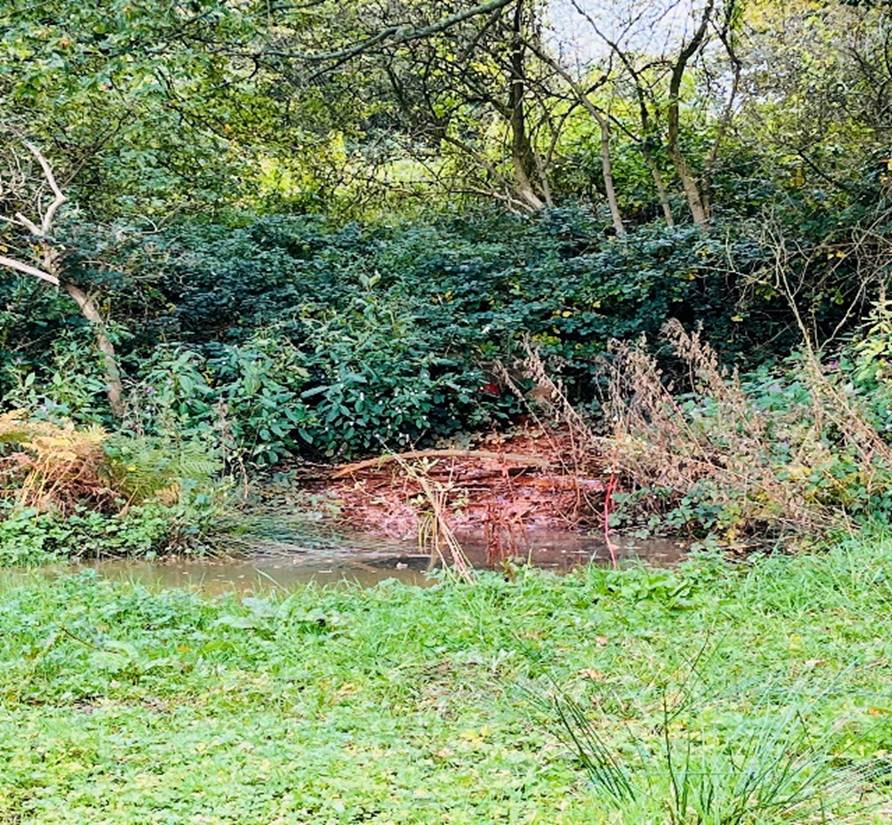
The local authority is keen to see the site in Cheshire decontaminated. There are several stages to go through with site investigations which will take time this year but there is a plan developing that should involve our methods.
The samples taken in December have shown some high metal readings as well as PCBs.
Rivers Trent and Fleet Flooding at Collingham.
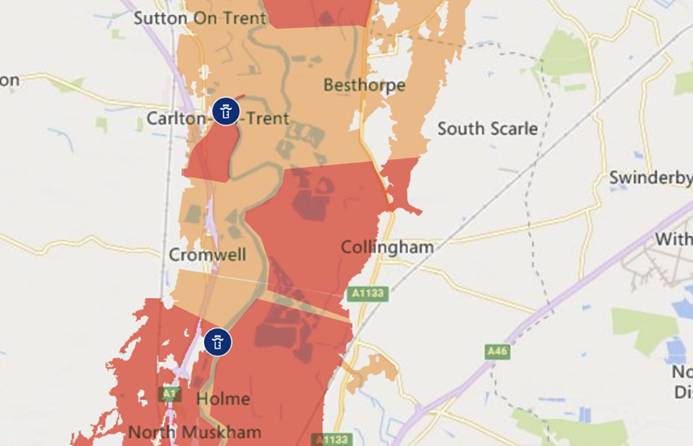
Nottingham County Council published a report on the reasons for flooding across the Trent Catchment due to Storm Henk in January 2024. We were asked to attend a meeting with residents and councillors to discuss the report and put forward ideas to mitigate, where possible excess water affecting the homes in the area. The Meeting took place in January and whist this meeting was taking place the same properties were again flooded due to the weather of the prior two weeks.
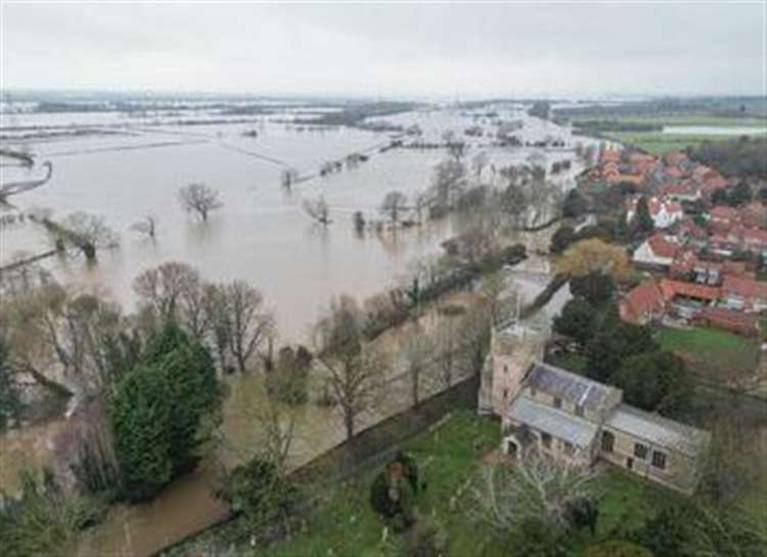
12th January 2025 Flooding at North Collingham and Trent Lane..
Further Meetings are to take place.
Hoole Bank.
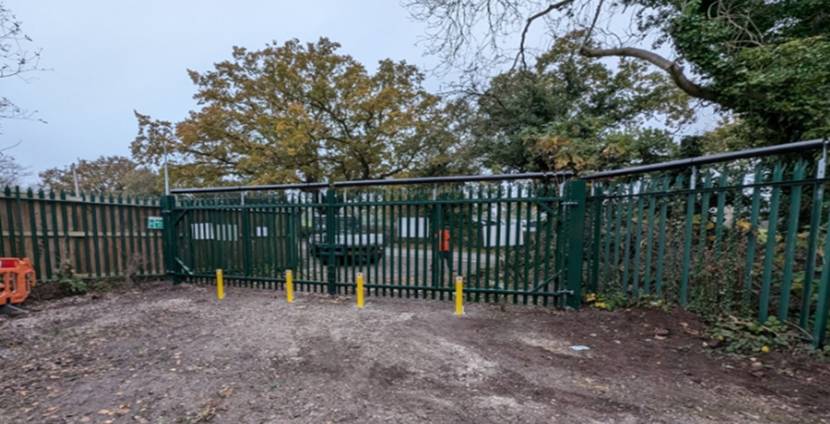
BP and their consultants have invited us to visit the site shortly. The time and date are yet to be fixed.
Waingrove Wetland.

We helped the Waingrove Community Woodland Trust design their minewater treatment wetland more than 25 years ago. A recent visit has shown it is still functioning well and an integral feature of the ecology of the woodland.
Whitehaven Harbour Pollution.
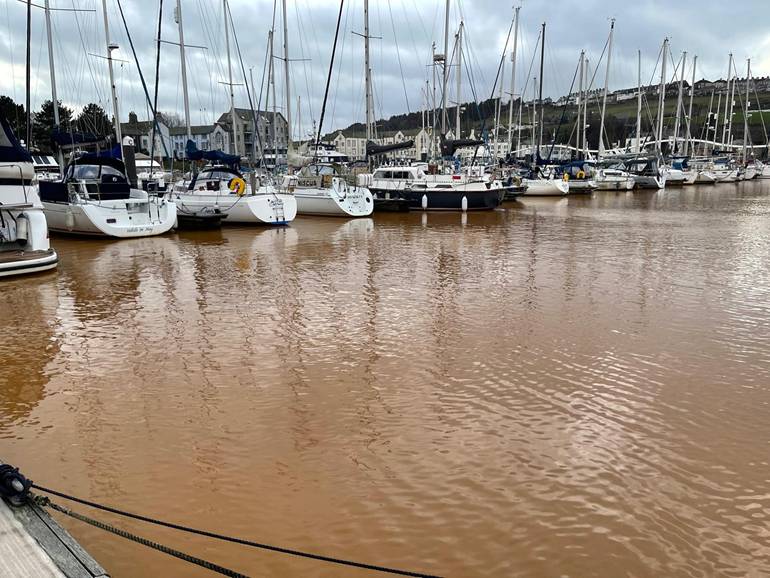
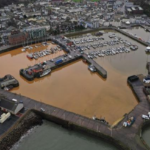
The least polluted part of the harbour. The Marina and Harbour Commissioners have been using the lock gates to drain polluted water out into the Solway Estuary.
The ‘Task Force’ has met twice since our last Trustees’ meeting.
We have produced a briefing note on methods, possible locations for treatment and costs for the MP, who has had had meetings with cross departmental agencies and ministers at Westminster.
At the last ‘Task Force’ meeting the main agencies were much more positive and stated that they were working with DEFRA who were leading the joint ministerial funding to see a solution put in place. The most likely solution is that the Bransty Beck with minewater is piped to sea (our initial suggestion from 2 years ago).
Network Rail is closing the tunnel to replace ballast beneath the tracks later this year which will cut the pollution loading of the beck and harbour as fresh limestone will be taking up the iron hydroxides and raising pH levels. It will be interesting to see for how long the new ballast works on the pollutants though hopefully the whole beck will be moves taking the water directly to sea before then. It is likely that the beck water and minewater mix will be taken to beyond the low water mark on the beach so the iron staining will not be visible as it is at Parton Beach a mile or so to the north where another minewater discharge is allowed to flow.. See appendix 5.
Canal and Rivers Trust, Trent Strategy.
We were invited by the Canal and Rivers Trust to take part in an inaugural meeting to discuss the River Trent and its role across the region. The river will be looked at as a whole catchment. Few attended but those who did are a useful group. A Nottingham County Councillor, Trent Rivers Trust, waterway developer, ABP, river pilot, historian who has worked on the river all his life, and the Environment Agency.
The next meeting will look to involve more councils from the catchment and other individuals and organisations who may expedite the pulling together of the concept..
We tried to set up something similar in 1996, but it failed due to the change over from National Rivers Authority to Environment Agency. It was also attempted by On Trent in the early 2000s with the Environment Agency. The time now is as right as it can ever be.
Highways Agency.
We have had a meeting with the National Highways Agency regarding a fuel spill treatment and its effects on the water environment. They wish to use this particular product, Fuel Spill Digester which is marketed in the UK by a West Midlands company. They are though not happy with the knowledge base relating to used product if it enters rivers or streams.
We have been commissioned by the company marketing the product to conduct research into these concerns. We will also talk with the Environment Agency regarding any issues they may have.
DEFRA Land Use Framework Consultation.
The Trust has taken part in the consultation. A better consultation document that many that have appeared of late. The document asked for ideas, and opinions rather than just multiple-choice tick box answers.
Procurement Act 2023.
The Trust was invited to attend the NEC to learn what we need to do to be a supplier to Natural Resources Wales, Environment Agency also other agencies and ministries. Natural Resources Wales and Mining Remediation Authority have already said they cannot use us as we are not registered, and it is not worth their while with regard to their West Wales project as funding ceases this year. They do anticipate further funding from DEFRA and the Welsh Government.
The agencies do not understand that we do not usually tender for work but offering our experience. It is likely that it was purely an excuse to not involve us with us at this time.
The event at the NEC was worthwhile and we will pursue some research going forward to have us accepted to supply expertise.
Planning Net Gain.
One should be aware of the feeding frenzy that is going on at the present, major environment charities and environment consultancies are seeing millions of pounds of income being handed to them by the governments requirements to benefit nature through allowing development. Projects are being registered by the thousand and sold to developers by the unit. At least one charity is offering to surpass others with a ‘Gold Standard’ whilst one consultancy we have worked with in the past and have concerns about is offering 30-year monitoring to guarantee the project is a success. Not sure if they will be around then but it sounds good to the planning authorities.
In the past, around 25 years ago, one major charity gave opencast coal companies a great certificate for being environmental champions when they employed the charity to do some consultancy each year.
It has been noted recently that a major charity and the consultancy referred to above are offering sites that are suitable for water meadows and wetlands as patchwork landscapes for carbon sequestration and biodiversity, also willow planting in special planting medium to encourage natural bacteria to remove contamination from hydrocarbon and acidic sites.
Charity Commission.
The CC had a training day last month which required (an unusual event) all charities that have or had any links to projects outside the UK to attend. The main purposes was to stop funding extremism, and politics. It also covered other undesirable elements such as abusive workers and corruption. Does make one wonder why UK political parties take donations from non-British sources. See appendix 4. It was a useful and interesting event.
FPAS.
The Norwegian University of Science and Technology has put forward solutions for FPAS contaminated land using phytoremedial measures we have outlined at a meeting in Birmingham a few years ago. They though suggest pyrolyzing the plants to make biochar. This is both old fashioned and possibly freeing up the FPAS again and transferring it. They are also saying they have discovered that sheep fleece can remove many pollutants from water and wastewater.
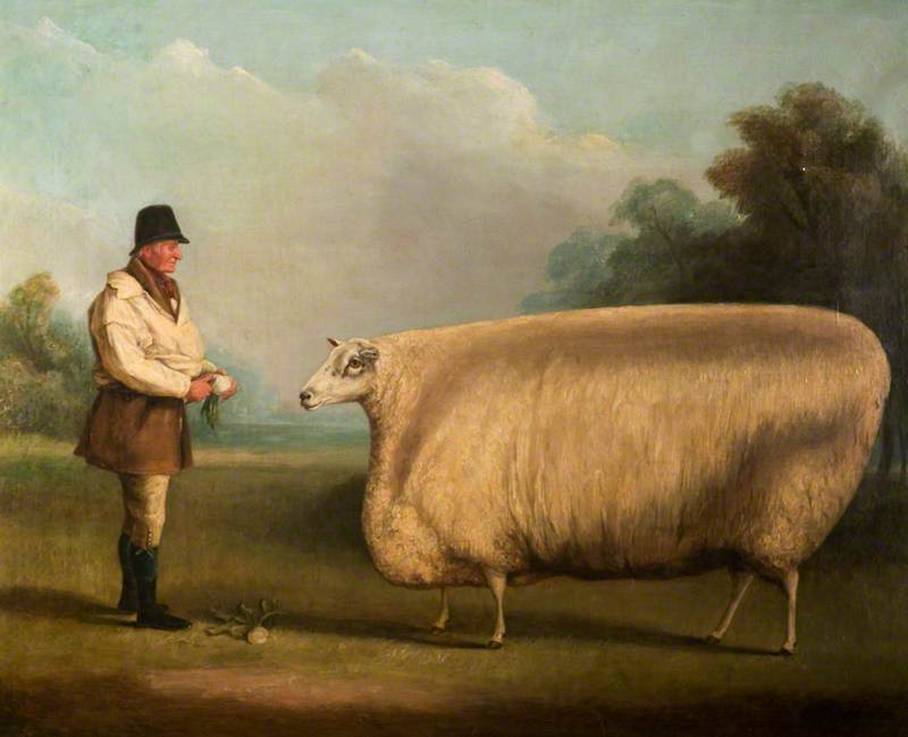
Prize Sheep 1838. William Henry Davis (1786–1865) Museum of Lincolnshire Life.
We Go Forth..

Recently contacted by this EU funded organisation with links to UCL Climate Change Unit and the arts. They are looking to use creativity and science to find solutions to pollution. They wish to visit Cinderhill in June with around 20 interested individuals from Europe.
They would also like to collaborate with us regarding a series of discussion forums on creative thought, art and science in the environment. The organisation web site: https://wegoforth.org/.
We have contacted Imperial College regarding their interest in ceramics and air pollution that they is worth having a look at. Similarly, we have contacted our Polish acid minewater friend as she is returning shortly to Britain, and she may find the link helpful.
Appendix 1.
On the occasion of the Director passing away whilst in service or being found to being unable to fulfil the role the following would need to be actioned.
1/ Trustees Meet to decide interim strategy..
2/ Inform the Charity Commission and HMRC.
3/ Bring accounts up to date.
4/ Trustees meet to decide future of the Trust
5/ Decide the future of the library and records of the Trust also its web site and presence on social media.
If the Trust is to continue, find a new Director. Go to Appendix 2.
Appendix 2.
This is a little hard to write about as it is a quite personal view. The person to replace the present incumbent should likely, but not exclusively be:
1/ Broad in outlook, arts and science based.
2/ Not necessary to be an academic. May be a campaigner who is fed up with saying someone needs to do something and wants to look for possible new methods of remediating pollution.
3/ Needs to like people.
4/ Likes the countryside and interested in all aspects of rivers. Understands rural things instinctively.
5/ Be nosey and like gossip if it is productive.
6/ Be able to write and enjoy research.
7/ Willing to raise the funds needed.
8/ Be willing to limit expenditure to what is available..
9/ Be driven.
10/ Be willing to argue their view on any related subject but also able to happily admit they are wrong. (This should not be too often,)
11/ To have nearly drowned is an advantage as an awareness of danger is good but not to be fearful.
12/ Allow their life to be subservient to the Trust, though not to the expense to their hearth, mental or physical.
13 Kind and able to listen positively.
14/ Non-judgemental publicly of industry.
15/ Work with anyone to achieve goals.
16/ Not be stuck in the vision of other water-based charities about salmon and weirs.
Understand local and national government.
17/ Enjoy engaging with civil servants and regulators, even when in disagreement.
18/ Can think on their feet. Not to ponder excessively.
19/ Stay connected with people worked with over years so one is able to access others’ expertise when needed.
20/ Care.
Appendix 3.
Outline of advertisement.
Trustees of a charity tasked with finding answers to pollutions of rivers and spreading best practice for their care need to find a new Director.
Should be in their mid-career with an enthusiasm for both research and communicating solutions. Able and willing to collaborate with the devil if necessary.
Remuneration possible. Needs to raise funds for the Trust by any legal means.
Requires a sense of fun, duty and enthusiasm for all aspects of the environment and will listen to others and learn from the most unlikely sources.
If you are prepared for the job of a lifetime apply to the Trustees at:
Appendix 4.

Appendix 5

Rail line to shut to tackle orange water issue
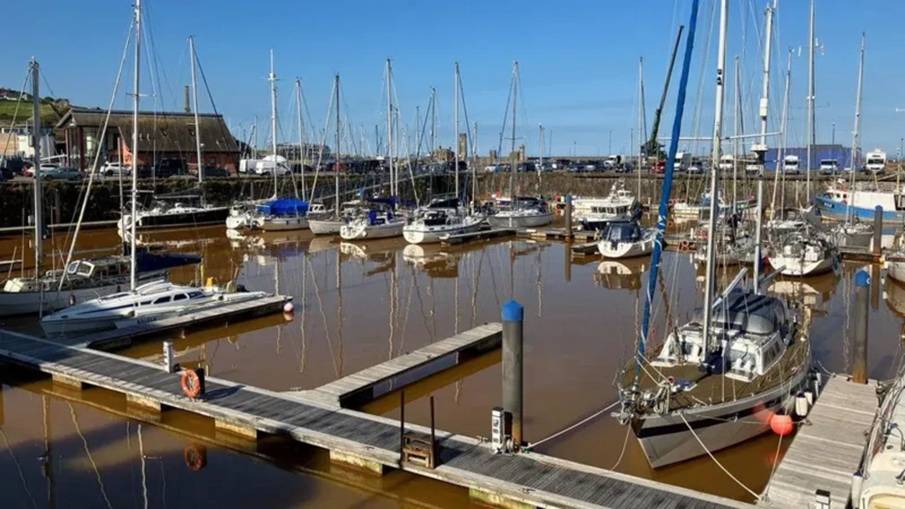
,The harbour’s water has been discoloured for more than two years
- Author,Jason Arunn Murugesu
- Role,BBC News, North East and Cumbria
- 3 hours ago
A rail line is to close and its tracks replaced to try and solve a long-running issue with brown and orange harbour water.
Tests have identified iron ochre getting into Queens Dock, at Whitehaven, Cumbria, through a culvert.
The problem has in part been blamed on a “saturated” railway tunnel which takes trains underground between Corkickle and Whitehaven.
Network Rail said it would drain the tunnel and replace its tracks this year and would give a timeline of the works in the coming weeks.
“Schemes like this are costly and subject to strict processes to ensure that we adequately plan for the closure of the line and it is value for money for the taxpayer,” a spokesperson said.
It is unclear how long the line will be closed for and if other transport options will be put in place.
‘Not permanent fix’
Tests have previously found that the culvert releases water collected from Bransty Beck and a drainage system in the Bransty railway tunnel, which has started to flood in recent years.
For decades, water has drained from the tunnel into the harbour without any issue.
However, since late 2022 the harbour water has been heavily discoloured.
Labour’s Josh MacAlister previously said he believed the problem was caused by gravel under the railway track becoming saturated with flood water having previously acted as a “natural filter” to catch iron ochre.
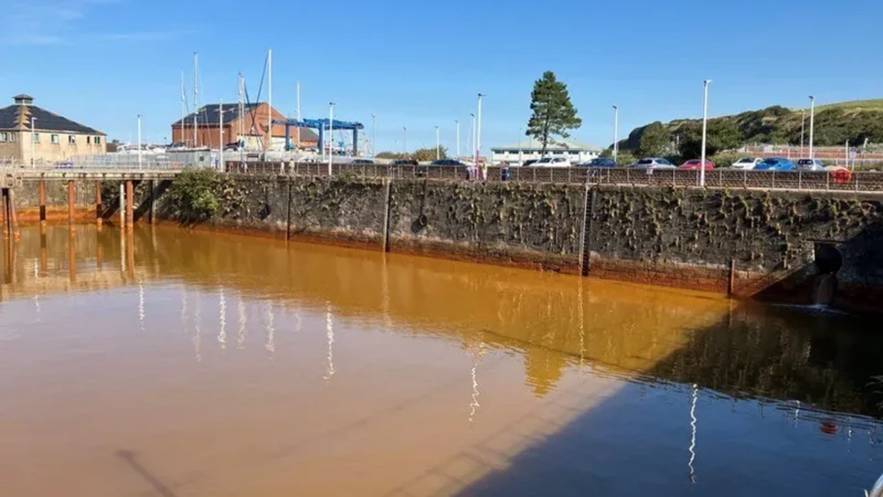
,A number of surveys and investigations have been carried out to determine the cause
He said the announcement that Network Rail planned to drain the tunnel was “important” and that the works may help in the “short term”.
However, he said he did not believe the work would be a permanent fix.
MacAlister is heading a taskforce of organisations including Network Rail, the Environment Agency and the Mining Remediation Authority to try and come up with long-term solutions to the problem.
“That work is now being done and I hope to be able to report some progress soon,” he said.
Get in touch