Cinderhill
Tar Pit.
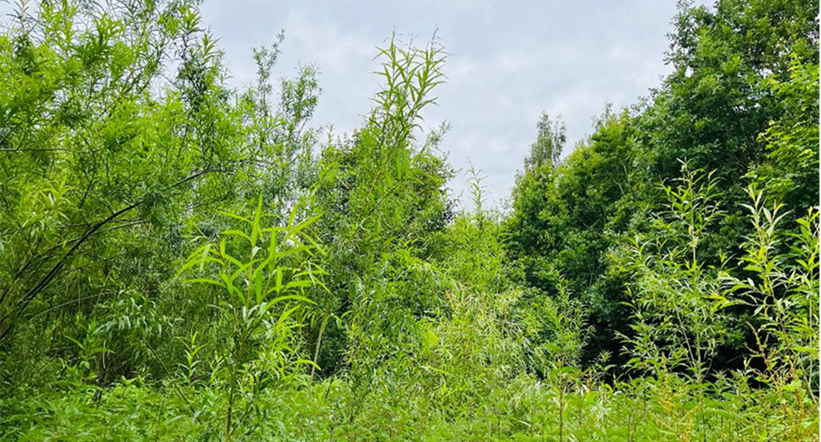
The saddest time of the year on the site when the leaves have dropped from the willows and little to see apart from the bare trunks and dying back vegetation. It is though still actively working below the surface.
The site has achieved much over the last year with a demonstration of regrowth from the roots
Across much of the site and made up for the damage incurred by vandals just over a year ago. The regrowth was as we forecast regarding dealing with the highly acidic and phenolic conditions.
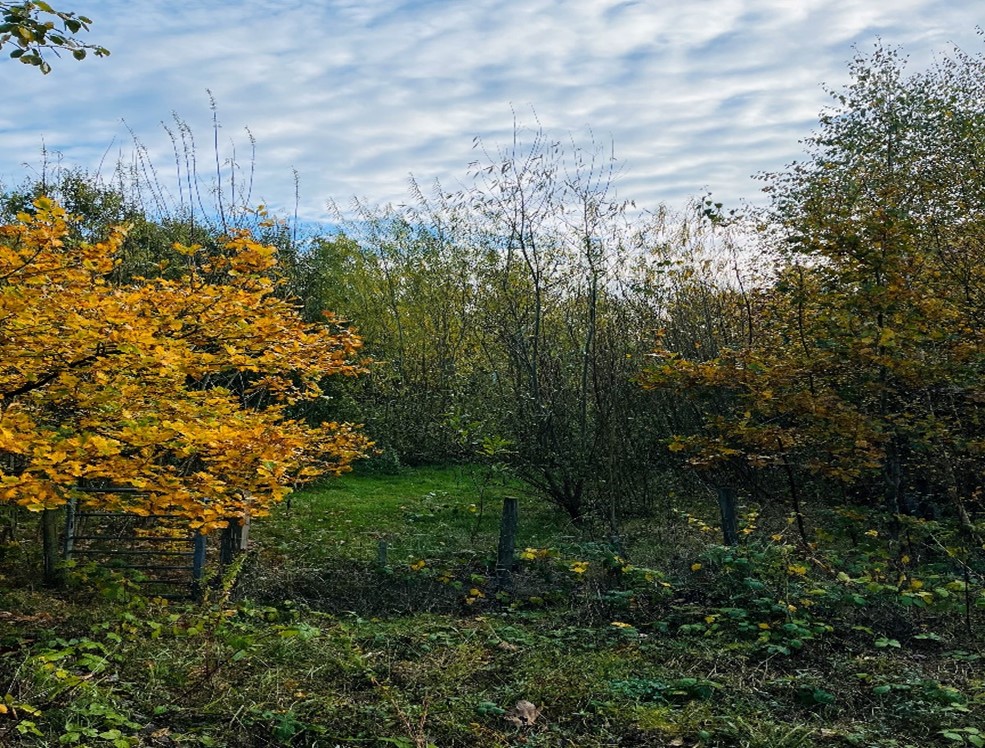
Once Acidic Lake
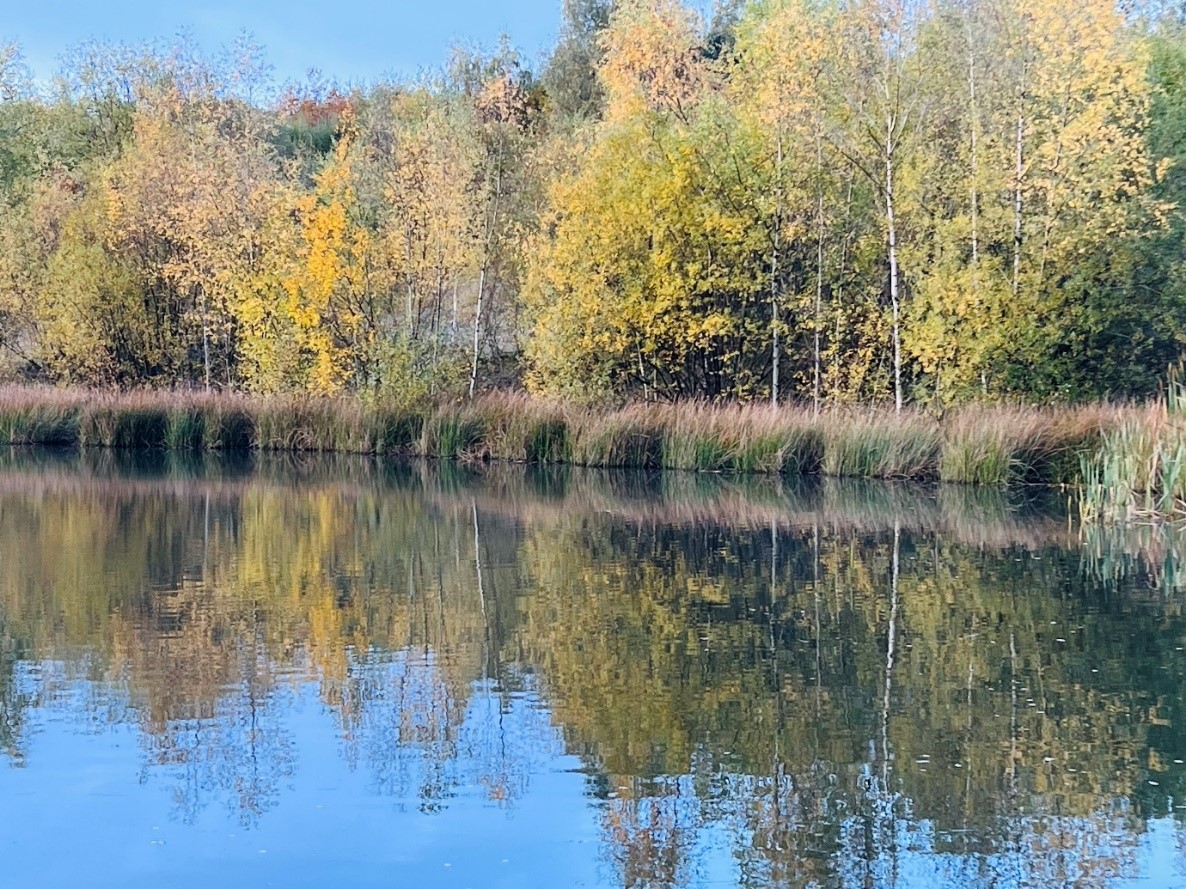
The once acidic lake continues to develop an ecosystem it was never expected to have gained. The reeds and rush beds have increased in size as have the willows. The EA have asked us for an assessment of how the biodiversity has increased by the end of 2025.
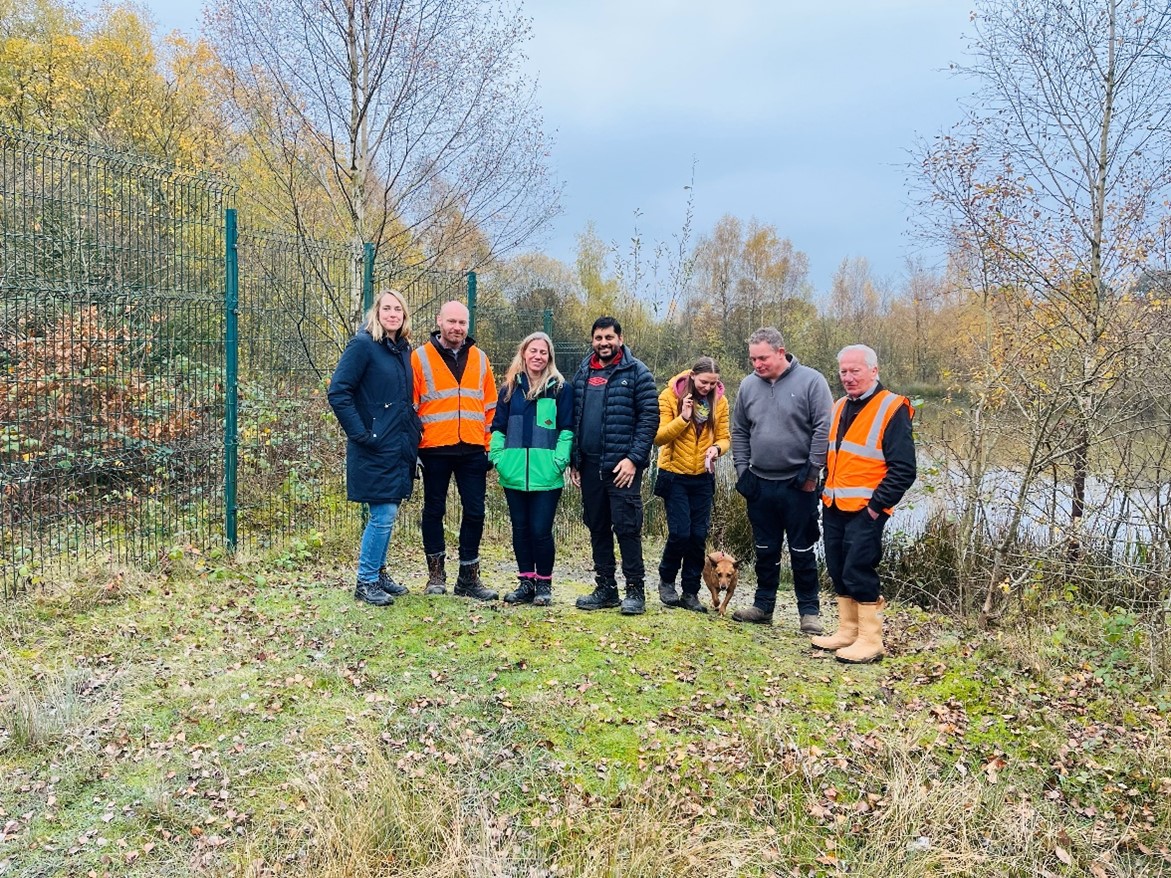
Visitors from the Hoole Bank Project join us for a visit to the Cinderhill site, November 5th.
Whitehaven
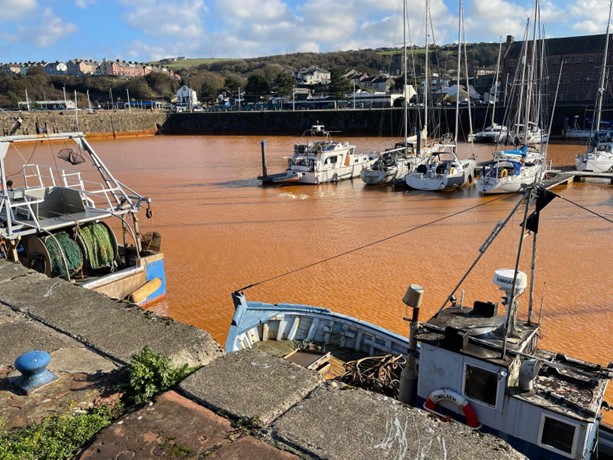
Whitehaven Harbour late October
The ochreous water continues to pollute the water in the harbour and is now leaving a developing sediment on the harbour bottom and an orange tide line around the harbour walls.
Task Force Meeting.
The Trust has now been brought into the group put together by the local MP to bring an end to this seemingly intractable problem (now two years old). At the meeting we attended at the start of October the other parties present being the MP, Network Rail, Cumberland Council, Whitehaven Town Council, Coal Authority, Environment Agency, Sellafield, the Harbour Authority, the Marina Company.
A meeting was planned regarding practical solutions in mid-October (only ourselves, Network Rail, Environment Agency and the Coal Authority attended) which was shortened as only our suggestions were put forward and prior to the meeting.
The next Taskforce Meeting will take place on 13th December when Network Rail will have circulated a report on data gathered regarding water flow from the railway tunnel. We (and the MP) may be allowed to see the report depending on commercial sensitivity.
Whitehaven Harbour Commission.
The Harbour Commission requested the members of the Task Force to add comments to a document regarding the safety of people in regard to the iron polluted water in the harbour. We offered a note to this document that one would be safe if coming into contact with it but not to ingest it it would damage the crustacean and other life in the harbour mud. We said that people should not eat mussels found on boats in the harbour. This set of comments were published by the Commission and local press has taken the warning up and at least one person has claimed to have eaten harbour mussels and what should the gourmand do about it. We have informed the Commission to say that adventurous harvesters should be fine but as the harbour is not a designated shell fishery anyone eating mussels from hulls of boats should do so at their own risk.
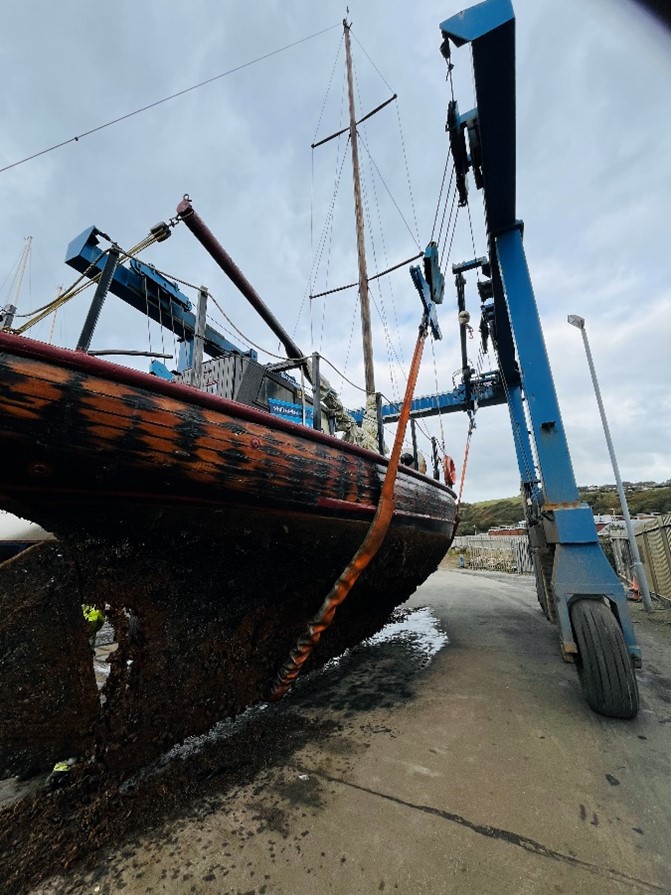
Taking account of boats coming out of the harbour recently: one vessel was elderly and being scrapped. The hull is likely to have been treated with anti-fowling pain such as TBT (Tri Butyl Tin) which was banned many years ago due to its toxicity. Mussels growing on hulls that had been treated with anti-fowling treatments are likely not safe to eat.
Hesketh Bank, Lancashire.
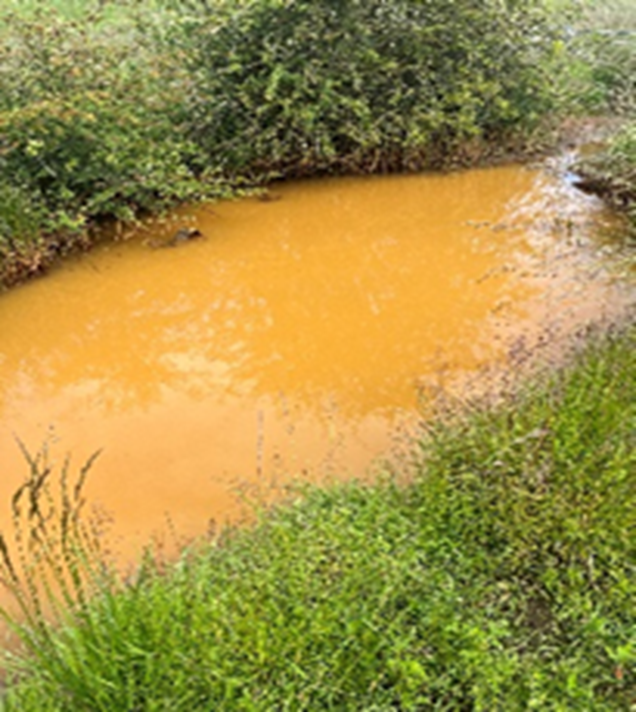
We have had to resort to freedom of information requests to the Environment Agency who have responded asking what we think is wrong with the ochre-coloured water as it is natural iron. The map supplied by them was inaccurate and has now been redrawn for them along with photographs if the ochre water and marking on the map the locations of each photograph.
Commonside Tip, Cheshire
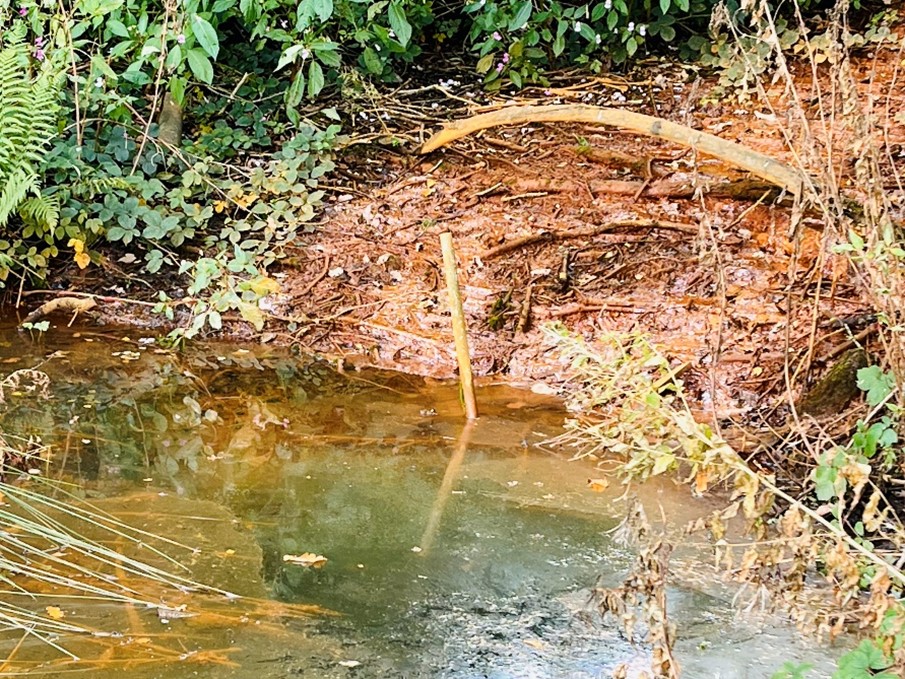
Leachate from the landfill site entering onto a neighbour’s land. October 2024
The local councillor has started to talk to us about solutions to the discharge into the local
Brook of PCBs and iron. Visits have been made in October and November and samples taken.
The Senior Environment Officer of the local authority and ourselves are in contact and agree regarding sharing information. It is fortunate that the authority is in charge of this site as it is not a registered Contaminated Land site (IIS) as that would lead us down the rout of having to find a way of working with the Environment Agency and a lack of interest which we have witnessed at Hoole Bank.
Hoole Bank, Cheshire.
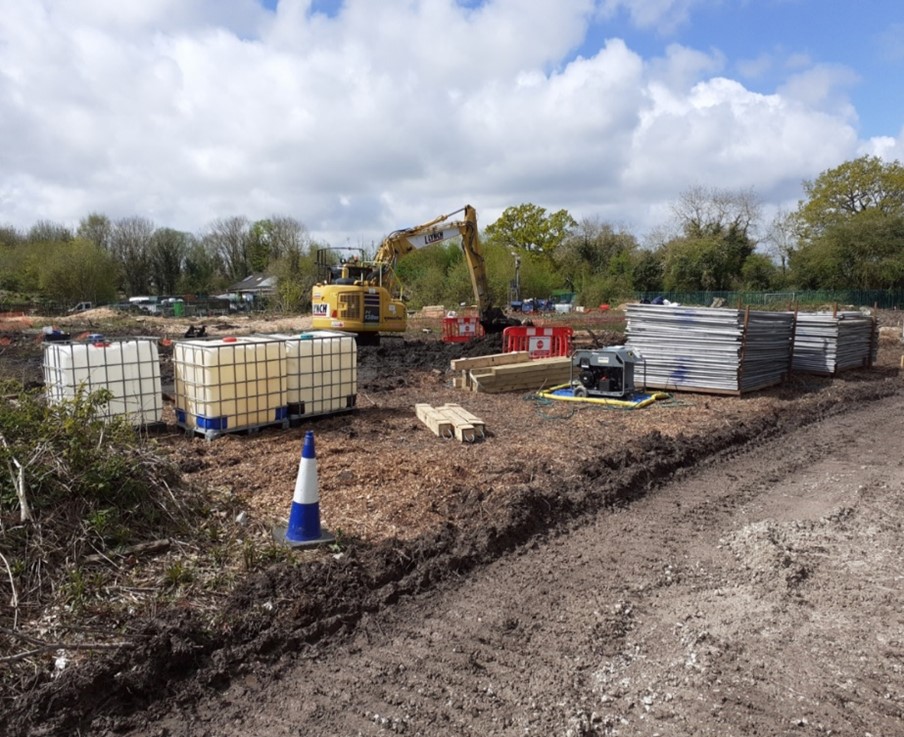
Hoole Bank site stabilisation September 2024
The Hoole Bank Team, fronted by Arcadis contacted us in early October asking if they might visit our site at Cinderhill to gain some knowledge of our site and understand the challenges we faced. Arcadis and Lubricants UK (BP) visited Cinderhill on 5th November.
The local authority in Cheshire is pleased we are talking with the team working on Hoole Bank.
Coal Authority.
The Trust has had several meetings with the Coal Authority over the past months about several issues and more are planned in 2025. The development of ways of working together in Wales and elsewhere may come together. The development of minewater treatments alongside the practical use of minewater may be one area we can partner with them.
From 29th November the CA is renamed as the Mining Remediation Authority: which allows for them to take on the liabilities of the whole mining industry in Britain. Hopefully this will allow for other sources of funding.
Acid Art.
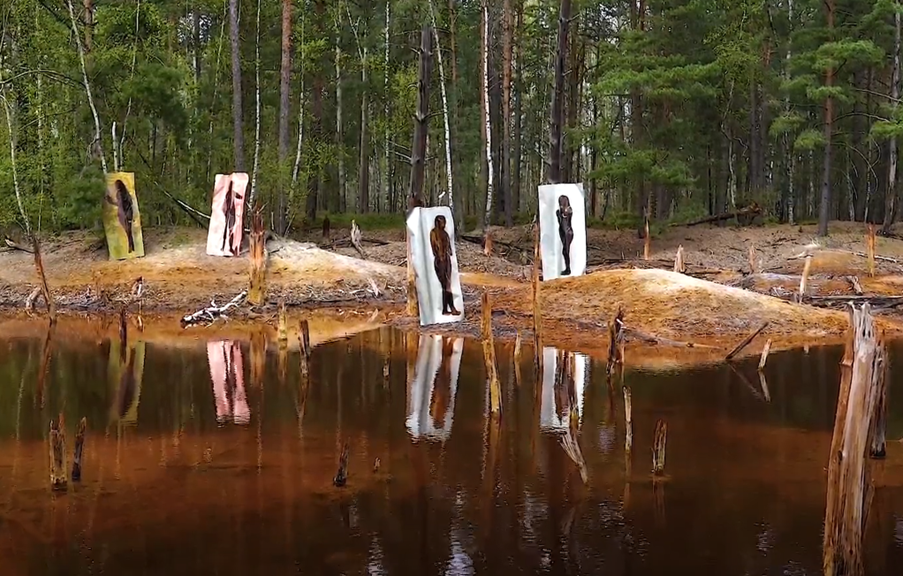
Alicja Biala the artist who was last in touch with us in 2022 has restored links to us. She has sent a video of her working with metal plates and etching them with acid minewater. (Video previously distributed). We will be collaborating further with her in the future, including a short paper on minewater in a forthcoming catalogue on her work with acidic minewater.
Kings Delph Drain.
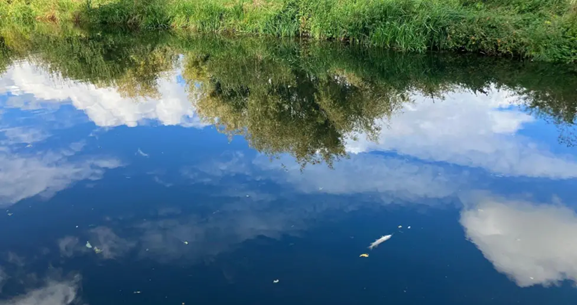
Kings Delph, near Whittlesey, Cambridgeshire, has been an interesting site of fish mortality that turned out to be a mixture of raw sewage from a broken-down pumping station and changes in atmospheric pressure. The fish deaths might have been avoided if one or another event had not taken place. We were contacted on the 24th September and the Environment Agency were swift in taking up the issue with Anglian Water.
This area has been plagued by pollution from the food industry since at least the 1980s, we had conversations in the early 1990s regarding ammonia and nitrates from the oven chip producers with the National Rivers Authority.
We have been interviewed by The I about this recent event.
Bottesford Beck, Scunthorpe, Lincolnshire.
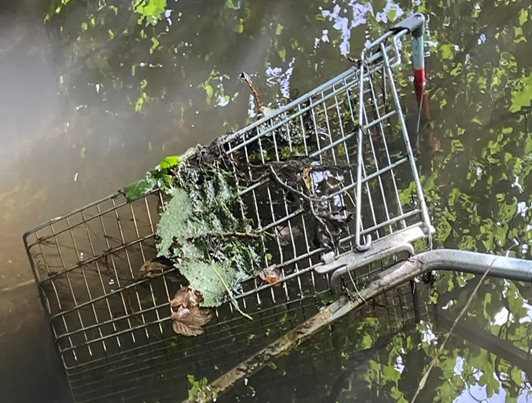
We have been contacted by local residents who like to walk along the bankside as well as the media including the BBC. The amount of rubbish that appears to be dumped into the upper reaches in Scunthorpe including shopping trollies and substantial amounts of plastics and other detritus.
Talking with local people we found that as a charity with our name the community expected us to do a clean-up on demand. North Lincolnshire Council are now considering the area might be made into a Local Nature Reserve, which would then encourage local community groups to take responsibility for cleaning up the area.
Duke of Edinburgh Award Candidate.
OvK-B has been conducting research on the River Lee and is also reviewing and bringing up to date our charity’s policies ensuring best practice and ensuring ethical ways of working.
Collingham Flood Strategy.
We have had meetings with residents of Collingham, the local Internal Drainage Board and other interested parties. This is not an isolated issue relating to this village alone and across much of Lincolnshire and Nottinghamshire there are a growing number of pressure groups forming, not just with regard to edge of village habitation flooding but also regular agricultural land being inundated for extended periods. There would appear to several issues involved apart from global warming/climate chaos.
- Lack of funding for IDBs
- Poor drainage.
- Land inability to absorb further rain and overflow water.
Minewater Pollution of the Bottle Brook, Derbyshire.
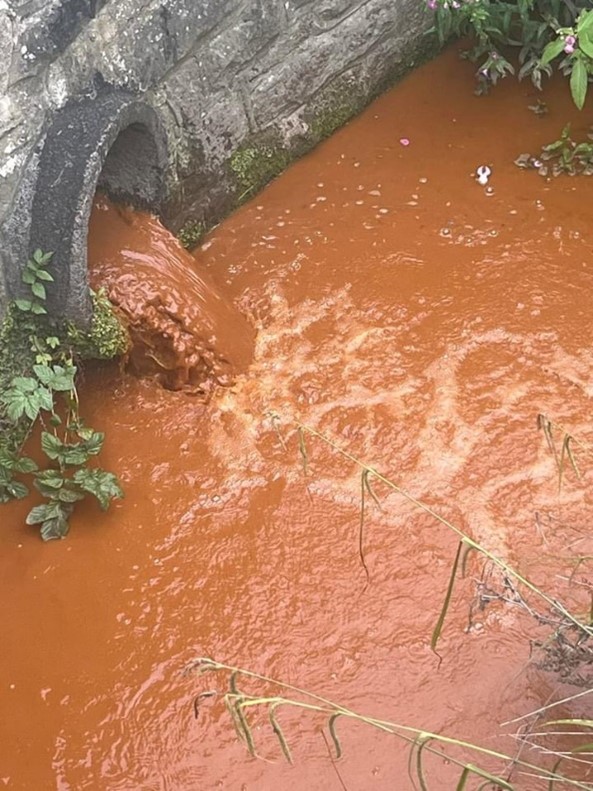
The brook was severely polluted with iron from mineworking drainage adits that only started to work due to sewer replacement work at Kilburn.
This problem has been brought under control and no further staining is apparent. This is likely because ochre blocking the connection to the main route to Woodside pumping station cleared.
Sussex Floods.
As soon as it rains in some part of the county it seems to flood. The problems during this last quarter have mainly been sewer overspill from combined sewers around Bournemouth. Other areas to the east have suffered rainfall infiltration of old drains and sewers. Local radio has had us on air three times over the last quarter.
National Council for Voluntary Service.
NCVS have circulated a request to all voluntary organisations to give ideas for the Civil Society Compact with government. Have thought about it but in reality that means keeping conversations going. We receive no funding from government.
Imperial College
We have been supporting the group working on the water analysis craft which is still developing further capabilities.
We have also been contacted and are now helping with a project looking at removal of pollutants in water and air using ceramics. It is a five-year project.
Somerset Rivers Authority.
The SRA was set up in 2015 to look at river management after the major media frenzy about the floods in the Somerset Levels. They have funded work with the National Trust. The recreation of river authorities has flown below our radar up till now.
Gildersome Tunnel.
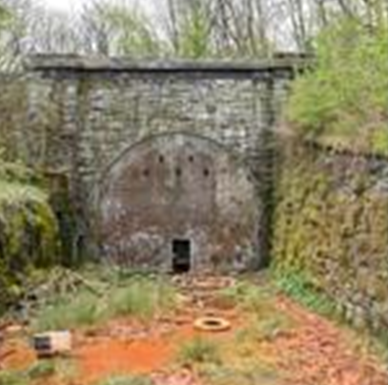
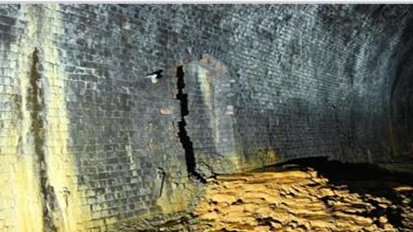
This tunnel has been brought to our attention due to our work at Whitehaven. It is located between Bradford and Leeds. The tunnel is accessed through a ventilation chimney in the roof of the tunnel but the minewater exits through the door in the tunnel block. Within the tunnel the ochre is up to 1 metre deep and in the cutting outside the tunnel it is deeper in places.
The tunnel was opened in 1900 and closed in 1966. We are talking to Network Rail about visiting the tunnel to gain an understanding of how minewater is entering and what effects the water has on the structure.
Other Minewater Pollutions.
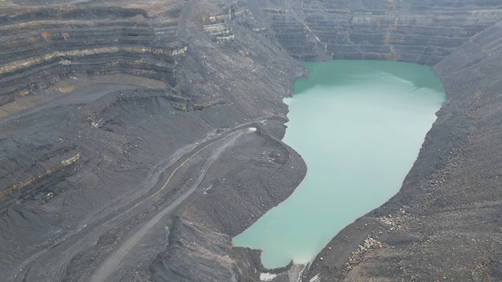
We have been involved with several other minewater pollution incidents over the last quarter including the River Calder at Todmorden, West Yorkshire, Cwmsychan Brook Culvert near Abersychan, Torfaen, and Merthyr Tydfil’s Ffos-y-Fran mine flooding opencast void).
Whitehaven Harbour Scrapping of Boats.
The Harbour Authority has had a problem with a few boat owners abandoning their boats in the harbour. The first boat to be removed was a fishing boat that was removed on tow heading to the salvage yard up the coast. It broke its tow line and beached just outside the harbour and was broken up on the beach.
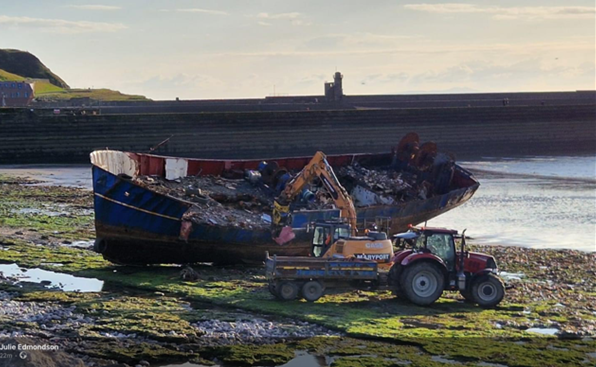
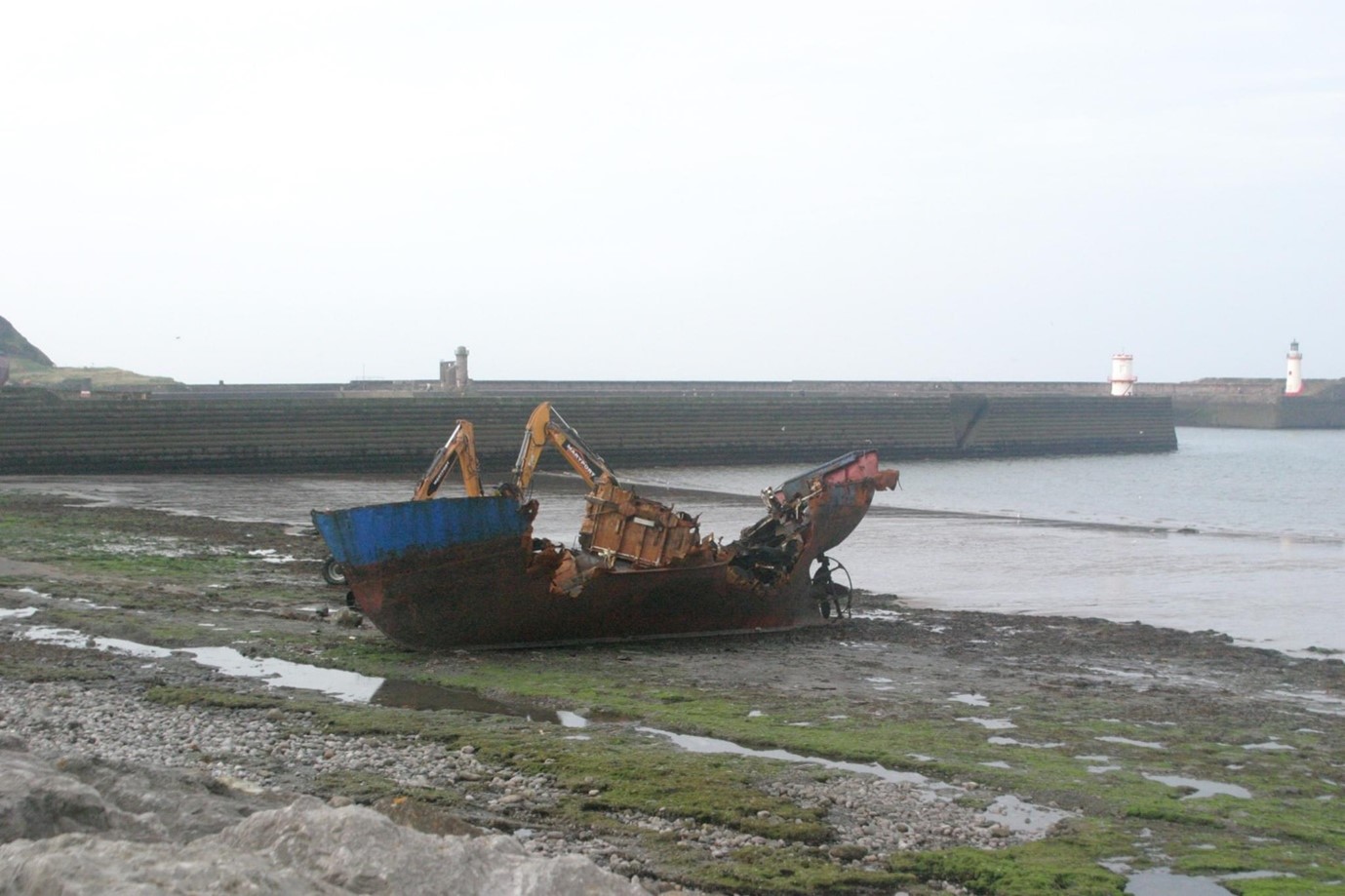
We had several people contact us about the rubbish onboard the boat and its loss to the sea.
The second boat was a vessel that the owners had planned to hire out in the harbour as a b&b let. Sadly, they removed the bulkheads, and the boat became a liability. The boat was lifted out of the harbour and broken up for firewood and recycling. The hull demonstrated the toxic effects of the minewater pollution on tubeworm and even muscles attached to it.
Endocrine Disrupters, Pharmaceuticals, FEPAS.
We have dusted off several old ideas recently with regard to putting novel solutions forward to the water industry regarding this set of persistent problems. The demonstration of solutions is the next step as the industry is too well aware of the need to do something about their presence in wastewater plants discharges. The realisation that there are options that work and may be scaled up to cope with major city sewage treatment works discharges is exciting.
Working Together – The Environment Agency.
The EA are consulting on the way of working together and revising all Catchment Management Plans, with the Rivers Trust coordinating the process in many catchments. It is much harder to be respond to a charity with no statutory responsibilities than a regulator. The catchments of the whole country have to be covered by May next year. In the past the responses were to detailed reports that were circulated one or two at a time. Today we have to reply to questions that do not aid the process, but outlines sets of agendas put together by partnerships that are self-selecting and have employed consultants to put together action plans such as the Trent Gateway.
https://consult.environment-agency.gov.uk/environment-and-business/working-together-2024
Commercial and other Navigation on the Trent and Yorkshire Ouse.
The Trust has been invited by TrentLink to a meeting at the Canal and Rivers Trust offices at the Kiln, Newark, 31st January. Increasing commercial and recreational use for economic redevelopment of the River will impact the Environment Agency’s, and Trent River Trust’s Trent Gateway Project and the present consultation on the Lower Trent Catchment Plan. Also, the Trent – Ancholme – Witham water transfer scheme via Torksey Lock might well be affected.
It could be an interesting meeting with North Lincolnshire, Yorkshire and other councils, the EA and Associated British Ports being present.
The rekindling of interest in commercial traffic returning to the river would raise many issues regarding ecology and pollution control as well as enabling larger or greater numbers of craft moving through the locks at Newark, particularly Nether Lock which at present limits the length of vessels traveling towards Nottingham. Any remodelling of the structure might impinge on the hydroelectric scheme that has recently been established at the adjacent wear.
The loss of knowledge and the foresight of many staff lost when British Waterways was transformed into a charity reliant on consultants may well be evident at the meeting.
Clean Rivers Trust
Trustees Meeting Agenda
3rd December 2024
1/ The Autumn Quarter Report.
2/ Annual Report and Accounts.
3/ Trustees Meetings dates 2025.
4/ New or old areas of interest for examination.
5/ AOB
6/ Christmas Lunch