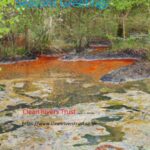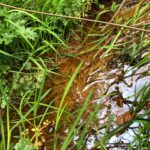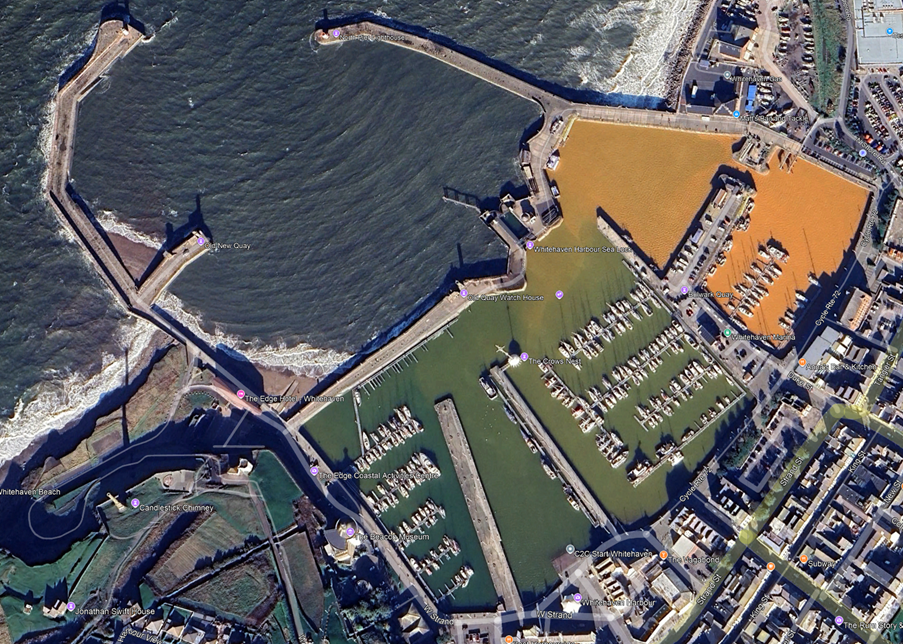
The harbour at Whitehaven has been polluted by acidic minewater leaching into the railway tunnel for more than 3 years. Clean Rivers Trust has been involved with the issues for most of that time collaborating with the community and the broadly based Task Force convened by Josh MacAlister the MP for the Area. This task Force being made up of the local authorities, Network Rail, Mining Remediation Authority, Environment Agency, Sellafield, and Harbour Authority.
It was announced by the Mining Remediation Authority at the end of 2024 that they were working with the Environment Agency and Network Rail would look to take the ochreous minewater and the stream the minewater flows into via a pipe to the beach north of the harbour and below the high-water mark of the tides. In May 2026 they announced to the MP that this could not be done as they had modelled the plan and found that in certain conditions the minewater would enter the harbour. Fortunately, the MP made this public. The cost of the scheme, which should have been relatively low had escalated to a reported £20 million. The MP has worked hard to find funding from a consortium of government departments to clean up the pollution and it now appeared to the public as wasted effort.
The sum of money that was raised for the minewater seemed to shrink in comparison when Network Rail discovered that the Tunnel between Whitehaven and Corkickle Stations was undermined by historic mineworkings which had subsided over the centuries and the tracks were only supported by thin (30cm) rock above unknown voids beneath, This saw the railway tunnel closed for remedial works in August 2025. The cost of repairs and laying new track being estimated at about £50 million.
In conversations we have had with several people in Whitehall, the feeling that if it were possible to just close the tunnel permanently that would be the answer. Fortunately, even if it were shut and the major customer, Sellafield used the southern section of the Cumbria Coast Line via Barrow, the pollution entering the tunnel and flowing to the drain into Bransty Beck and then to the harbour would require access to be maintained into the tunnel for an unspecifiable period. Network Rail have not announced their timetable for the infill and grouting beneath the tunnel floor as yet nor have they or the Mining Remediation Authority found new answers to the minewater pollution.
We have though, the same one we discussed with Network Rail in 2024 and then the Coal Authority (Mining Remediation Authority) said was too expensive at £1 million, and unsightly from the sea.
Sadly in 2024 Network Rail wished to pass the liability of minewater pollution onto the then Coal Authority and vice versa.
The solution is simple and could be put in place quickly and inexpensively; for around a quarter of the last plans cost or less. Briefly the water from the tunnel flows from to the tunnel to a Network Rail compound by and opposite the station buildings and platform. The water can then receive flocculant and air, so removing the majority of the iron content of the pollutant and then allowed to flow naturally through a small wetland/reedbed. Once it has passed through this system it can be discharged as clean water to the main sewer. There is no great volume of water to be treated as the main flow was that from the Bransty Back. At times there may be little if any flow from the tunnel and at most tens of litres per minute. The loading of iron being the main pollutant. The flow rate figures are not available except to the government agencies and are deemed confidential.
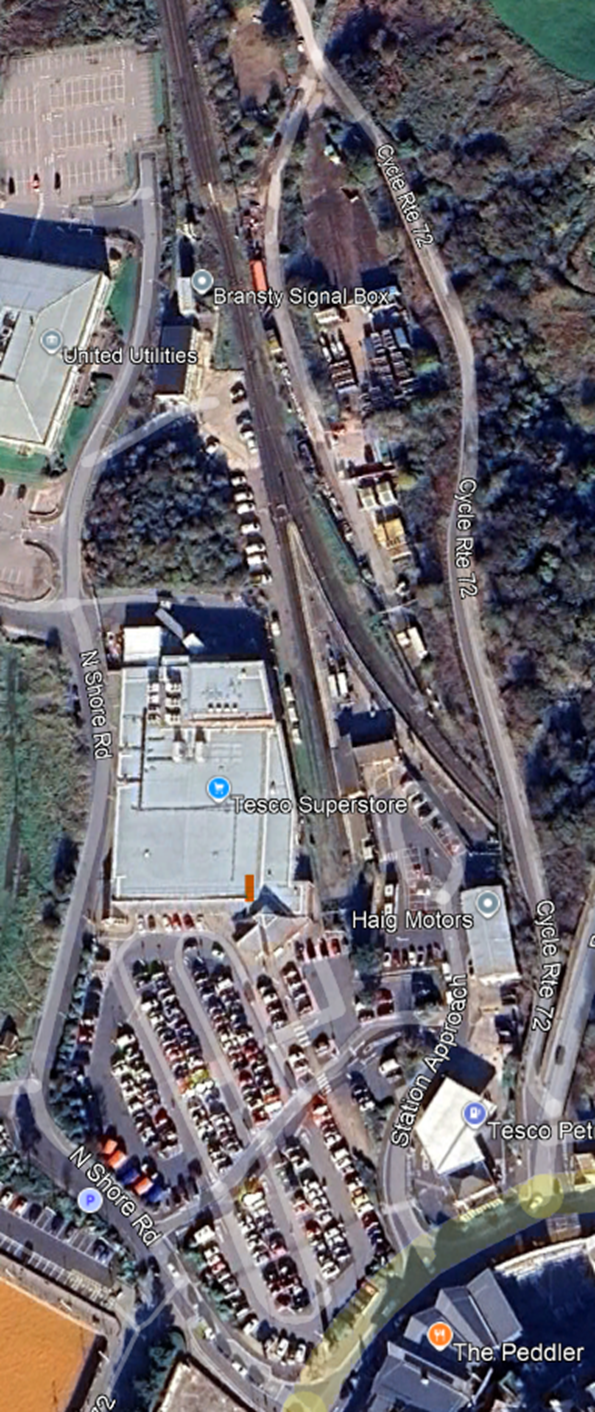
Flocculation wetland possible site (outlined in red) opposite Whitehaven Railway Station, part of which is at present occupied by a set of tanks that will treat the water from the tunnel whilst it is being repaired. Blue arrow indicating the exit route across railway line to sewer. Black arrow indicating route of minewater from tunnel to proposed treatment.
Clean Rivers Trust has worked on minewater sites for more than 35 years both in the UK and elsewhere. This should never have been allowed to impact the harbour and the town for as long is it has. There is a solution that can and should be put in place before it drives Sailers and tourists away for good.
Note.
Part of the suggested treatment site is at present housing a Siltbuster minewater treatment facility that was used for a shorty period in 2025. We introduced Network Rail to this company in 2024. The plant was retained though not used since so it might be employed again when engineering work restarted in the tunnel. That was before the void beneath the track was discovered.