MJ’s paper on the first two years activities has been published in the Journal of Environmental Management. SB being a co-author.as is HW. Delighted to see it in this peer reviewed journal. Phytoremediation of an acid tar pit at Cinderhill Tar Pit and Lake.
Publication.

Cinderhill, Derbyshire, UK.https://authors.elsevier.com/sd/article/S0301-4797(26)01150-3
Site.

Spring Regrowth
The site has been monitored regularly throughout the spring and has shown its regular pattern of growth. Some poplar trees have shown some signs of dieback though that may be natural. Damaged willows (vandalism from 3 years ago) have started to regrow, and others may have died from being broken by quad bikes breaking the top off the root stock. This problem being exacerbated by the lack of rainfall last year.
The Lake.
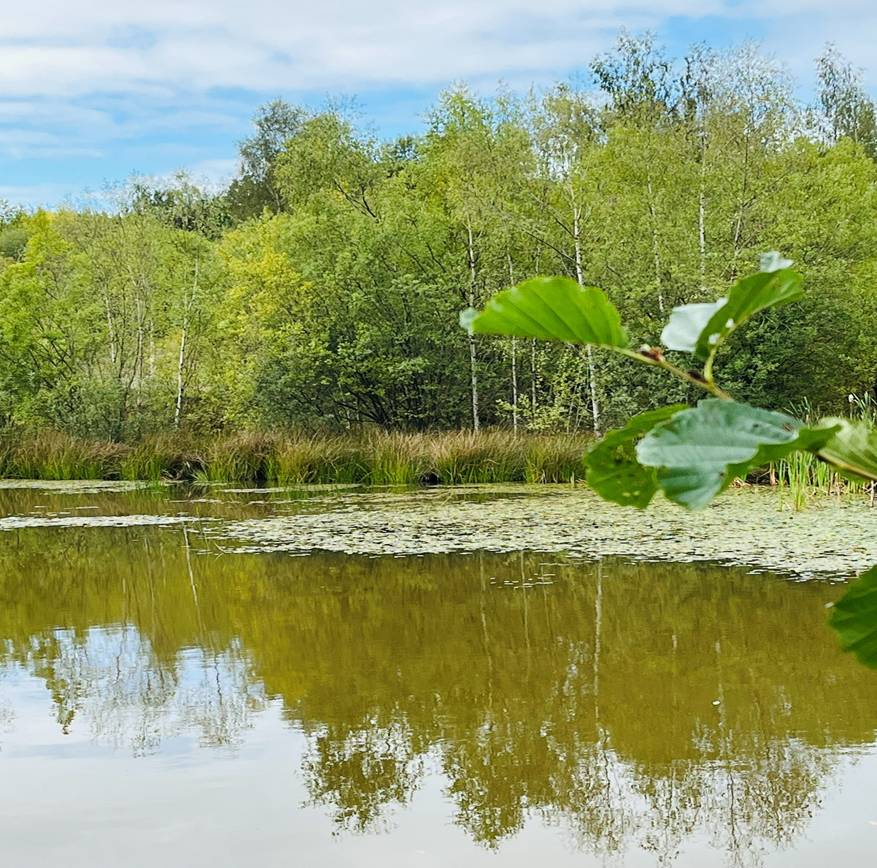
The lake has demonstrated its improved water quality by an increase in both flora and fauna present in, on and around the site. Grebe, ducks and geese have nested at its margins, kingfisher have been observed feeding on small fish at its margins and amphibians have been present around the site.
Denby Pottery Glaze Pit.
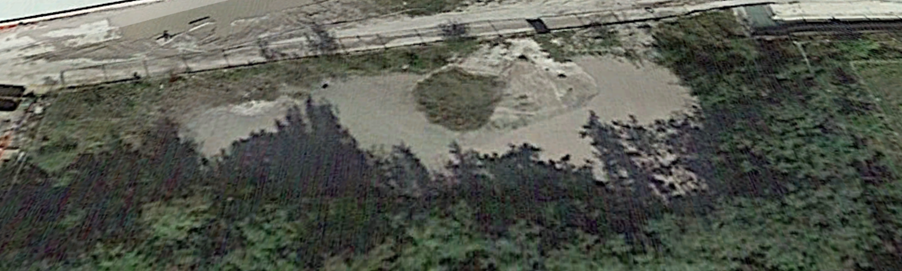
We have been to visit the historic glaze lagoon at Denby Pottery 7 years on from when we first were asked to look at the site and offer remedial solutions. At the second time of visiting the firm announced that it was going into administration. The project may or may not go ahead. If it does the work will be conducted at the end of November and or the start of December.
The Environment Agency have asked that they are involved though the site is not believed to be contaminated, but it is a dangerous site full of very viscous muds made up of ground flint and clays.
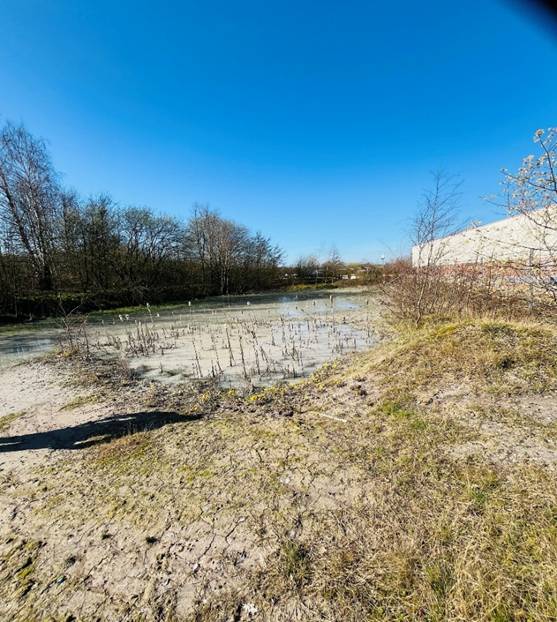
Denby Glaze Pit.
We await developments.
Nitrogen and Oil Digesters.
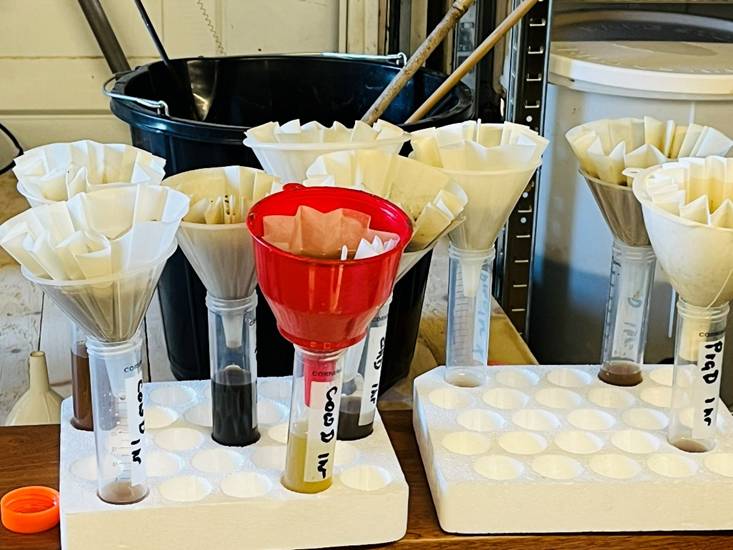
The Trust is continuing to collaborate with the company to understand the best uses and methodologies of application.
We have conducted a second set of simpler tests on nitrate removal.
PFAS, Plastics and Other Pollutants.

We are trying to increase the awareness of methods for breaking down these pollutants along with others such as oestrogenic materials and other pharmaceuticals. The increase in recreational drugs in rivers and streams is becoming more worrying as in many cases theowners of the riverbanks are also one of the possible sources of this particular group of pollutants.
We have met with the MP for South Derbyshire, Samantha Niblett, who is a member of the Science, Innovation and Technology Select Committee. We discussed the possible uses bacteria and micro fungi had in the treatment of contaminated land and water.
We have contacted all the water companies, but little interest has been shown. It is still early days for our solutions to be acceptable to the wide spectrum of interested parties that will eventually find our work of use.
Whitehaven Harbour Pollution.
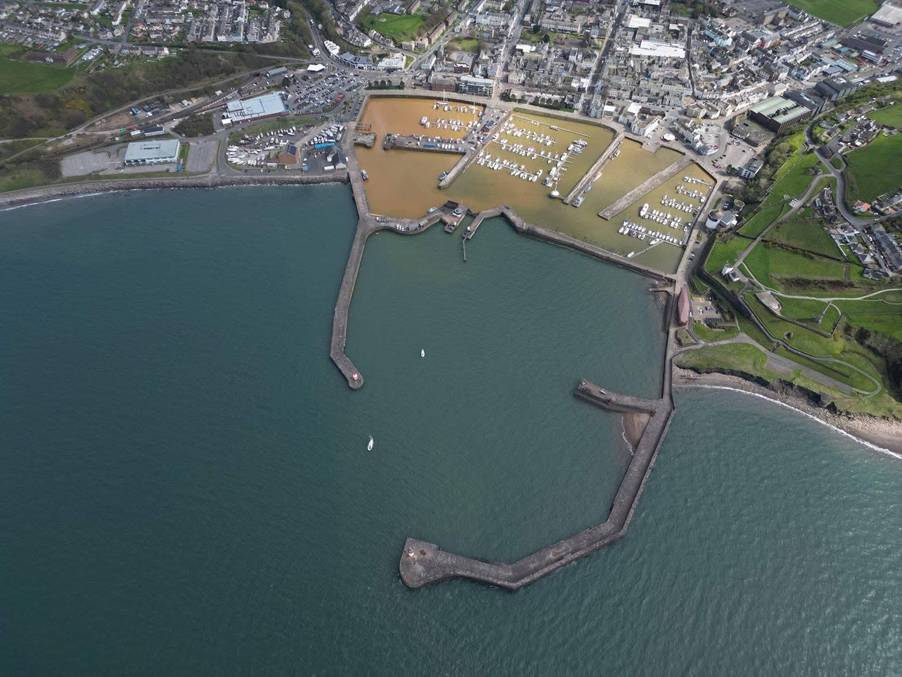
The harbour’s polluted condition gets no better as the railway tunnel awaits the major work that has to take place to allow the Cumbia Coast Line to keep working. The voids beneath the rails are to be filled and the effects of heave and subsidence rectified as well as the polluted water redirected to remove the pollution from the harbour. The present word from the main players is that agreements between Network Rail, the Environment Agency and the Mining Remediation Authority are being discussed and consultants appointed. We are led to believe that it will be some time before all agreements are in place and start of work may be later this summer and estimates for completion sometime in 2027. Nothing is though certain at this point.
It is worth remembering that Girvan Harbour in Ayrshire was polluted by mine water from the abandoned Dalquarran drift mine in 1979 and remedial works took a court case against the National Coal Board (Lockhart v. National Coal Board 1981 and a lot of time). It took till 1994 for the remedial works to be put in place.
We have had meetings recently with the Royal Yachting Association, briefing them on the history and problems of the harbour, pollution and the railway tunnel.
William Ness Tar Works and Surrounds
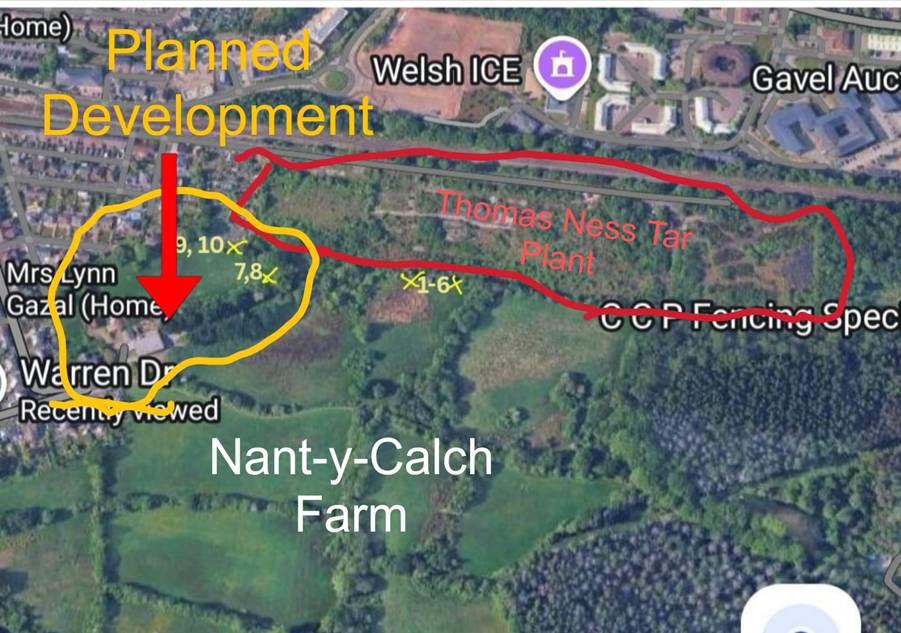
The Ness Tar Works in Caerphilly, was one of the historic Coal Products sites. This one being sold off by the Coal Authority for £1.00 to be used for social housing.
We are advising a community group on possible remedial work needing to be conducted in the surrounding area.
Commonside Tip.
The Trust and the University of Nottingham are looking at the state of the contamination at the long closed Commonside Tip in Cheshire. We are happy to be collaborating with West Cheshire and Chester Council. Sampling will take place during the early summer.
We have had an interest in Commonside for some while, so this is a major move forward.
University of Nottingham, River Leen.
The Trust is playing a supporting role on a major project looking at water quality and made environments in the River Leen and other rivers in the East Midlands. This is likely to include ceramic constructions as well as help in sourcing readymade materials.
Marley Tiles.
We are talking with Marley Tiles to see if there may be a project at their Branston site just outside Burton on Trent.
Bauxsol.
Bauxsol has been in the public eye again. We worked with ERM and then a spin off company looking to use this material for remediation of industrial wastes and minewater in the 1990s and early 2000 and an improved material between 2015 and 2019 with Red Media. The present use of Bauxsol includes its addition to fly ash and other waste materials for the creation of building materials..
Red Media comment:
‘Just looked up Stuart – he is based in North Carolina, and his website contains some of the info from Virotec circa 2008. The chap in charge of red mud in Gladstone is mates with Virotec and not interested working with us even though it was me that reintroduced RTA to Virotec. We are now getting somewhere with South 32 and the Vietnamese. Rio Tinto Canada are also now using sea water to neutralise red mud.
At the moment I am dealing with some South Africans – the aim is to import red mud from South 32 and us it to deal with tailings and use the treated tailings as sand / aggregates. The first stage is to process about 30million tonnes of tailings a year. South African demand for sand is over a billion tonnes per year.
I do know that Virotec are dealing with Rio Tinto in Gladstone and the red mud is neutralised using sea water. We are working with a US based company that has a process for removing the hydroxides from the red mud. We have already assessed it with better results than Bauxsol and now our aim is to treat mine tailings and reuse the tailings as sand / aggregates.
As Bauxsol contains chlorides it is a definite no, no for treating tailings and then using them for construction.’
Cornwall.
The Carnon River and Valley project with University of Exeter should start shortly and we have been refamiliarising ourselves with the myriad issues that have been left in the area since the EA disposed of the site of the trial wetlands and surrounding land.
Even though the Wheel Jane treatment works is still operational the Carnon still receives most of its frow from untreated minewater including from the County and Mount Wellington Adits.
Somerset.
There is a developing interest in the issues surrounding lead mine pollution across the Mendips, and we have also been contacted about some lead pollution in other parts of the county and south into Devon.
Newark Archaeology.
The Trust has been taking an interest in the work of two landscape archaeologists working in the Newark on Trent area over twenty years. We help them interpret water related findings another related issues. A site close to the river near Farndon which was identified by them several years ago as a likely early (Saxon) church site had now been confirmed during excavation as such. The building was likely to have been destroyed by Vikings on their way up the River Trent.