Clean Rivers Trust has had a close links with Yemen for more than 13 years. It is a country riven by civil war and subject to neighbouring nations subjecting the country to their will, both political and religious. The country is in a transition that the nation itself does not desire and only a few, the most influential members of the population who stand to gain wealth and to some degree an international platform on which to show off their newfound ‘influence’.
The terrible problems of the nation are now as they have been for the last all linked to water, or rather the lack of it. Unlike most Middle Eastern nations, the country has never had the natural source of wealth that others have had, namely oil and gas fields. A small group of fields have been exploited but have never had a true influence on the nation’s wellbeing.
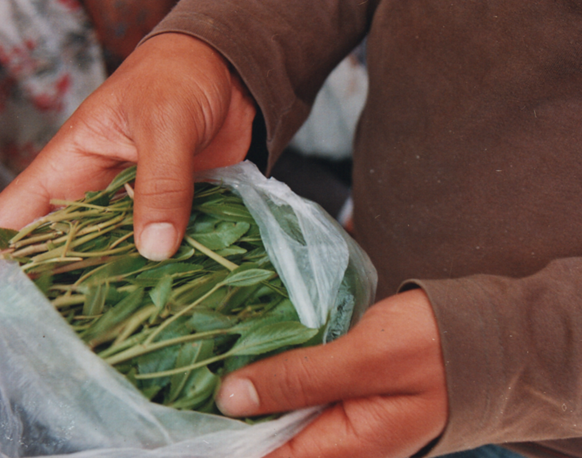
The economics of the country rely on date and mango production for export, qat, the ubiquitous plant which consumes the nations afternoons debilitates much of the population on a daily basis. The country has relied on aid from countries across the world to survive, many of which treat the issue of qat as that of a child being forgivably naughty. This is not the case of most other Muslim countries who treat the chewing of the sprigs of the plant as haram.
The civil war and more notably the neighbouring countries air forces have destroyed much of the nation’s infrastructure including the major water abstraction points for cities including Sana’a, Ibb and Taiz.
Our contacts with the nation both in and out of country demonstrate that the country has suffered hell on earth for the last eleven years, illness, starvation, drought, and lives cut short by cholera, bombing by neighbouring nations, and most insidious, lack of water. Of all the water available to sustain the population much has been damaged during the ongoing conflict. The Marib Dam, a major water storage facility built in 1980 was damaged by Saudi air strikes in 2015. It is felt that the dam is now too damaged to be allowed to be used at even half capacity. This ensures that only private wells that are operated in an unregulated manner can supply the population whilst agriculture is severely hampered due to the lack of available irrigation supply.
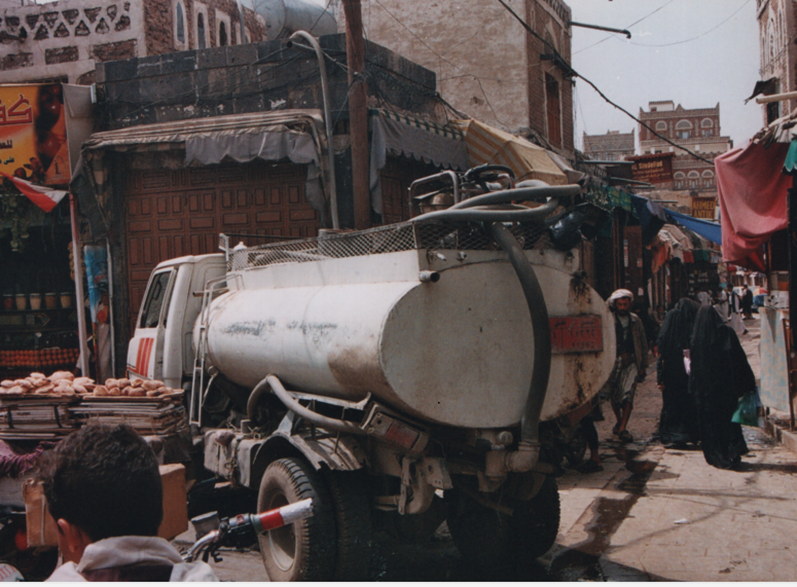
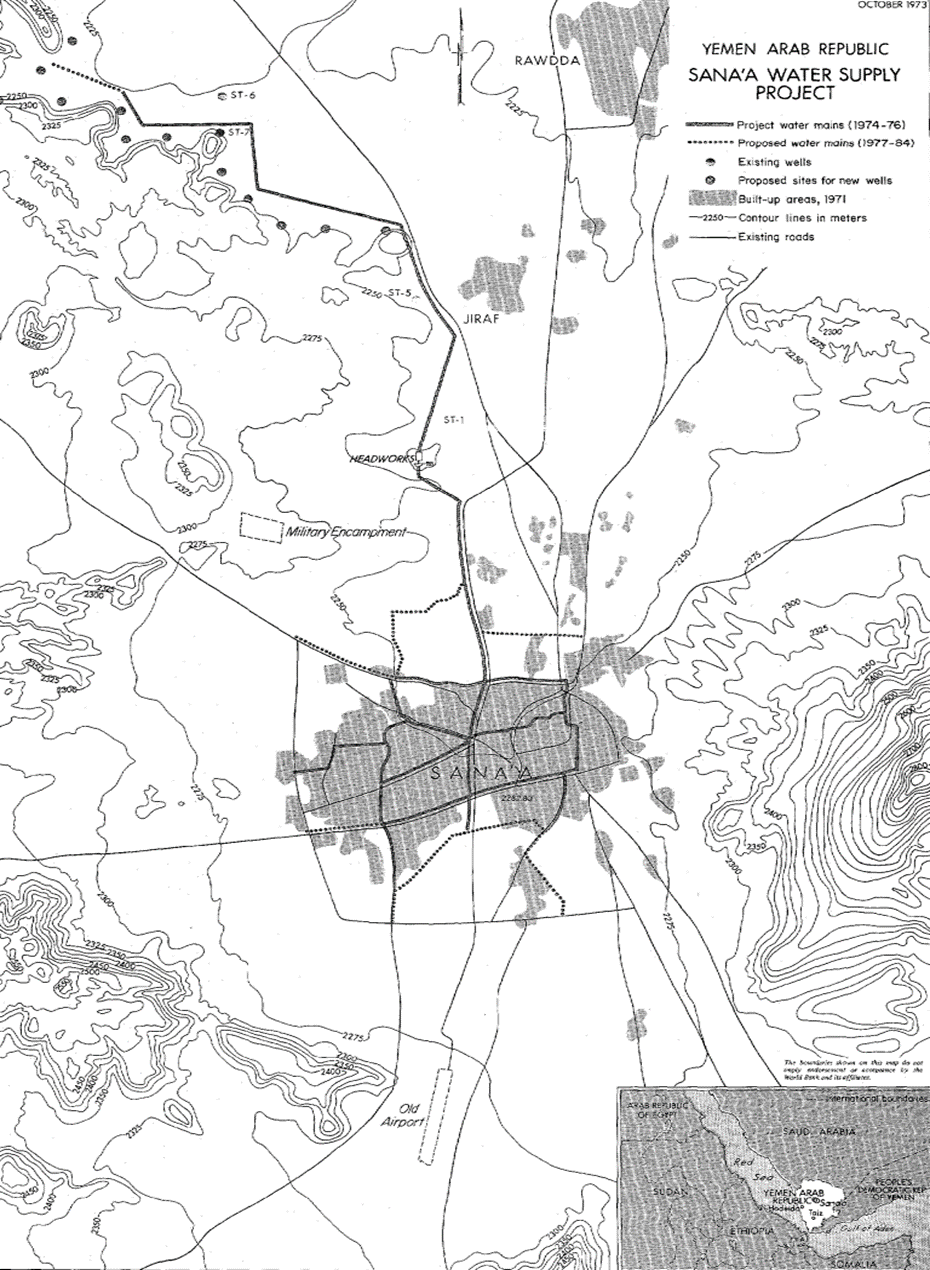
Sana’a is still supplied by similar unregulated water merchants from private and now hidden wells to the northeast of the city. The small tankers can navigate the narrow streets within the old town.
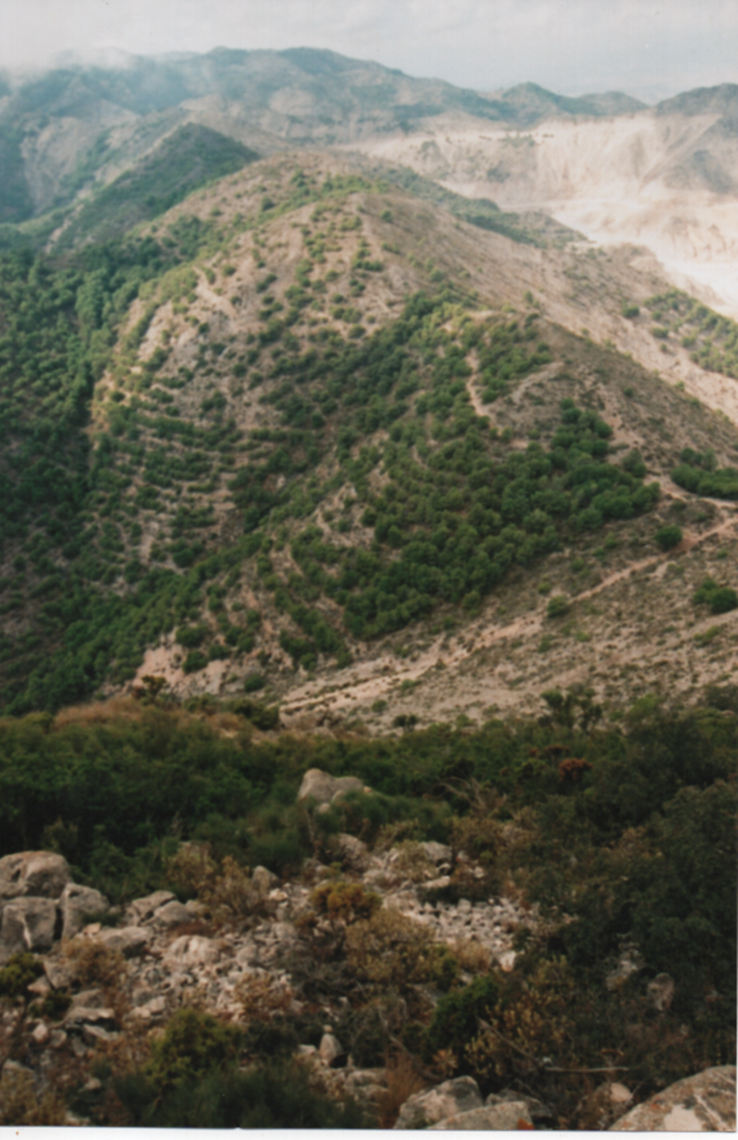
The near vertical pattern of irrigated land between the capital and Marib shows qat growing but other crops are non-existent. The operation of the irrigation systems is not able to function as it did prior to the war.
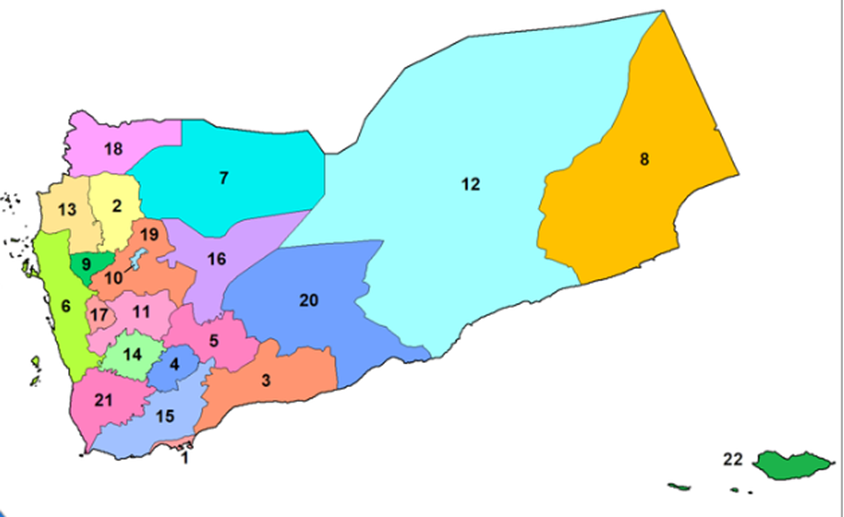
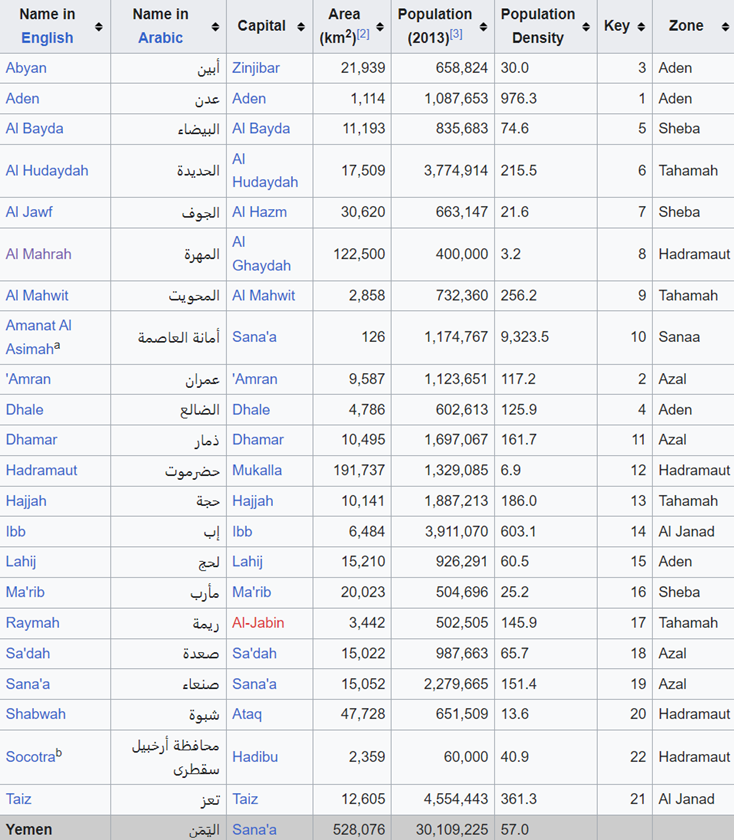

The latest news from Yemen is outlining the possible breakup of the nation into three parts, the north and west being Yemen, the southwestern fraction governed from Aden and the major central and eastern fraction being created as a greater Hadramout. The loss of governorates such as the semi-autonomous region of Al Mahrah which looked after the islands of Socotra for centuries is regrettable. One hopes that the powers that be in Riyadh and the council that is putting forward such plans consider the communities and the national desire to stay as one for the sake of developing water equality across this country.
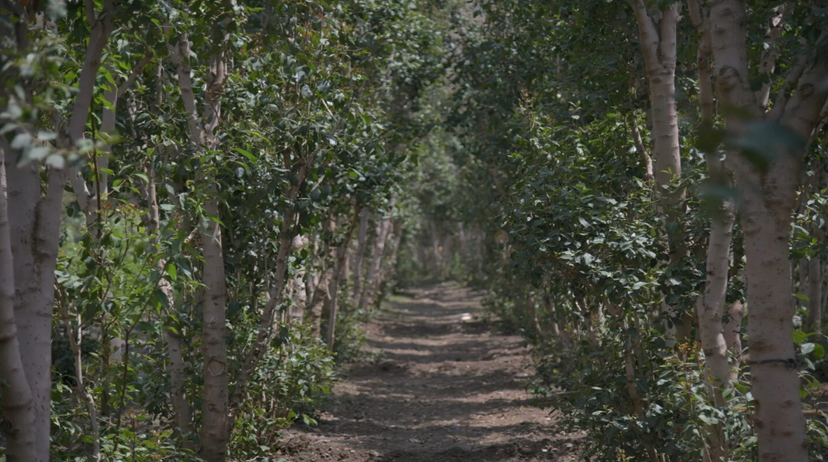
Qat farm south of Sama’a