Clean Rivers Trust has become involved with the restoration project that will see the Derby Canal restored and reopened to navigation over the coming years. The Trust’s involvement is not just because it is a fascinating project in its own right with the potential to create a wonderful waterway once again and that it has the potential to give employment to a substantial number of people. It will increase Derby’s tourist visitor numbers (WS Atkins), regenerate areas that are dormant or near derelict: it has all the hallmarks of a great project. The Trust’s interests in water resources, its uses, redevelopment of infrastructure networks, feed routes, water transfer and sustainable transport. The canal route is already recognised as part of Sustrans National Cycle Route 6 which when complete will link London to Threlkeld (near Keswick) in Cumbria and on to Berwick on Tweed as Route 68. There are many further beneficial possibilities that this waterway could feed into and benefit the community both in business and at play.
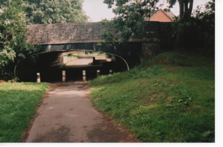

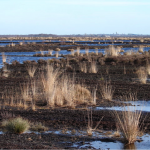
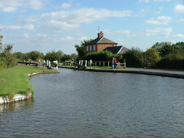
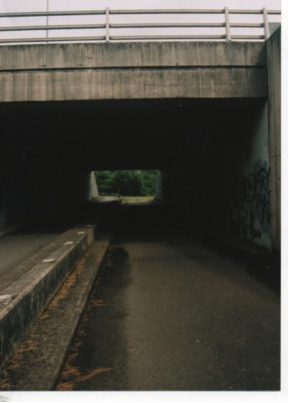
The canal is interestingly linked to both the Trent and Mersey Canal at Swarkestone and the Erewash Canal at Sandiacre. Much of its length has though been filled in; fortunately not much has been developed over. Like most canals and rivers that pass through urban environments the developments along its route now turn their backs to the water. The canal still has some stretches that are not dry, a little water and wetland plant flora marking its presence. Some fine bridges mark its route with few that require raising to allow a refurbished navigation to function. Fortunately the modern major roads have pathways beneath their carriageways to allow future ease of progress.
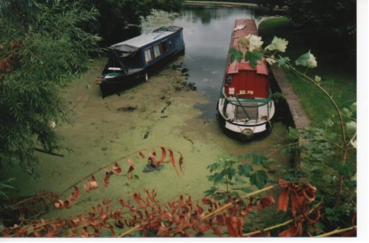
The land through which the canal passes is in the ownership or control of the restoration group. The other vital element for the scheme being water supply: it would appear that more than one supply is readily available, from aquifer and ground drainage sources.
Apart from the canal and towpath there are some adjacent landholdings that at present are of uncertain purpose, possible reservoir and turning areas. Access to the Trent and Mersey Canal has been lost and the lock system no longer exists: this is not a developmental nightmare that it could be. There is an opportunity to work alongside a farmer with land adjacent to the Trent Mersey and Derby canals close by where they once split or converged, that would ideally suite development into a marina which could be developed as the link and waterway junction.
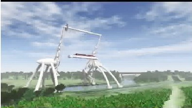
The expectation is that the project will develop over the next three or four years to the point that an engineered barge transporter to rival the Falkirk Wheel which will move craft from the canal onto the waters of the River Derwent. The plans are futuristic and enticing. Such a development will be a serious monument to the innovative engineering skills that links Derby’s past to its future.